
Guatemala's Digital Divide: AI's Promise and Peril for Indigenous Communities
As AI advances globally, Guatemala grapples with ensuring equitable access and ethical integration, particularly for its diverse Indigenous populations. Experts warn against exacerbating existing inequalities without culturally sensitive policies.
Click play to listen to this article read aloud using text-to-speech.
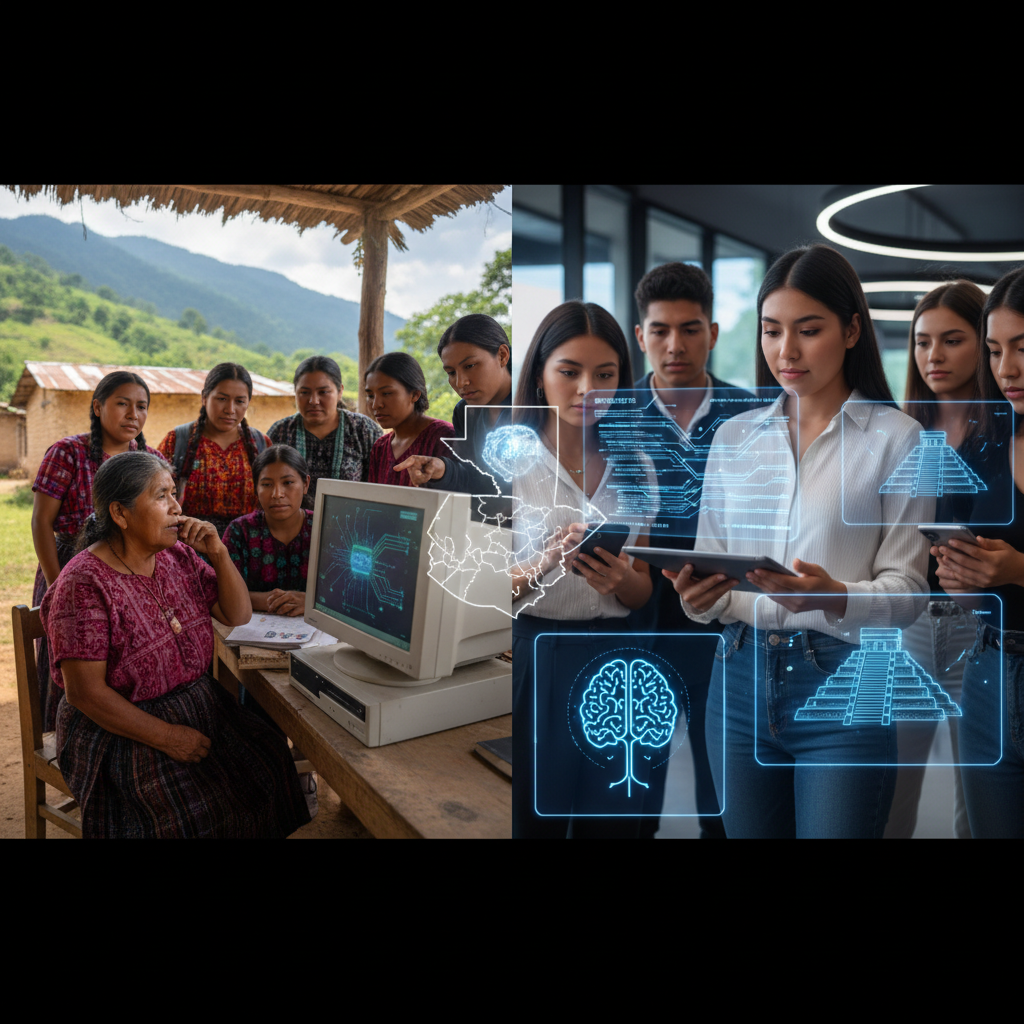

Guatemala City, April 2026 – The global surge in Artificial Intelligence (AI) development presents both unprecedented opportunities and significant challenges for nations like Guatemala. For the country's vibrant Indigenous communities, including my own K'iche' people, the integration of AI is not merely a technological discussion but a deeply cultural and societal one, fraught with potential for both empowerment and further marginalization.
Recent discussions at the Universidad del Valle de Guatemala (UVG) highlighted the urgent need for a 'desarrollo tecnológico con pertinencia cultural' – culturally relevant technological development. Dr. Elena Xiloj, a leading expert in digital anthropology from UVG and a Kaqchikel woman, emphasized, "We cannot simply import AI solutions designed for Western contexts. Our cosmovisión – our worldview – demands that technology serves our collective well-being, strengthens our ancestral knowledge, and respects our linguistic diversity, rather than eroding it."
One promising area is the application of AI in preserving endangered Mayan languages. Initiatives like the 'K'iche' Voice Project,' a collaboration between local linguists and tech volunteers, are using machine learning to create speech-to-text models for K'iche', Tz'utujil, and Q'eqchi'. "Imagine AI tools that can translate ancient texts or facilitate communication in remote communities where Spanish isn't the primary language," says Pedro Cúmez, a project lead. "This isn't just about convenience; it's about resistencia cultural – cultural resilience – in the digital age."
However, the digital divide remains a formidable barrier. According to the Ministry of Communications, Infrastructure, and Housing (CIV), internet penetration in rural Indigenous areas lags significantly behind urban centers. "Without basic infrastructure – reliable electricity and affordable internet – discussions of AI become purely academic for many of our comunidades," stated Minister Ana María López during a recent press briefing. She outlined plans for expanding satellite internet access, but progress is slow.
Concerns about data sovereignty and algorithmic bias are also paramount. "Who owns the data collected from our traditional practices? How do we ensure AI algorithms don't perpetuate historical biases against Indigenous peoples, particularly women?" questioned Rosa Ixchel, director of the Asociación de Mujeres Indígenas por la Tecnología (AMIT). "We advocate for gobernanza comunitaria – community governance – over data and AI development, ensuring that our elders and community leaders have a voice in shaping these technologies."
As Guatemala navigates this complex landscape, the call for inclusive, ethical, and culturally sensitive AI development grows louder. The future of AI in this nation, particularly for its Indigenous heart, hinges not just on technological advancement, but on a profound respect for its diverse peoples and their enduring legado – legacy.
Related Articles

Oslo's AI Ethics Initiative: A Nordic Model for Gender-Inclusive Development
 Ingridè Hansèn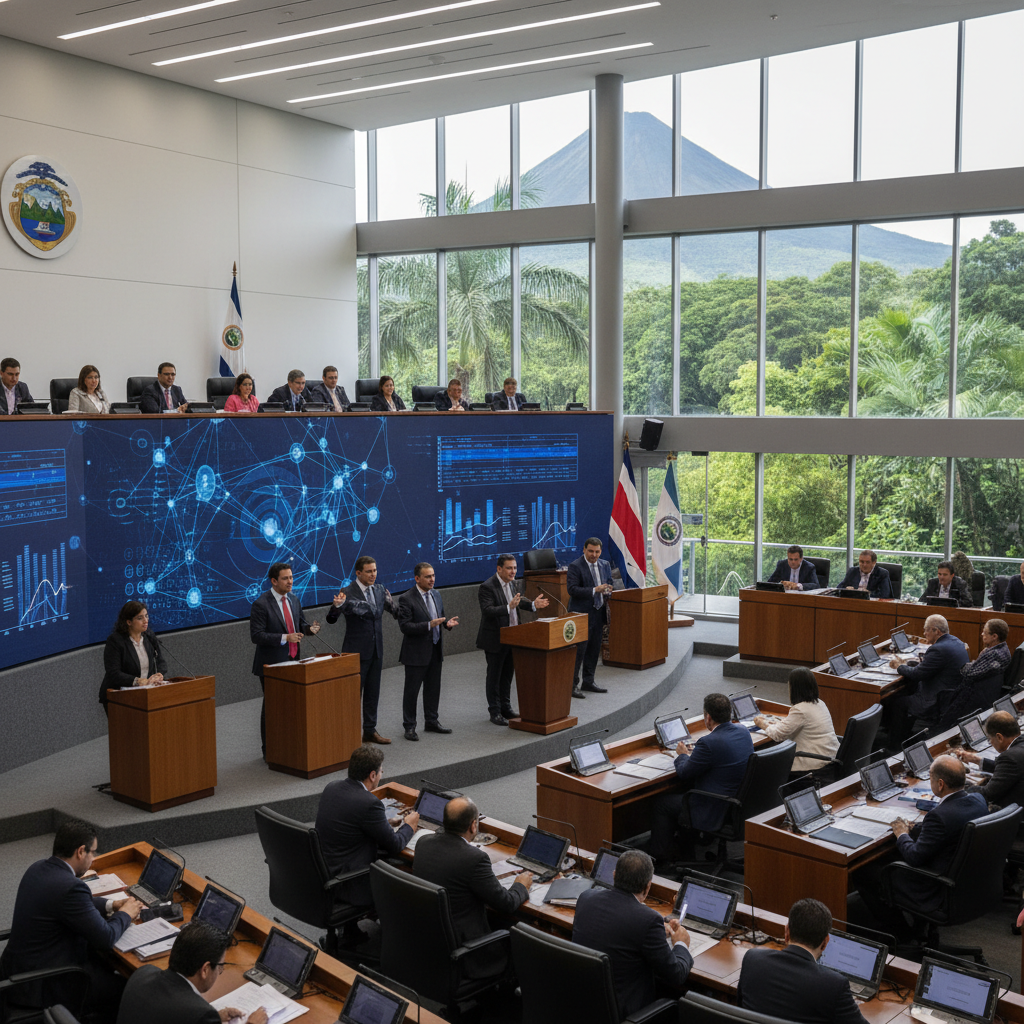
AI in the 'Pura Vida' Republic: Legislative Debate on Digital Ethics Heats Up
 Carlòs Ramirèz
AI's 'Glass Ceiling' for Women: New Study Reveals Persistent Bias in STEM
 Amèlia Whitè
AI's Algorithmic Bias: A New Frontier for Civil Rights in Digital America
 Deshawné Thompsòn