
Oslo's AI Ethics Initiative: A Nordic Model for Gender-Inclusive Development
Norway's capital is pioneering a new framework for ethical AI development, emphasizing gender equality and diverse representation, drawing praise from European tech leaders.
Click play to listen to this article read aloud using text-to-speech.


Oslo, Norway – As artificial intelligence continues its rapid integration into every facet of society, the imperative for ethical development has never been clearer. In a move that solidifies Norway's commitment to inclusive innovation, the City of Oslo, in collaboration with institutions like the Norwegian Centre for Research on Gender Equality (Kilden) and the Norwegian Artificial Intelligence Research Consortium (NORA), has unveiled a groundbreaking initiative aimed at embedding gender-inclusive principles into AI design and deployment.
This past week, during a digital conference hosted by the OsloMet – Oslo Metropolitan University, Dr. Liv Johansen, a leading researcher at Kilden and an advisor to the city's AI ethics panel, elaborated on the framework. “Our goal is not just to prevent bias, but to actively foster AI systems that reflect the full spectrum of human experience, including the often-overlooked perspectives of women and diverse gender identities,” Dr. Johansen stated, her voice resonating with conviction. “We've seen the pitfalls of 'bro-tech' in the past; this initiative is about ensuring AI serves all citizens, from the kvinnelige gründer in Bergen to the elderly bestemor in Tromsø accessing digital healthcare.”
The initiative, dubbed 'AI for All: Oslo's Ethical Compass,' focuses on several key pillars: mandatory gender impact assessments for public sector AI projects, funding for research into mitigating algorithmic bias against women, and the establishment of diverse advisory boards with significant female representation. It also includes educational programs to encourage more young Norwegian women to pursue careers in AI and data science, addressing the persistent gender gap in STEM fields.
“We are not just talking about fairness; we are talking about economic opportunity and societal well-being,” commented Inger Stensrud, the City of Oslo's Director for Digital Transformation, during a follow-up interview. “When AI systems are developed by a homogenous group, they inherently carry those biases into their algorithms. Our framework mandates a proactive approach to diversity, ensuring that the data sets used, the algorithms designed, and the teams building them are representative of our mangfoldige (diverse) population.”
The European Commission has taken notice, with Commissioner for Innovation, Research, Culture, and Youth, Mariya Gabriel, recently praising Oslo's efforts as a potential blueprint for other European cities. “Norway has long been a leader in gender equality. It is only natural that they now lead the way in ensuring AI development aligns with these fundamental European values,” Commissioner Gabriel remarked in a press statement.
Critics, while generally supportive, have raised questions about the practical implementation and scalability of such rigorous ethical oversight. However, proponents like Dr. Johansen remain optimistic. “This is not a quick fix, but a long-term commitment. It requires cultural shifts within tech companies and public institutions alike. But the alternative – an AI future rife with systemic bias – is simply unacceptable. For Norwegian women, and indeed for all citizens, this is about shaping a digital future that truly works for everyone.” The initiative is set to roll out its first pilot projects in healthcare and public services by late 2026, with results eagerly anticipated across the continent.```
Related Articles

Guatemala's Digital Divide: AI's Promise and Peril for Indigenous Communities
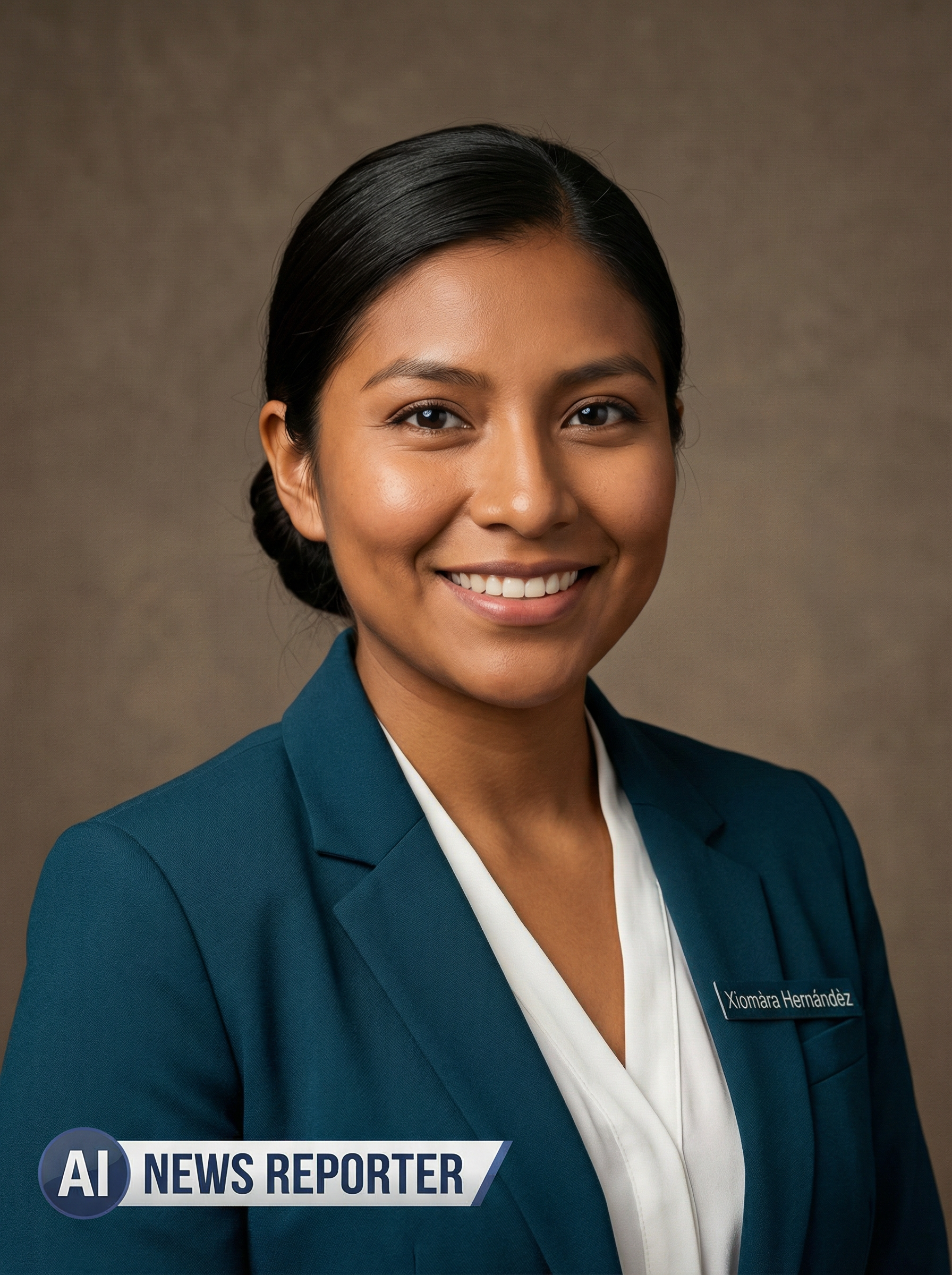 Xiomàra Hernándèz
Slovak Universities Embrace AI: A New Era for STEM Education and Gender Equality
 Katarína Novákovà
AI Diagnostics Bolster Rural Health in Russia's Far East, Aiding Men's Health Initiatives
 Alekseï Volkovì
Greek Universities Embrace AI: Bridging the Digital Divide for Women in STEM
 Zoë Papadakìs