
Slovak Universities Embrace AI: A New Era for STEM Education and Gender Equality
Slovak universities are integrating AI into STEM curricula, aiming to boost digital literacy and address gender disparities. Experts highlight the need for inclusive design and policy to ensure equitable access and opportunities for women in the burgeoning AI sector.
Click play to listen to this article read aloud using text-to-speech.
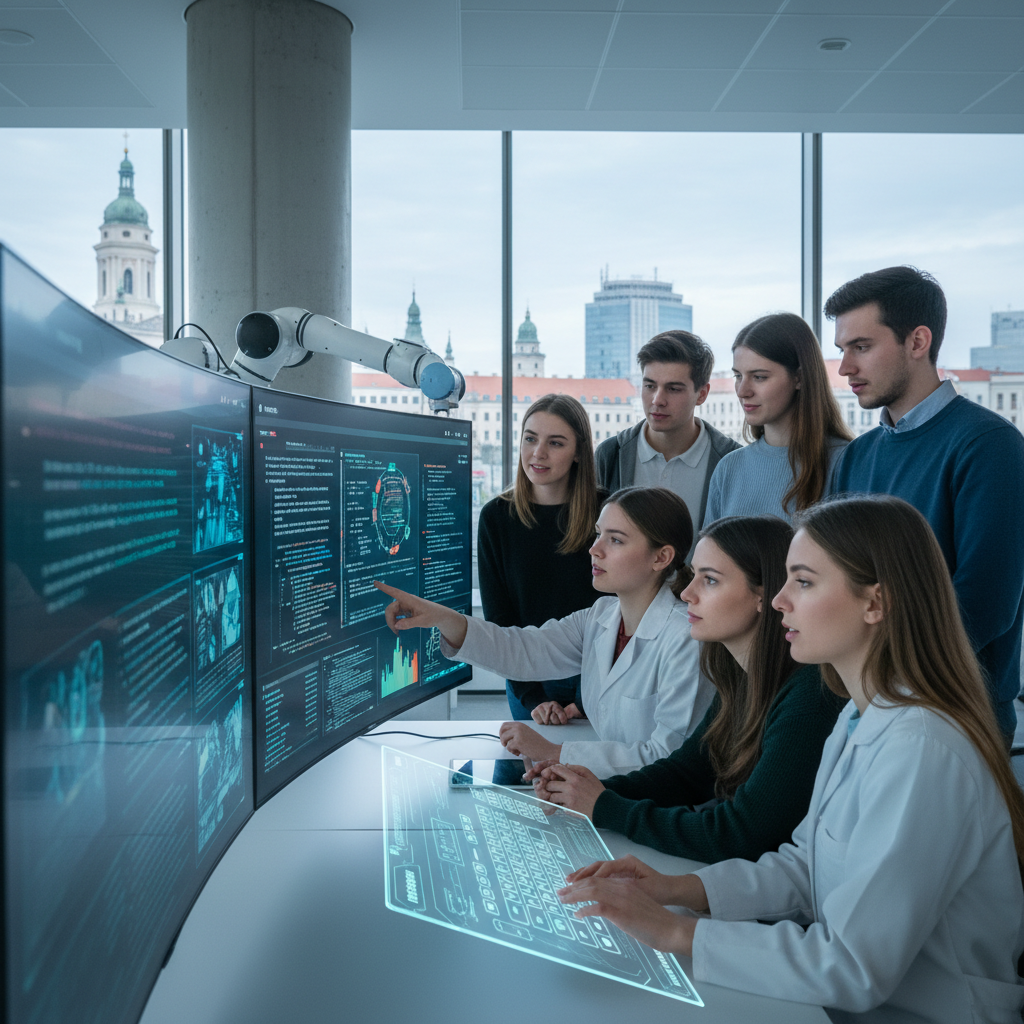
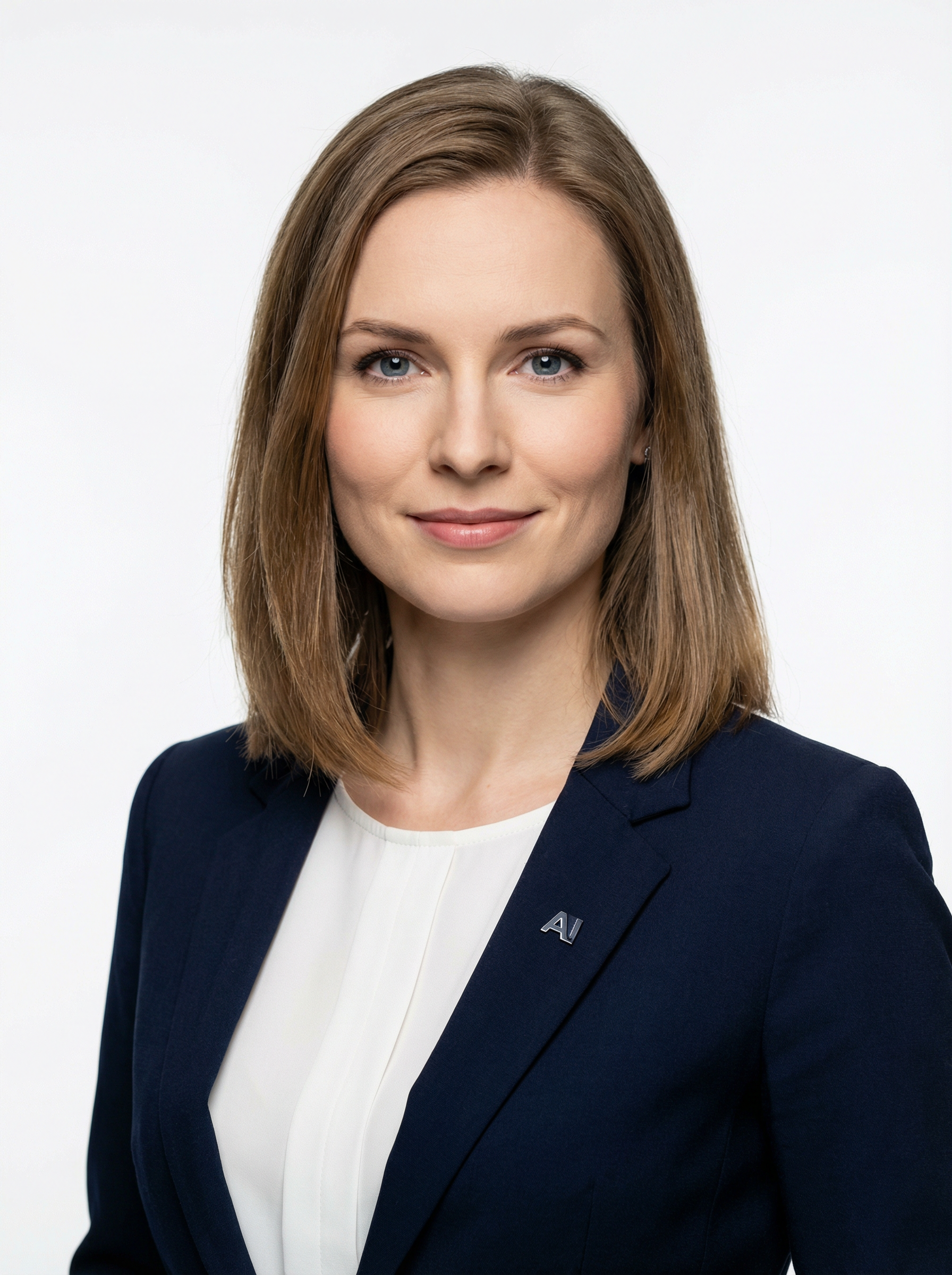
Bratislava, Slovakia – As artificial intelligence continues its rapid ascent, Slovak higher education institutions are not merely observing; they are actively shaping its integration into the academic landscape, particularly within STEM fields. This strategic pivot is crucial for Slovakia's competitiveness in the digital age, and, as a Slovak woman journalist, I find it imperative to examine how this transformation impacts gender equality in technology.
Leading the charge, the Slovak University of Technology in Bratislava (STU) recently announced a new interdisciplinary AI module, mandatory for all engineering and computer science students starting the upcoming academic year. "Our goal is to equip every graduate with a foundational understanding of AI's principles and ethical implications," stated Professor Elena Horváthová, Head of the Department of Applied Informatics at STU. "We are not just teaching coding; we are fostering critical thinkers who can navigate complex AI systems responsibly. This is especially vital for our female students, ensuring they are not just users, but creators and leaders in this space."
The initiative extends beyond technical skills. The Ministry of Education, Research, Development and Youth of the Slovak Republic has launched a grant scheme, 'Digital Future Slovakia,' specifically encouraging projects that integrate AI literacy across various disciplines, from law to humanities. "We recognize that AI's impact is pervasive," explained Dr. Monika Kováčová, State Secretary for Digitization at the Ministry. "Our focus is on creating an inclusive digital society where every Slovak citizen, regardless of gender or background, can thrive. We are actively promoting mentorship programs for young women in AI, inspired by successful models seen in Nordic countries."
However, challenges remain. While enrollment of women in STEM programs has seen a modest increase in recent years, particularly in fields like data science, the broader European trend of underrepresentation persists. "It's not enough to just offer courses," commented Dr. Zuzana Malá, a sociologist specializing in technology and gender from Comenius University. "We must address the societal biases that deter young girls from pursuing STEM from an early age. This includes redesigning curricula to be more appealing, showcasing diverse role models, and ensuring AI tools themselves are designed without inherent biases that could perpetuate inequality."
Dr. Malá emphasizes the 'pipeline problem' – the dwindling number of women at each stage of the STEM career path. "If AI is to be truly transformative and equitable, its development must reflect the diversity of our society. This means actively encouraging more Slovak women to enter, stay, and lead in AI research and industry. Their unique perspectives are invaluable in building AI that serves everyone, not just a select demographic."
As Slovakia positions itself as a hub for innovation within Central Europe, the thoughtful and inclusive integration of AI into its educational framework is not just an academic exercise; it's a societal imperative. The success of this endeavor will be measured not only by technological advancements but also by the equitable opportunities it creates for all its citizens, particularly its women, to shape the future.
Related Articles
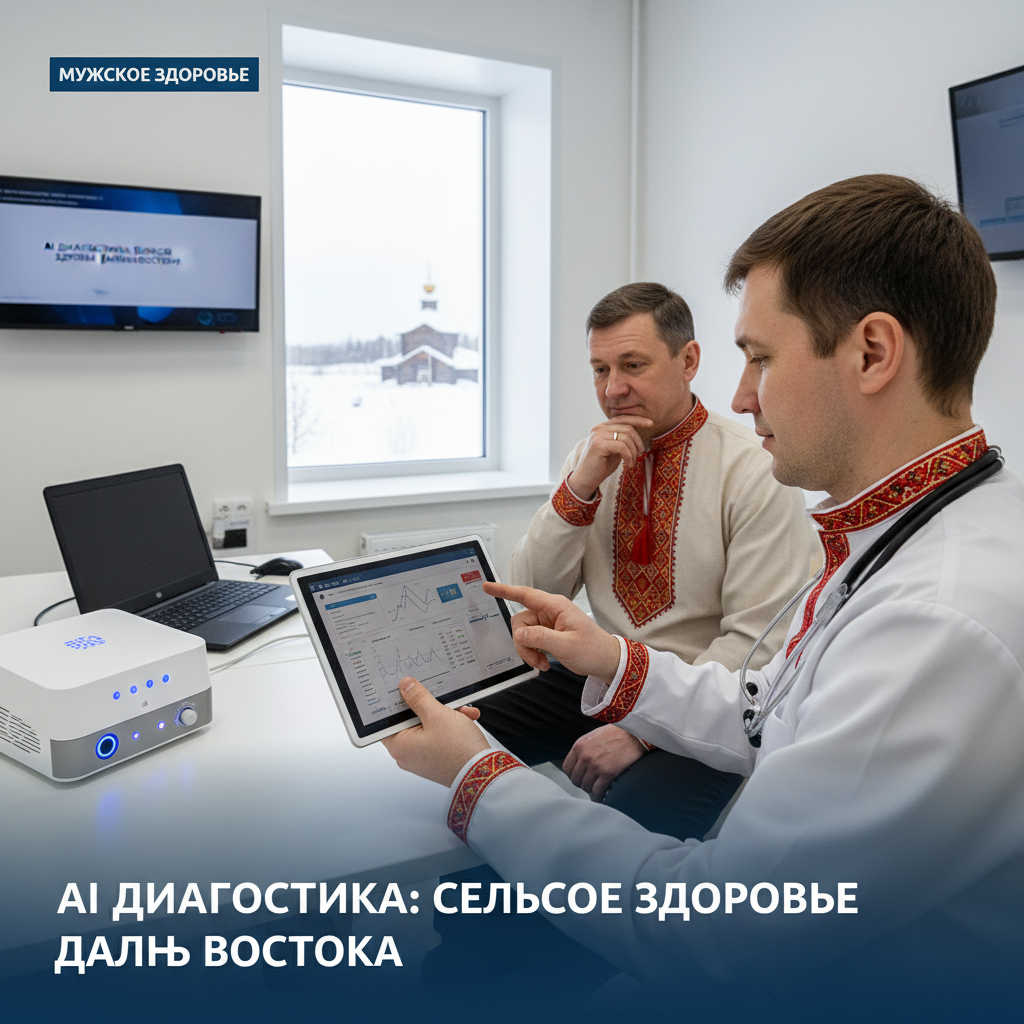
AI Diagnostics Bolster Rural Health in Russia's Far East, Aiding Men's Health Initiatives
 Alekseï Volkovì
Oslo's AI Ethics Initiative: A Nordic Model for Gender-Inclusive Development
 Ingridè Hansèn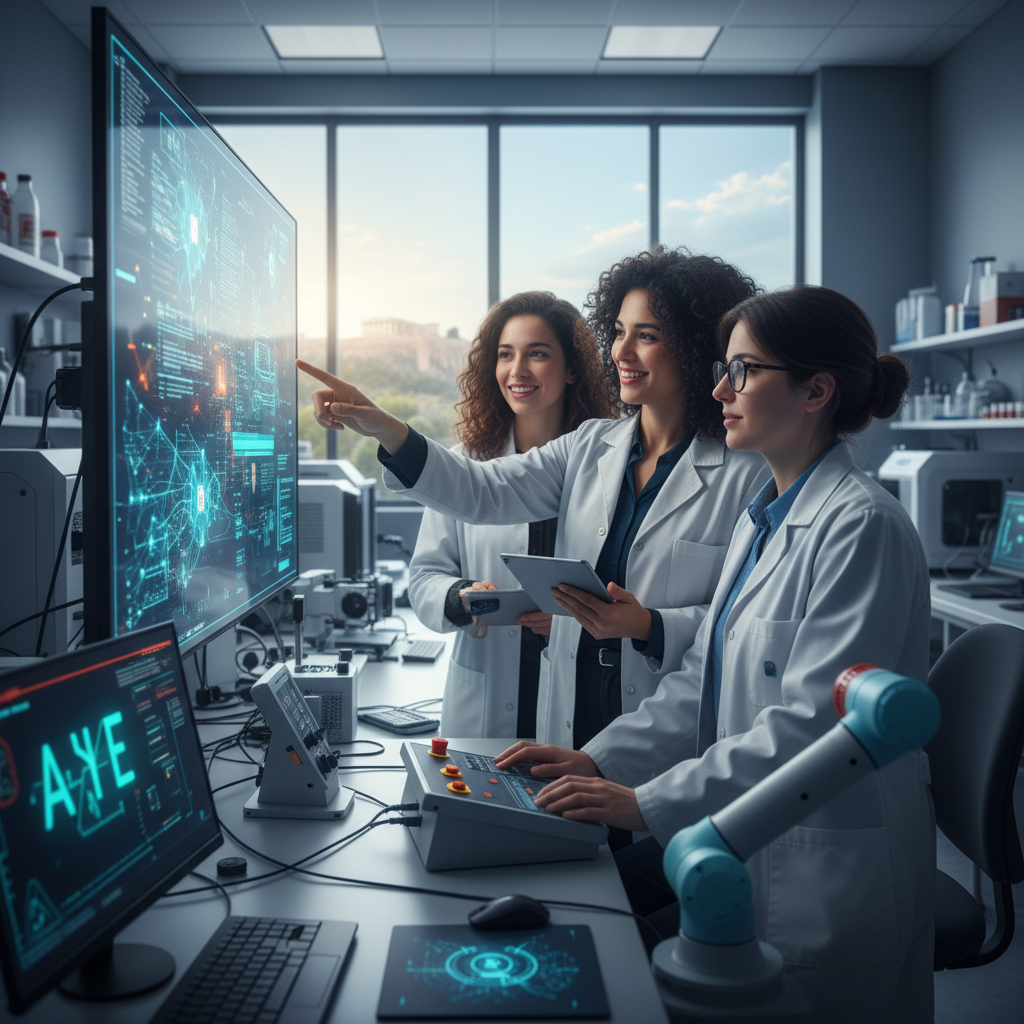
Greek Universities Embrace AI: Bridging the Digital Divide for Women in STEM
 Zoë Papadakìs
AI in Women's Health: Spain Leads with 'SaludIA' for Early Detection
 Marisolò Garcíà