
AI's 'Glass Ceiling' for Women: New Study Reveals Persistent Bias in STEM
A groundbreaking study from Stanford University reveals how AI algorithms, despite advancements, continue to perpetuate gender biases, particularly impacting Caucasian American women in STEM fields. Experts call for immediate intervention.
Click play to listen to this article read aloud using text-to-speech.


AI's 'Glass Ceiling' for Women: New Study Reveals Persistent Bias in STEM
Palo Alto, CA – April 15, 2026 – As artificial intelligence continues its rapid integration into every facet of American life, a new study from Stanford University's Institute for Human-Centered Artificial Intelligence (HAI) has brought to light a concerning trend: AI algorithms are inadvertently reinforcing and even exacerbating gender biases, particularly affecting Caucasian American women in STEM-related career paths.
The research, published this week in Nature AI, analyzed hiring algorithms, professional networking platforms, and even academic grant allocation systems used across various U.S. industries. The findings suggest that despite intentions for neutrality, historical data fed into these AI models often contains subtle, systemic biases that disadvantage women, especially those from majority ethnic groups who might be overlooked in broader diversity initiatives.
Dr. Eleanor Vance, a lead researcher on the study and a prominent figure in ethical AI development, expressed her concerns during a virtual press conference. "We observed a 'digital glass ceiling' where AI, trained on past human decisions, consistently ranked male candidates higher for leadership roles in tech, even when female candidates possessed identical or superior qualifications," Dr. Vance stated. "For Caucasian American women, who have historically navigated unique challenges in male-dominated STEM fields, this algorithmic bias adds another layer of complexity to an already uphill battle for equitable representation."
The study highlighted several key areas of impact. In one instance, an AI-powered resume screening tool, widely used by Fortune 500 companies, showed a statistically significant preference for male-coded language and career trajectories, often penalizing career breaks or non-linear paths more common among women. Furthermore, AI-driven mentorship matching platforms frequently paired young women with male mentors, rather than connecting them with senior female leaders who could offer more tailored guidance on navigating gender-specific workplace dynamics.
"This isn't about malicious intent; it's about the insidious nature of inherited bias," explained Dr. Sarah Jenkins, Director of the Women in Tech Initiative at the University of California, Berkeley. "We, as a society, have made strides in recognizing and addressing human biases. Now, we must apply that same rigor to the algorithms we create. For our daughters and granddaughters entering these fields, ensuring AI is a tool for equity, not an impediment, is paramount. We need more diverse teams building these algorithms, reflecting the very people they are meant to serve."
The Stanford report recommends immediate action, including the development of bias detection and mitigation tools, mandatory diversity audits for AI systems used in hiring and promotion, and increased funding for research into debiasing AI datasets. It also calls for greater representation of women, particularly Caucasian American women, in the design and development phases of AI technologies, ensuring a broader perspective is embedded from the ground up.
As the U.S. strives to maintain its global leadership in technology, ensuring equitable access and opportunity for all its citizens, regardless of gender or background, remains a critical challenge. The findings from Stanford serve as a stark reminder that the future of AI must be built on a foundation of fairness, not just efficiency.
Related Articles
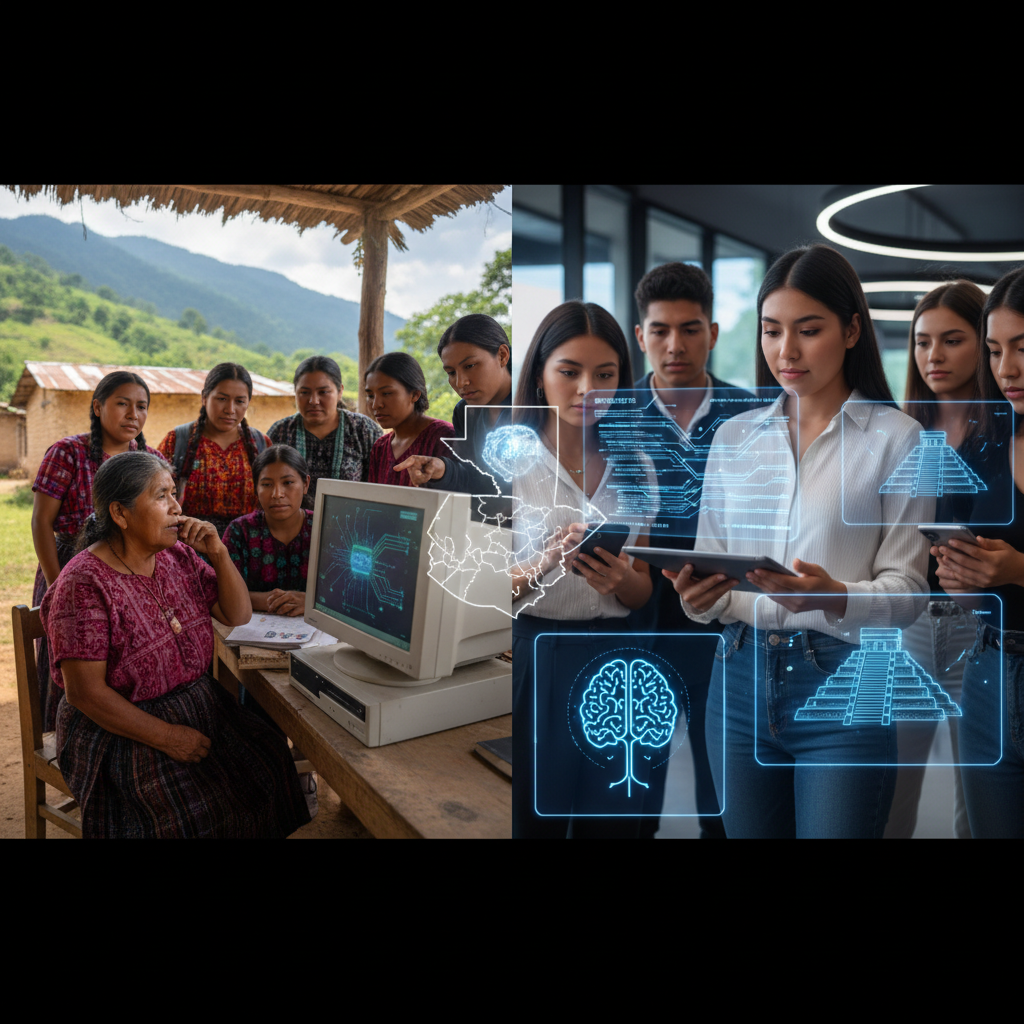
Guatemala's Digital Divide: AI's Promise and Peril for Indigenous Communities
 Xiomàra Hernándèz
Oslo's AI Ethics Initiative: A Nordic Model for Gender-Inclusive Development
 Ingridè Hansèn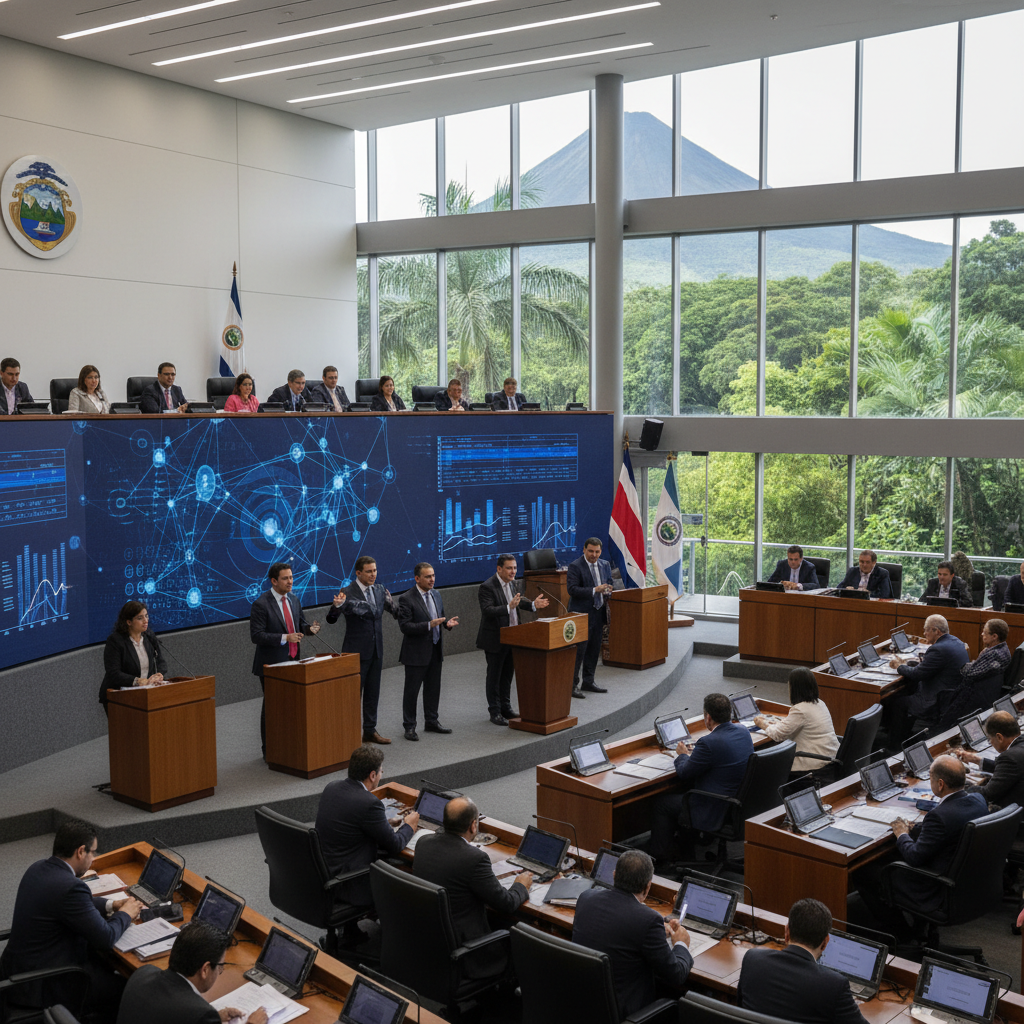
AI in the 'Pura Vida' Republic: Legislative Debate on Digital Ethics Heats Up
 Carlòs Ramirèz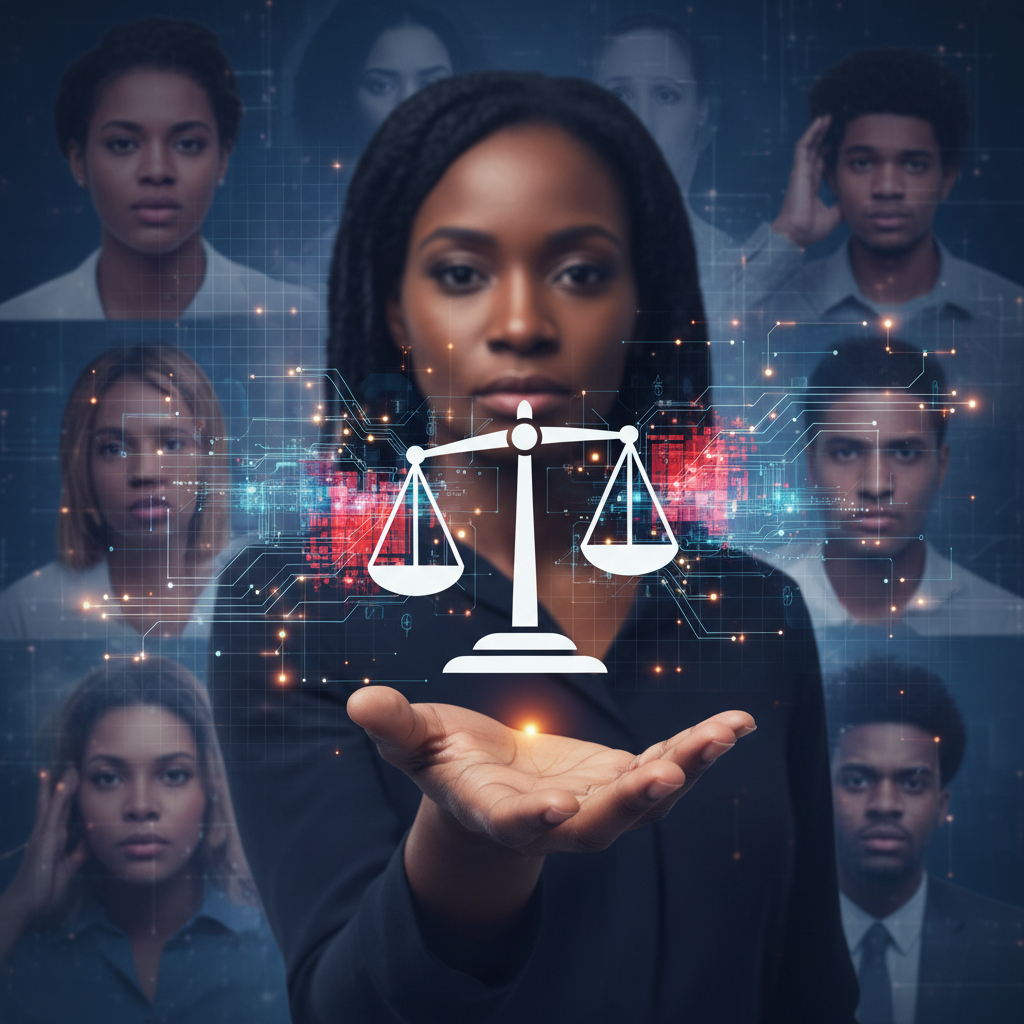
AI's Algorithmic Bias: A New Frontier for Civil Rights in Digital America
 Deshawné Thompsòn