
Burkina Faso Embraces AI for Agricultural Resilience: A Mossi Perspective
Burkina Faso is leveraging Artificial Intelligence to bolster its agricultural sector, a move crucial for food security and economic stability, particularly for our rural communities. Experts highlight AI's potential to transform traditional farming practices across the Sahel.
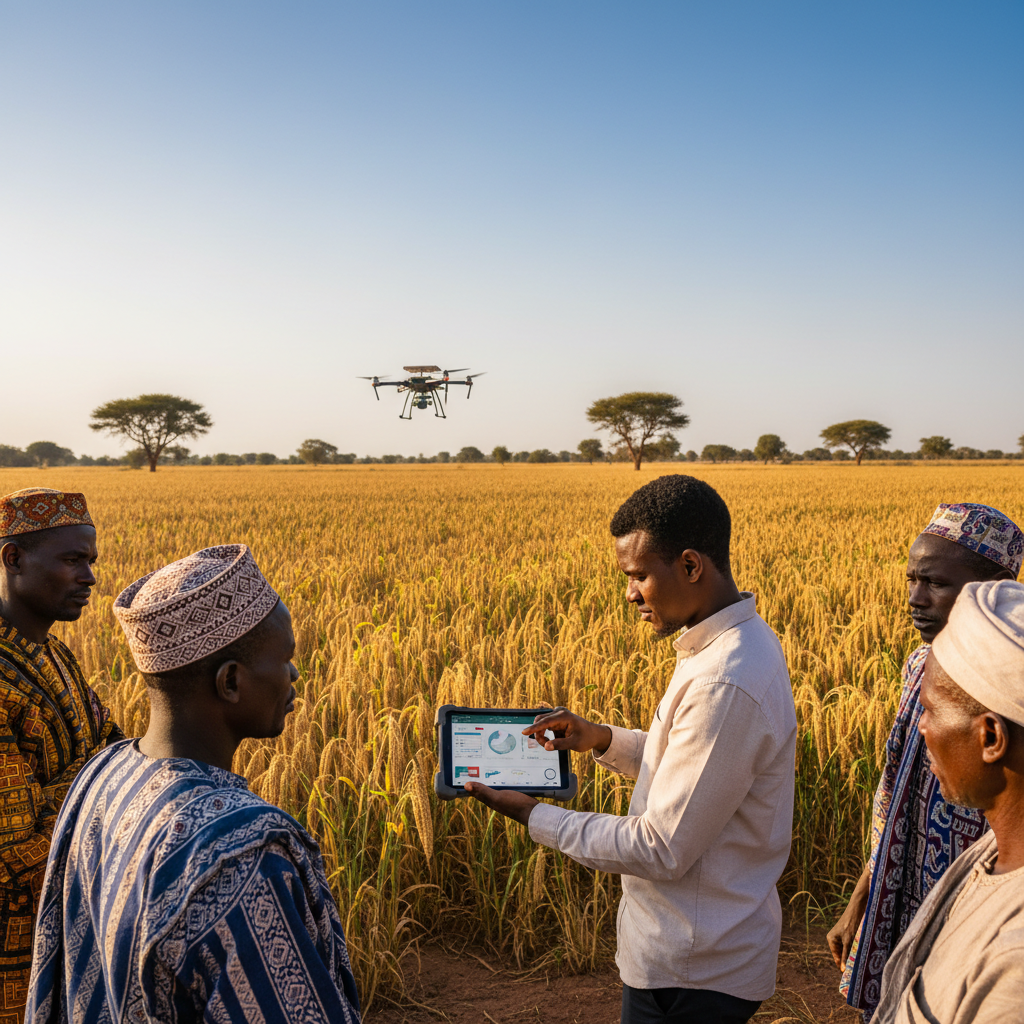

OUAGADOUGOU, Burkina Faso – In the heart of the Sahel, where the rhythm of life is inextricably linked to the land, Burkina Faso is quietly but decisively stepping into the age of Artificial Intelligence. This isn't about Silicon Valley glamour; it's about survival, resilience, and empowering our nakombse (people) through innovation, particularly in agriculture.
The Ministry of Digital Economy, Posts and Transformation announced last week a new initiative, 'AI pour l'Agri-Burkina,' aimed at deploying AI-powered solutions to enhance crop yields, predict weather patterns, and optimize resource allocation for our farmers. This program, a collaboration with the Université Joseph Ki-Zerbo and local tech incubators, seeks to integrate cutting-edge technology with our ancestral farming wisdom.
“For generations, our tengbila (farmers) have read the signs of the sky and the soil with an intuition born of deep connection. AI offers us a new lens, a scientific amplification of that wisdom,” stated Dr. Alimata Sawadogo, a leading agronomist and project lead at the National Institute of Environment and Agricultural Research (INERA), during a recent symposium in Koudougou. “Imagine an AI model, trained on decades of local climate data and soil composition from the Central Plateau, advising a farmer in Ziniaré on the optimal planting time for millet, or detecting early signs of crop disease before it devastates a field. This is not replacing human knowledge; it is enhancing it.”
The initiative focuses on several key areas: satellite imagery analysis for land use mapping and drought monitoring, predictive analytics for pest and disease outbreaks, and smart irrigation systems tailored to the arid conditions prevalent in many cantons (districts). The goal is to move beyond reactive measures to proactive, data-driven decision-making, a paradigm shift that could significantly reduce food insecurity.
Speaking to representatives from various naaba (chiefdoms) and agricultural cooperatives, Minister of Digital Economy, Posts and Transformation, Oumarou Kaboré, emphasized the importance of local ownership and cultural integration. “We are not importing solutions blindly. Our approach is koom-yelle (community-centered). We are working with our tengbila to ensure these tools are intuitive, accessible, and truly serve their needs. The technology must speak the language of our land and our people.”
Challenges remain, of course. Access to reliable internet in rural areas, digital literacy among older farmers, and the cost of implementation are significant hurdles. However, the government, alongside partners like the African Development Bank, is committed to overcoming these. Pilot projects are already underway in the Mouhoun and Comoé provinces, with promising initial results showing a 15-20% increase in yield for participating farmers.
As a Mossi man who has witnessed the ebb and flow of our agricultural fortunes, I see this as more than just a technological advancement. It is a reaffirmation of our resilience, a modern tool to safeguard our heritage, and a beacon of hope for a more food-secure future for all Burkinabè.
Related Articles
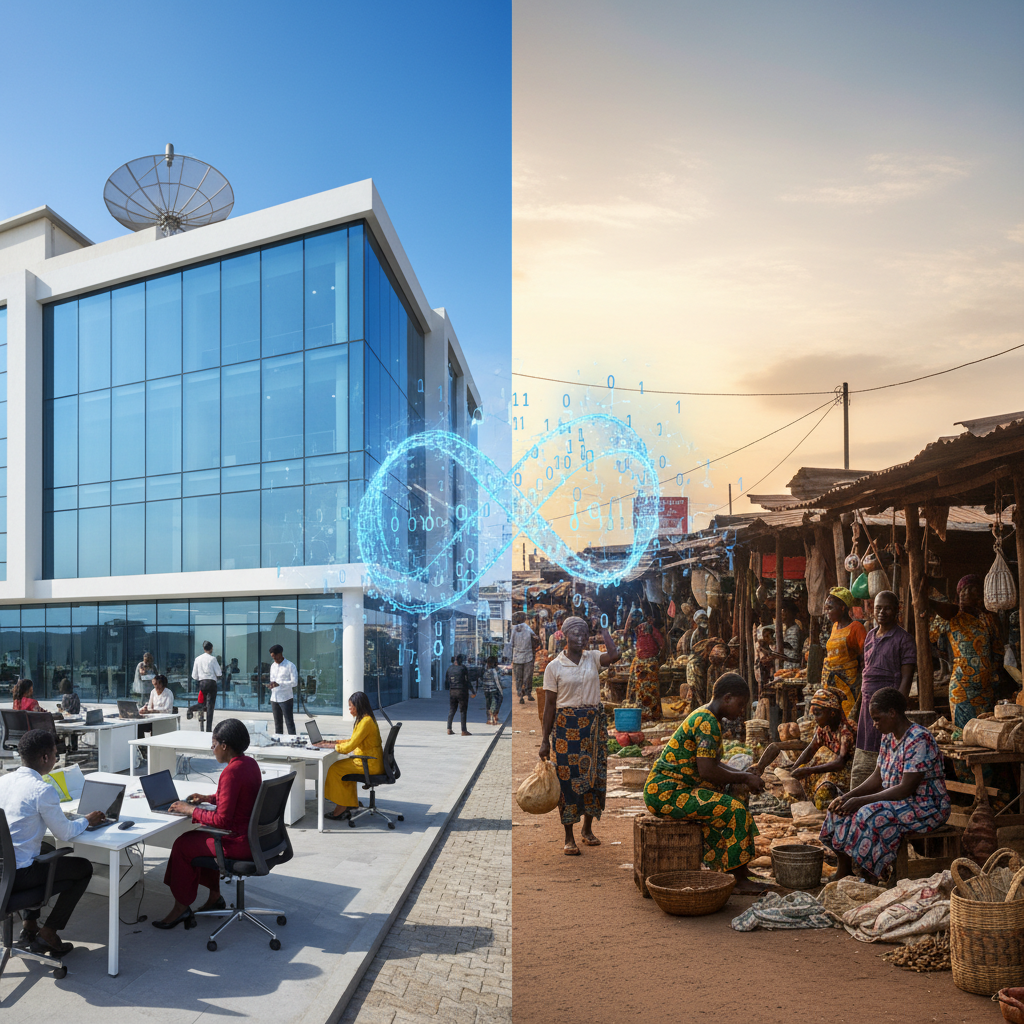
Ghana's AI Future: Balancing Innovation with 'Adwuma' for All
 Akosùa Mensàh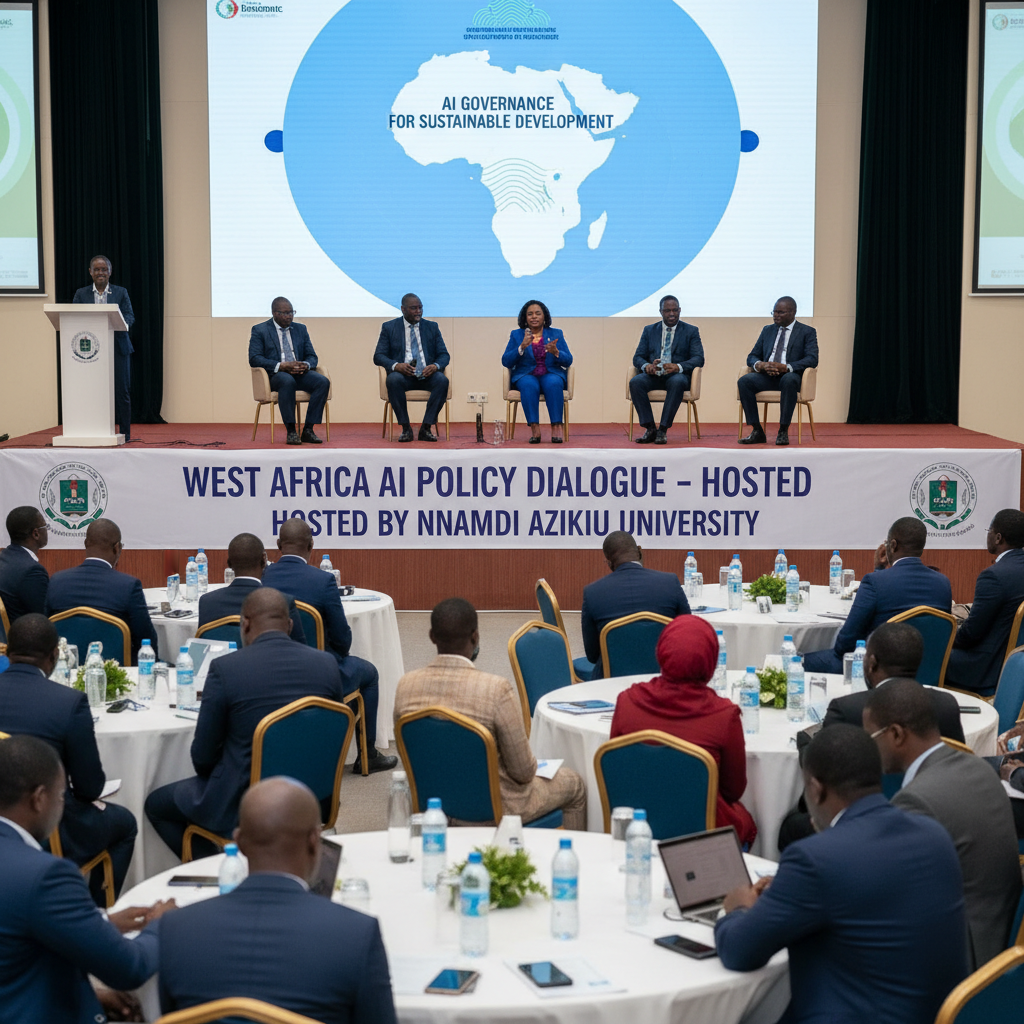
Nnamdi Azikiwe University Hosts Crucial AI Policy Dialogue for West Africa
 Chukwuemekà Obiechè
Andean Voices to Shape AI: Peru's Push for Culturally-Sensitive Digital Futures
 Ximènà Castillò
AI's Double-Edged Sword: Empowering Black Women Entrepreneurs, Yet Threatening Informal Economy
 Amahlé Ndlovù