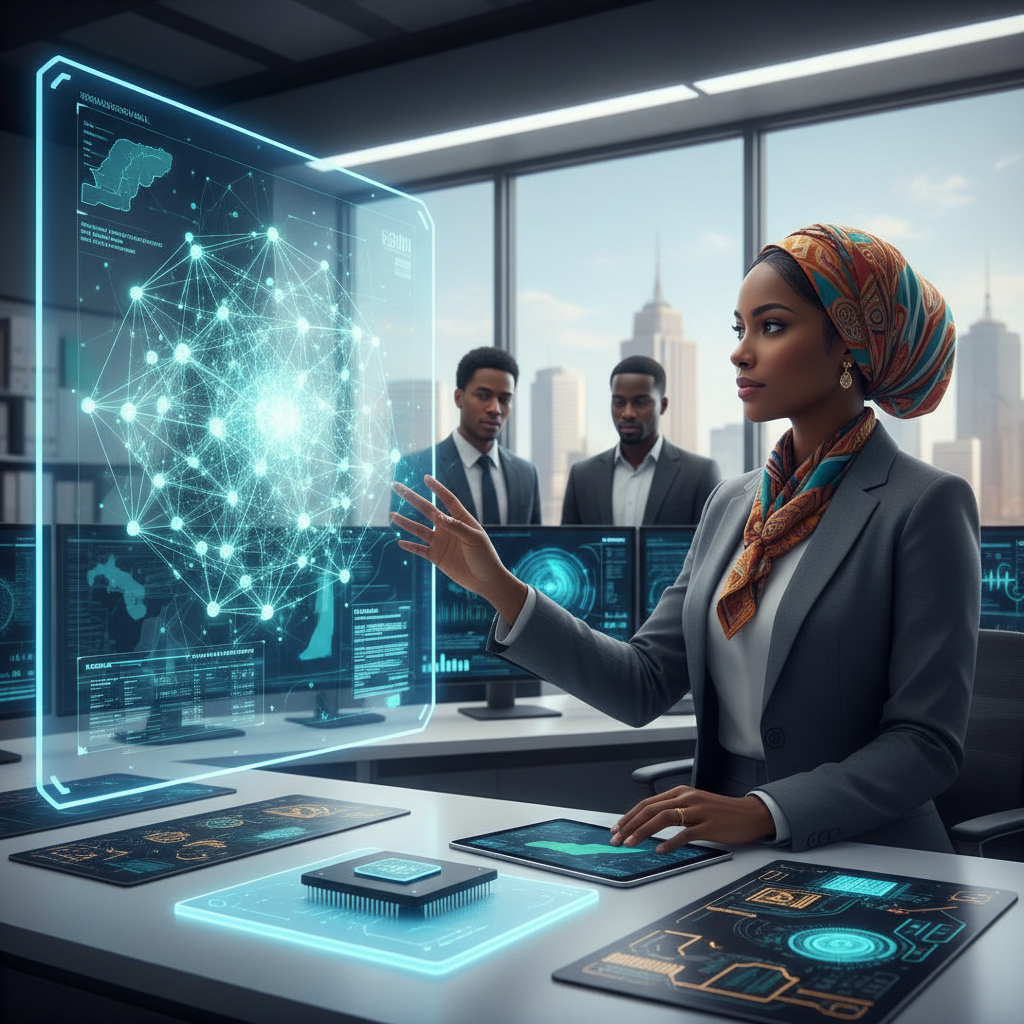
JOHANNESBURG, South Africa – April 22, 2026 – The rapid ascent of Artificial Intelligence (AI) across South Africa presents a nuanced economic landscape, particularly for Black women, who are both at the forefront of its innovative application and disproportionately vulnerable to its disruptive potential. A groundbreaking report released this week by the Thuma Mina Institute for Digital Inclusion details this complex interplay, urging policymakers to adopt a more inclusive and protective approach.
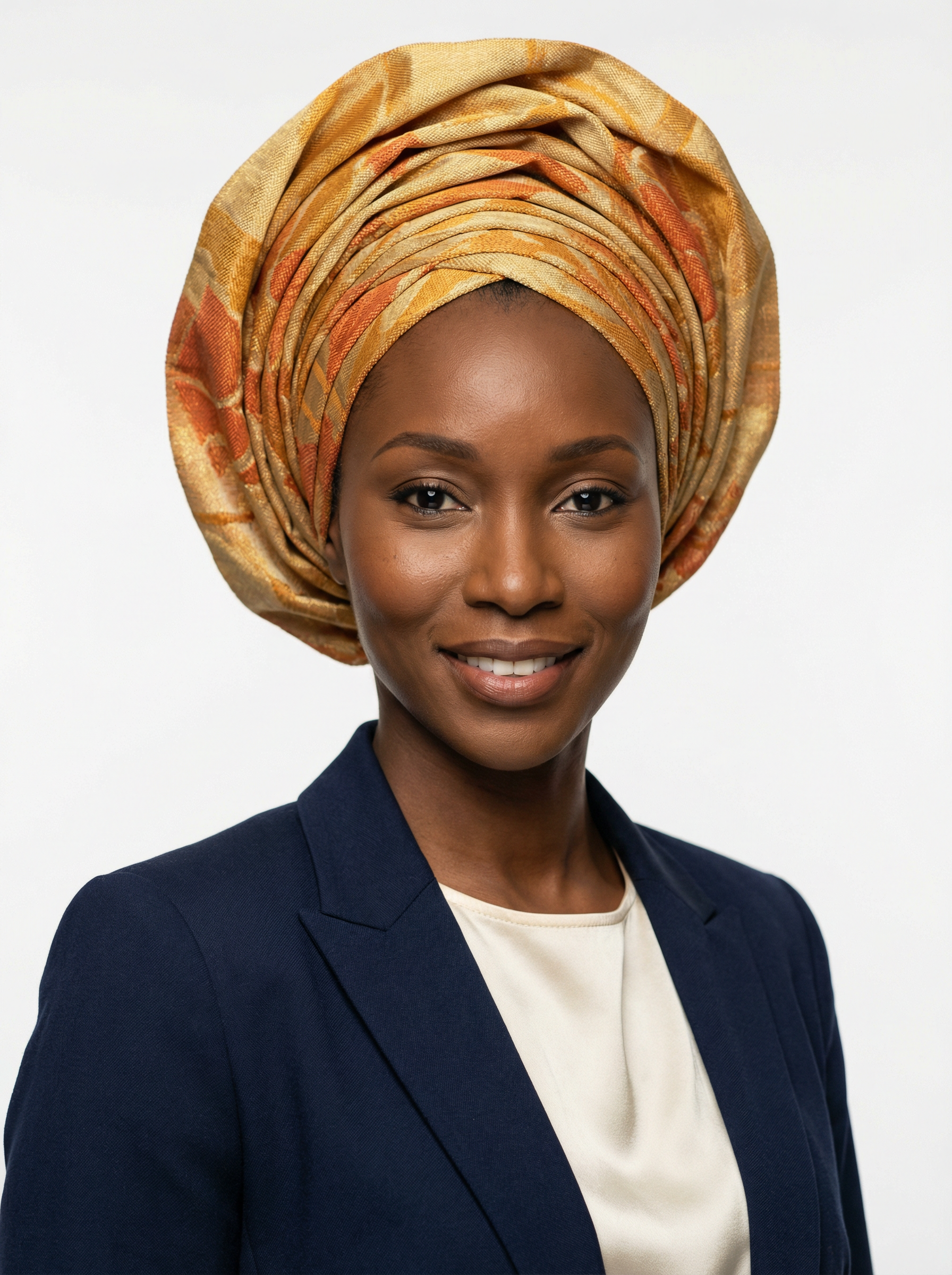
For many Black women entrepreneurs, AI has become a powerful tool for scaling businesses and accessing new markets. "We're seeing a burgeoning ecosystem of 'tech-sisters' leveraging AI for everything from personalised marketing in their stokvel-funded ventures to optimising logistics for their umqombothi (traditional beer) distribution networks," explains Dr. Naledi Mkhize, a senior economist at the Thuma Mina Institute and lead author of the report. "These innovators are not just adopting technology; they are Africanising it, creating solutions that resonate with local needs and cultural contexts."
Dr. Mkhize cites the example of 'Mam'Khosi's Kitchen', a catering business in Soweto that has used AI-driven analytics to predict demand for traditional dishes like mogodu and chakalaka, reducing waste and increasing profitability. "This is economic empowerment in action, driven by ingenuity and enabled by accessible AI tools," she adds, emphasising the potential for AI to bridge historical economic disparities.
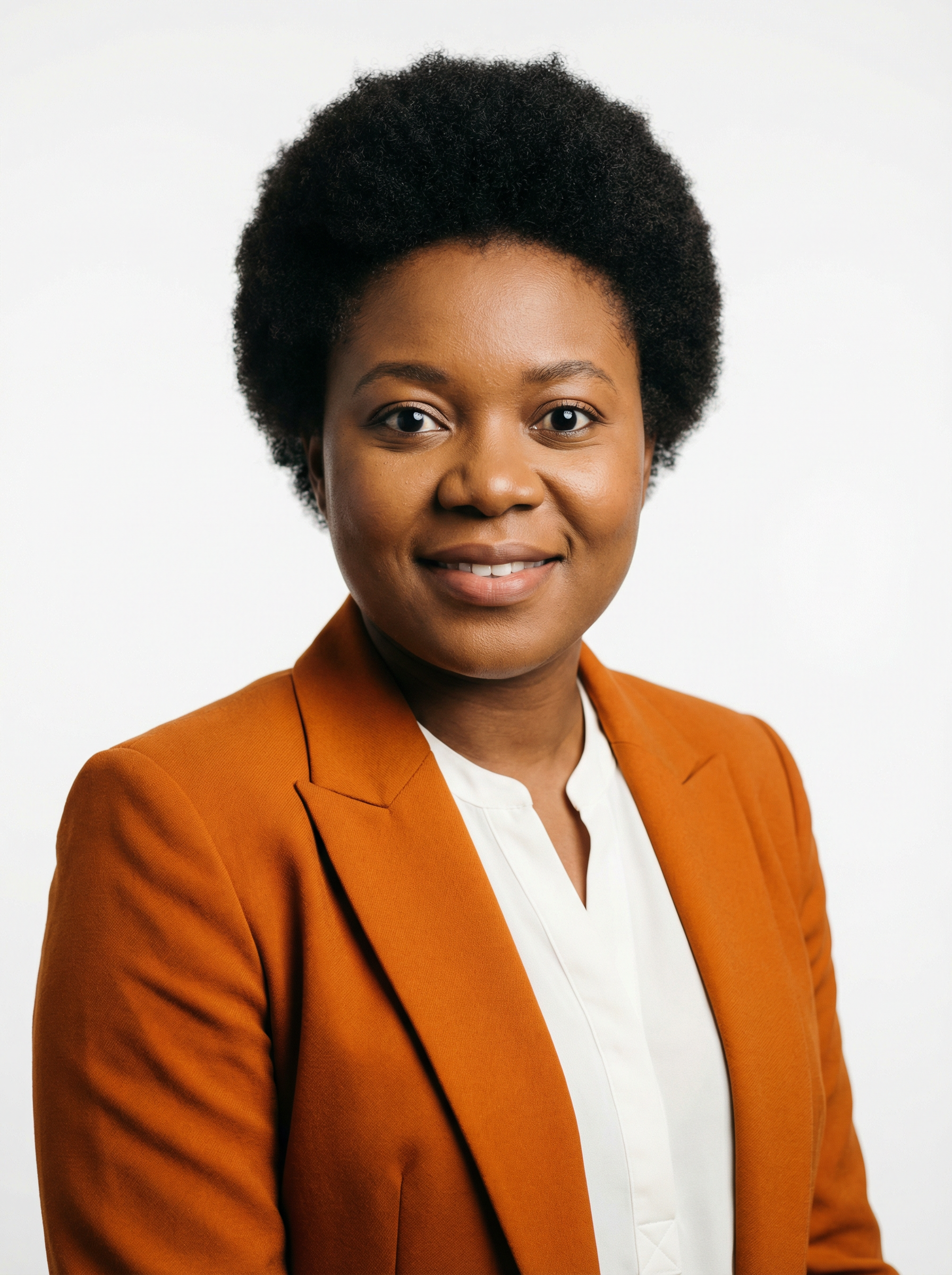
However, the report also casts a stark light on the potential for AI to exacerbate inequalities within the informal economy, a sector where Black women are overwhelmingly represented. From street vendors to domestic workers, many jobs in this vital sector are susceptible to automation or displacement by AI-powered platforms. "The 'gogo' selling vetkoek at the taxi rank, the seamstress with her small stall in the eKasi market – their livelihoods are precarious. Without deliberate interventions, AI could erode these traditional economic safety nets," warns Nomusa Dlamini, CEO of the Black Women in Business Forum (BWBF). "We cannot afford a future where technological advancement leaves our most vulnerable behind."
Ms. Dlamini advocates for robust government-led reskilling initiatives, accessible digital literacy programmes, and policies that protect informal traders. "The Department of Trade, Industry and Competition must collaborate with organisations like ours to ensure that AI integration is equitable. We need to foster an environment where AI serves as an ubuntu-driven tool for collective upliftment, not a force for further marginalisation," she asserts, highlighting the need for a uniquely South African approach to AI governance.
The report concludes with a call to action for a national AI strategy that prioritises inclusive growth, safeguards vulnerable sectors, and actively supports the innovation driven by Black women. The message is clear: AI's promise for South Africa can only be fully realised if its development and deployment are guided by principles of equity and social justice, ensuring that no one is left behind in the digital revolution.