
Andean Voices to Shape AI: Peru's Push for Culturally-Sensitive Digital Futures
Peru launches a groundbreaking initiative to integrate Indigenous knowledge into AI development, ensuring technology respects ancestral wisdom and benefits Andean communities. This move aims to prevent digital colonialism and foster inclusive innovation.
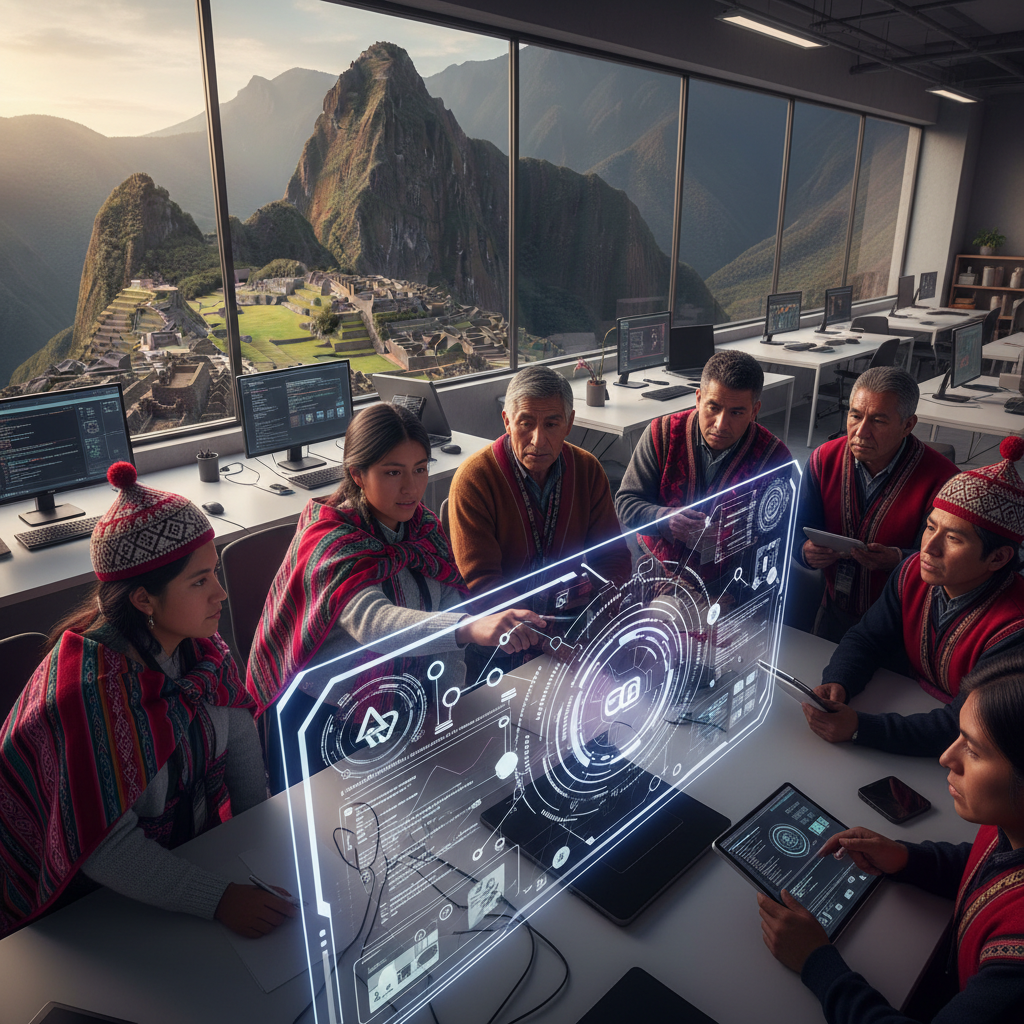

LIMA, Peru – In a bold move signaling a new era for digital inclusion, Peru has unveiled a national initiative aimed at embedding Indigenous Andean knowledge and ethical frameworks into the burgeoning field of Artificial Intelligence. This ambitious project, spearheaded by the newly formed Comisión Nacional de Inteligencia Artificial y Saberes Ancestrales (National Commission for AI and Ancestral Knowledge), seeks to ensure that AI development in the region is not only technologically advanced but also culturally resonant and equitable.
For generations, the ayllus of the Andes have preserved a rich tapestry of wisdom, from sustainable agricultural practices like andenes to intricate textile patterns that encode astronomical observations. Now, experts like Dr. Elena Quispe, a Quechua linguist and lead researcher at the Universidad Nacional Mayor de San Marcos, are advocating for these ancestral insights to inform AI algorithms. "Our worldview, rooted in Pachamama and sumaq kawsay (harmonious living), offers a vital counterpoint to purely Western-centric AI models," Dr. Quispe stated during the commission's inaugural press conference in Cusco. "Imagine AI that understands the nuances of Quechua or Aymara not just as language, but as a gateway to complex ecological knowledge."
The initiative comes at a critical juncture. As AI rapidly integrates into daily life, concerns about algorithmic bias and digital colonialism are growing, particularly in regions with diverse linguistic and cultural landscapes. "We cannot allow AI to perpetuate or exacerbate existing inequalities," remarked Minister of Technology and Communications, Ricardo Solís, a strong proponent of the project. "Our goal is to build AI por y para (by and for) Peruvians, ensuring it serves our unique developmental needs, from improving healthcare access in remote pueblos to preserving endangered Indigenous languages."
The commission plans to establish regional AI innovation hubs, starting with one in Puno, near Lake Titicaca, and another in the Sacred Valley. These hubs will bring together AI engineers, ethnographers, community leaders, and amautas (wise elders) to co-create AI solutions. One pilot project involves developing an AI-powered agricultural advisory system that integrates traditional weather prediction methods with satellite data, offering localized advice to campesinos based on their specific microclimates and crop varieties.
Critics, though few, question the feasibility of such an endeavor, citing the vast resources and technical expertise required. However, proponents like Dr. Quispe remain optimistic. "This isn't about replacing modern science with ancient traditions, but about forging a powerful tinku (encounter) between them," she explained, referencing the traditional Andean ritual battle that symbolizes a coming together for renewal. "By weaving our ancestral threads into the digital fabric, Peru can lead the way in creating an AI that truly reflects the richness of human experience, not just a segment of it. This is our opportunity to ensure AI respects our identidad and empowers our future."
Related Articles
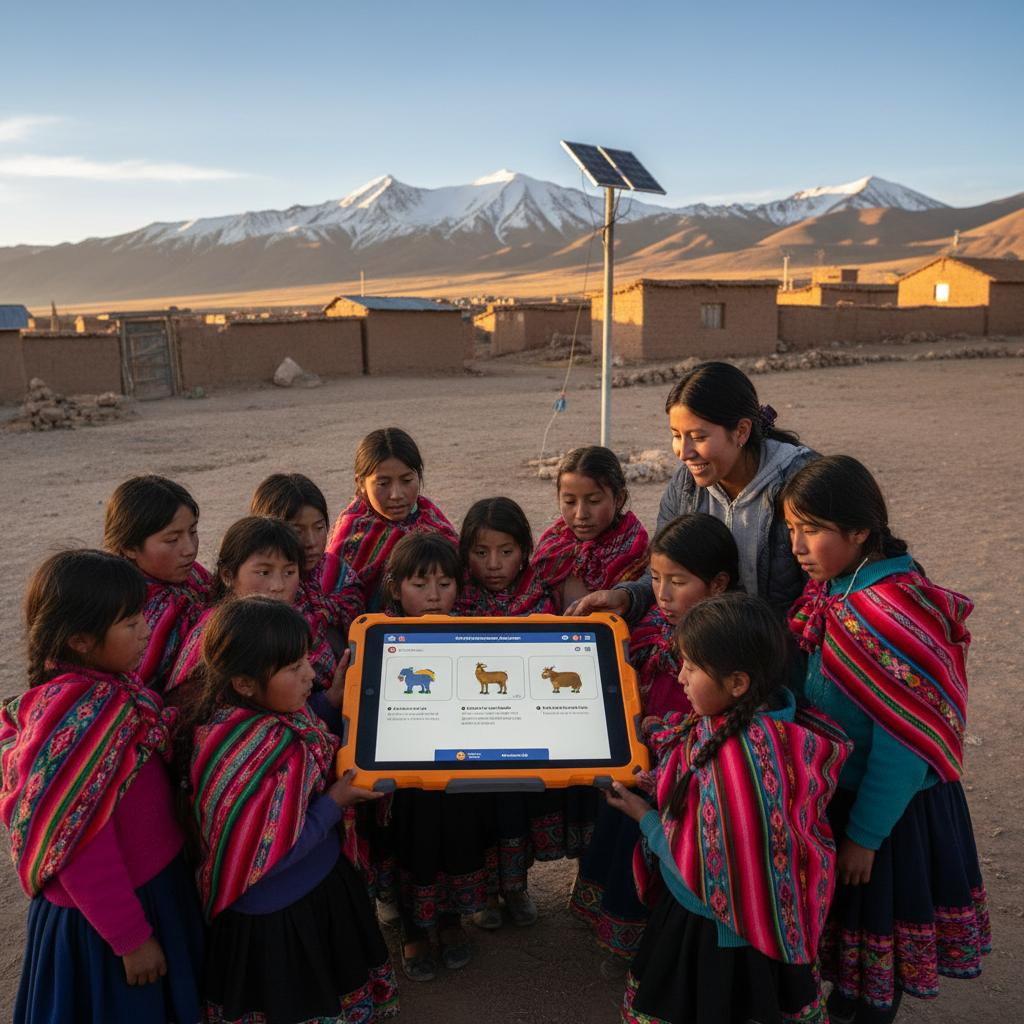
Bolivia's 'Ayni Digital' Initiative: AI Bridging Educational Divides in the Altiplano

AI na Educação: O Desafio da Formação Masculina no Brasil Digital
 Rodrigoò Silvà
Colombian Women Lead AI Ethics Debate: Ensuring Inclusivity in Digital Transformation
 Valentinà Lopèz
Arctic AI: Canada's North Embraces Indigenous-Led Digital Transformation
 Ingridè Bjornssòn