
Bolivia's 'Ayni Digital' Initiative: AI Bridging Educational Divides in the Altiplano
Bolivia launches 'Ayni Digital,' an AI-powered educational platform aimed at democratizing access to quality learning, particularly for rural and indigenous communities. This initiative seeks to empower the Bolivian man and woman through technology.
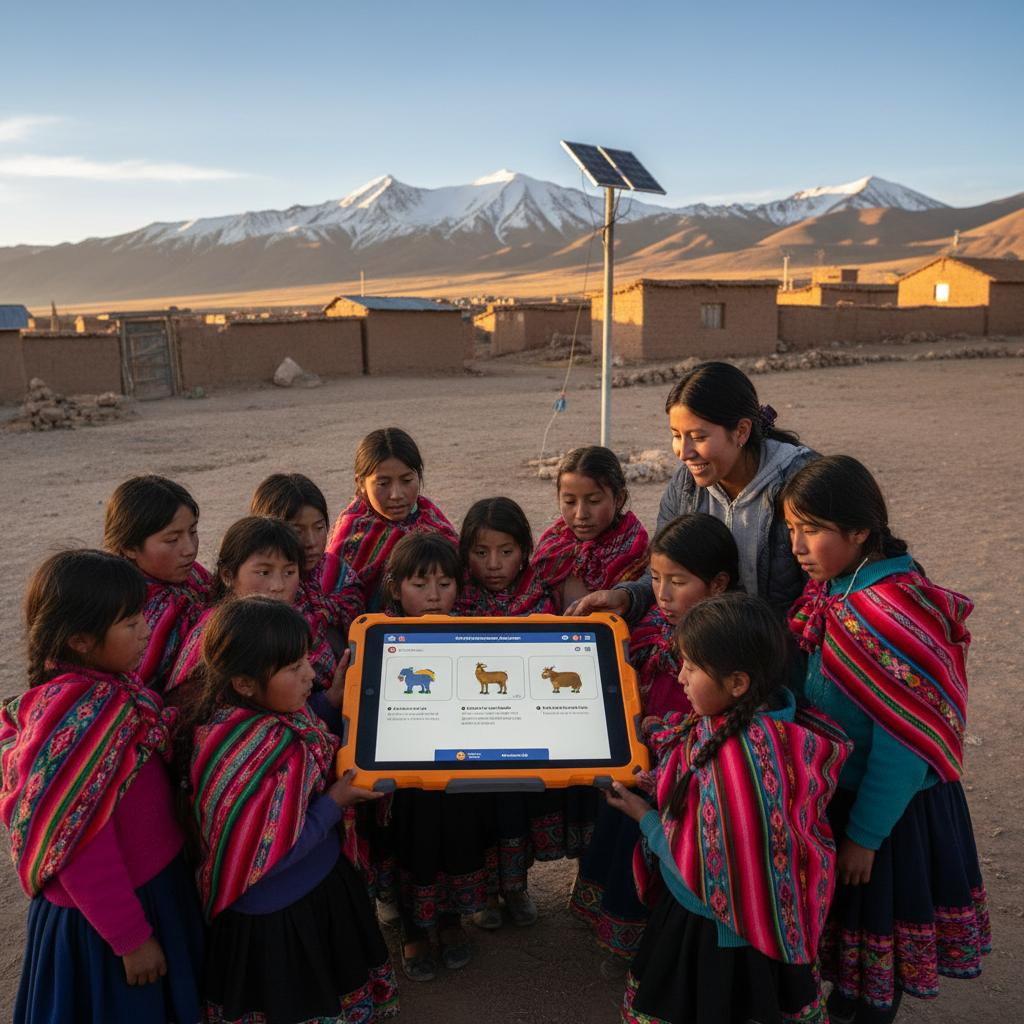
LA PAZ, Bolivia – In a bold move signaling a new era for education in the Plurinational State, the Ministry of Education, in collaboration with local tech innovators, has officially launched 'Ayni Digital.' This groundbreaking artificial intelligence-powered platform aims to revolutionize learning, especially for the often-underserved communities across our vast Altiplano and Amazonian regions.
As a Bolivian man, deeply rooted in the communal spirit of ayni – reciprocal cooperation – I see this initiative as more than just a technological upgrade; it's a reaffirmation of our ancestral values in a digital age. 'Ayni Digital' seeks to leverage AI to personalize learning experiences, offering content in Spanish, Quechua, and Aymara, tailored to the specific cultural and academic needs of students from primary to secondary levels.
During the launch event at the historic Universidad Mayor de San Andrés (UMSA) in La Paz, Minister of Education, Dr. Eliana Mamani, emphasized the project's core philosophy. "Our children, whether they are in El Alto or in a remote community near Lake Titicaca, deserve access to the best educational tools," she stated, her voice resonating with a clear vision for an inclusive future. "'Ayni Digital' is our commitment to ensuring that no Bolivian child, no Bolivian man or woman, is left behind in the digital revolution. It's about empowering them with knowledge, adapting to their reality, and preserving our linguistic diversity."
The platform incorporates adaptive learning algorithms that assess student progress and recommend personalized modules. It also features an AI tutor, dubbed 'Amauta Digital' (Digital Teacher), which provides instant feedback and explanations. This is particularly crucial in areas where qualified teachers are scarce, a persistent challenge in our rural provincias.
Dr. Roberto Quispe, a leading expert in computational linguistics at UMSA and a key architect of the platform, elaborated on the technical aspects. "We've trained our AI models on vast datasets of Bolivian educational materials and indigenous languages," he explained. "The goal is not to replace the human teacher, but to augment their capabilities, providing them with powerful tools to manage diverse classrooms and identify students who need extra support. It's a digital complemento to our traditional educational system."
The initial phase of 'Ayni Digital' will be piloted in 50 schools across La Paz, Oruro, and Potosí departments, focusing on mathematics and natural sciences. The Ministry plans a nationwide rollout by early 2027, contingent on the success of the pilot and securing further international funding. Challenges remain, particularly concerning internet connectivity in remote areas and teacher training on how to effectively integrate AI into their pedagogy. However, the enthusiasm from educators and community leaders is palpable.
For the Bolivian man, whose resilience and ingenuity have shaped this nation, 'Ayni Digital' represents a beacon of hope. It's a testament to our capacity to embrace modernity while honoring our heritage, ensuring that the next generation is equipped not just with knowledge, but with the digital literacy essential for thriving in the 21st century. This is a step towards true educational autonomía for every Bolivian.
Related Articles
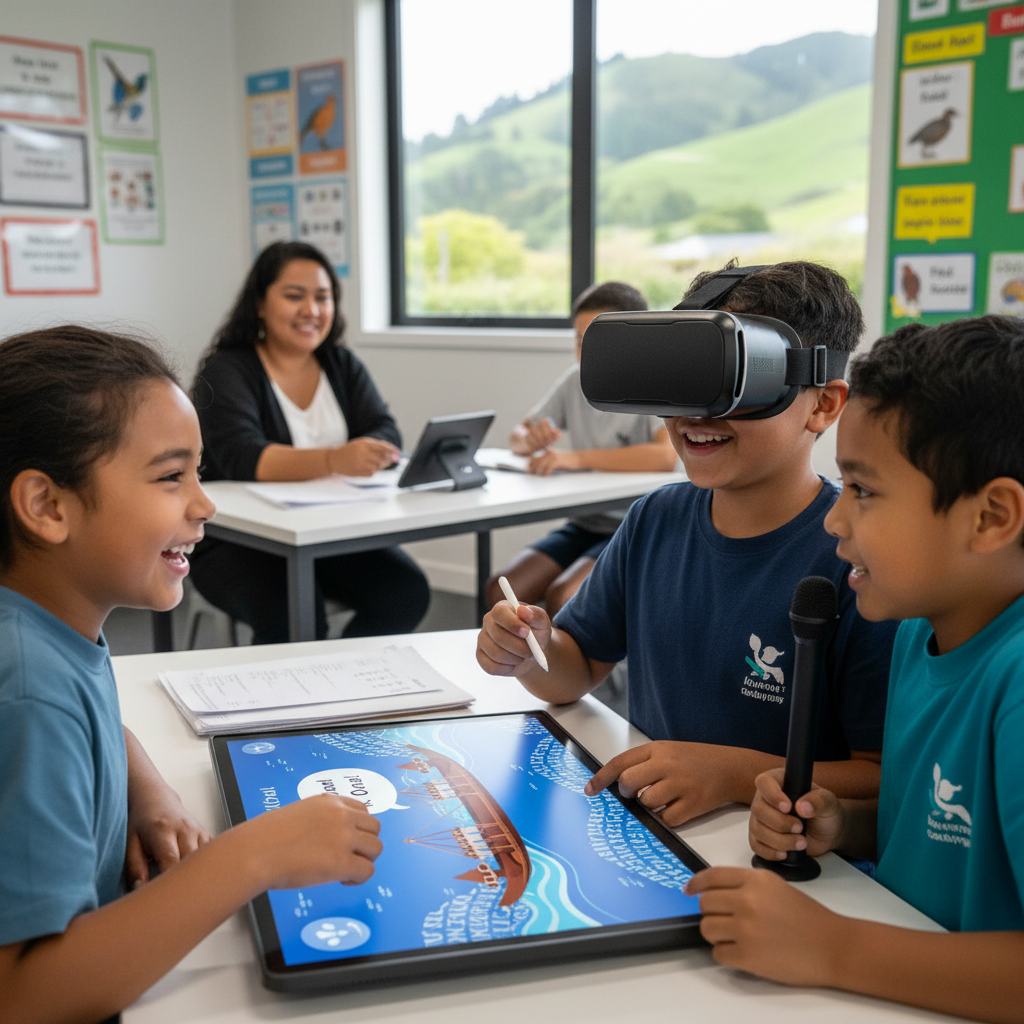
Te Reo AI: Bridging Digital Divides for Māori Tamariki in Education
 Arohà Ngàta
AI na Liderança Feminina: Desafios e Oportunidades no Cenário Corporativo Brasileiro
 Fernandà Oliveirà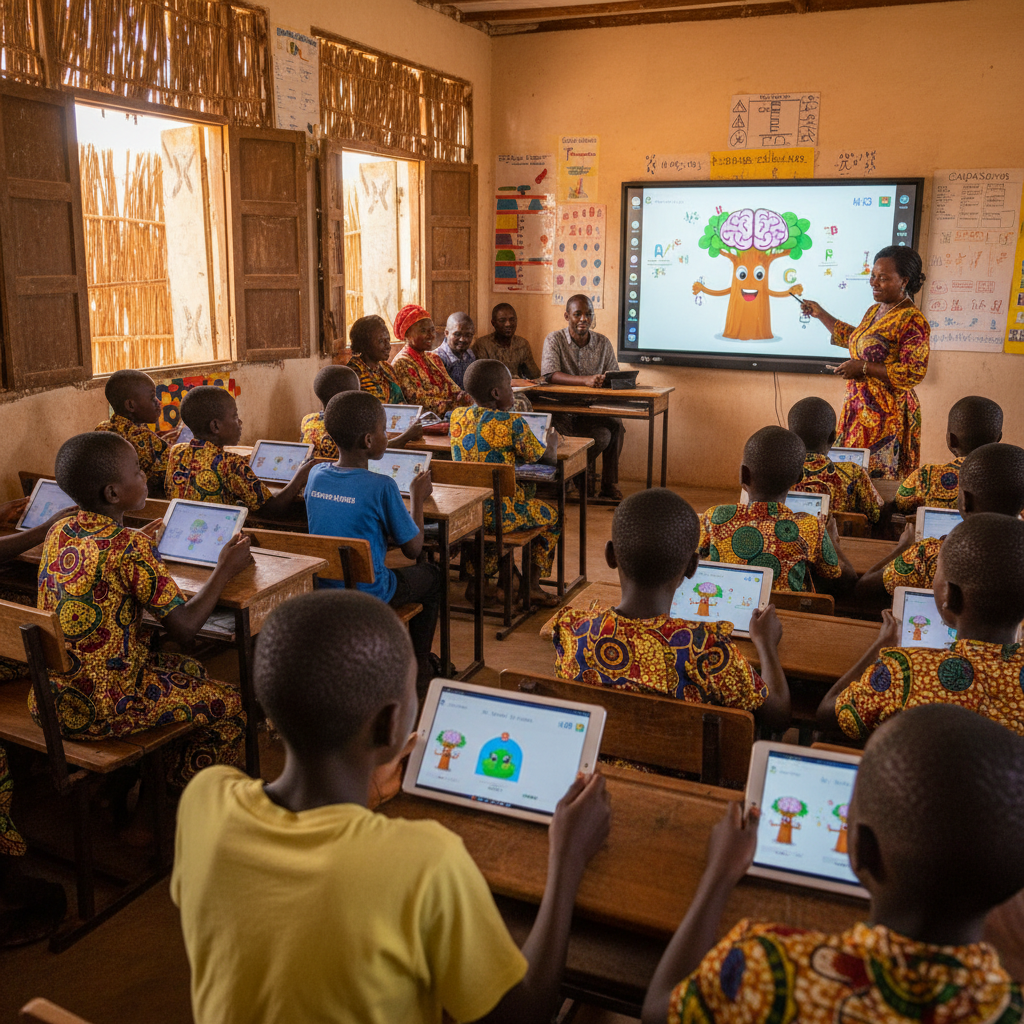
Burkina Faso Embraces AI for Education: A New Dawn for 'Bõnga' Learning
 Idrissà Ouédraogò
AI na Educação: O Desafio da Formação Masculina no Brasil Digital
 Rodrigoò Silvà