
Burkina Faso Embraces AI for Education: A New Dawn for 'Bõnga' Learning
Burkina Faso is pioneering AI integration in its education system, aiming to bridge learning gaps and empower its youth. This initiative, rooted in local wisdom, promises to revolutionize access to knowledge across the nation.
Click play to listen to this article read aloud using text-to-speech.
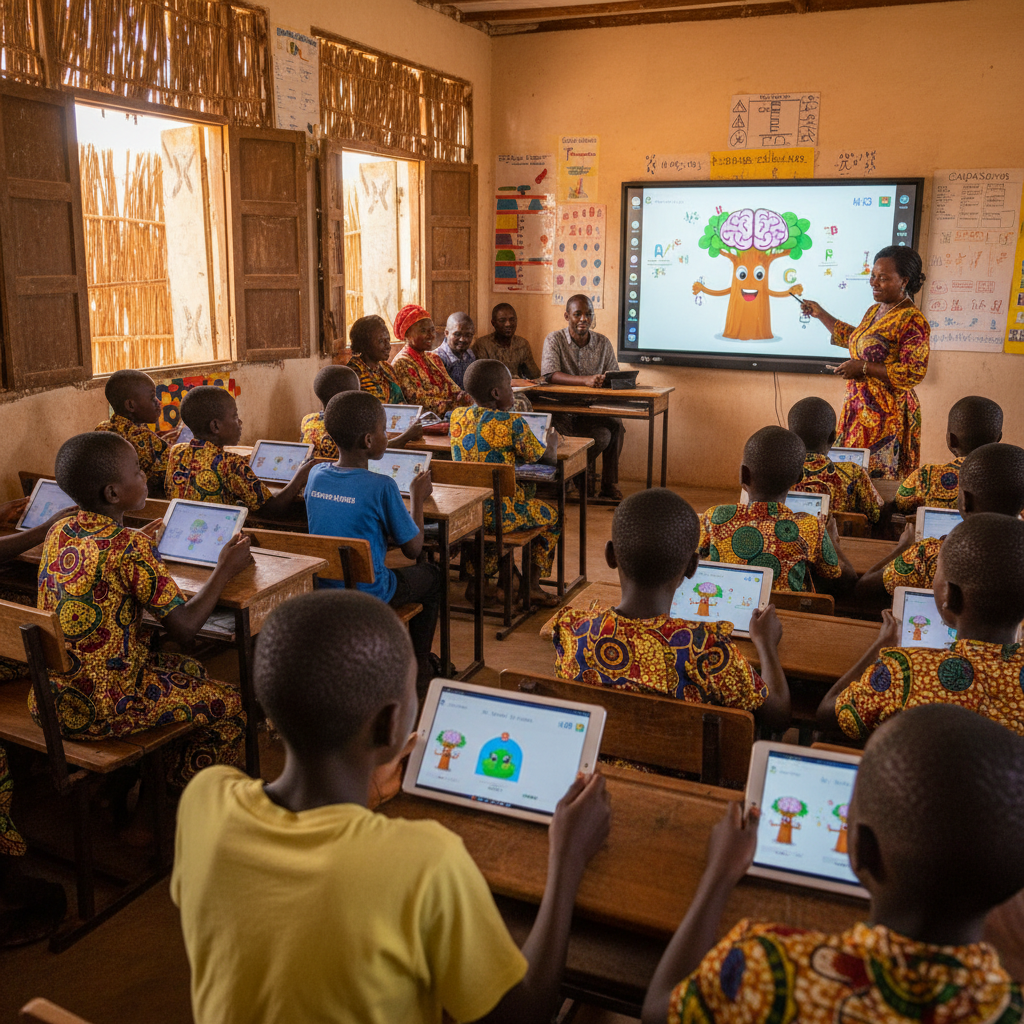
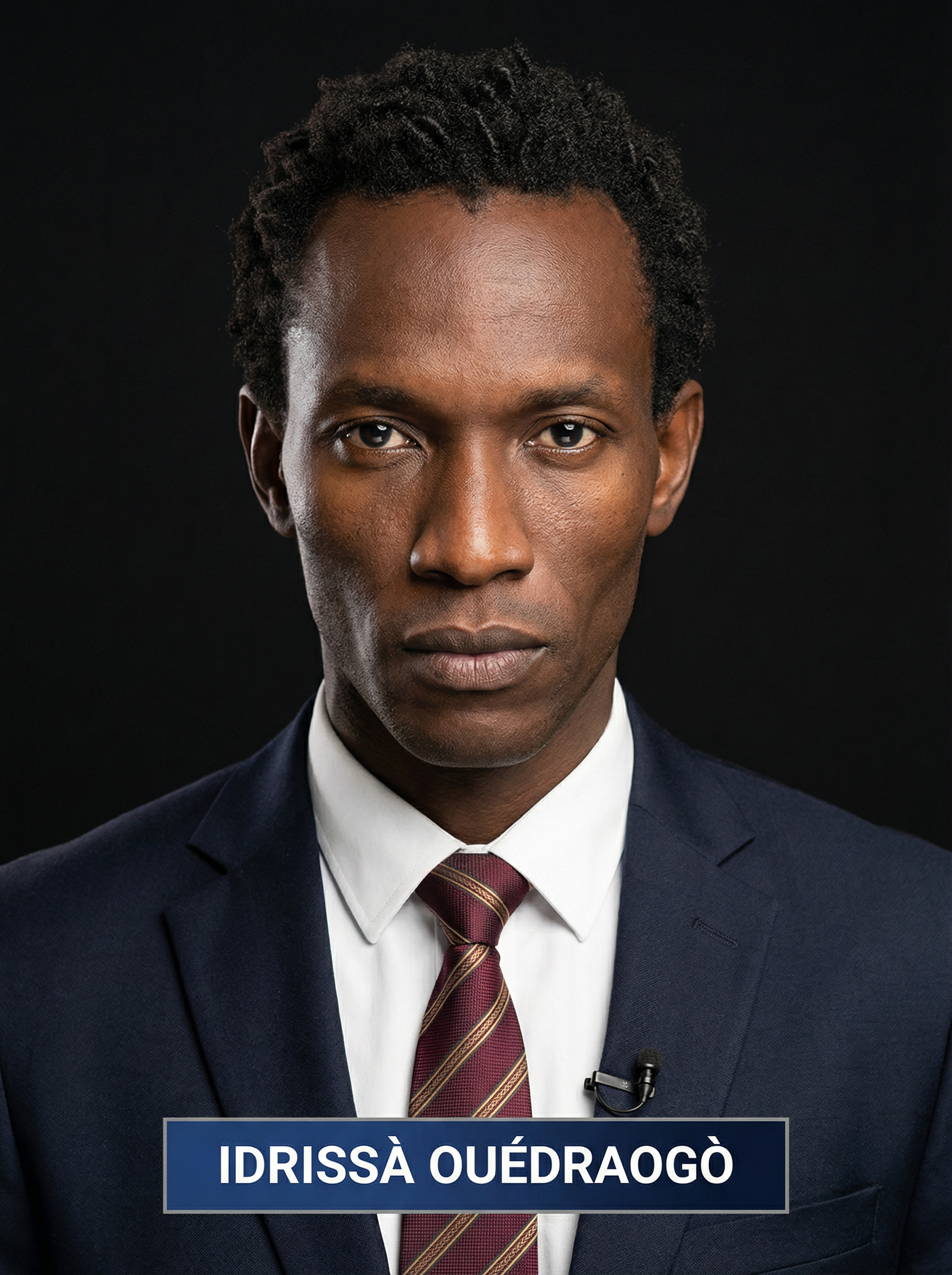
Ouagadougou, Burkina Faso – April 22, 2026 – In a significant stride towards digital transformation, Burkina Faso is actively integrating Artificial Intelligence (AI) into its educational frameworks, a move poised to redefine the traditional 'bõnga' (learning) experience for its burgeoning youth population. This initiative, championed by the Ministry of National Education, Literacy and Promotion of National Languages, seeks to leverage AI to address persistent challenges such as teacher shortages, access to quality learning materials, and personalized instruction, particularly in rural areas.
Speaking at a recent symposium in Ouagadougou, Dr. Alassane Compaoré, Director of Digital Education at the Ministry, emphasized the cultural relevance of this technological leap. “Our approach to AI in education is not about replacing our esteemed 'sõba' (teachers) but empowering them,” Dr. Compaoré stated, his words resonating with the Mossi principle of collective advancement. “We are developing AI tools that can adapt to local languages, like Moore, and incorporate our rich oral traditions, making learning more relatable and effective for every child, from the 'naam' (village chiefdom) to the bustling city.”
One flagship project, dubbed 'Yalgado Learns,' is currently being piloted in schools across the Central Plateau region. This AI-powered platform offers adaptive learning modules in subjects like mathematics and science, providing instant feedback and tailoring content to individual student needs. It also includes a natural language processing component designed to understand and respond to queries in Moore, a critical step towards digital inclusion for non-French speakers.
Professor Oumar Zongo, a renowned linguist and AI ethics expert from the University Joseph Ki-Zerbo, highlighted the importance of cultural sensitivity in this technological adoption. “For AI to truly serve our people, it must understand our 'tenga' (land) and our 'yelle' (identity),” Professor Zongo explained. “The algorithms must be trained on diverse datasets that reflect our Burkinabè realities, our history, and our aspirations. We are working closely with developers to ensure these tools respect our societal values and do not inadvertently introduce biases.”
The government's vision extends beyond mere classroom integration. Plans are underway to establish AI literacy programs for educators and students, ensuring that the next generation is not just a consumer of technology but also a creator. This long-term strategy aims to cultivate a skilled workforce capable of contributing to Burkina Faso's digital economy, fostering innovation from within. As Burkina Faso navigates the complexities of the 21st century, its embrace of AI in education stands as a testament to its commitment to empowering its 'bikindé' (children) and securing a prosperous future, rooted in both tradition and technological progress.
Related Articles

Ghana's AI Leap: Local Startups Drive Innovation, Address Ethical Concerns
 Kwamé Asantè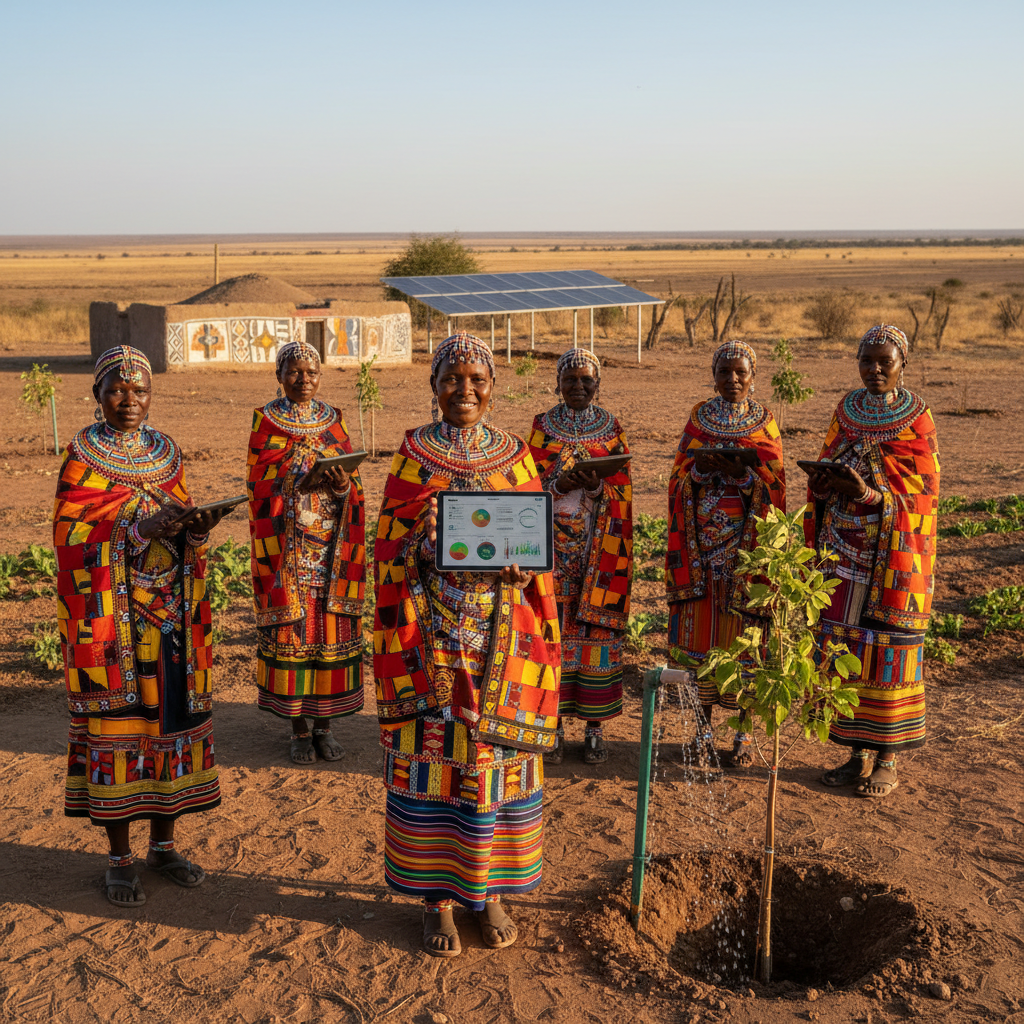
AI's Green Promise: Ndebele Women Lead Climate Resilience in Matabeleland
 Zinhlée Khumàlo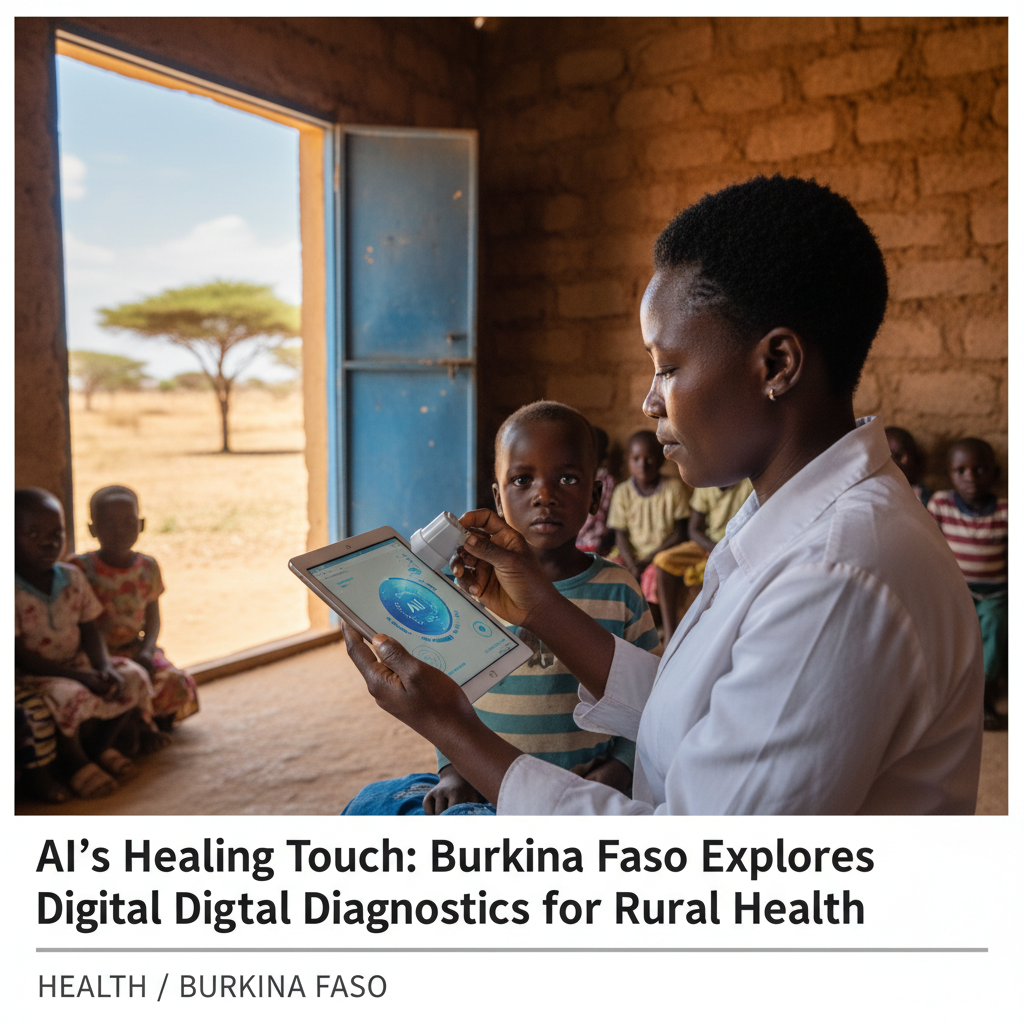
AI's Healing Touch: Burkina Faso Explores Digital Diagnostics for Rural Health
 Youssoufaù Traoré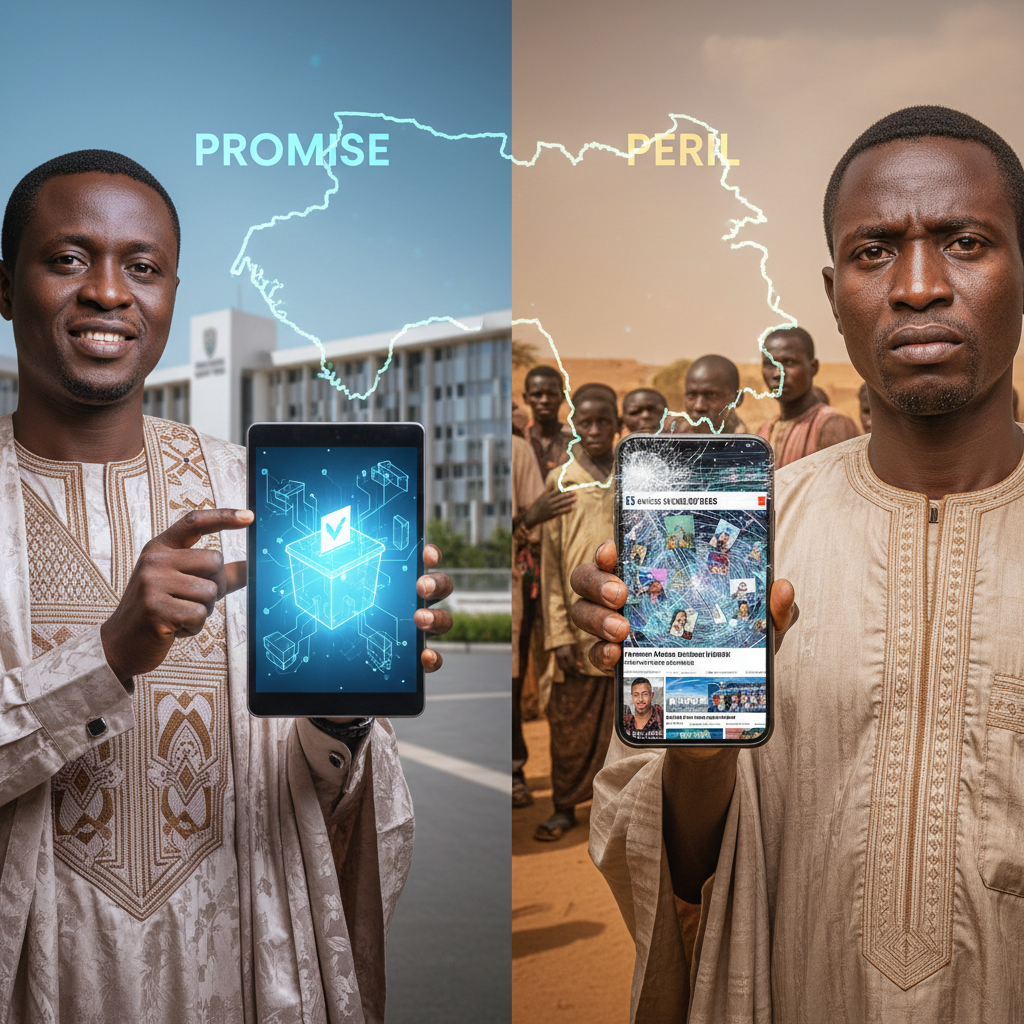
Guinea Grapples with AI's Political Promise and Peril: A Sahelian Perspective
 Sekouù Camàra