
AI's Green Promise: Ndebele Women Lead Climate Resilience in Matabeleland
Artificial Intelligence is emerging as a powerful ally in Zimbabwe's fight against climate change, with Ndebele women at the forefront of integrating these technologies into traditional ecological practices for enhanced resilience.
Click play to listen to this article read aloud using text-to-speech.
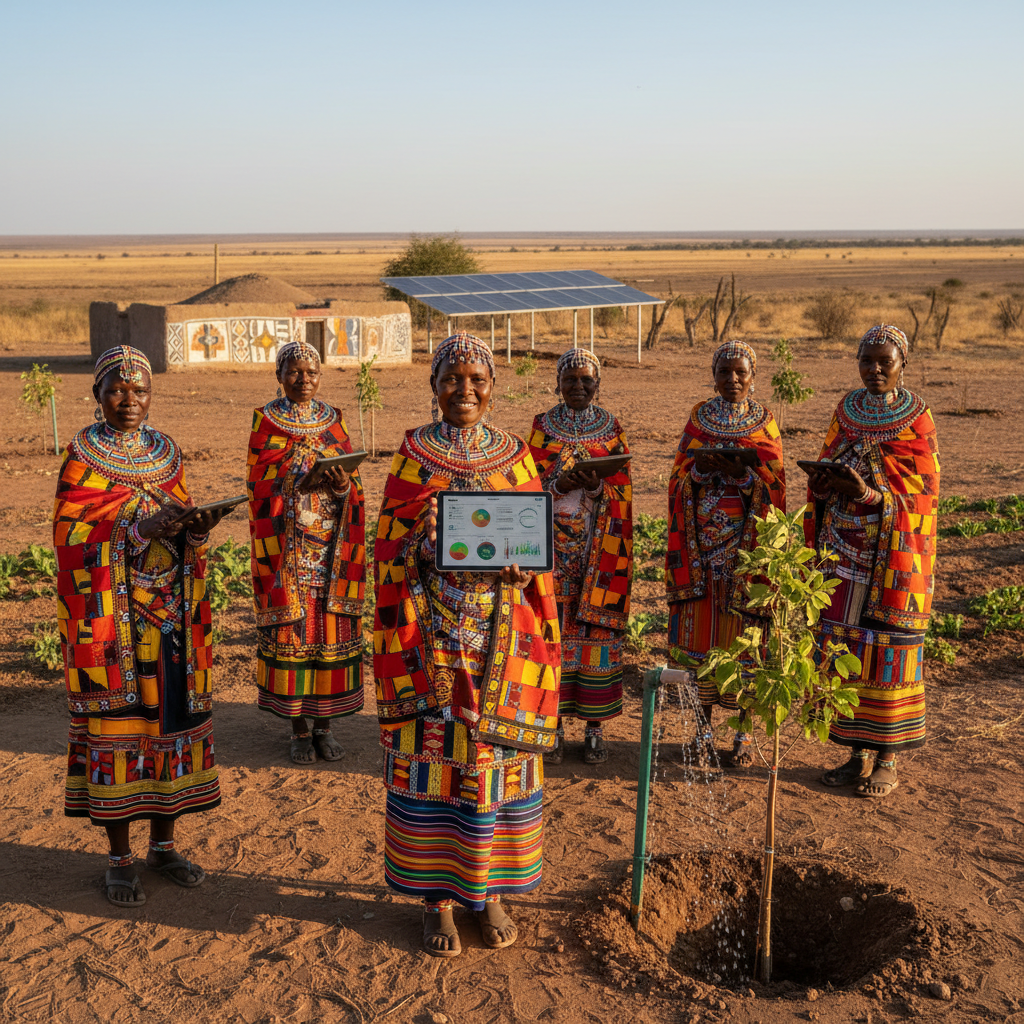

AI's Green Promise: Ndebele Women Lead Climate Resilience in Matabeleland
BULAWAYO, ZIMBABWE – In the heart of Matabeleland, where the rhythms of the land dictate life, a quiet revolution is taking root. It's a revolution powered by artificial intelligence, championed by the very hands that have tilled this soil for generations: Ndebele women. As climate change intensifies, bringing erratic rainfall and prolonged droughts, the integration of AI into traditional ecological knowledge is offering a beacon of hope for environmental resilience.
For centuries, Ndebele women have been the custodians of indigenous knowledge, understanding the subtle cues of umhlaba (the land) and izulu (the sky). Now, this deep-seated wisdom is being amplified by cutting-edge technology. Initiatives like the 'Smart Umhlaba Project,' spearheaded by the Bulawayo Centre for Digital Innovation (BCDI) in collaboration with local community trusts, are deploying AI-powered sensors to monitor soil moisture, predict weather patterns, and optimize water usage in small-scale farming.
Related Articles
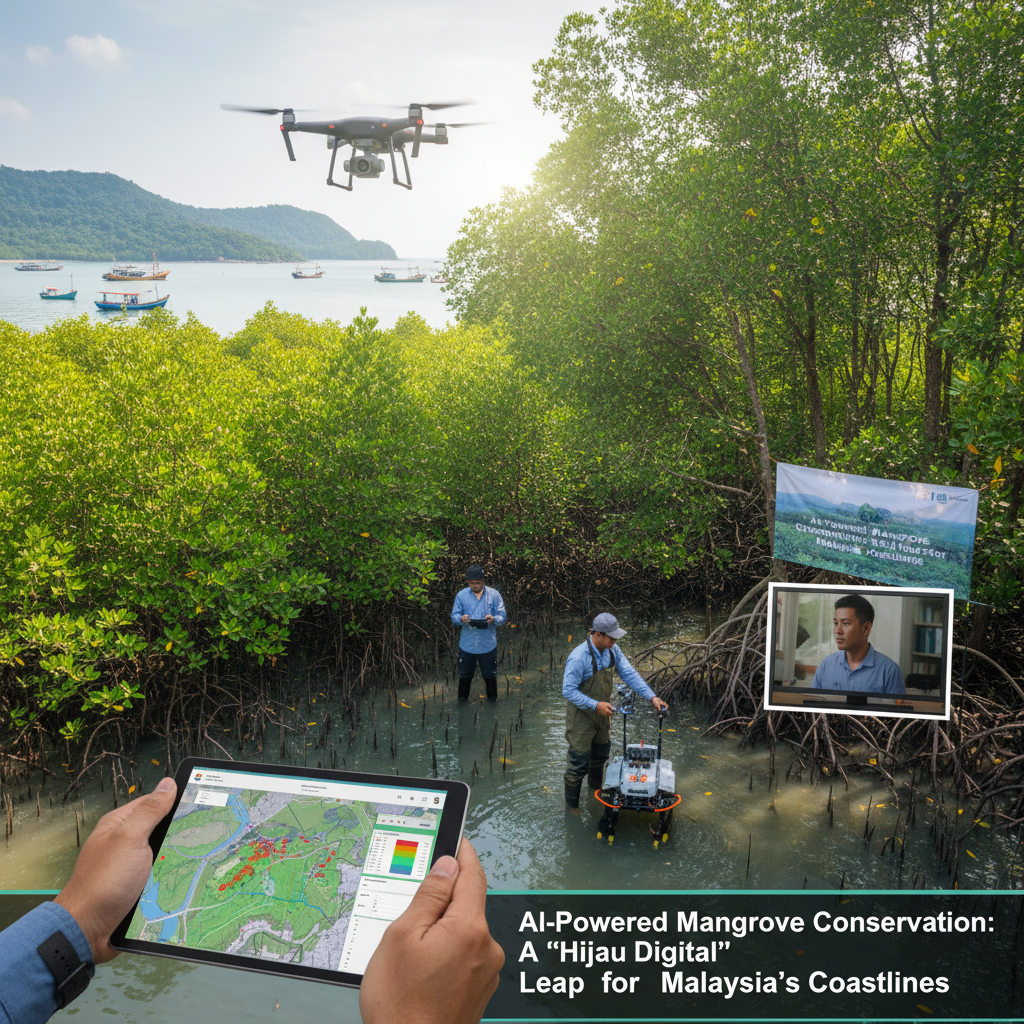
AI-Powered Mangrove Conservation: A 'Hijau Digital' Leap for Malaysia's Coastlines
 Siti Nurhalizah Rahimàn
Morocco's AI Health Revolution: Berber Communities on the Forefront of Digital Wellness
 Tariqù Benaì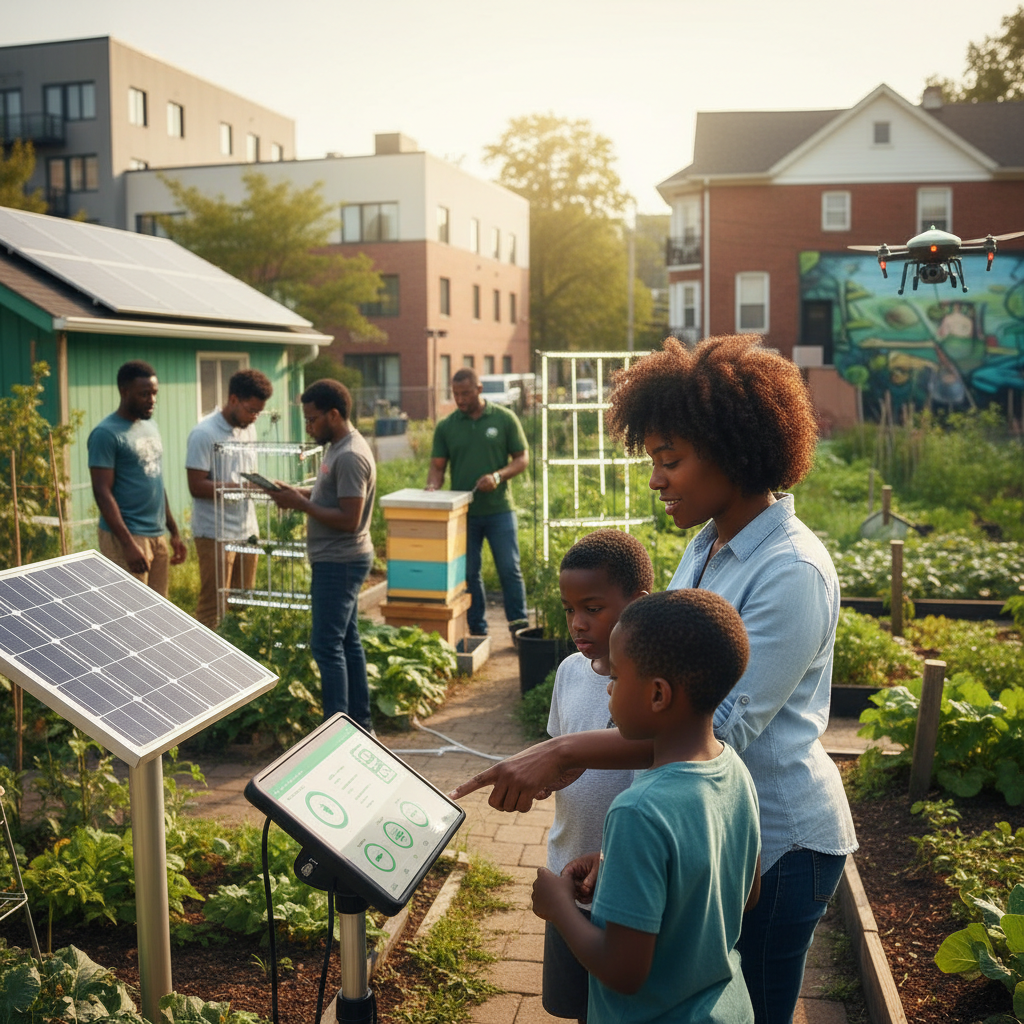
AI's Green Promise: Can Tech Bridge Environmental Gaps in Black Communities?
 Dontè Jacksoneè
Ghana's 'Adinkra AI' Initiative: Bridging Tradition and Technology for Digital Inclusion
 Akosùa Mensàh