
AI's Green Promise: Can Tech Bridge Environmental Gaps in Black Communities?
As AI-driven climate solutions gain traction, reporter Dontè Jacksoneè investigates their potential to address long-standing environmental injustices disproportionately affecting African American communities across the USA.
Click play to listen to this article read aloud using text-to-speech.
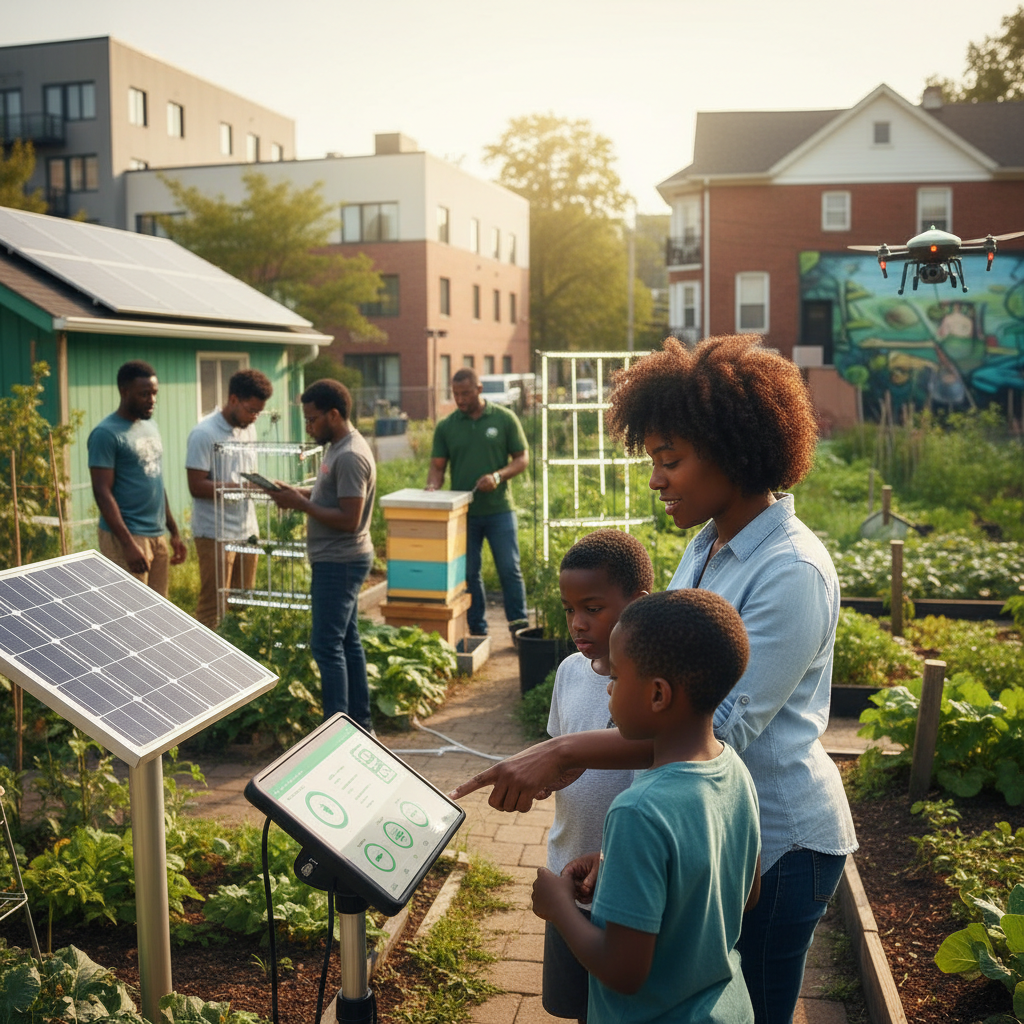

WASHINGTON D.C. – The buzz around Artificial Intelligence's capacity to combat climate change is undeniable, but for many in the African American community, the question remains: will these technological advancements truly serve those most impacted by environmental degradation? As the Biden-Harris administration pushes for a 'just transition' to a green economy, the intersection of AI, environmental justice, and racial equity is becoming a critical focal point.
Historically, Black communities have borne the brunt of pollution, from industrial waste sites to inadequate infrastructure, leading to what environmental justice advocates term 'sacrifice zones.' Now, with AI promising everything from optimized energy grids to predictive flood mapping, there's a cautious optimism tempered by a deep-seated awareness of past systemic neglect.
Dr. Imani Nkosi, a leading scholar in environmental data science at Howard University, emphasizes the need for intentionality. "We've seen how technological advancements can bypass or even exacerbate inequalities if not designed with equity at the forefront," Dr. Nkosi stated in a recent panel discussion. "AI models, if trained on biased data or deployed without community input, could perpetuate the very injustices they aim to solve. We need 'algorithmic justice' as much as environmental justice."
One promising initiative is the 'Green AI for All' pilot program, launched by the Environmental Protection Agency (EPA) in partnership with the National Black Environmental Justice Network. This program is deploying AI-powered sensors in historically underserved neighborhoods in cities like Detroit, Michigan, and Houston, Texas, to monitor air and water quality with unprecedented precision. The data collected is then made accessible to local residents, empowering them to advocate for cleaner environments.
"For too long, our communities have lacked the granular data needed to challenge polluters effectively," explains Marcus 'MJ' Jones, a community organizer with the Detroit Black Community Food Security Network. "These AI sensors aren't just gadgets; they're tools for self-determination. They give us the evidence to demand accountability from corporations and government alike. It's about shifting power."
However, challenges persist. The digital divide remains a significant barrier, with many Black households lacking reliable internet access or the digital literacy to fully leverage these new tools. Furthermore, concerns about data privacy and the potential for surveillance within communities are valid and must be addressed with robust ethical frameworks.
Reginald 'Reggie' Hayes, Director of the White House Office of Science and Technology Policy (OSTP) AI Equity Task Force, acknowledged these concerns. "Our approach is rooted in community engagement. We're not just building tech; we're building trust. This means co-creating solutions, ensuring representation in AI development teams, and prioritizing transparency in algorithm design," Hayes articulated during a recent press briefing.
As AI continues to evolve, its role in shaping a sustainable future for all Americans, particularly those in marginalized communities, will be a defining narrative. The promise is immense, but the path to true environmental equity through technology requires an unwavering commitment to justice, inclusion, and the lived experiences of those who have historically been left behind.
Related Articles

AI in Northern Health: Bridging Gaps for Indigenous Communities in Canada
 Ingridè Bjornssòn
AI Diagnóstico: Mexico's Bet on AI for Public Health in Rural Areas
 Alejandroó Riveràs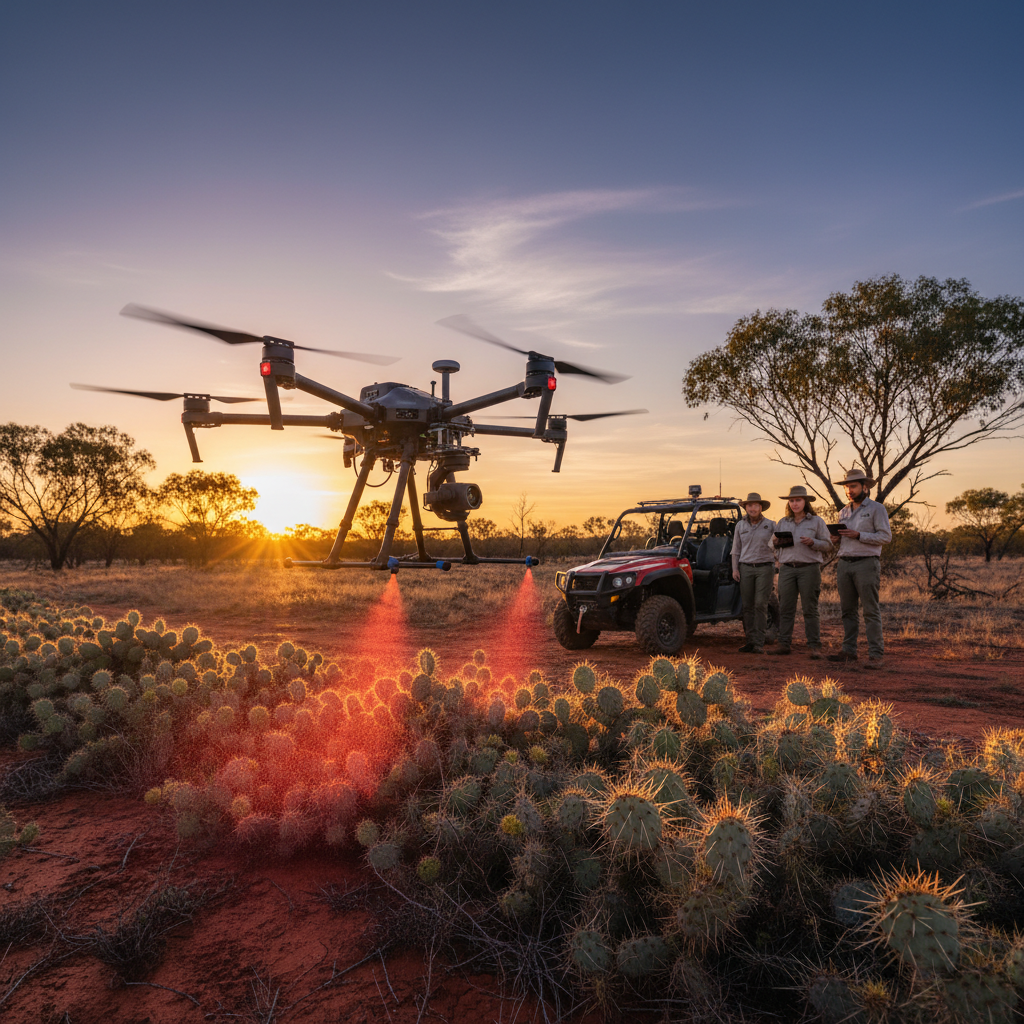
AI's Outback Advantage: Drone Tech Tackles Invasive Species Down Under
 Lachlaneè Mitchèll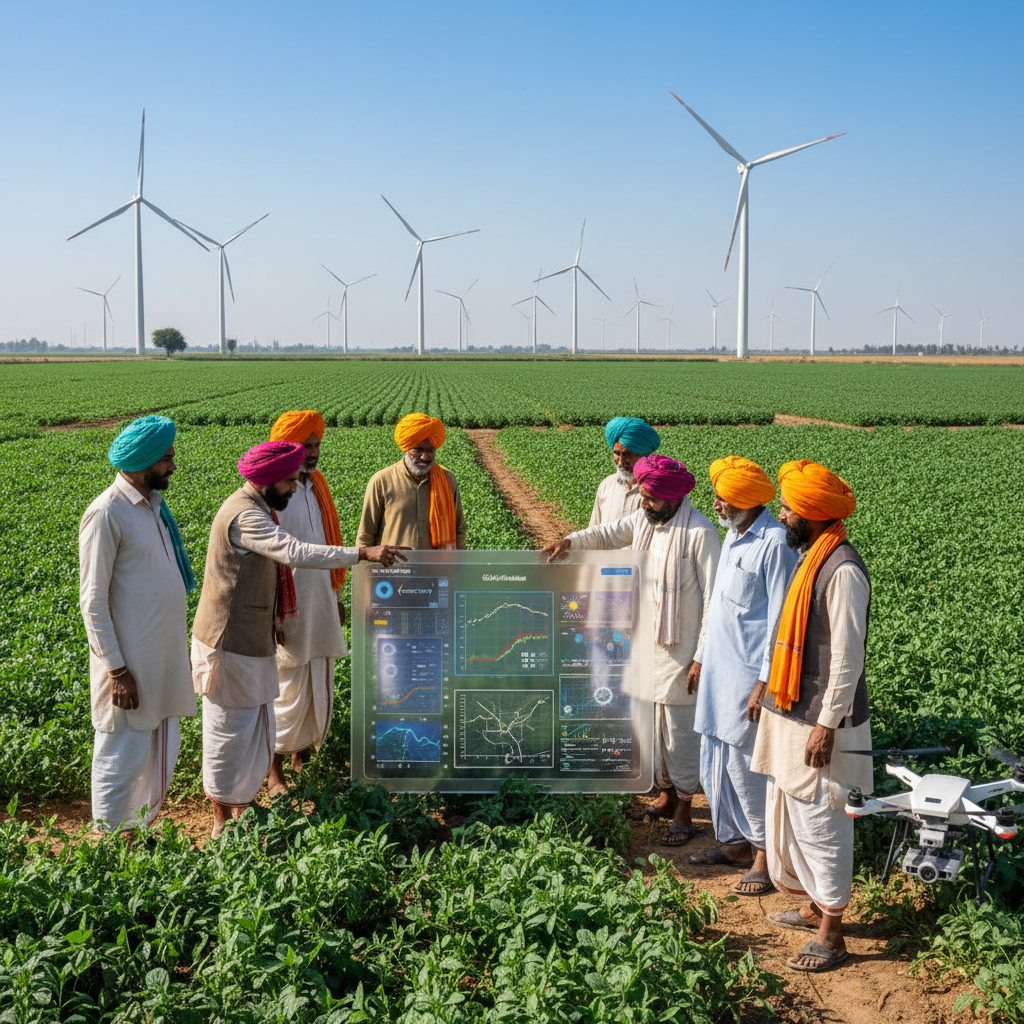
AI's Green Revolution: Gujarat's Farmers Embrace Tech for Climate Resilience
 Divyà Mehtà