AI in Northern Health: Bridging Gaps for Indigenous Communities in Canada
AI-powered diagnostic tools are transforming healthcare access in Canada's remote North, offering hope for Indigenous communities. This initiative leverages technology to overcome geographical barriers and improve health outcomes, championed by Canadian-Icelandic experts.
Click play to listen to this article read aloud using text-to-speech.
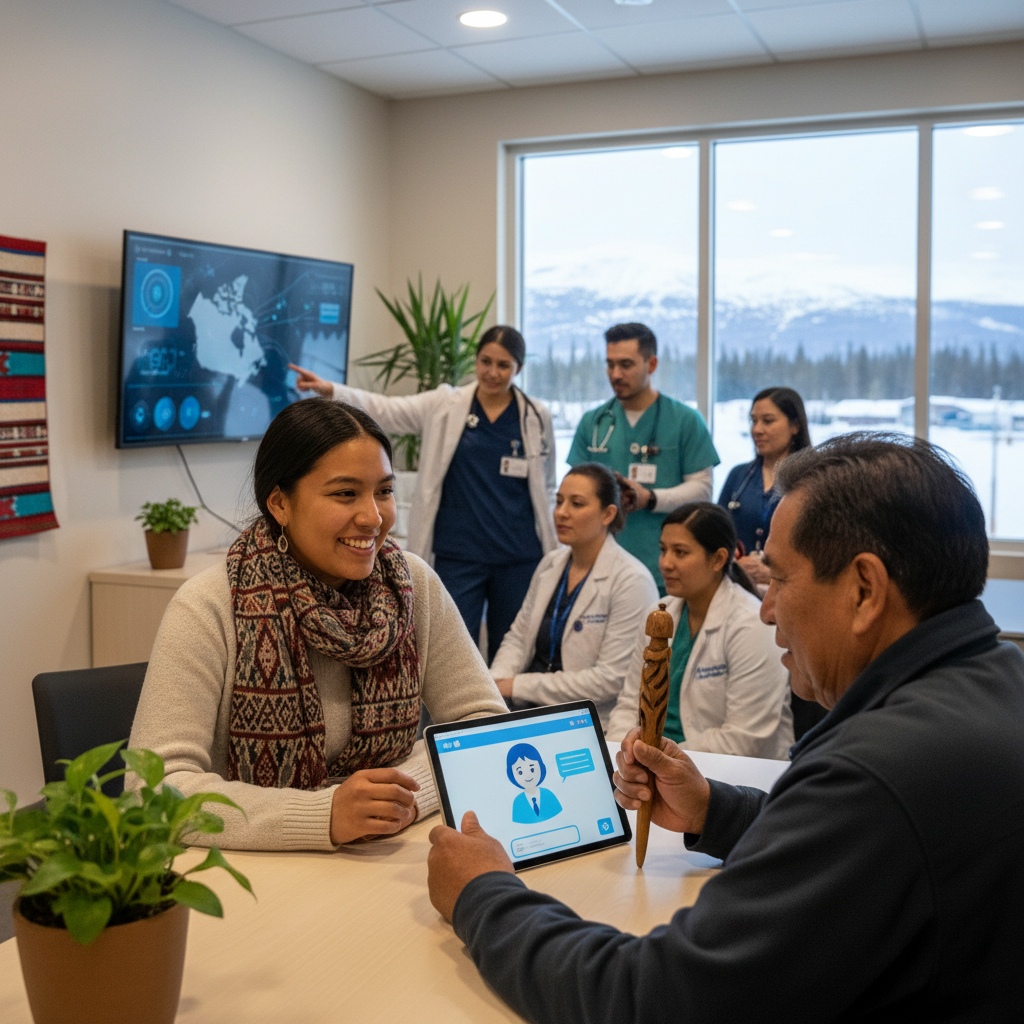
YELLOWKNIFE, NWT – The vast, pristine landscapes of Canada's North, while breathtaking, often present formidable barriers to healthcare access, particularly for Indigenous communities. However, a quiet revolution is underway, spearheaded by artificial intelligence, promising to bridge these long-standing divides. As an Icelandic-Canadian woman, deeply rooted in a heritage that understands both remote living and community resilience, I've been following these developments with keen interest.
At the forefront of this transformation is the 'Northern AI Diagnostics Initiative,' a collaborative effort between the University of Alberta's AI in Health Lab and several Northern Indigenous health organizations. Their focus: deploying AI-powered portable diagnostic tools to remote nursing stations and community health centres, significantly reducing the need for patients to travel thousands of kilometres for specialist consultations.
Dr. Sigrún Jónsdóttir, a leading bioinformatician and a fellow Icelandic-Canadian, who serves as the project lead at the University of Alberta, emphasized the cultural and practical significance. "Our goal isn't just technological advancement; it's about health equity. Imagine an elder in Ulukhaktok receiving an accurate dermatological diagnosis via an AI-assisted imaging device, interpreted by a specialist hundreds of kilometres away, without leaving their home community. This respects their comfort, their land, and their family ties – values deeply cherished in both our Icelandic and Indigenous cultures," Dr. Jónsdóttir stated during a recent virtual press briefing.
The initiative is currently piloting AI algorithms for early detection of diabetic retinopathy and certain skin cancers – conditions often exacerbated by delayed diagnosis in remote areas. The AI models, trained on diverse datasets including those from Indigenous populations (with strict ethical oversight and community consent), are proving remarkably effective. Initial data from a pilot in Nunavut and the Northwest Territories shows a 30% reduction in referral times for urgent cases and a significant decrease in patient travel for initial screenings.
However, the implementation is not without its unique challenges. Ensuring robust internet connectivity, training local healthcare providers – often Indigenous nurses and community health representatives – to operate these sophisticated tools, and maintaining data sovereignty are paramount. "We're not just dropping off technology; we're building capacity," explained Elder Mary K'álemba, a health advocate from the Dene Nation, who sits on the project's advisory board. "The AI assists, but the human connection, the understanding of our traditional ways of knowing, remains at the heart of good care. It's about empowering our own people to use these tools for our own health."
The Canadian Institutes of Health Research (CIHR) recently announced additional funding for the initiative, recognizing its potential to inform national strategies for rural and remote healthcare. This blend of cutting-edge AI with a profound respect for cultural context and community self-determination represents a truly Canadian approach – one that could serve as a model for other circumpolar nations grappling with similar healthcare disparities. For communities that have long faced the brunt of geographical isolation, AI is not just a technological marvel; it's a beacon of hope for healthier futures. As we look towards 2026, the promise of equitable health access, powered by intelligent machines and guided by human compassion, feels more tangible than ever.
Related Articles
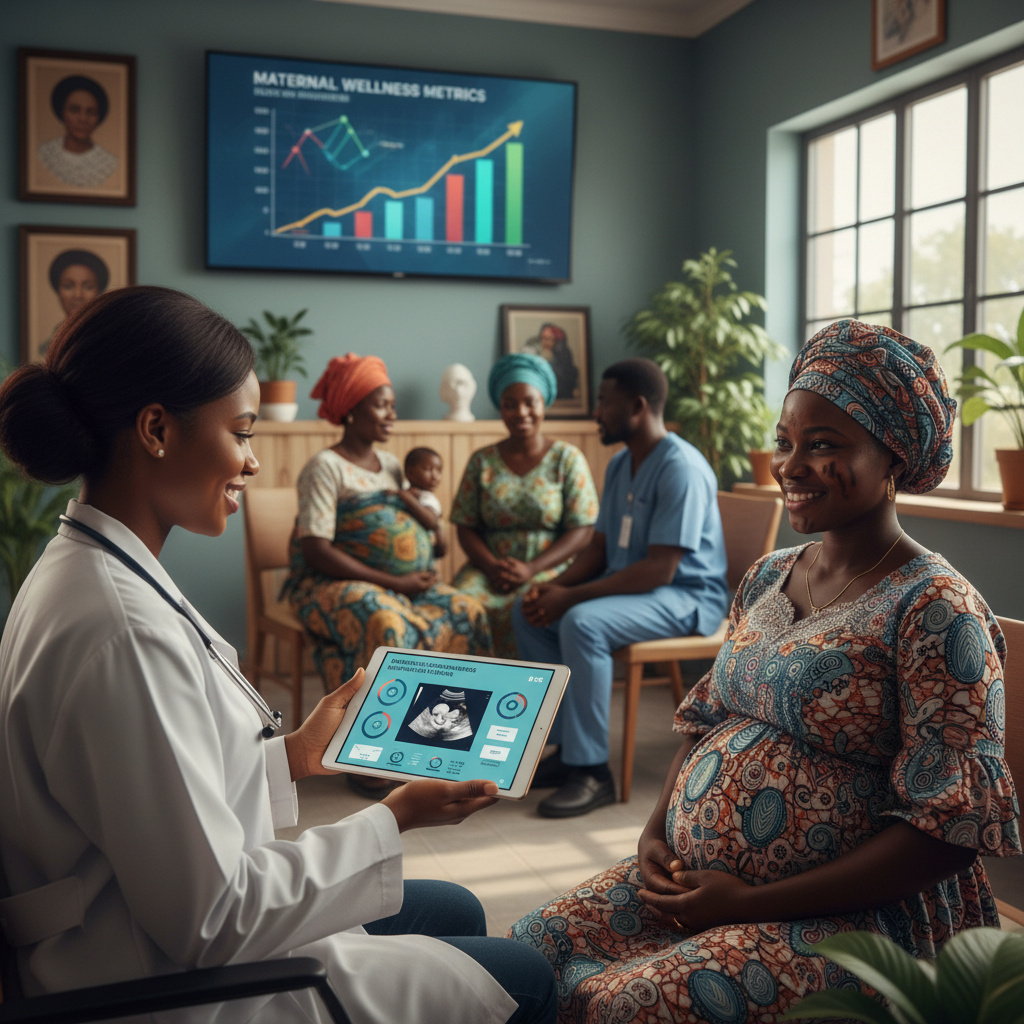
AI in Maternal Health: A New Dawn for Yoruba Women and Beyond in Nigeria
 Nkirukà Ezenwà
AI in Women's Health: Norwegian Experts Call for Ethical Frameworks and Data Equity
 Ingridè Hansèn
AI's New Playbook: Revolutionizing HBCU Sports Analytics and Athlete Development
 Deshawné Thompsòn
AI's Promise for Maternal Health in Fiji: A Digital Leap for Our 'Marama'
 Merelaisà Tuivagà