
AI in Maternal Health: A New Dawn for Yoruba Women and Beyond in Nigeria
Artificial Intelligence is revolutionizing maternal healthcare in Nigeria, offering hope for improved outcomes, particularly for Yoruba women in rural areas. Experts laud its potential to bridge critical gaps in access and early diagnosis.
Click play to listen to this article read aloud using text-to-speech.
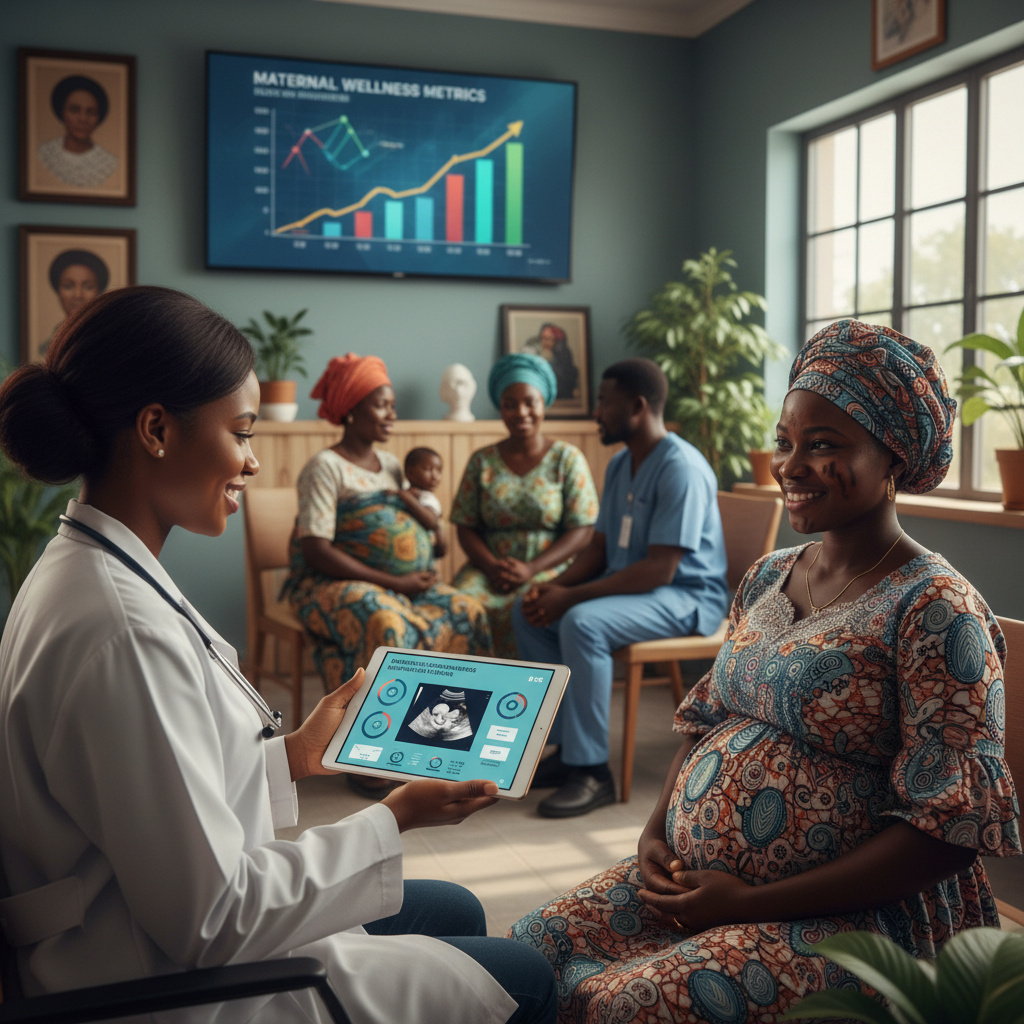

LAGOS, Nigeria – The ancient wisdom of our grandmothers, passed down through generations, often spoke of the delicate balance of life, especially concerning childbirth. Today, a new kind of 'wisdom' is emerging, one powered by algorithms and data, promising to safeguard the lives of mothers and infants across Nigeria.
Artificial Intelligence (AI) is rapidly transforming the landscape of maternal healthcare, offering unprecedented opportunities to address the high rates of maternal mortality that have long plagued our nation. For Yoruba women, who often bear the brunt of healthcare disparities, particularly in remote communities, this technological leap offers a ray of hope.
Dr. Adebisi Olaniyan, a leading Obstetrician-Gynecologist and Head of Maternal Health at the University College Hospital (UCH), Ibadan, emphasizes the transformative potential. "We are seeing AI applications that can predict high-risk pregnancies with remarkable accuracy, even in early stages. Imagine an AI-powered diagnostic tool, accessible via a simple mobile device, that can flag potential complications like pre-eclampsia or gestational diabetes in a rural health center in Oyo State, long before a woman can reach a specialist. This is not science fiction; it is becoming our reality." Dr. Olaniyan, a proud daughter of Ijebu-Ode, speaks with a passion that resonates with the urgency of the matter.
One notable initiative is the 'Ìyá Àbiyamo AI Project,' a collaboration between the Nigerian Institute of Medical Research (NIMR) and a local tech startup. This project utilizes machine learning models trained on anonymized health data from thousands of Nigerian women to identify patterns indicative of obstetric emergencies. Community health workers, often the first point of contact for pregnant women in villages, are being equipped with tablets running these AI applications. The system provides real-time risk assessments and guides them on when to refer patients for urgent care, effectively extending the reach of specialist knowledge.
Folake Aderibigbe, a public health advocate and founder of 'Ìgboyà Wà' (Our Courage), an NGO focused on women's health in Ekiti State, highlights the cultural fit. "Our women are resilient, but access to timely information and care is often a barrier. AI tools, when designed with local contexts in mind, can empower them. It's about leveraging technology to preserve our future generations, ensuring every àbiyamo (mother) returns home safely with her ọmọ (child). The oríkì (praise poetry) of AI in health is just beginning to be sung."
However, challenges remain. Data privacy, the need for robust digital infrastructure, and ensuring equitable access across diverse socio-economic strata are critical considerations. The Minister of Health, Professor Amina Lawal, recently stated at a health tech summit in Abuja, "Our commitment is to ensure that these advancements benefit all Nigerians, not just those in urban centers. We are working on policies to support ethical AI deployment and capacity building for our healthcare professionals."
The journey is long, but with dedicated efforts from institutions, innovators, and advocates like Dr. Olaniyan and Mrs. Aderibigbe, AI promises to be a powerful ally in securing a healthier future for Nigerian mothers and their children, echoing the timeless Yoruba adage: 'Ilé ọmọ ni ilé ayé' (The home of a child is the home of life). The integration of AI into our healthcare system is not just about technology; it's about preserving lives and strengthening the fabric of our communities. It's about ensuring that every Nigerian woman, from the bustling markets of Lagos to the serene farmlands of Osun, has the best chance at a safe and healthy pregnancy. The àṣà (culture) of care is being redefined by innovation.
Related Articles

AI in Women's Health: Norwegian Experts Call for Ethical Frameworks and Data Equity
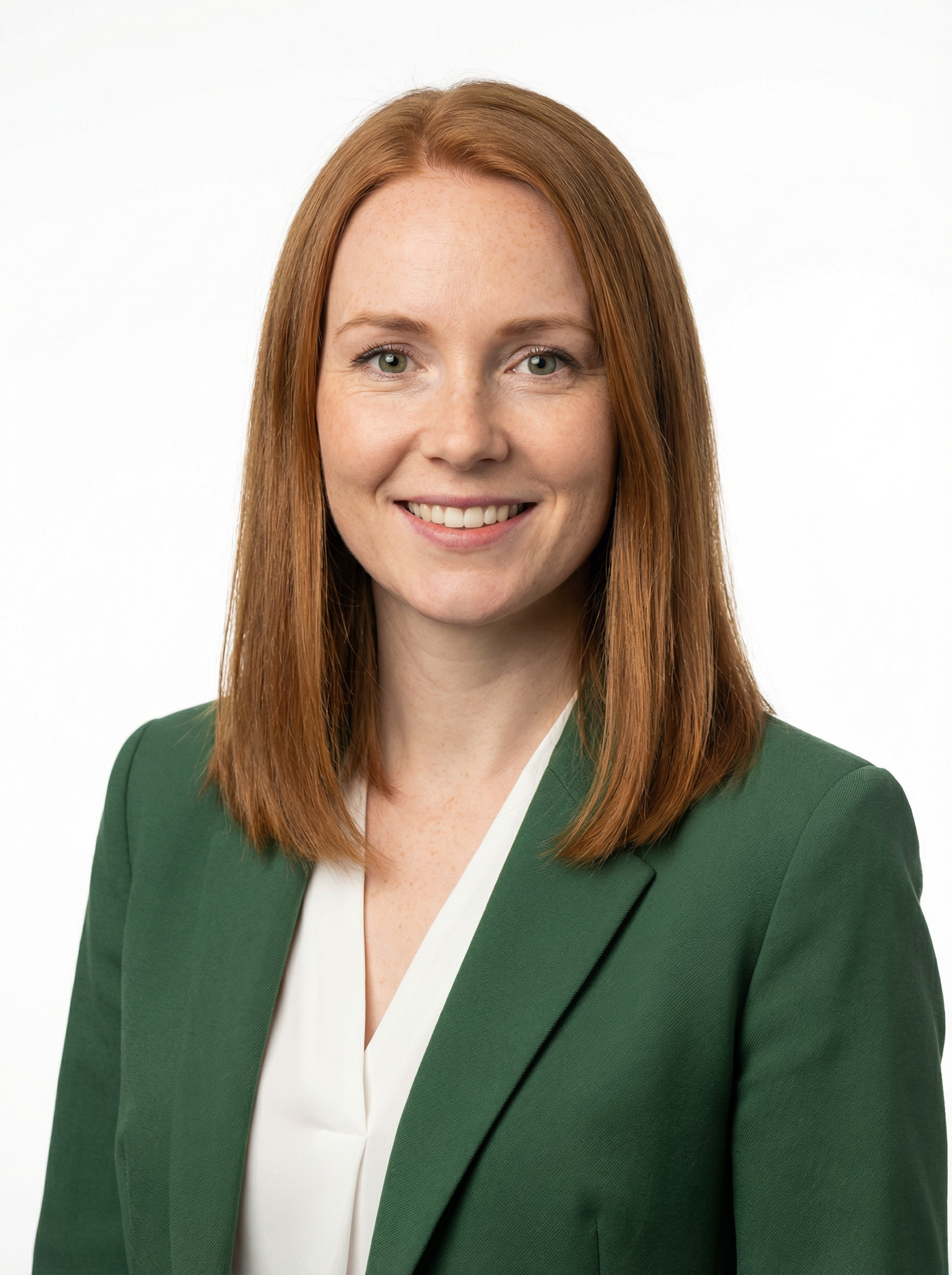 Ingridè Hansèn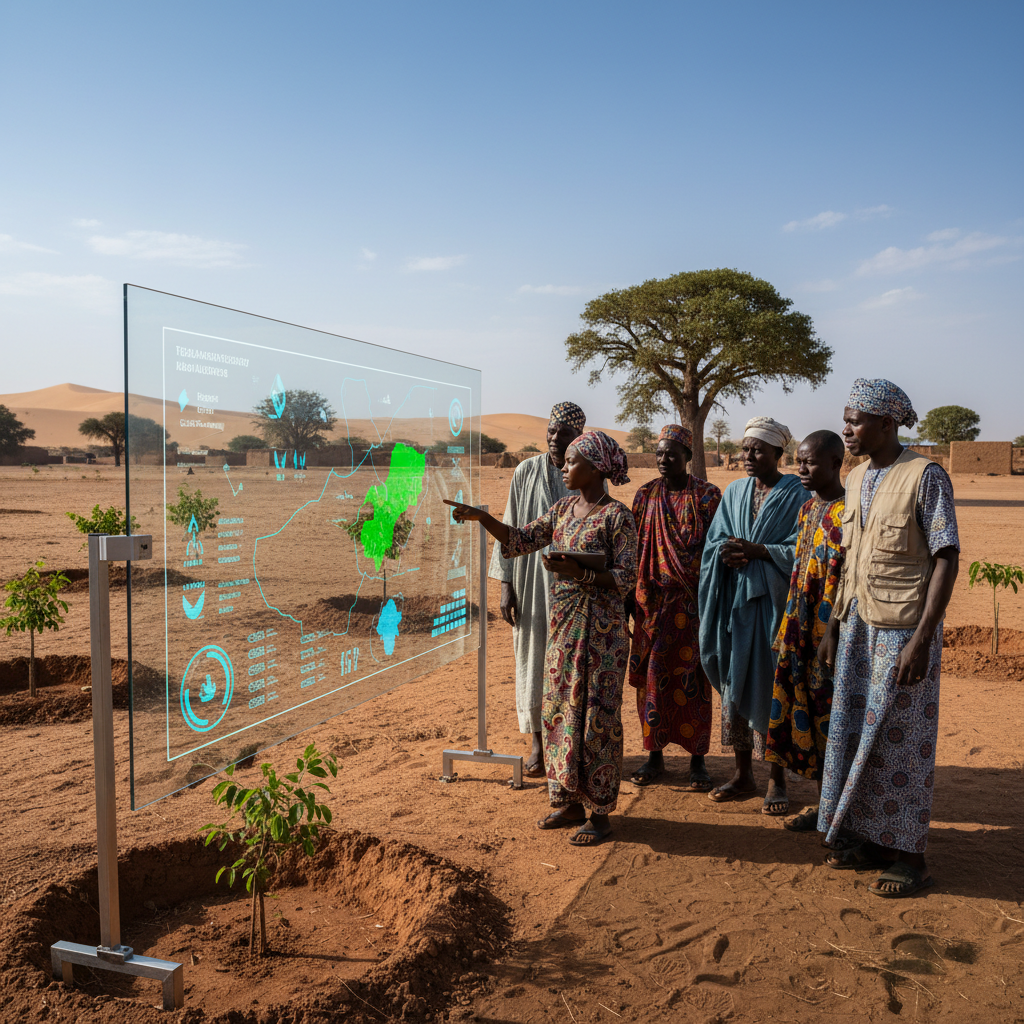
AI's Baoré: Burkina Faso Fights Desertification with Digital Wisdom
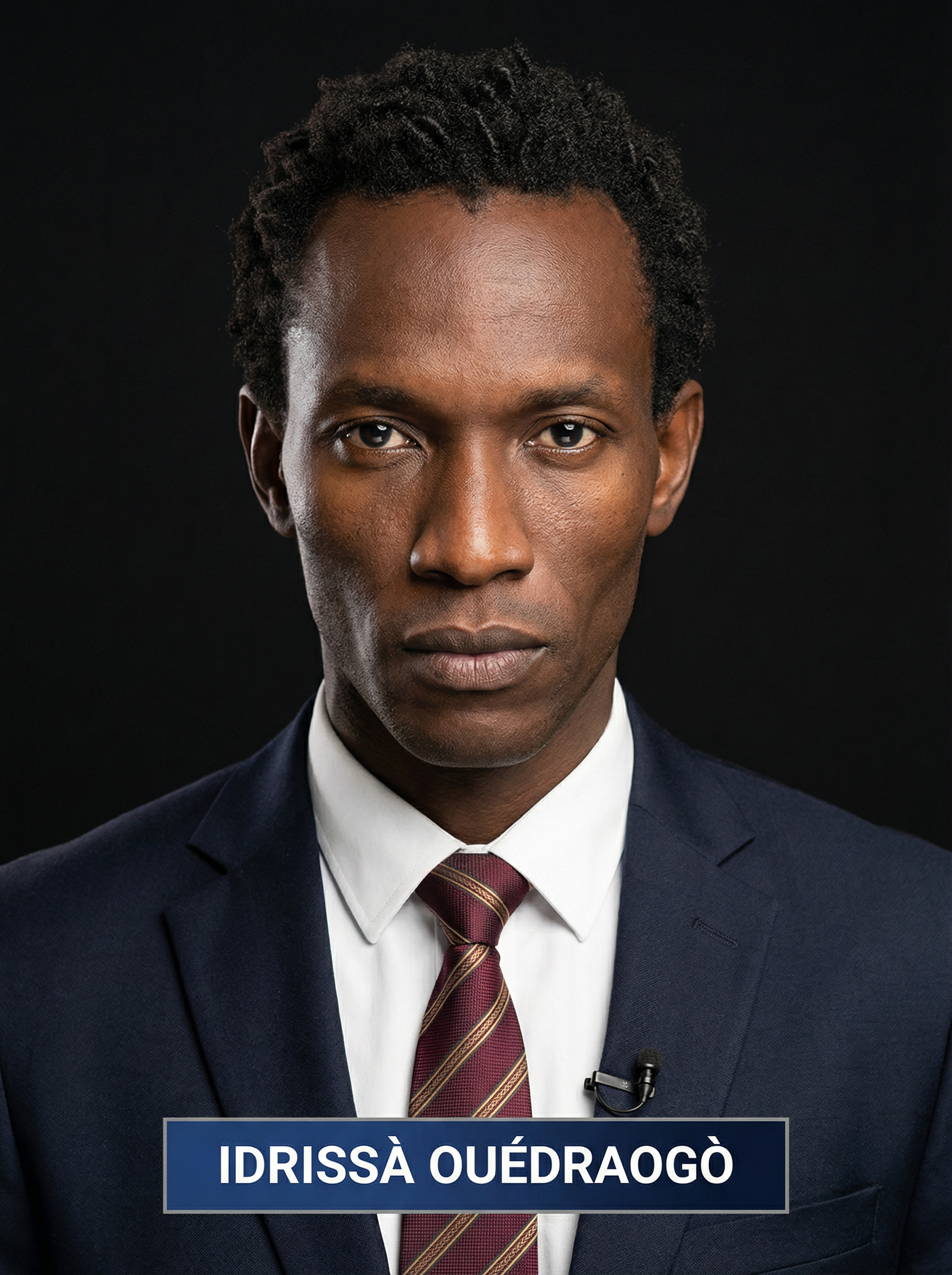 Idrissà Ouédraogò
AI's Promise for Maternal Health in Fiji: A Digital Leap for Our 'Marama'
 Merelaisà Tuivagà
AI in Northern Health: Bridging Gaps for Indigenous Communities in Canada
 Ingridè Bjornssòn