
AI in Women's Health: Norwegian Experts Call for Ethical Frameworks and Data Equity
As AI integrates further into healthcare, Norwegian specialists are championing ethical data practices and gender-inclusive algorithms, particularly in women's health, to prevent exacerbating existing disparities. The debate highlights the need for a 'Nordic model' in AI development.
Click play to listen to this article read aloud using text-to-speech.


OSLO, NORWAY – The rapid integration of Artificial Intelligence (AI) into healthcare promises revolutionary advancements, yet it also sparks critical discussions, particularly concerning women's health. Norwegian experts are at the forefront of advocating for robust ethical frameworks and data equity to ensure these technologies benefit all, without inadvertently widening existing health disparities.
Dr. Elin Solberg, a leading researcher at the Norwegian Centre for E-health Research (NSE) in Tromsø, emphasizes the urgency. "We've seen historical biases in medical research, where male physiology was often the default. As AI models are trained on vast datasets, we must be incredibly vigilant to ensure these biases aren't simply perpetuated or even amplified," Dr. Solberg stated in a recent seminar hosted by the Norwegian Directorate of Health (Helsedirektoratet). "For conditions like endometriosis or even cardiovascular disease, where symptoms can present differently in women, biased AI could lead to misdiagnosis or delayed treatment."
This sentiment is echoed by Professor Liv Johansen, a bioethicist at the University of Oslo, who specializes in digital health ethics. "The 'black box' nature of some AI algorithms is a significant concern. We need transparency, explainability, and accountability, especially when these systems are making decisions that impact a kvinne's helse and well-being," Professor Johansen explained. She points to the need for diverse development teams, including women, to ensure a broader perspective in algorithm design and testing. "It's not just about the data; it's about the people building the systems."
The Norwegian government, through initiatives like the National Strategy for Artificial Intelligence, has acknowledged these challenges. A working group, with significant female representation, has been established under the Ministry of Health and Care Services (Helse- og omsorgsdepartementet) to draft guidelines specifically addressing gender and diversity in health AI. Their preliminary report, expected later this year, is anticipated to recommend mandatory impact assessments for new AI health applications, focusing on potential differential effects on various demographic groups.
Furthermore, the discussion extends to data collection. "We need more high-quality, gender-disaggregated data in our national health registries, like the Medical Birth Registry of Norway (Medisinsk fødselsregister), to properly train AI models for women's specific health needs," noted Anne Lise Bakke, a data scientist consulting with several health trusts (helseforetak) in the Helse Sør-Øst region. "Without this foundational data, even the most sophisticated algorithms will struggle to provide equitable outcomes."
As Europe moves towards stricter AI regulations with the EU AI Act, Norway's proactive stance, driven by its commitment to social equity and universal healthcare, positions it as a leader in shaping a more inclusive future for AI in health. The goal, as articulated by many Norwegian experts, is to develop a 'Nordic model' for AI – one that prioritizes ethical considerations, transparency, and equitable access, ensuring that technological progress genuinely serves all citizens, regardless of gender. The work ahead is complex, but the resolve to get it right, particularly for Norwegian kvinner, is clear.
Related Articles
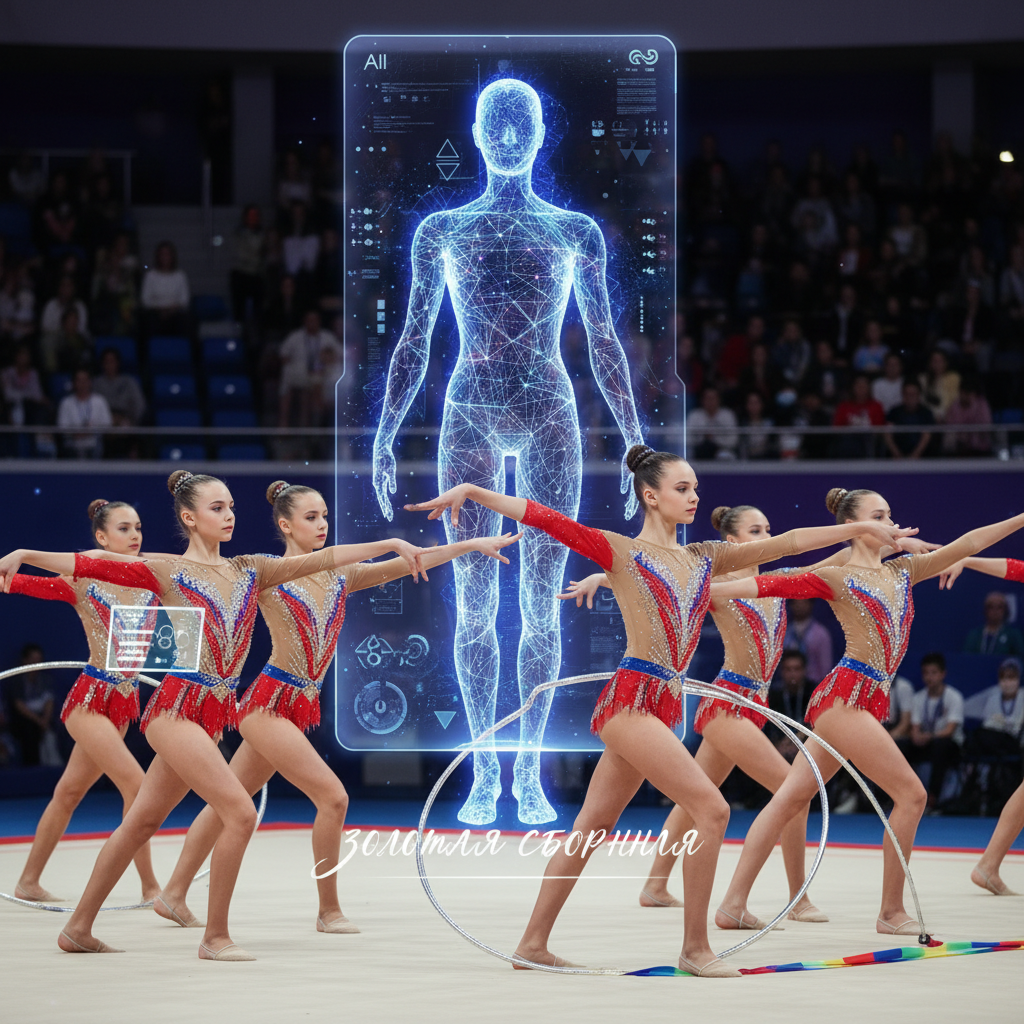
AI Coaches Revolutionize Russian Rhythmic Gymnastics: A New Era for 'Zolotaya Sbornaya'
 Élèna Petrovà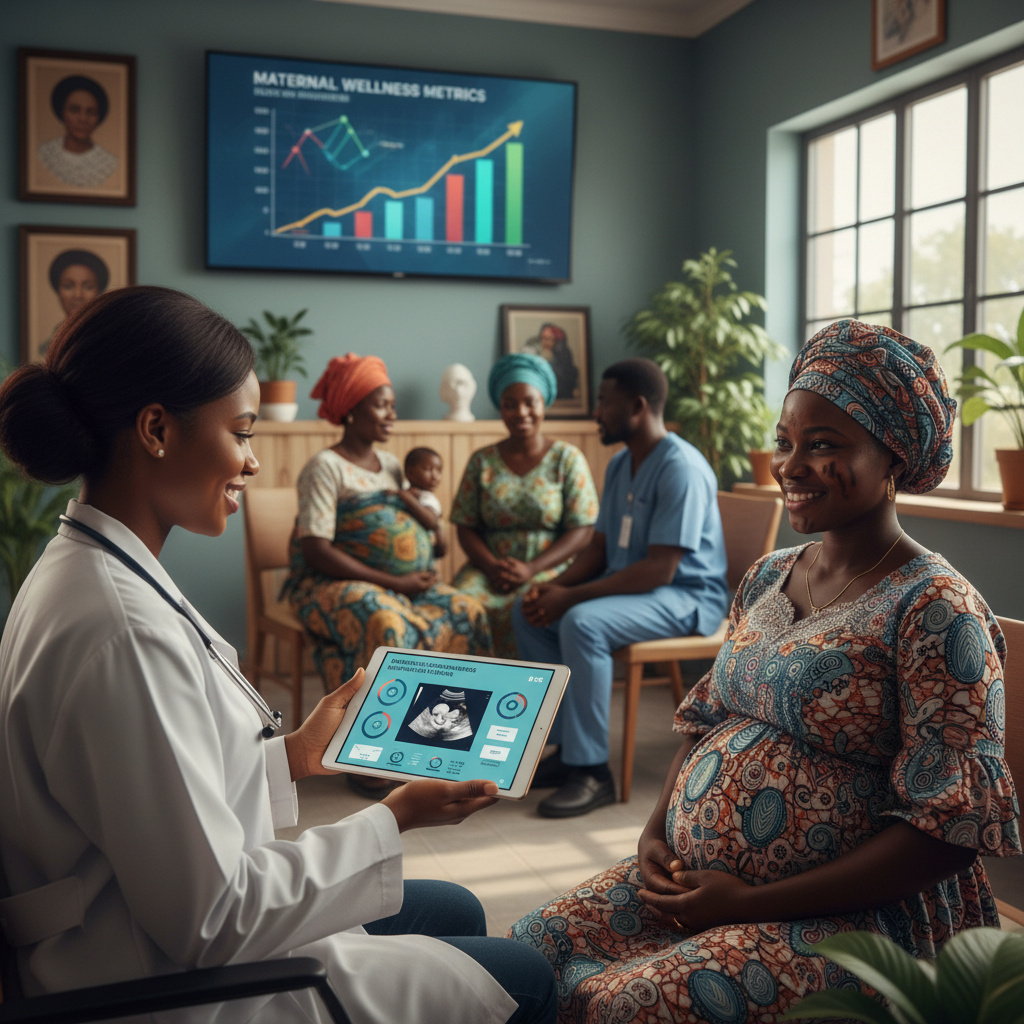
AI in Maternal Health: A New Dawn for Yoruba Women and Beyond in Nigeria
 Nkirukà Ezenwà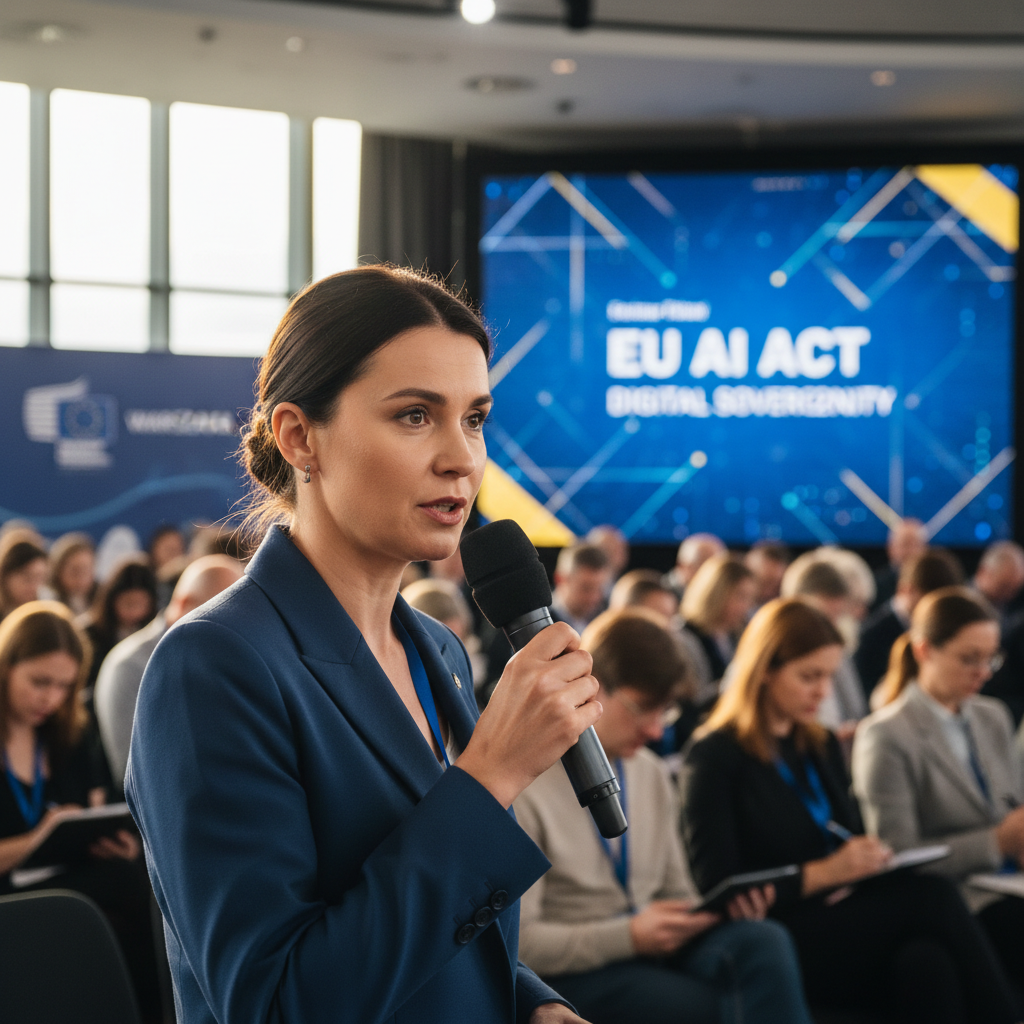
Warsaw Debates EU AI Act: A Polish Woman's Perspective on Digital Sovereignty
 Agnieszka Kowalskà
AI's Gaelic Game-Changer: How Tech is Leveling the Field for Irish Women in Sport
 Siobhàn O'Briénn