
AI Coaches Revolutionize Russian Rhythmic Gymnastics: A New Era for 'Zolotaya Sbornaya'
Russian rhythmic gymnastics, a bastion of female athletic prowess, is embracing AI coaching systems to refine technique and prevent injuries, promising to further elevate the 'Zolotaya Sbornaya' (Golden Team) on the global stage.
Click play to listen to this article read aloud using text-to-speech.
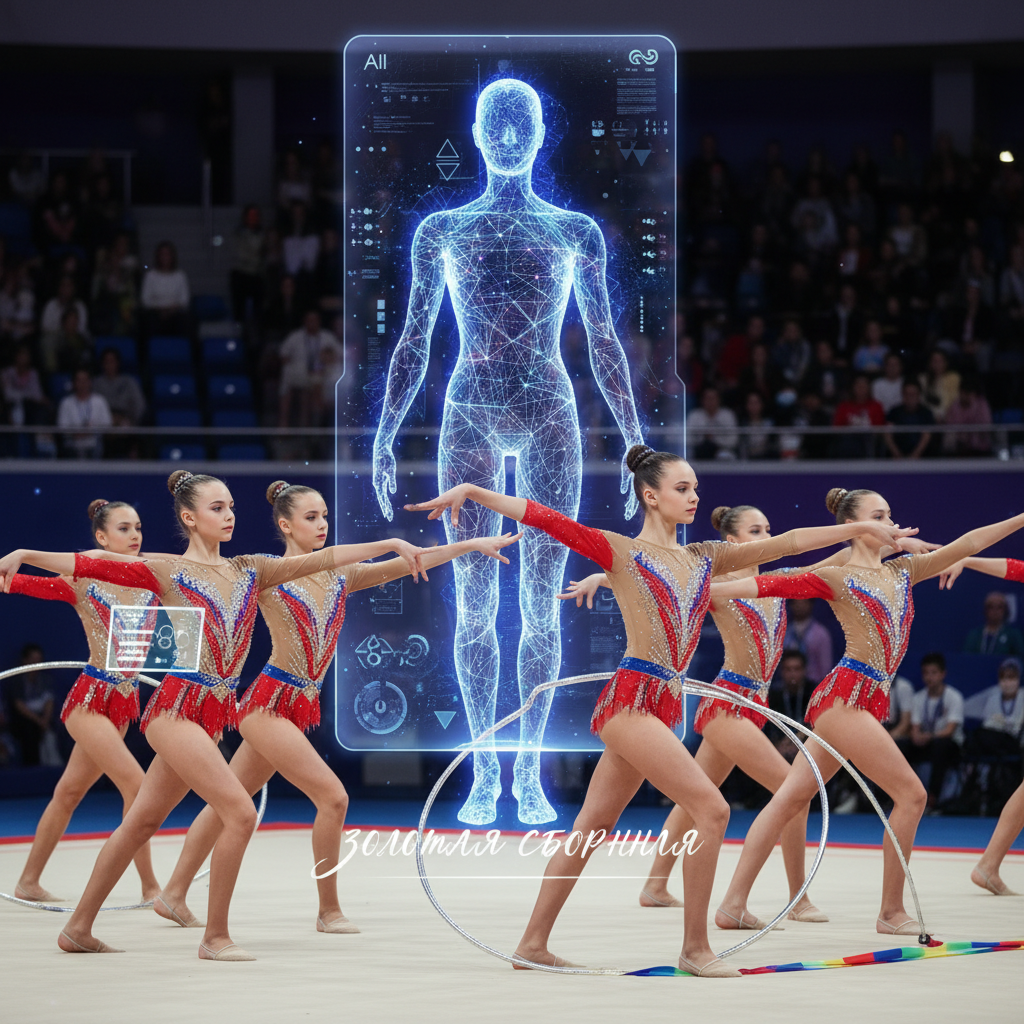
MOSCOW, April 2026 – The pursuit of perfection, a hallmark of Russian rhythmic gymnastics, is undergoing a profound technological transformation. Our beloved 'Zolotaya Sbornaya' (Golden Team), long a symbol of grace, discipline, and the indomitable spirit of Russian women, is now leveraging advanced Artificial Intelligence to hone its competitive edge.
For generations, the artistry and precision of our gymnasts have been cultivated through rigorous training under legendary coaches like Irina Viner-Usmanova. While human intuition remains irreplaceable, the introduction of AI-powered analytical systems is providing an unprecedented layer of objective data, pushing the boundaries of what's possible.
Dr. Anya Volkov, a leading researcher at the Skolkovo Institute of Science and Technology specializing in biomechanics and machine learning, explains the impact. "Our 'Gymnastics AI' platform, developed in collaboration with the Russian Rhythmic Gymnastics Federation, uses high-speed cameras and motion capture to analyze every nuance of a performance. It can detect micro-deviations in body posture, apparatus handling, and synchronization that are imperceptible to the human eye. This allows coaches to identify potential injury risks before they manifest and to fine-tune execution to an almost algorithmic level of perfection. For our girls, who dedicate their lives to this sport, it means more efficient training and extended careers."
The system, currently in pilot phases at several elite training centers, including the renowned Novogorsk Olympic Training Centre, is particularly adept at analyzing complex routines involving multiple apparatuses – the ribbon, ball, clubs, and hoop. It provides instant feedback, generating detailed reports on angles, trajectories, and even the force applied during throws and catches. This data is then used by human coaches to tailor individual training plans, focusing on specific weaknesses identified by the AI.
Elena Petrova, a former national team gymnast and now a respected coach in Rostov-on-Don, shared her initial skepticism, which has since turned to enthusiasm. "At first, I wondered if a machine could understand the 'soul' of rhythmic gymnastics, the artistry that makes our girls so unique. But the AI isn't replacing us; it's empowering us. It handles the minute, repetitive analysis, freeing us to focus on the emotional expression, the stage presence, the very 'russkaya dusha' (Russian soul) that elevates our performances. It's a powerful assistant, not a replacement."
This integration of cutting-edge technology into a sport so deeply ingrained in our national identity underscores Russia's commitment to innovation, not just in defense or space, but also in areas that showcase the talent and resilience of our women. As the world watches our gymnasts continue to dominate, they will now be witnessing not just years of dedication, but also the silent, powerful assistance of artificial intelligence, ensuring that the 'Zolotaya Sbornaya' remains golden for years to come.
Related Articles

AI in Women's Health: Norwegian Experts Call for Ethical Frameworks and Data Equity
 Ingridè Hansèn
Warsaw Debates EU AI Act: A Polish Woman's Perspective on Digital Sovereignty
 Agnieszka Kowalskà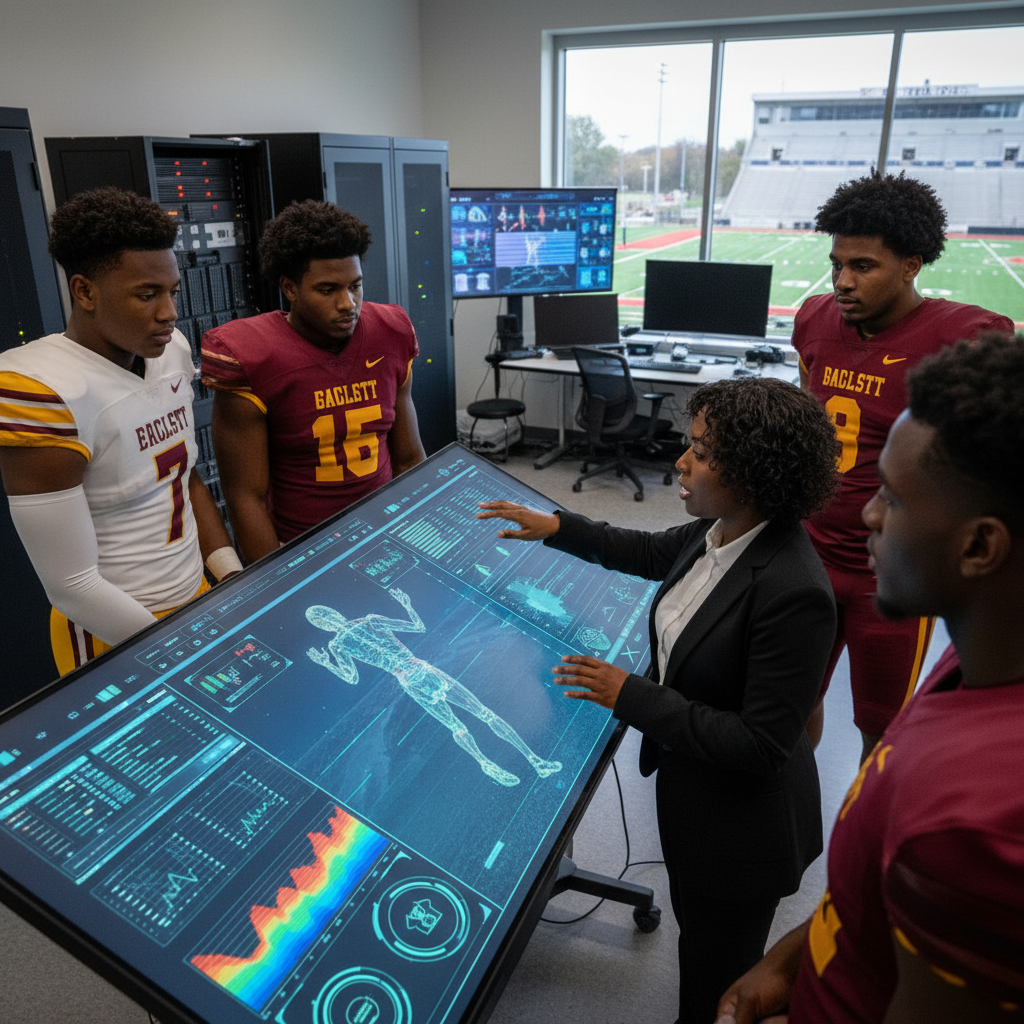
AI's New Playbook: Revolutionizing HBCU Sports Analytics and Athlete Development
 Deshawné Thompsòn
AI's Gaelic Game-Changer: How Tech is Leveling the Field for Irish Women in Sport
 Siobhàn O'Briénn