
AI's Healing Touch: Burkina Faso Explores Digital Diagnostics for Rural Health
Burkina Faso is pioneering AI-driven diagnostic tools to bridge healthcare gaps in remote areas, leveraging digital innovation to serve communities often overlooked by traditional medical infrastructure.
Click play to listen to this article read aloud using text-to-speech.
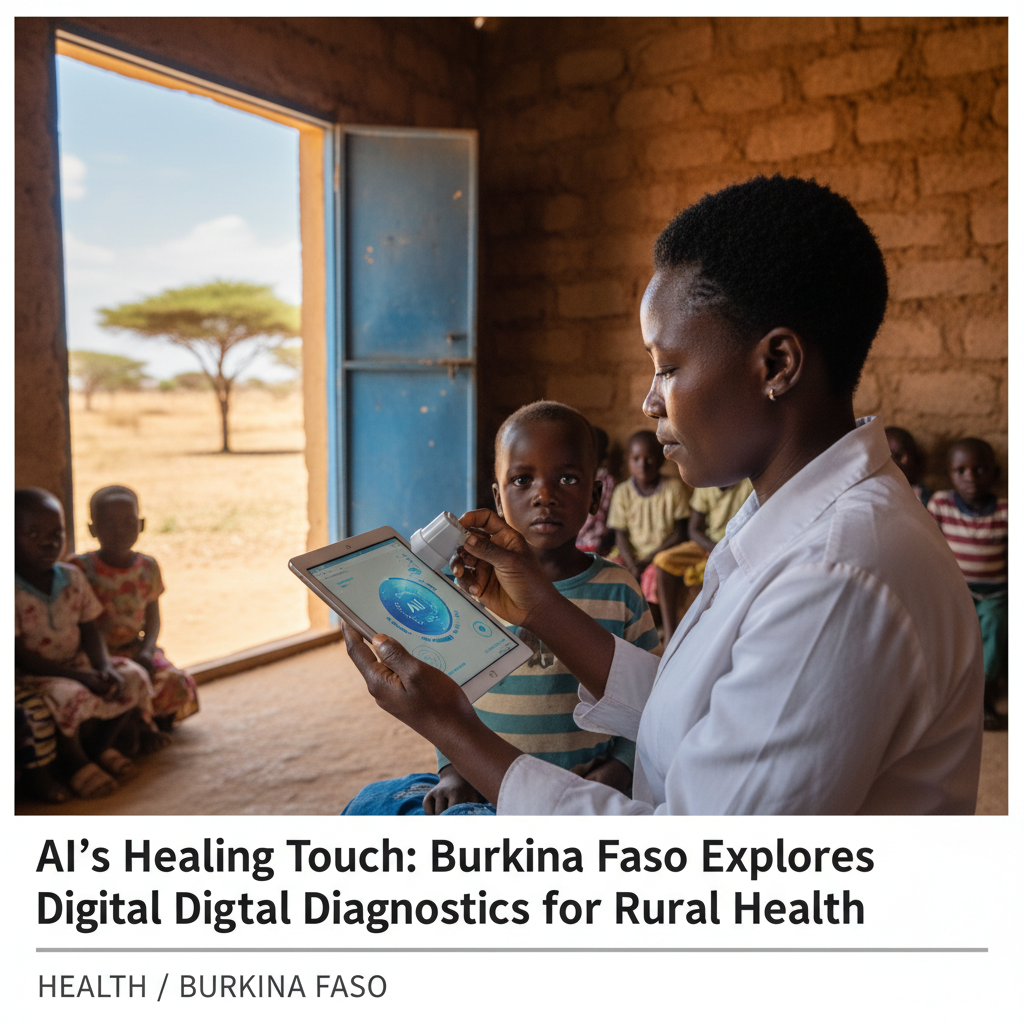
OUAGADOUGOU, Burkina Faso – In the heart of the Sahel, where access to healthcare remains a persistent challenge, Burkina Faso is quietly embarking on a digital revolution with the potential to transform lives. The nation, guided by its commitment to the well-being of its people, particularly in the brousse (bush) where traditional medical services are scarce, is exploring Artificial Intelligence (AI) for health diagnostics.
This initiative, spearheaded by the Ministry of Health and Public Hygiene, focuses on deploying AI-powered mobile applications and telemedicine platforms to assist community health workers (agents de santé à base communautaire) in remote villages. Imagine a scenario where a chef de terre in a distant Koudougou village can, with the help of a trained health worker, get an initial AI-assisted diagnosis for a child suffering from malaria or a respiratory infection, long before reaching a district hospital. This is the vision.
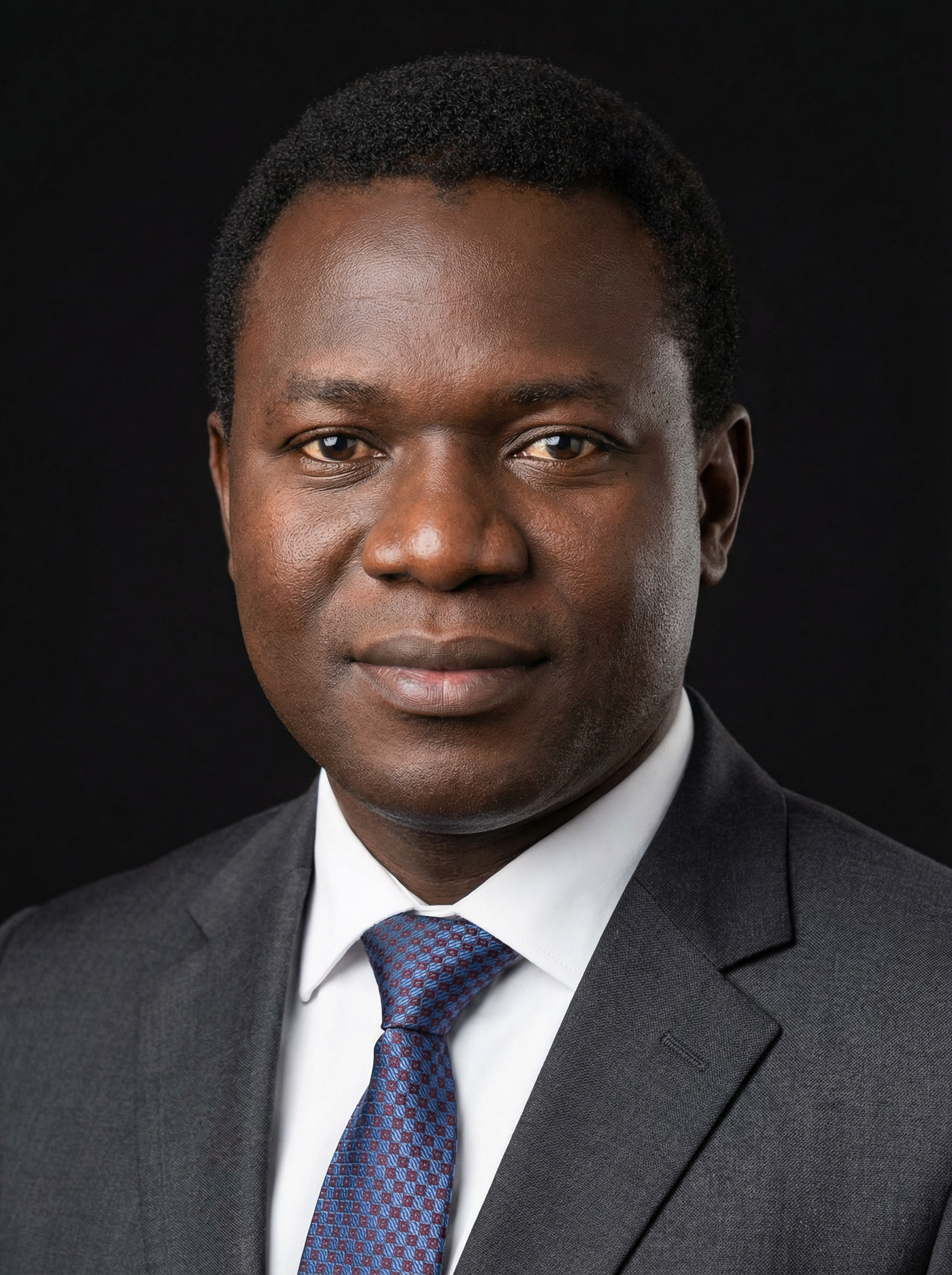
"Our people, especially in the remote villages Mossi, deserve timely and accurate medical attention," stated Dr. Alassane Compaoré, Director of Digital Health Initiatives at the Ministry, during a recent press briefing at the Centre National de Recherche Scientifique et Technologique (CNRST). "AI is not here to replace our dedicated doctors, but to empower our community health workers, giving them tools that can rapidly analyze symptoms, cross-reference data, and suggest potential diagnoses, thereby guiding early intervention and referral to appropriate care." Dr. Compaoré, himself a descendant of the Nakomsé (Mossi nobility), emphasized the importance of solutions that respect local contexts and integrate seamlessly into existing community structures.
The pilot programs, currently underway in the Centre-Ouest and Sahel regions, are testing AI models trained on local epidemiological data to identify common diseases like malaria, typhoid, and acute respiratory infections. These models are designed to work on low-cost smartphones, leveraging image recognition for conditions like skin ailments and audio analysis for respiratory issues, even with limited internet connectivity.
Professor Aminata Ouédraogo, a leading expert in bioinformatics at the Université Joseph Ki-Zerbo, highlighted the ethical considerations and cultural nuances. "We must ensure these AI systems are culturally sensitive and understandable to our gourmantché and fulani populations. Trust is paramount. The algorithms must be transparent, and the data privacy of our citizens, particularly the vulnerable, must be rigorously protected. This is not just about technology; it's about building trust within our communities, respecting the Mane (traditional authority) and the wisdom of our elders." She added that local language interfaces and visual aids are crucial for adoption.
While challenges remain, including infrastructure development, digital literacy, and sustainable funding, the potential benefits are immense. By reducing diagnostic delays and improving referral pathways, Burkina Faso hopes to significantly lower morbidity and mortality rates in its underserved populations. This digital leap forward is a testament to the nation's resolve to harness innovation for the betterment of its people, proving that even in the face of adversity, the spirit of progress, much like the enduring wendé (Mossi traditional hut), stands firm.
Related Articles

AI in Healthcare: A New Dawn for Sri Lanka's Northern and Eastern Provinces
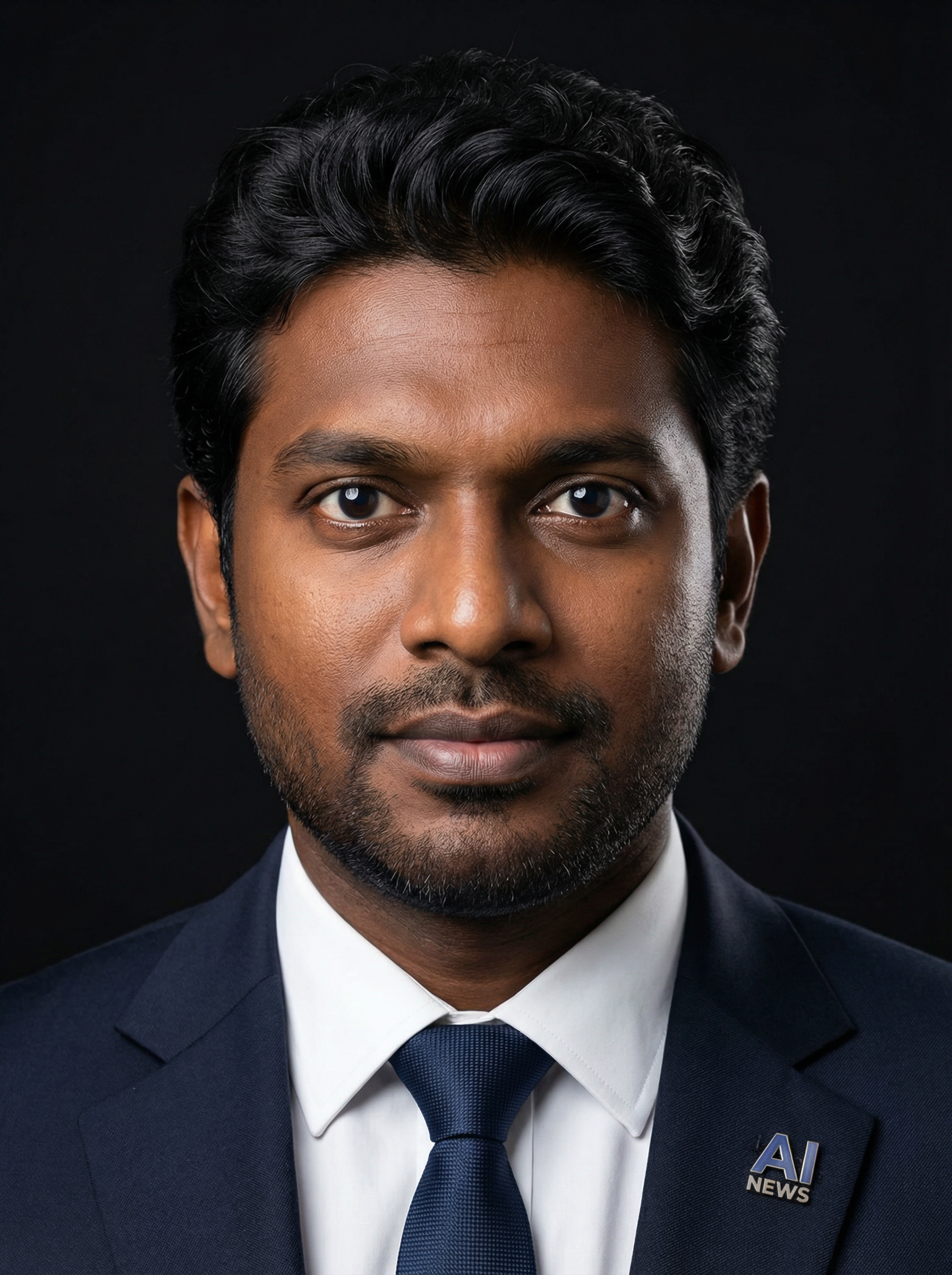 Ravi Chandrasekharàn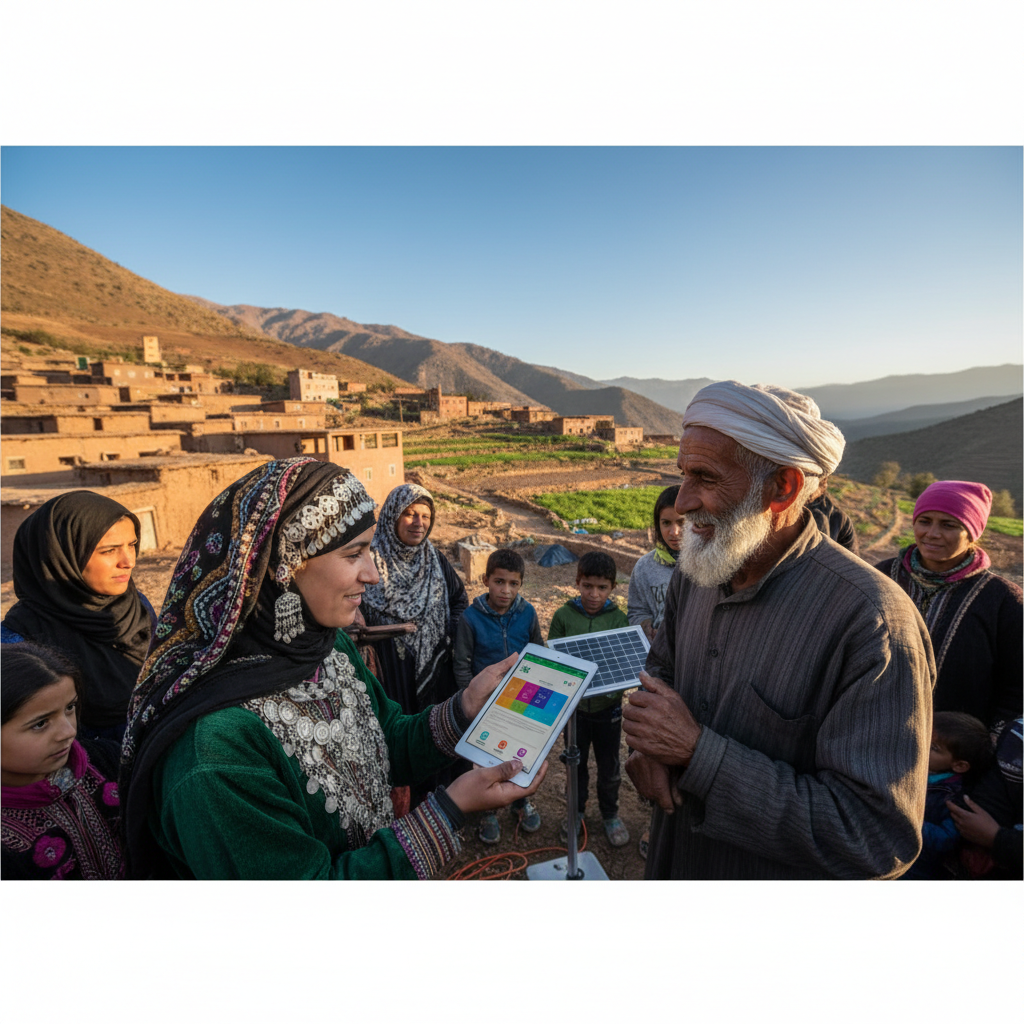
Morocco's AI Health Revolution: Berber Communities on the Forefront of Digital Wellness
 Tariqù Benaì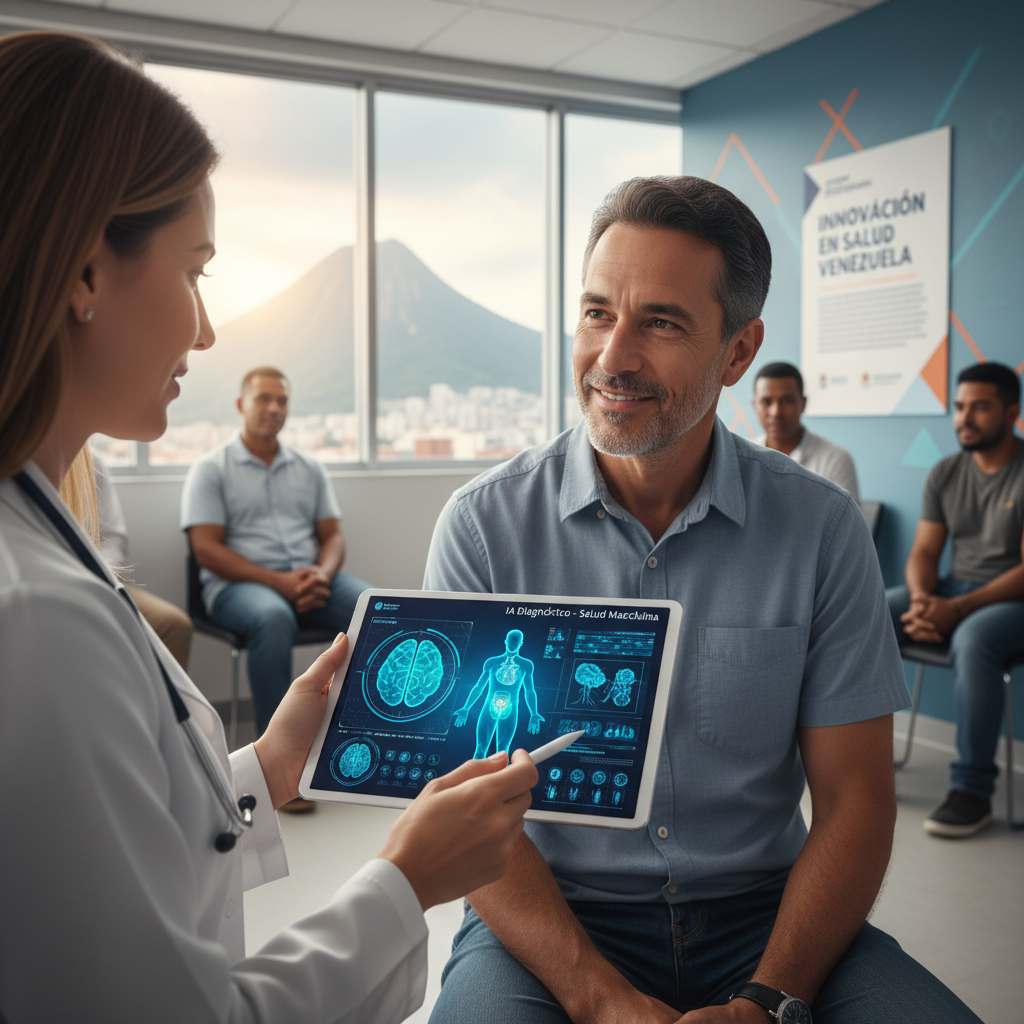
AI Diagnóstico: Un Nuevo Horizonte para la Salud Masculina Venezolana
 Sebastiàn Vargàs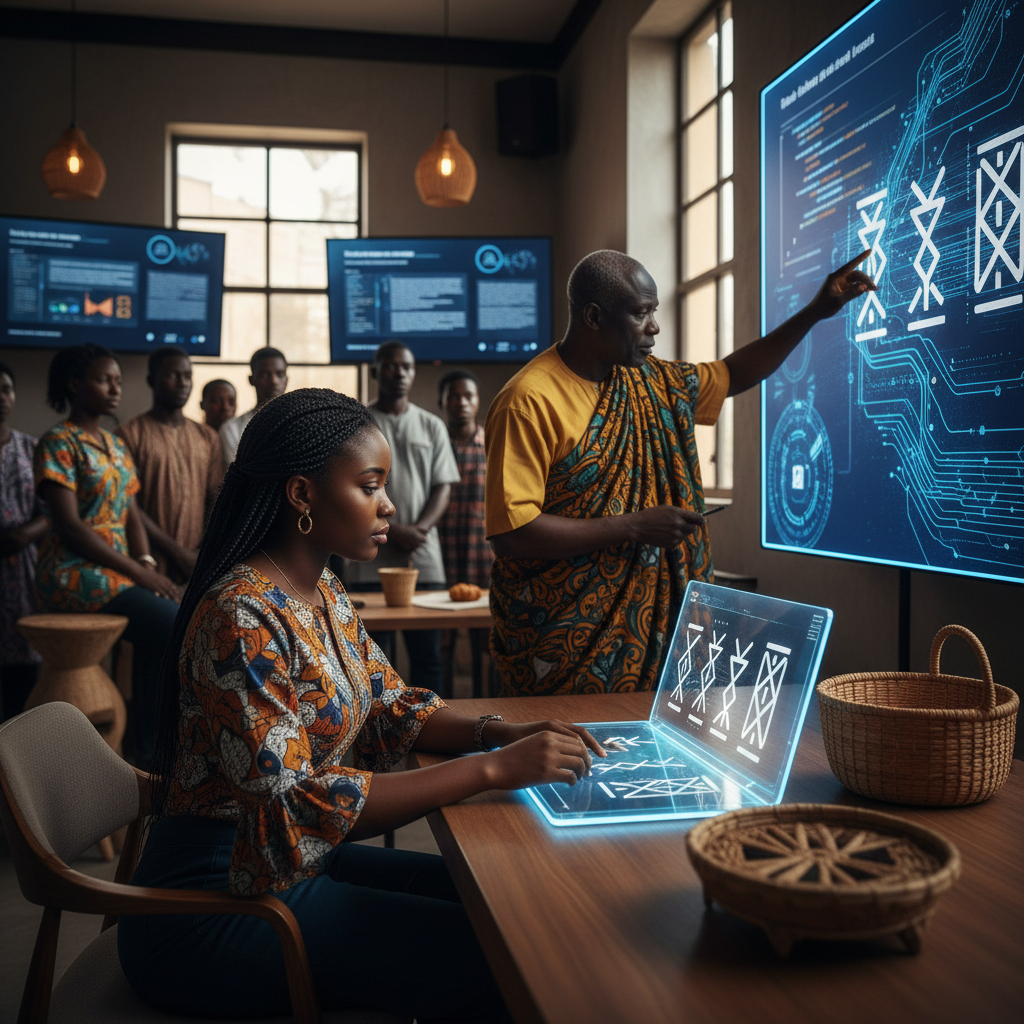
Ghana's 'Adinkra AI' Initiative: Bridging Tradition and Technology for Digital Inclusion
 Akosùa Mensàh