
AI in Healthcare: A New Dawn for Sri Lanka's Northern and Eastern Provinces
Artificial intelligence is poised to revolutionize healthcare delivery in Sri Lanka's underserved Northern and Eastern provinces, offering hope for improved diagnostics and patient care amidst existing challenges. Experts highlight its potential to bridge critical resource gaps.
Click play to listen to this article read aloud using text-to-speech.

AI in Healthcare: A New Dawn for Sri Lanka's Northern and Eastern Provinces
Jaffna, Sri Lanka – The promise of Artificial Intelligence (AI) is increasingly being explored as a transformative force in healthcare across Asia, and Sri Lanka, particularly its historically underserved Northern and Eastern provinces, stands to gain immensely. As a journalist from the Vanni, I've witnessed firsthand the persistent challenges in healthcare access and specialist availability that have long plagued these regions, issues exacerbated by decades of conflict and underdevelopment. AI now presents a compelling opportunity to bridge these critical gaps.
Recent discussions at the 'Digital Health Sri Lanka 2026' summit in Colombo highlighted several initiatives focusing on AI integration. Dr. Kumaran Sivalingam, a prominent public health specialist originally from Batticaloa and currently advising the Ministry of Health, articulated this vision. "For too long, our brothers and sisters in the North and East have faced disparities in medical care, particularly in areas requiring specialized diagnostics like radiology and pathology," Dr. Sivalingam stated. "AI-powered diagnostic tools, even those running on relatively low-cost hardware, can provide preliminary analyses of medical images and lab results, assisting our dedicated but often overburdened medical officers in remote grama niladhari divisions. This isn't about replacing human expertise, but augmenting it, ensuring quicker and more accurate initial assessments."
One particularly promising application involves AI in early disease detection. For instance, AI algorithms trained on vast datasets of medical images can detect subtle signs of diabetic retinopathy or certain cancers, conditions that often go undiagnosed until advanced stages in areas with limited access to ophthalmologists or oncologists. The University of Jaffna's Faculty of Medicine, in collaboration with the National Institute of Health Sciences, is reportedly piloting a project using AI for preliminary screening of non-communicable diseases in selected primary care units in Kilinochchi and Mullaitivu.
However, the path to widespread adoption is not without its hurdles. Infrastructure, particularly reliable internet connectivity, remains a significant challenge in many rural areas of the Northern and Eastern provinces. Furthermore, the ethical implications of AI in healthcare, including data privacy and algorithmic bias, require careful consideration. "We must ensure that the datasets used to train these AI models are representative of our diverse population, including the unique genetic and environmental factors prevalent in our Tamil communities," cautioned Ms. Janani Thangarajah, a data ethics researcher affiliated with the University of Peradeniya. "Bias in algorithms could lead to misdiagnosis or inadequate treatment, perpetuating existing health inequities rather than resolving them."
Despite these challenges, the general sentiment among local health administrators is one of cautious optimism. Mr. Arulrajah Selvaratnam, the Regional Director of Health Services for Vavuniya, remarked, "We are eager to explore solutions that can empower our frontline healthcare workers. AI, if implemented thoughtfully and with community engagement, could be a game-changer, bringing a higher standard of care closer to our people, from Point Pedro to Pottuvil. It's about leveraging technology to uphold the right to health for every citizen, regardless of their geographical location or the availability of a specialist physician."
The integration of AI into Sri Lanka's healthcare system, particularly in regions striving for equitable development, represents a crucial step towards a more resilient and accessible future for all its citizens.
Related Articles
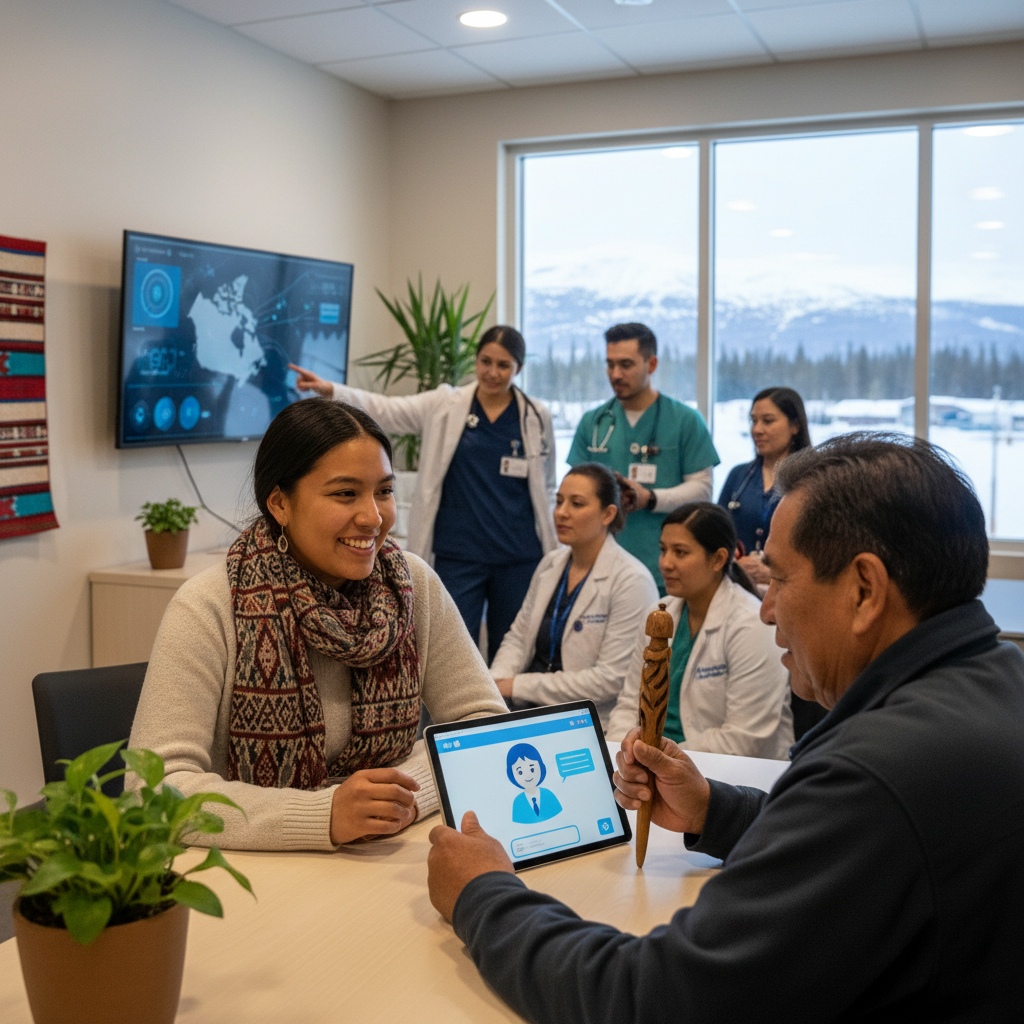
AI in Northern Health: Bridging Gaps for Indigenous Communities in Canada
 Ingridè Bjornssòn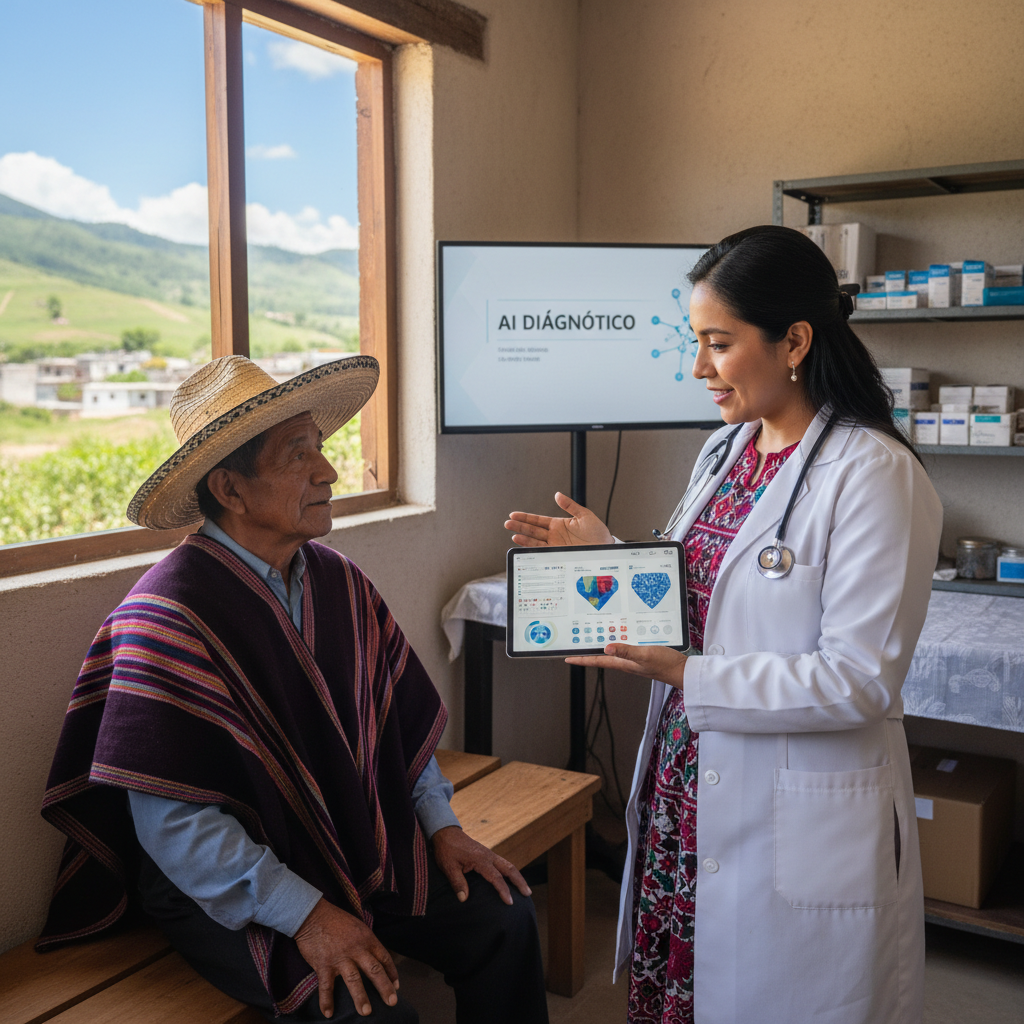
AI Diagnóstico: Mexico's Bet on AI for Public Health in Rural Areas
 Alejandroó Riveràs
AI's Tamil Tongue: Preserving Heritage in a Digital Age, Sri Lankan Perspectives
Ravi Chandrasekharàn
Azerbaijani Women Drive AI Integration in SME Sector, Boosting National Economy
 Aynurè Abdullayevà