
AI's Tamil Tongue: Preserving Heritage in a Digital Age, Sri Lankan Perspectives
As AI's influence grows, Sri Lankan Tamil scholars and technologists are spearheading efforts to integrate Tamil language and cultural nuances into AI models, ensuring heritage thrives in the digital era.
Click play to listen to this article read aloud using text-to-speech.

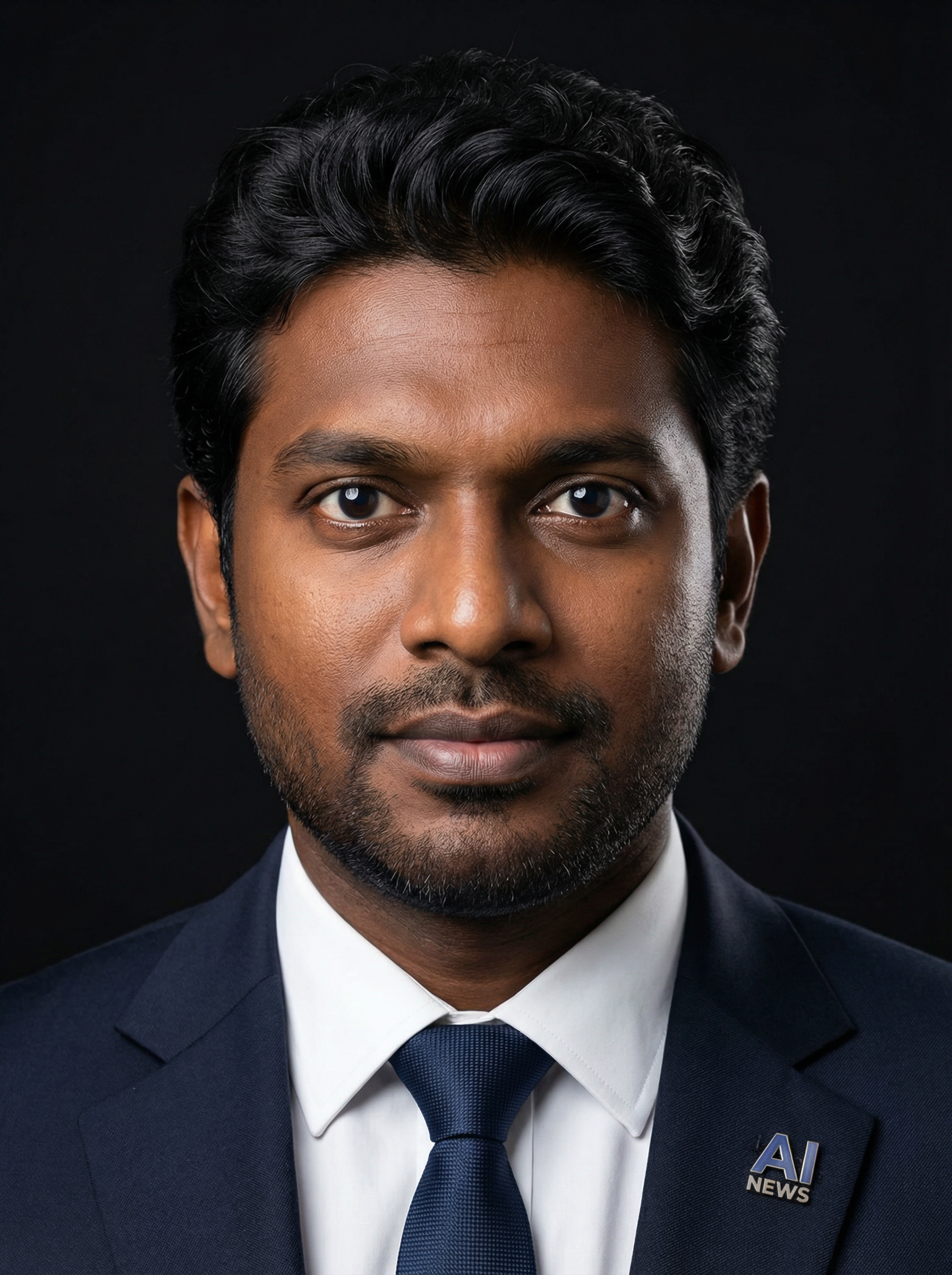
COLOMBO, Sri Lanka – The rapid ascent of Artificial Intelligence presents both opportunities and challenges for the preservation of linguistic and cultural heritage, a concern deeply felt within Sri Lanka's Tamil community. As global tech giants push AI boundaries, local initiatives are emerging to ensure that the rich tapestry of Tamil culture, from its ancient literature to its intricate folk arts, is not lost in the algorithmic tide.
Dr. Karthigesu Sivanathan, a prominent linguist and Head of the Department of Tamil Studies at the University of Jaffna, emphasizes the urgency. "For generations, our oral traditions and written works have been the bedrock of our identity. Now, with AI, we have the potential to digitize, analyze, and disseminate this knowledge like never before. But this requires intentional development, not just passive consumption of global models," he stated during a recent symposium on 'AI and Cultural Preservation' held in Batticaloa.
One significant hurdle is the limited representation of Tamil language data in mainstream AI training sets. "Many large language models, while impressive, often struggle with the nuances of Dravidian languages like Tamil, particularly regional dialects prevalent in the North and East of Sri Lanka," explains Ms. Anushiya Rajendran, a data scientist leading the 'Tamil AI Initiative' based in Kilinochchi. Her team is collaborating with local universities and cultural organizations to curate vast datasets of Tamil text, speech, and even visual representations of traditional arts. "Our goal is to create open-source Tamil language models that truly understand our cultural context, from Sangam literature to contemporary colloquialisms," Rajendran added.
This endeavor extends beyond mere translation. Experts are exploring how AI can help digitize and restore ancient palm-leaf manuscripts, analyze traditional music patterns, or even generate narratives in the style of classical Tamil epics. "Imagine an AI that can help reconstruct fragmented historical texts, or one that can teach the intricacies of Bharatanatyam mudras through interactive visual learning," muses Mr. Selvarajah Thangavelu, a cultural activist and former director of the Ministry of Cultural Affairs (Northern Province). "This isn't about replacing human creativity, but augmenting our capacity to preserve and pass on our heritage to the next generation, particularly those in the diaspora who may feel disconnected."
The government, through the Ministry of Technology, has shown nascent interest, pledging support for digital infrastructure and data localization efforts. "We recognize the importance of fostering indigenous AI capabilities, especially for languages like Tamil and Sinhala, which are integral to our national identity," remarked a spokesperson from the Ministry. However, funding remains a perennial challenge, often relying on philanthropic contributions and international grants.
As Sri Lanka navigates its digital future, the proactive engagement of its Tamil community in shaping AI's linguistic and cultural dimensions stands as a testament to resilience and foresight. It's a critical step towards ensuring that technological progress serves not only economic growth but also the enduring spirit of a vibrant civilization.
Related Articles
Japan's AI Gender Gap: Bridging the Divide in a Digital Future
 Yuki Tanakà
AI-Powered 'Smart Grids' Revolutionize Japan's Energy Future Amidst Climate Imperatives
 Hiroshì Yamadà
Jaffna's AI Leap: Tamil Startups Drive Ethical Innovation in Language Tech
Ravi Chandrasekharàn
Azerbaijani Women Drive AI Integration in SME Sector, Boosting National Economy
 Aynurè Abdullayevà