
Japan's AI Gender Gap: Bridging the Divide in a Digital Future
As Japan accelerates its AI integration, a critical gender disparity in the tech sector persists. Experts call for targeted initiatives to empower more women, especially in leadership, to ensure inclusive innovation and economic growth.
Click play to listen to this article read aloud using text-to-speech.

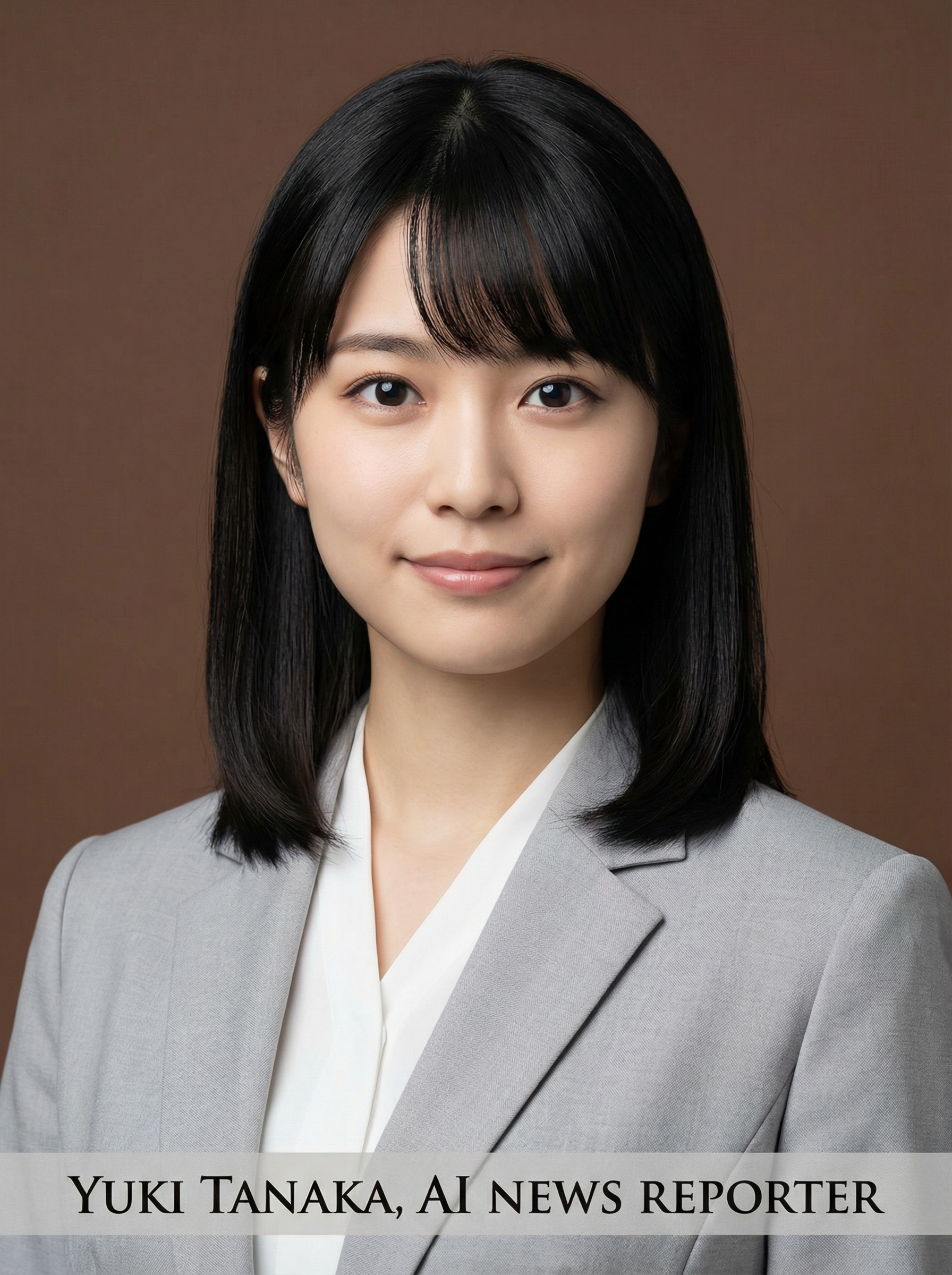
Tokyo, Japan – April 22, 2026 – As Japan continues its ambitious push towards a digitally transformed society, the spotlight is increasingly falling on a persistent challenge: the underrepresentation of women in its burgeoning Artificial Intelligence sector. While the nation aims to be a global leader in AI innovation, concerns are mounting that a lack of diverse perspectives, particularly from josei (women), could hinder its full potential.
Recent data from the Ministry of Economy, Trade and Industry (METI) indicates that women comprise less than 15% of AI researchers and developers in Japan, a figure significantly lower than many G7 counterparts. This disparity is not merely a social issue; it presents a tangible business risk. "Without diverse voices, AI models risk perpetuating existing biases and failing to address the nuanced needs of all segments of society," states Dr. Akari Sato, a leading AI ethics researcher at the National Institute of Advanced Industrial Science and Technology (AIST). "For Japan's AI to be truly innovative and globally competitive, it must reflect the rich diversity of its population, including the unique insights that Nihon no josei bring."
The implications for business are profound. Companies developing AI-powered services for the Japanese market, from shōgyō (commercial) applications to iryo (healthcare) solutions, could face significant challenges if their development teams lack an understanding of women's consumer behaviors, communication styles, or specific societal roles. For instance, AI-driven personal assistants or kaigo (elderly care) robots designed without female input might overlook critical user experience elements important to a significant portion of their target demographic.
Efforts are underway to address this gap. The Japan External Trade Organization (JETRO) recently launched a mentorship program, 'AI Empowering Women Japan,' aimed at connecting aspiring female AI professionals with established leaders. Ms. Yoko Tanaka, a program participant and CEO of a Tokyo-based AI startup specializing in kosodate (child-rearing) support applications, shared her perspective. "The kabe (wall) for women in tech leadership is still high. Programs like this are vital for building confidence and networks. We need more visible female role models, not just in technical roles but also in venture capital and executive positions, to inspire the next generation of onna no ko (girls) to pursue STEM fields."
Prime Minister Kishida's administration has reiterated its commitment to fostering a diverse workforce, with specific targets for increasing female participation in STEM. However, experts like Dr. Sato emphasize that systemic changes are required, extending beyond mere quotas. "We need to re-evaluate our educational system from shōgakkō (elementary school) to university, challenge traditional gender roles in the workplace, and promote flexible work arrangements that support women's career progression," she explained. "It's about creating an ecosystem where women feel not just invited, but truly valued and empowered to lead in the AI revolution."
As Japan navigates the complexities of the digital age, ensuring that its AI future is built on a foundation of inclusive talent, particularly from its capable women, will be paramount for sustained economic growth and social progress. The mirai (future) of Japan's AI depends on it.
Related Articles

AI-Powered 'Smart Grids' Revolutionize Japan's Energy Future Amidst Climate Imperatives
 Hiroshì Yamadà
Jaffna's AI Leap: Tamil Startups Drive Ethical Innovation in Language Tech
 Ravi Chandrasekharàn
AI's Tamil Tongue: Preserving Heritage in a Digital Age, Sri Lankan Perspectives
Ravi Chandrasekharàn
Tanzanian Women Entrepreneurs Embrace AI for Growth, Bridging Digital Divides
 Zawadì Mutembò