
Ghana's AI Future: Balancing Innovation with 'Adwuma' for All
As AI's influence grows, Ghana grapples with integrating advanced technology while ensuring it benefits all citizens, particularly women in traditional and emerging sectors. Experts call for inclusive policies to prevent digital divides.
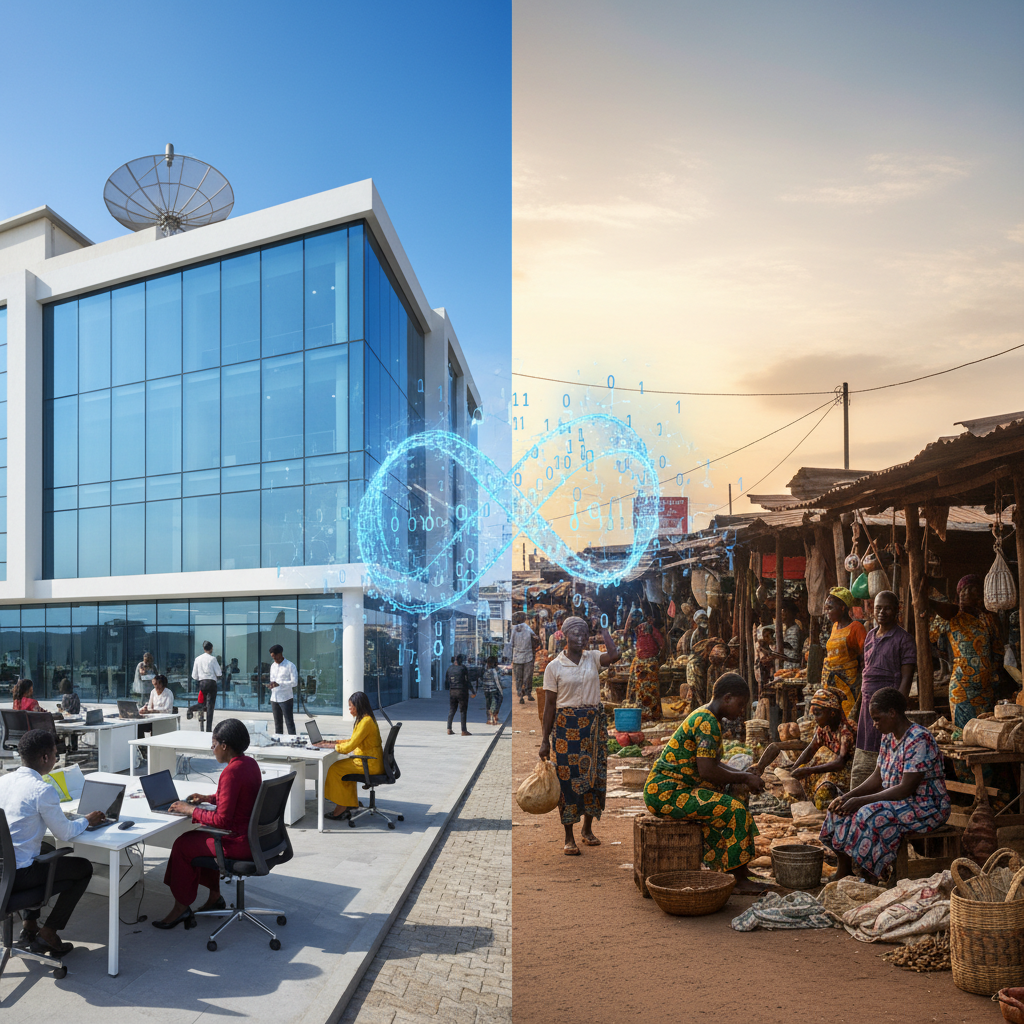
ACCRA, GHANA – April 15, 2026 – The drumbeats of digital transformation echo across Ghana, with Artificial Intelligence (AI) increasingly taking center stage. Yet, for many, especially Akan women who form the backbone of our informal economy, the promise of AI must translate into tangible benefits, or 'adwuma' (work), that uplifts communities rather than displaces them.
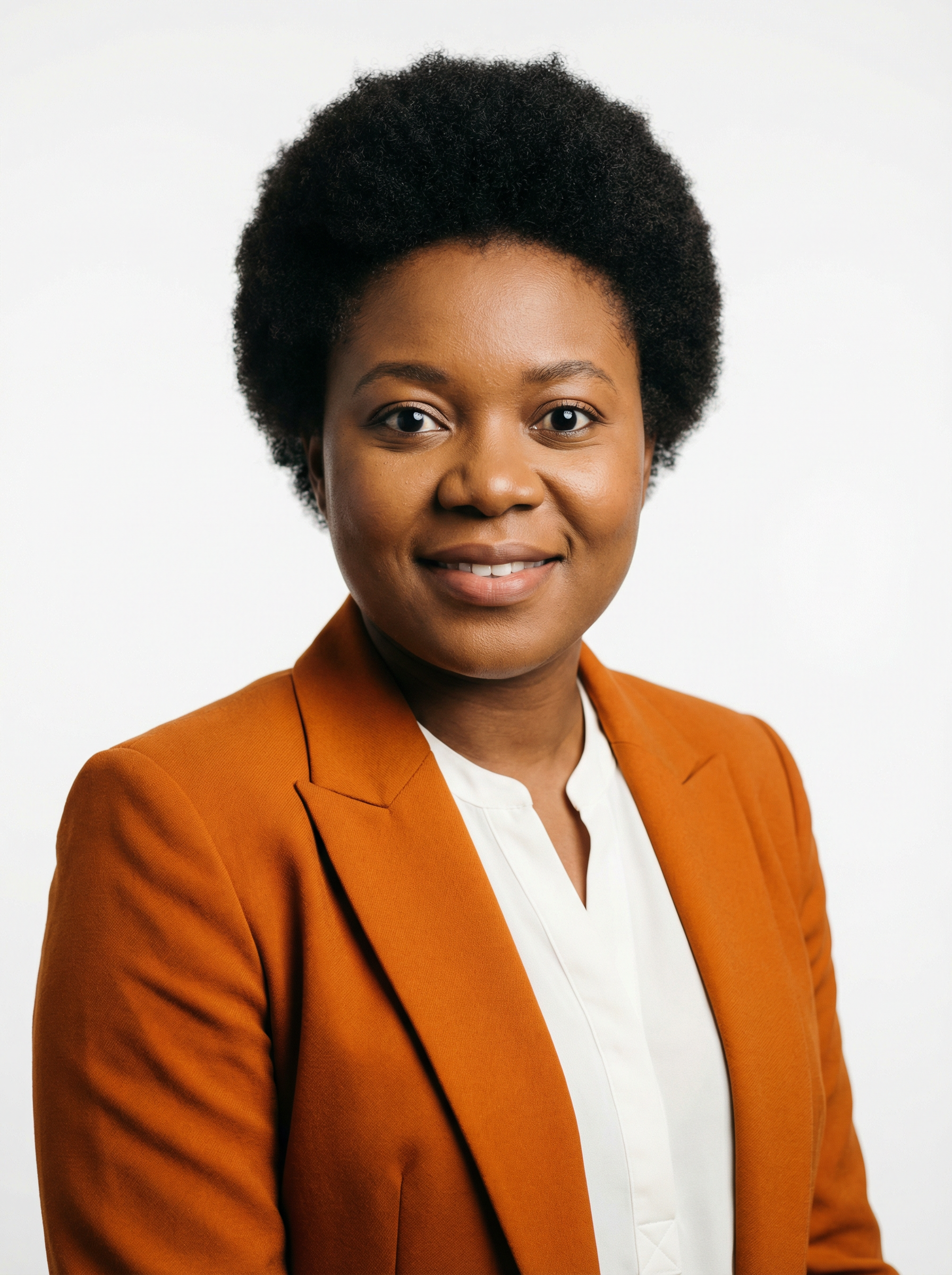
Recent discussions at the Ghana-Africa AI Summit, hosted by the Kofi Annan International Peacekeeping Training Centre, highlighted the dual challenge of embracing innovation while safeguarding livelihoods. Dr. Ama Serwaa Botchway, a leading technologist and gender advocate from the University of Ghana, emphasized this dichotomy. "We cannot afford to let AI become another tool that widens the gap between the 'haves' and 'have-nots'," she stated during a panel. "For our market women, our 'kayayei' (female porters), and our artisans, AI must be a ladder, not a barrier. We need culturally sensitive AI solutions that understand our unique contexts, from predicting crop yields for our farmers to optimizing logistics for small businesses."
Ghana's Ministry of Communications and Digitalisation has been vocal about its commitment to an inclusive digital economy. Hon. Ursula Owusu-Ekuful, in a recent address, reiterated the government's focus on digital literacy programs. "Our goal is to ensure that every Ghanaian, regardless of their location or background, can harness the power of AI," she said. "This includes targeted training for women in STEM and reskilling initiatives for those whose traditional roles might be impacted by automation. We are working with institutions like the Ghana Institute of Management and Public Administration (GIMPA) to develop curricula that are relevant and accessible."
However, concerns remain. The rapid deployment of AI in sectors like customer service and data entry raises questions about job security. Ms. Afia Osei, a former data entry clerk now retraining in digital marketing, shared her experience. "When the company brought in AI for routine tasks, many of us felt redundant. It was a wake-up call. We need more support, more affordable training, especially for women who often have family responsibilities that limit their time and resources for upskilling."
The 'Ghanaian AI for Good' initiative, a public-private partnership, is attempting to bridge this gap by funding projects that use AI to address local challenges, such as improving maternal healthcare access in rural areas or developing AI-powered educational tools in local languages. This approach, rooted in the 'ubuntu' philosophy of interconnectedness, seeks to ensure that technological advancement serves the collective good.
As Ghana navigates this exciting yet complex AI landscape, the call from experts like Dr. Botchway is clear: the path forward must be paved with foresight, empathy, and a deep understanding of our social fabric. Only then can AI truly become a force for equitable progress, ensuring that the benefits of this new era are shared by all, from the bustling markets of Makola to the tech hubs of Accra. The 'Adwuma' for all must remain at the heart of our AI strategy.
Related Articles

AI in Malian Healthcare: A Double-Edged Sword for Our Communities
 Mouhamadouù Bâ
AI 'Eyes' on the Field: Zimbabwe's Warriors Embrace Tech for Talent Scouting
 Zinhlée Khumàlo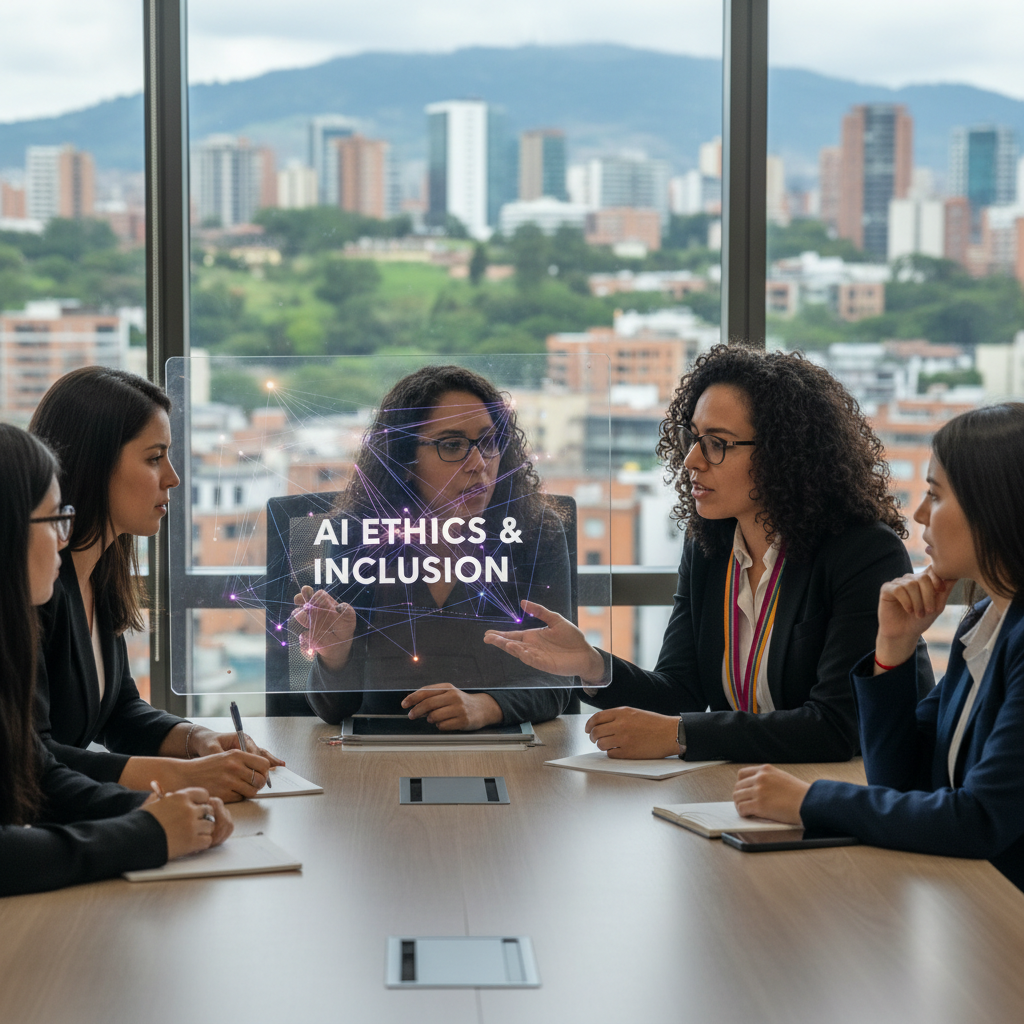
Colombian Women Lead AI Ethics Debate: Ensuring Inclusivity in Digital Transformation
 Valentinà Lopèz
Burkina Faso Explores AI for Malaria Early Detection, Aiding Rural Health
 Idrissà Ouédraogò