
Burkina Faso Explores AI for Malaria Early Detection, Aiding Rural Health
Burkina Faso is pioneering AI-driven diagnostics to combat malaria, focusing on early detection in remote areas. This initiative leverages local expertise and technology to strengthen public health, drawing on traditional knowledge and modern innovation.
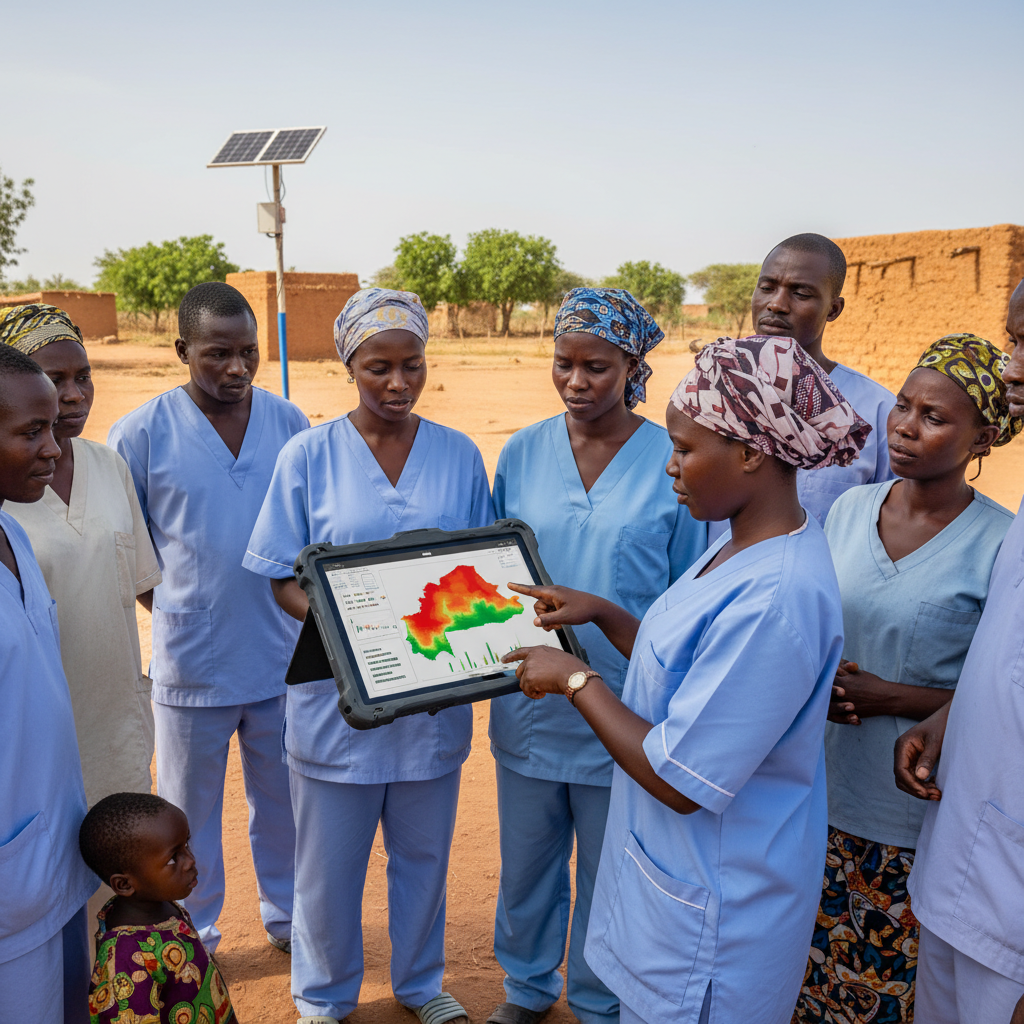
OUAGADOUGOU, Burkina Faso – In a significant stride towards bolstering public health, Burkina Faso is actively exploring the integration of Artificial Intelligence (AI) into its healthcare system, with a particular focus on the early detection and management of malaria. This initiative, deeply rooted in the nation's commitment to its people, especially those in rural communities, promises to revolutionize how the fight against the endemic disease is waged.
For generations, the Mossi people, like many across the Sahel, have faced the scourge of banga (malaria), understanding its seasonal rhythms and devastating impact. Now, the Ministry of Health, in collaboration with local tech innovators and international partners, is championing AI models designed to analyze microscopic blood samples for Plasmodium falciparum parasites with unprecedented speed and accuracy. This could be a game-changer for health centers, particularly the CSPS (Centre de Santé et de Promotion Sociale) in remote areas, where access to specialized laboratory personnel is often limited.
Dr. Fatoumata Diallo, Director of Public Health at the Ministry, emphasized the project's potential impact during a recent press briefing. "Our vision is to empower every agent de santé (health worker), even in the most isolated villages (villages), with tools that transcend traditional limitations. AI, when tailored to our context, can act as a force multiplier, ensuring that a child with a fever in a distant canton (district) receives a rapid, accurate diagnosis, preventing severe complications and saving lives. This is about bringing the best of sagesse (wisdom) and technology to our people."
The initiative is not merely about importing foreign technology; it's about adaptation and local ownership. Researchers at the Institut de Recherche en Sciences de la Santé (IRSS) in Ouagadougou are working on refining algorithms using a vast dataset of local blood smears, ensuring the AI's efficacy against the specific strains prevalent in Burkina Faso. "We are building on our understanding of local epidemiology," explained Professor Oumarou Sawadogo, a lead researcher at IRSS. "The AI must learn from our realities, from the subtle morphological variations of the parasite as seen in our patients (patients). This is a true example of koom (collective effort) for a healthier future."
One of the most promising applications is in predictive analytics. By integrating climate data, mosquito population trends, and historical infection rates, AI models could forecast malaria outbreaks, allowing for proactive interventions like targeted mosquito net distribution or early public health campaigns. This proactive approach aligns with the traditional Mossi understanding of anticipating seasonal challenges, a form of nongl-yelle (foresight) now augmented by digital intelligence.
While challenges remain, including infrastructure for connectivity and training for health personnel, the enthusiasm is palpable. The project aims to pilot AI-powered diagnostic tools in several provinces (provinces) by late 2026, starting with regions historically burdened by malaria. This endeavor marks a pivotal moment, demonstrating how Burkina Faso is harnessing the power of AI not just for economic growth, but for the fundamental well-being and health of its citizens.
Related Articles
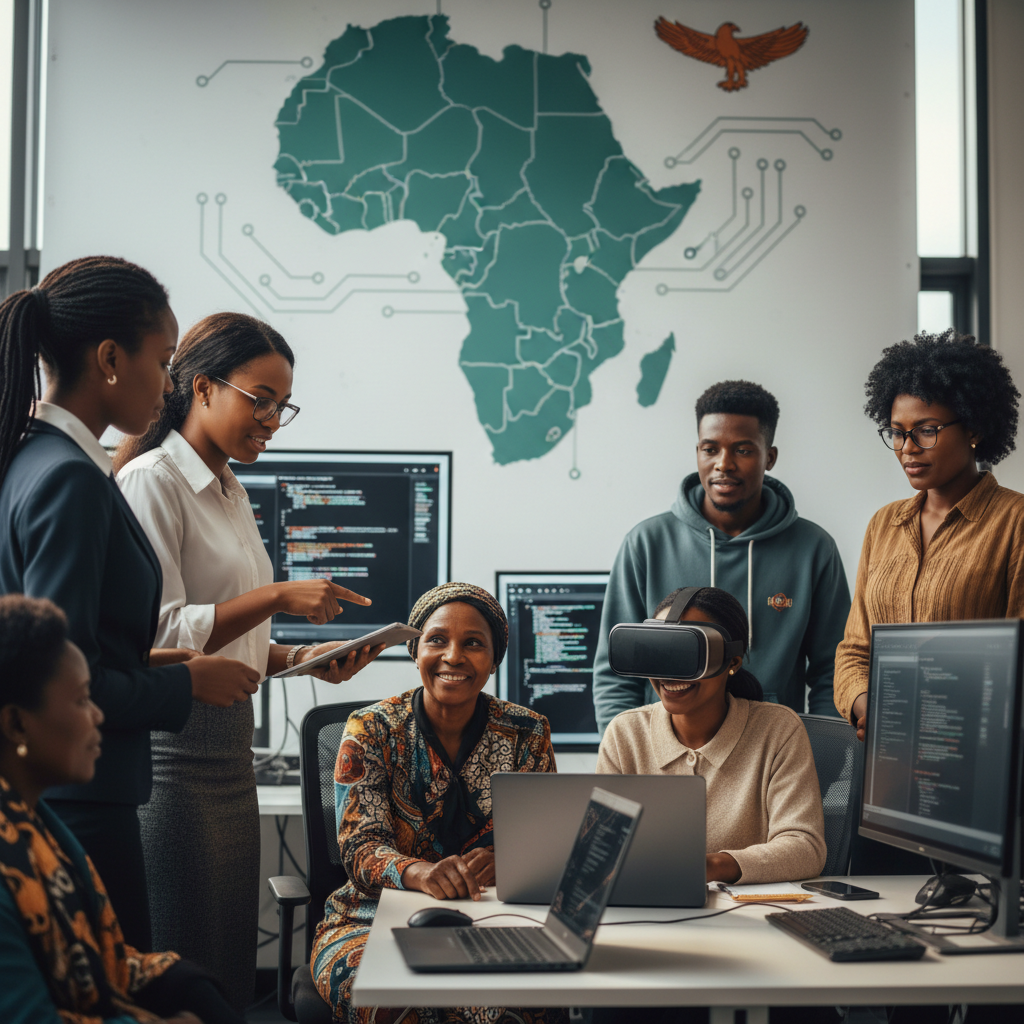
Zambia's AI Strategy: Bridging the Digital Gender Divide for Inclusive Growth
 Lindiwe Sibandà
Burkina Faso Embraces AI for Education: A New Dawn for 'Bõnga' Learning
Idrissà Ouédraogò
AI-Powered Early Breast Cancer Detection: A Game Changer for Korean Women's Health
 Soo-Yéon Kimm
AI in Malian Healthcare: A Double-Edged Sword for Our Communities
 Mouhamadouù Bâ