
AI Scores Big for Tanzanian Women's Football: Twiga Stars Eyeing Digital Edge
Tanzania's national women's football team, the Twiga Stars, are exploring AI-driven analytics to enhance performance, signaling a new era for women in sports technology across East Africa. This move aims to level the playing field and empower female athletes.
Click play to listen to this article read aloud using text-to-speech.


Dar es Salaam, Tanzania – The roar of the crowd at the Benjamin Mkapa National Stadium might soon be fueled not just by passion, but by pixels and algorithms. Tanzania's national women's football team, the Twiga Stars, are reportedly in advanced discussions to integrate Artificial Intelligence (AI) into their training and match strategy, a move that could redefine performance analytics for women's sports across the continent.
This groundbreaking initiative, championed by the Tanzania Football Federation (TFF) and supported by local tech innovators, aims to leverage AI for detailed player tracking, tactical analysis, injury prevention, and even talent identification from the grassroots up. “Our Twiga Stars deserve every tool available to compete at the highest level,” stated Mama Halima Juma, a prominent sports administrator and board member of the Tanzania Women in Sports Association (TAWISA). “For too long, women’s sports have been under-resourced. AI offers an equitable pathway to excellence, ensuring our young women are not left behind in the global digital transformation.”
The proposed AI system, potentially developed in collaboration with a Tanzanian startup specializing in data analytics, would analyze vast amounts of data from training sessions and matches. This includes player movement, passing accuracy, shot efficiency, and even physiological responses. “Imagine knowing precisely when a player is at peak performance or at risk of burnout,” explained Dr. Asha Mchunga, a data scientist and lecturer at the University of Dar es Salaam, who is advising the TFF on the project. “This isn't about replacing human coaching; it’s about augmenting it with objective, real-time insights that can inform decisions, tailor individual training programs, and ultimately, elevate our game.”
For Zawadì Mutembò, a seasoned reporter with a focus on Tanzanian women's empowerment, this development is particularly poignant. “This isn't just about football; it’s about visibility and validation for our wanawake in sports,” she observed. “When we invest in cutting-edge technology for our female athletes, we are sending a powerful message that their talent, their dedication, and their potential are valued equally. It challenges the historical disparities in resource allocation and opens doors for future generations of sportswomen and women in STEM.”
The TFF’s commitment to this venture reflects a broader national agenda to embrace digital innovation. While challenges remain, such as infrastructure limitations and digital literacy in some rural areas, the enthusiasm is palpable. “Our goal is not just to win matches, but to inspire a nation,” added Mama Halima. “By embracing AI, the Twiga Stars are not only chasing trophies but also championing a future where Tanzanian women are at the forefront of technological advancement, both on and off the pitch. This is a victory for every girl dreaming of a brighter, digitally-empowered future.”
The coming months will see pilot programs launched, with the hope that by the next major tournament, the Twiga Stars will be armed with an AI-driven advantage, ready to shine even brighter on the international stage.
Related Articles
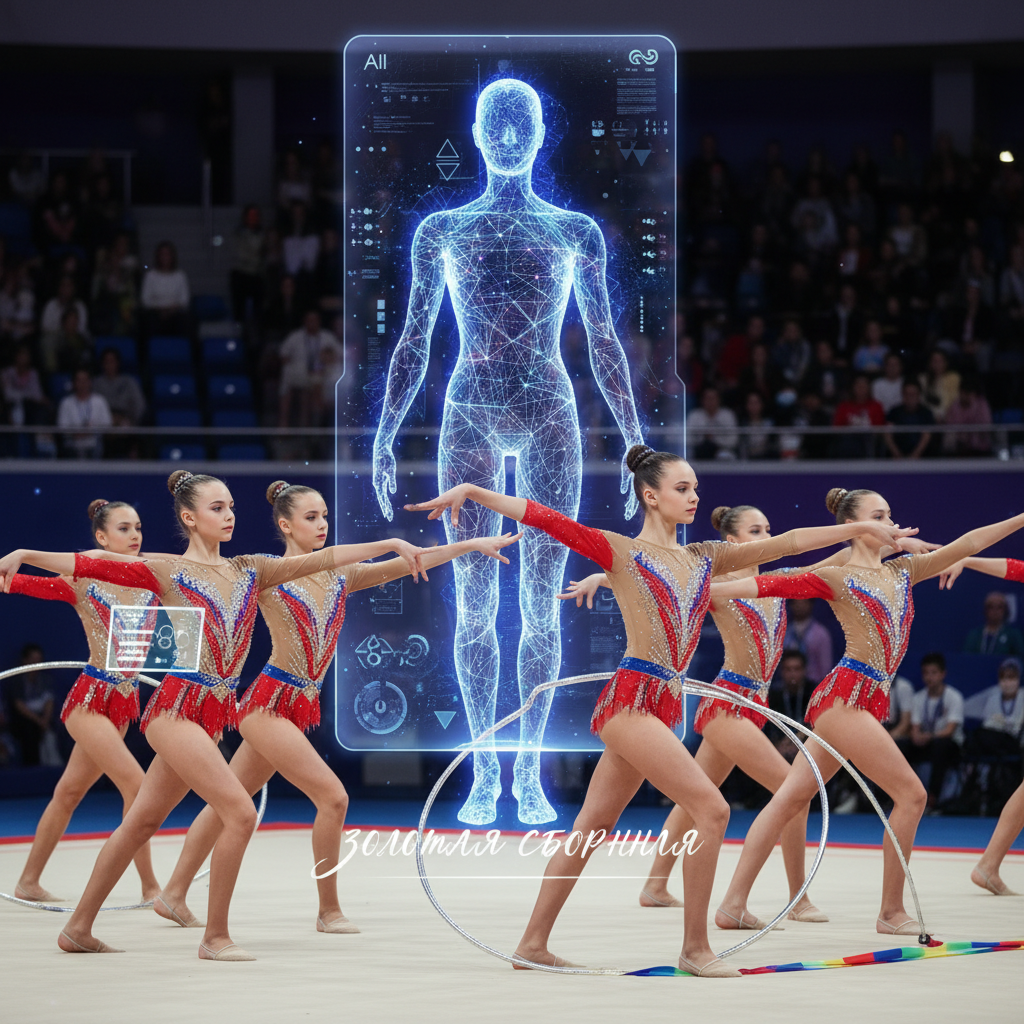
AI Coaches Revolutionize Russian Rhythmic Gymnastics: A New Era for 'Zolotaya Sbornaya'
 Élèna Petrovà
AI in Maternal Health: A New Dawn for Yoruba Women and Beyond in Nigeria
 Nkirukà Ezenwà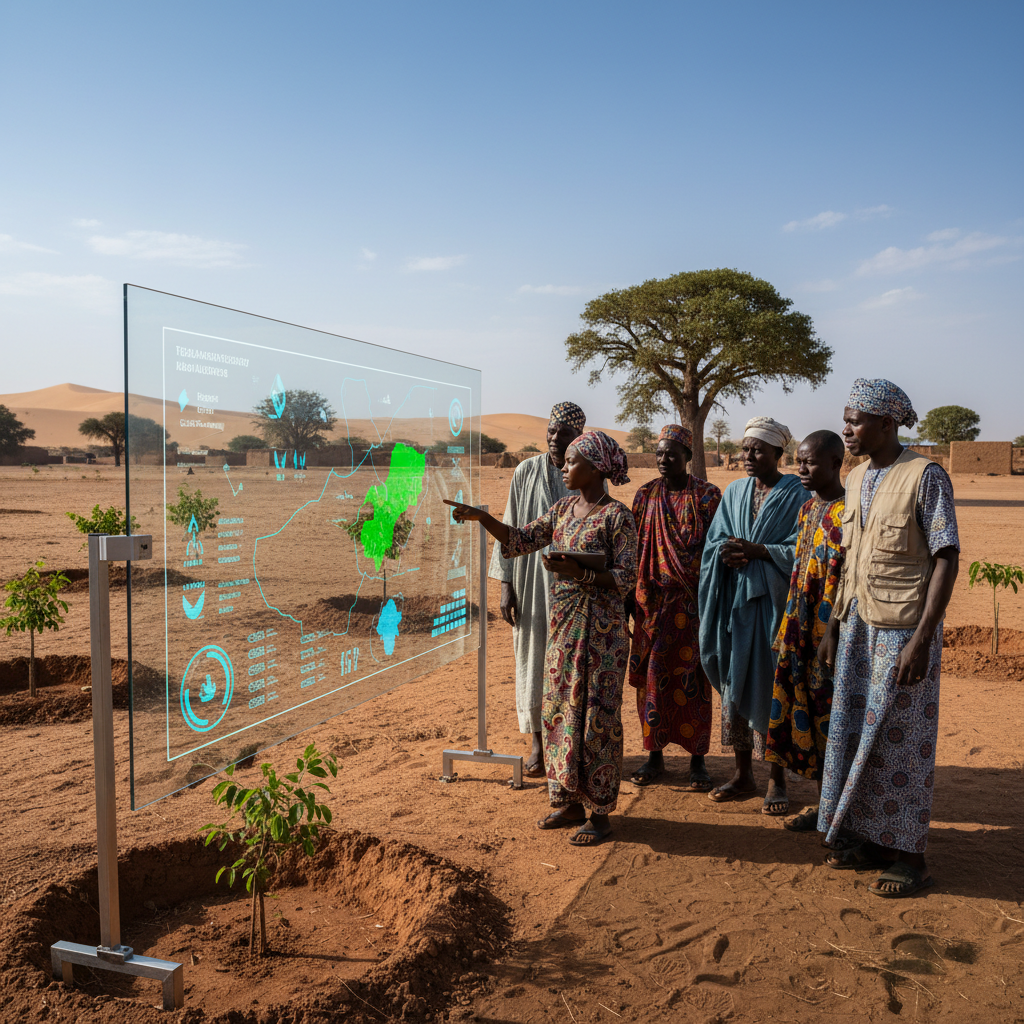
AI's Baoré: Burkina Faso Fights Desertification with Digital Wisdom
 Idrissà Ouédraogò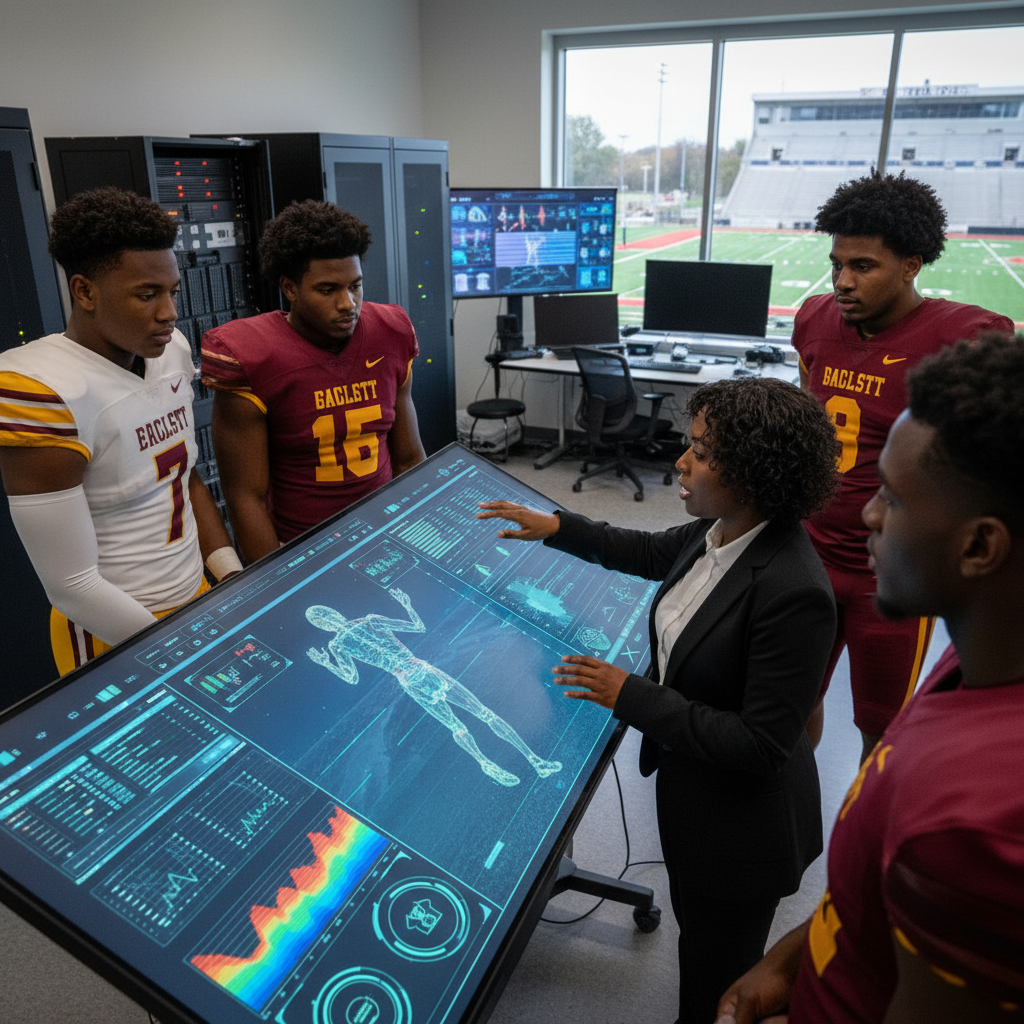
AI's New Playbook: Revolutionizing HBCU Sports Analytics and Athlete Development
 Deshawné Thompsòn