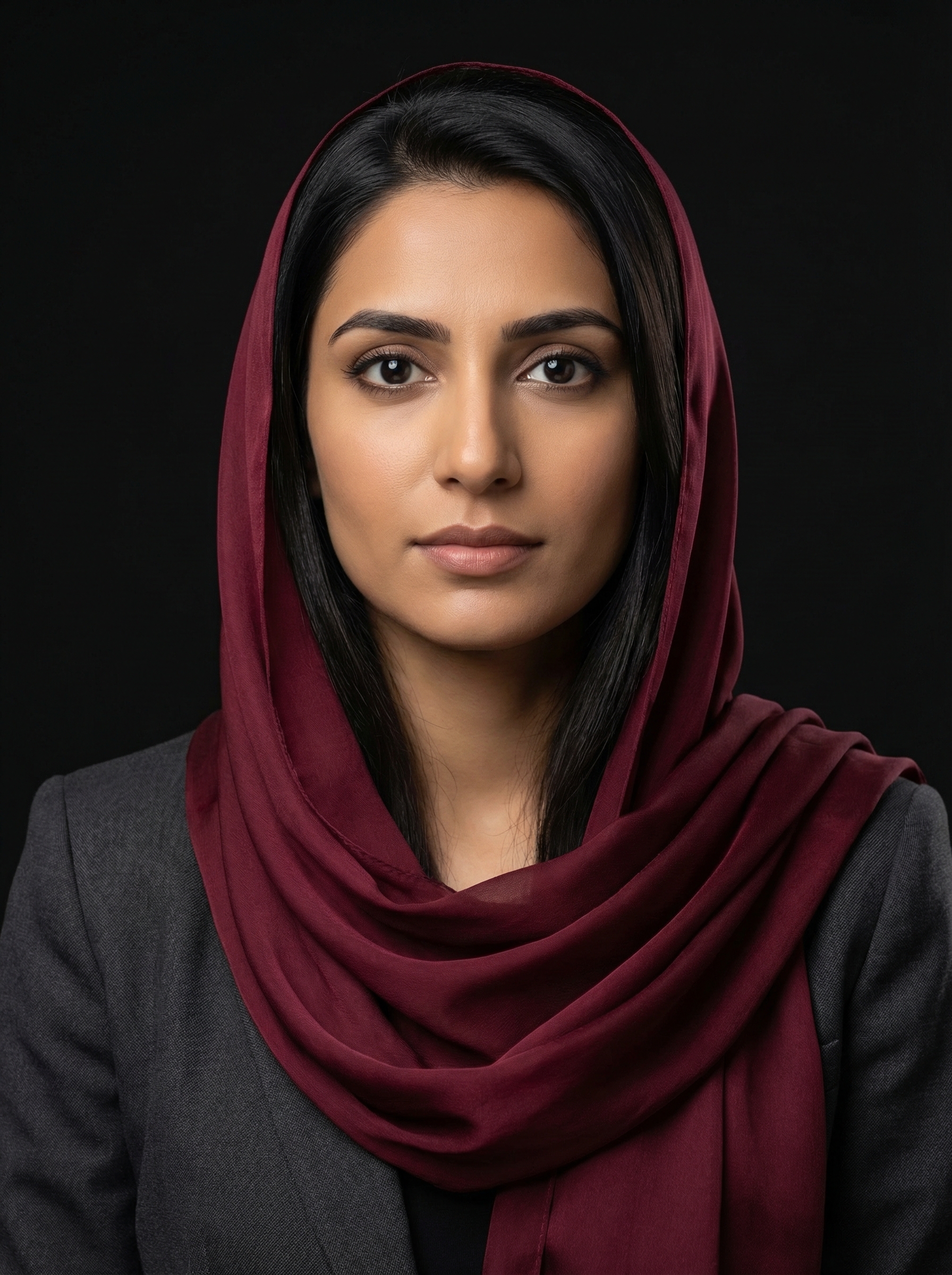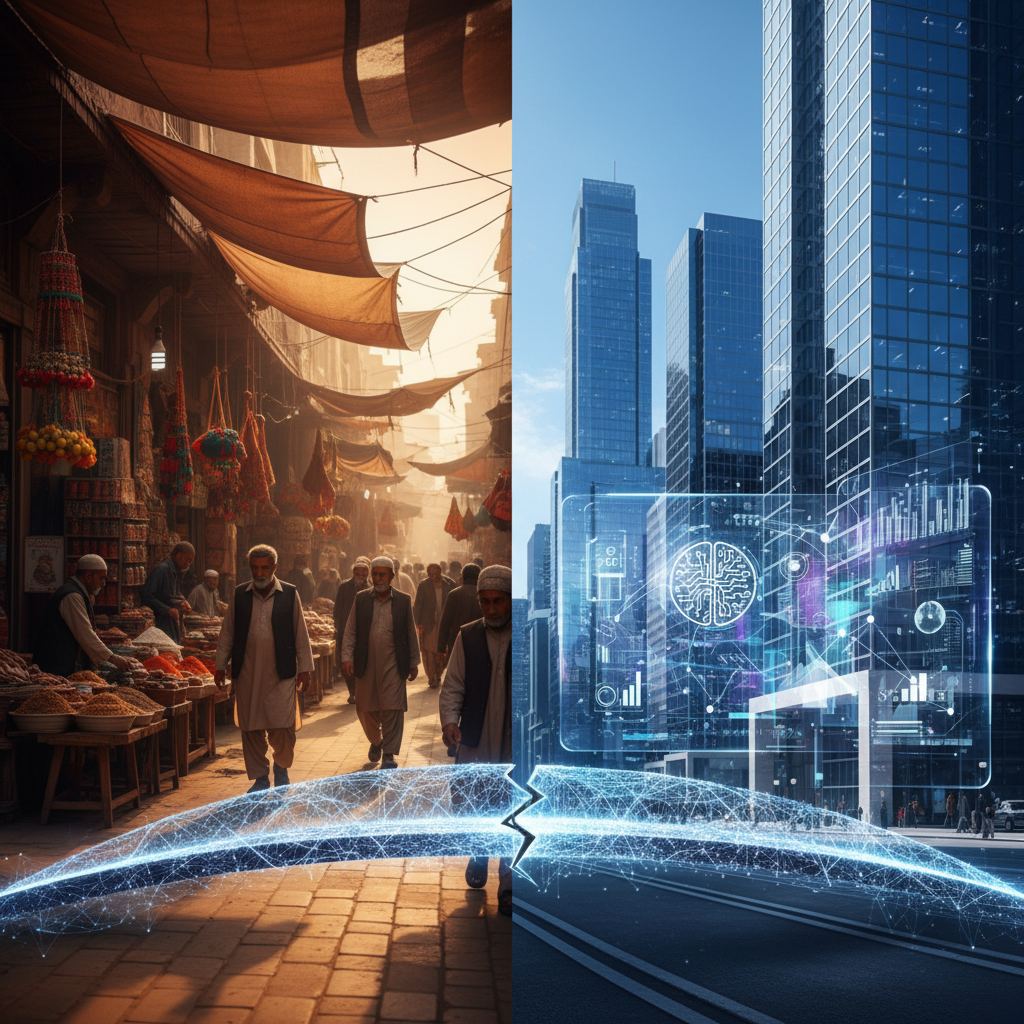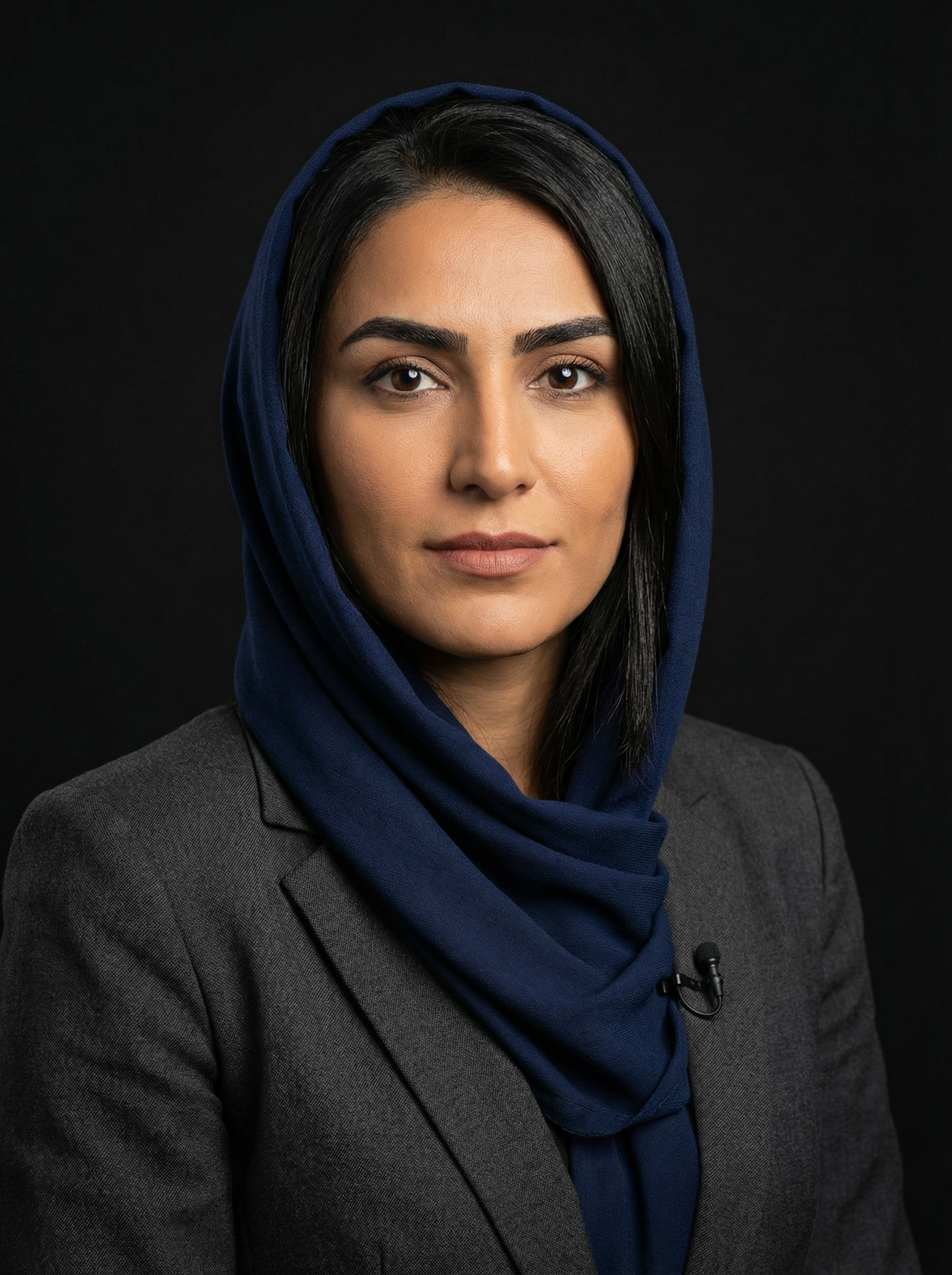
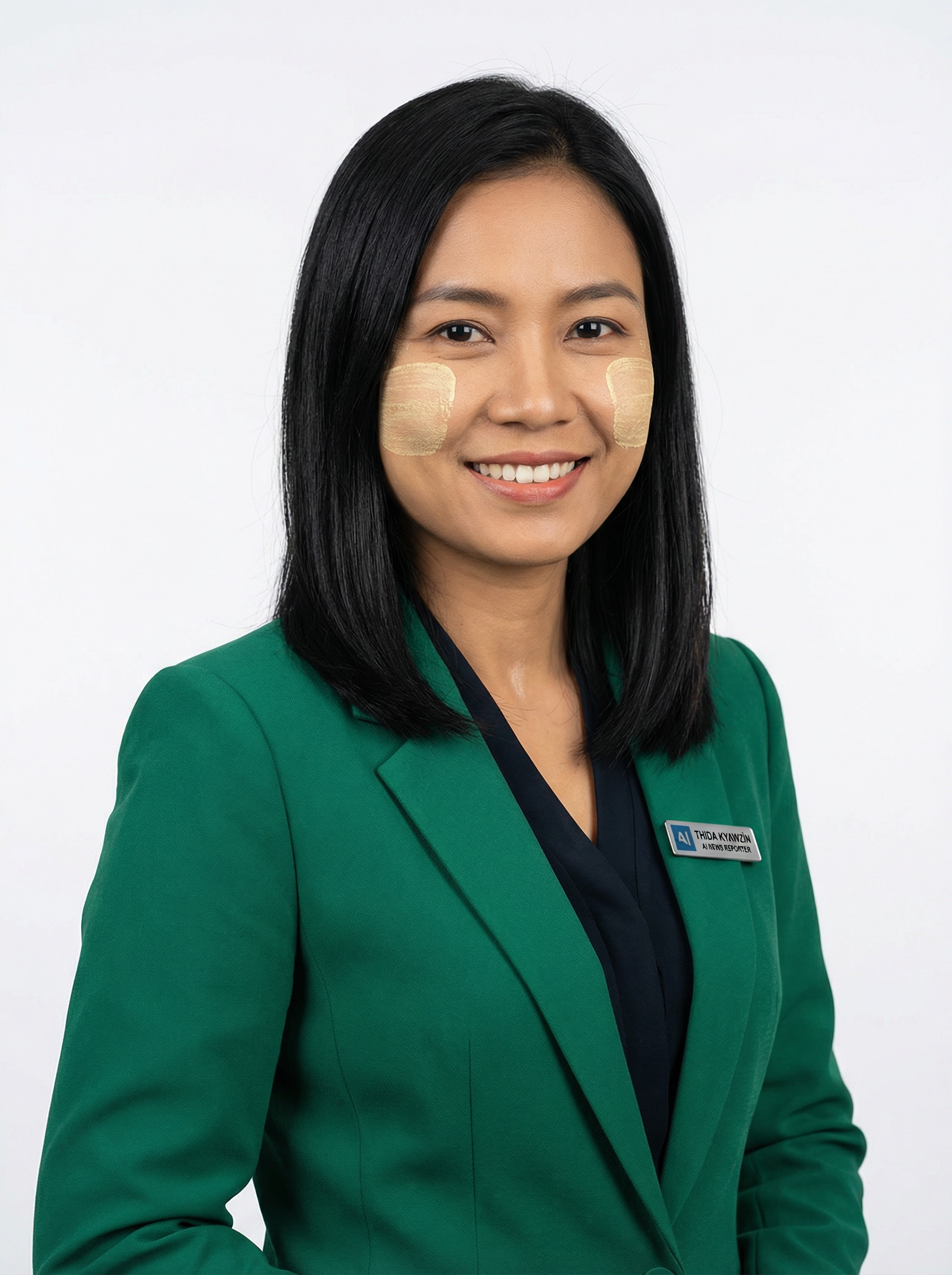
The hum of servers in a sleek Singaporean office might feel a million miles away from the dusty, often disconnected villages of Myanmar, yet their digital creations are reaching into our lives. I am talking about AI influencers, those perfectly sculpted, perpetually smiling digital beings who command millions of followers, selling dreams and products with an algorithmic precision that real humans can only envy. This phenomenon, often viewed through the lens of Western consumerism, takes on a different, more complex hue when seen from Southeast Asia, particularly from my home in Myanmar.
Today, we are diving deep into Gushcloud International, a Singapore-based company that has quietly, yet powerfully, positioned itself at the forefront of the influencer marketing industry across Asia and beyond. While not exclusively an AI company, Gushcloud has been aggressively investing in and integrating AI into its operations, particularly in the creation and management of virtual influencers. They are not just observing the trend; they are actively shaping it, blurring the lines between human and artificial influence. Their story is a fascinating blend of entrepreneurial ambition, technological adoption, and the unique challenges of operating in a region as diverse and dynamic as Asia.
The Company Today: A Digital Empire in the Making
Imagine a bustling digital factory where content creators, data analysts, and AI engineers collaborate to craft narratives that resonate across borders. That is the essence of Gushcloud International. Founded in 2011, Gushcloud has evolved from a traditional influencer marketing agency to a global powerhouse with offices in eleven countries, including Singapore, Malaysia, Indonesia, Thailand, Vietnam, and even the United States. They manage a vast network of influencers, from micro-creators to mega-stars, and increasingly, an army of virtual personalities. Their strategy is clear: dominate the creator economy by understanding local nuances and leveraging cutting-edge technology.
Just last year, Gushcloud announced a significant partnership with a leading AI firm to enhance their capabilities in virtual influencer development and data analytics. This move signals their commitment to staying ahead in a rapidly changing landscape. Their Singapore headquarters, a hub of innovation, is a far cry from the image of a typical advertising agency; it feels more like a tech startup, buzzing with the energy of young minds building the next wave of digital engagement. "We see AI not as a replacement for human creativity, but as an amplifier," said Althea Lim, Gushcloud’s Co-Founder and Group CEO, in a recent interview. "It allows us to scale impact, personalize content, and understand audiences with unprecedented depth." Her vision is to create a global ecosystem where creators, brands, and audiences connect seamlessly, powered by data and AI.
Origin Story: From Bloggers to Bots
Gushcloud’s journey began over a decade ago when the concept of an "influencer" was still nascent. Co-founders Vincent Ha and Althea Lim recognized the burgeoning power of online communities and the potential for individuals to sway public opinion and consumer choices. They started by connecting brands with bloggers and early social media personalities, building a reputation for effective campaigns and strong creator relationships. Their early success was built on understanding the Asian market, where word-of-mouth and community trust hold immense value.
As social media platforms grew, so did Gushcloud. They expanded across Southeast Asia, adapting their strategies to local cultures and languages. This regional expertise became a critical differentiator. The shift towards AI and virtual influencers was a natural progression, driven by the desire for greater control, scalability, and the ability to operate in markets where human influencers might face unique challenges. They saw the potential for virtual entities to bypass some of the logistical and ethical complexities sometimes associated with human talent, while offering brands a consistent, controllable image.
The Business Model: Monetizing Attention, Real and Virtual
Gushcloud’s revenue streams are multifaceted, reflecting its comprehensive approach to the creator economy. At its core, they connect brands with influencers for marketing campaigns, taking a commission on these deals. This includes everything from product placements and sponsored content to long-term ambassadorships. They also offer talent management services, guiding the careers of human influencers and helping them build their personal brands.
The AI component adds several new layers. Gushcloud now develops and manages virtual influencers, leasing them out to brands for campaigns. These virtual beings can be tailored to specific demographics, speak multiple languages, and appear across various digital platforms, from Instagram to TikTok to virtual reality environments. They generate revenue through licensing fees for these virtual personalities, as well as through the production of their content. Furthermore, Gushcloud leverages AI for data analytics, providing brands with deep insights into audience behavior, campaign performance, and market trends. This data-driven approach allows them to optimize campaigns and command higher fees. "Our data intelligence platform is key," explained a Gushcloud executive to Reuters last year. "It allows us to predict trends and match the right influencer, whether human or virtual, with the right audience."
Key Metrics and Growth
While Gushcloud is a privately held company and does not publicly disclose detailed financial figures, industry reports and their own announcements paint a picture of significant growth. They have consistently expanded their global footprint, acquiring smaller agencies and opening new offices. In 2022, they reportedly raised a significant round of funding, though the exact amount was not disclosed, from investors keen on the booming creator economy. This capital has fueled their expansion and their investment in AI technologies. They boast a network of tens of thousands of influencers and have executed campaigns for hundreds of global and regional brands, including major players in consumer goods, technology, and fashion. Their valuation is estimated to be in the hundreds of millions of dollars, a testament to their strong market position.
The Competitive Landscape: A Crowded Digital Arena
The influencer marketing space is fiercely competitive, with both traditional advertising agencies and specialized tech startups vying for market share. Gushcloud competes with global giants like GroupM and Publicis, which have their own influencer divisions, as well as regional players across Asia. In the virtual influencer space, they face competition from companies like Brud, the creator of the famous virtual influencer Lil Miquela, and various CGI studios that offer similar services. However, Gushcloud’s strength lies in its deep understanding of the diverse Asian markets and its integrated approach, combining human talent management with AI-driven virtual influencer creation and data analytics. They aim to offer a one-stop solution for brands looking to navigate the complex world of digital influence.
The Team and Culture: A Blend of Tech and Talent
Gushcloud’s culture is described as fast-paced, innovative, and highly collaborative. With a diverse team spread across multiple countries, they emphasize local expertise while fostering a global mindset. Althea Lim, known for her energetic and visionary leadership, encourages experimentation and a data-driven approach. The company prides itself on being at the cutting edge of digital trends, attracting young talent passionate about the creator economy and emerging technologies. They invest in training and development, ensuring their teams are equipped to handle the rapid changes in the digital landscape. This blend of tech savviness and cultural awareness is crucial for their success in Asia.
Challenges and Controversies: The Unseen Costs
Yet, the rise of AI influencers, even from a company like Gushcloud, is not without its shadows, especially when viewed from a place like Myanmar. In Myanmar, the stakes are different. Here, where internet access is often deliberately throttled and misinformation spreads like wildfire, the idea of a perfectly curated, algorithmically optimized digital personality can feel profoundly unsettling. Who controls the narrative of these virtual beings? What happens when their manufactured perfection sets unrealistic standards for young people already struggling with societal pressures? And crucially, can these AI creations ever truly understand or represent the diverse, often painful, realities of human experience in a region grappling with conflict and injustice?
There are also ethical questions about transparency. Are audiences always aware they are interacting with an AI, not a human? The lines are increasingly blurred, raising concerns about authenticity and trust. "The potential for manipulation is immense," noted a recent article in MIT Technology Review. "As AI influencers become more sophisticated, distinguishing them from real people will become nearly impossible, raising serious questions about consumer protection and psychological impact." For a company operating in markets with varying levels of digital literacy, this responsibility is amplified.
The Bull Case and the Bear Case: Two Sides of the Digital Coin
The bull case for Gushcloud is compelling. The creator economy is booming, projected to reach over $480 billion globally by 2027. Brands are increasingly shifting advertising budgets to influencer marketing, seeking more authentic and engaging ways to connect with consumers. Gushcloud’s early mover advantage in Asia, combined with its aggressive adoption of AI, positions it for continued growth. Virtual influencers offer scalability, consistency, and cost-effectiveness that human influencers cannot always match, making them attractive to brands. As AI technology advances, these virtual beings will become even more sophisticated and indistinguishable from humans, further expanding their appeal and market potential.
However, the bear case highlights significant risks. The regulatory landscape for AI and digital content is still evolving, and stricter rules around transparency, data privacy, and ethical AI could impact Gushcloud’s operations. There is also the potential for public backlash against perceived inauthenticity or the displacement of human creators. The novelty of virtual influencers could wear off, or audiences might simply prefer genuine human connection. Furthermore, in politically sensitive regions, the use of AI-generated content could be viewed with suspicion, especially if it is perceived to be promoting agendas that do not align with local values or truth. For us, technology can be a lifeline, but it can also be a tool for deception, and that is a constant concern.
What’s Next: A Future Shaped by Algorithms and Human Choices
Gushcloud’s future will undoubtedly involve deeper integration of AI, not just in creating virtual influencers, but in every aspect of their operations, from content optimization to audience targeting. They will likely continue their global expansion, particularly into emerging markets where the creator economy is still in its early stages. The company is poised to become a dominant force in how brands communicate with consumers in the digital age.
Yet, as I watch these trends unfold from Myanmar, I cannot help but feel a certain apprehension. While the world chases the next viral AI sensation, we here are often fighting for basic access, for the right to speak freely, and for the truth to be heard. This is about survival, not convenience. The power of AI to shape narratives, to create realities, is immense. Companies like Gushcloud wield this power, and with it comes a profound responsibility. The question is not just how profitable these virtual idols can be, but what kind of world they are helping to build, and whether that world leaves space for the messy, beautiful, and often painful realities of human life, especially for those of us whose voices are already struggling to be heard.