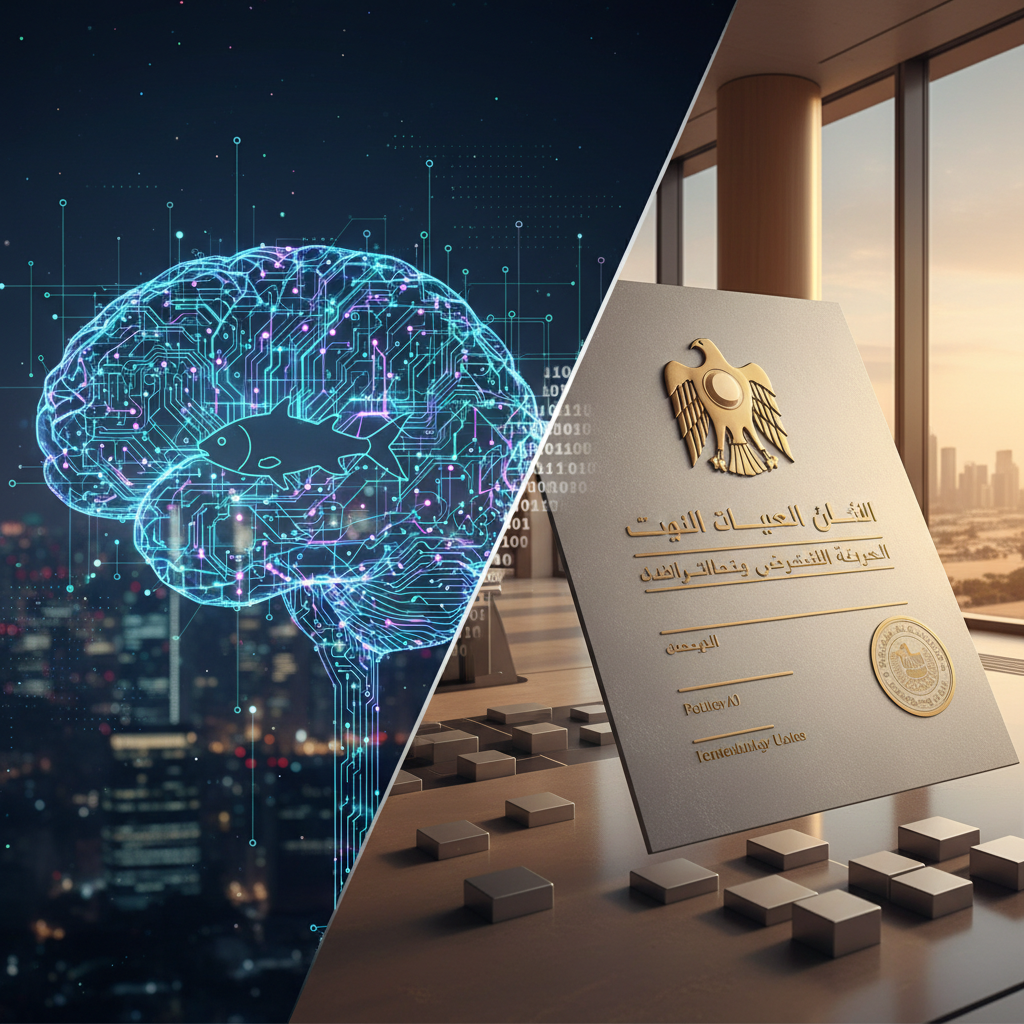
In the bustling markets of Kabul, where the scent of spices mingles with the murmur of daily life, one might hear whispers of a new kind of labor, a digital craft that shapes the unseen forces governing our modern world. This is not the work of weavers or artisans, but of individuals meticulously training the artificial intelligence systems that increasingly define our lives. They are the data labelers, the human architects of machine perception, and their story is one that demands our attention.
What is Data Labeling?
At its core, data labeling is the process of tagging or annotating raw data, such as images, videos, text, or audio, to make it understandable and usable for machine learning algorithms. Imagine a child learning to identify a cat. You point to a picture and say, "This is a cat." You repeat this with many different cats, from various angles, in different colors, until the child can recognize a cat independently. Data labelers do precisely this for AI. They draw bounding boxes around objects in images, transcribe spoken words, categorize sentiments in text, or identify anomalies in sensor data. This annotated data then becomes the training material that allows AI models, like those powering Google's search algorithms or Meta's content moderation systems, to learn and perform tasks with remarkable accuracy. Without this human input, AI remains a collection of inert code, unable to discern the world as we do.
Why Should You Care?
Why should the people of Afghanistan, or indeed, anyone across the globe, care about the intricacies of data labeling? Because behind every algorithm is a human story. The quality, fairness, and ethical implications of AI systems are directly tied to the data they are trained on and, by extension, the conditions under which that data is prepared. If the data is biased, the AI will be biased. If the labor behind the labeling is exploitative, then the very foundations of our digital future are built on injustice. Consider the impact of AI in critical areas such as healthcare diagnostics, financial credit scoring, or even autonomous vehicles. Errors or biases introduced at the labeling stage can lead to misdiagnoses, discriminatory lending practices, or dangerous malfunctions. This is about dignity, not just for the workers, but for all of us who interact with these systems daily. As Dr. Timnit Gebru, a prominent AI ethics researcher, has often highlighted, "The people who are most impacted by these systems are often the least represented in their creation."
How Did It Develop?
The need for data labeling emerged alongside the rise of supervised machine learning in the early 2000s. As computational power increased and algorithms became more sophisticated, the bottleneck shifted from processing power to the availability of high-quality, labeled data. Early efforts often relied on in-house teams or academic volunteers. However, with the explosion of big data and the demand for ever more complex AI models, companies turned to crowdsourcing platforms and specialized data annotation firms. This globalized the workforce, often outsourcing tasks to regions where labor costs were lower, including parts of Asia, Africa, and Latin America. The promise was flexible work and income opportunities, but the reality often brought low wages, precarious employment, and a lack of benefits. Companies like Amazon's Mechanical Turk became pioneers in this micro-task economy, connecting requesters with a vast pool of global workers. Today, dedicated companies like Scale AI and Appen employ thousands globally, becoming integral, yet often unseen, partners to tech giants.
How Does It Work in Simple Terms?
Imagine a large canvas, like those used by the calligraphers in Herat, where each stroke contributes to a grand design. For AI, that canvas is raw data, and the calligraphers are the data labelers. A company, say OpenAI, wants to teach its next-generation language model, GPT-5, to understand subtle nuances in human conversation. They feed millions of text snippets to a data labeling platform. Workers on this platform might be asked to identify the speaker's emotion, categorize the topic, or even correct grammatical errors. Each snippet, once labeled, is like a single, perfectly inscribed letter on the canvas, guiding the AI toward understanding the full meaning. The process is repetitive, often tedious, but each annotation is a vital piece of instruction for the machine. It is a digital apprenticeship, where humans patiently teach machines to see, hear, and comprehend the world.
Real-World Examples
- Autonomous Vehicles: Companies like Tesla and Waymo rely heavily on data labelers to annotate billions of images and video frames. Workers identify pedestrians, traffic signs, other vehicles, and road conditions, allowing self-driving cars to navigate safely. An error here could have catastrophic consequences.
- Content Moderation: Social media platforms such as Meta and TikTok employ vast teams of human labelers to identify and flag harmful content, including hate speech, misinformation, and graphic violence. These human decisions train AI models to automate moderation, though human oversight remains crucial due to the complexity and subjectivity involved. The conditions for these workers, often exposed to disturbing material, have raised significant ethical concerns.
- Medical Imaging: In healthcare, AI assists in diagnosing diseases from medical scans. Data labelers, often with specialized medical training, annotate X-rays, MRIs, and CT scans to highlight tumors, lesions, or other abnormalities. This labeled data trains AI to detect diseases earlier and more accurately, potentially saving lives.
- Voice Assistants: When you speak to Apple's Siri or Amazon's Alexa, the accuracy of their understanding is built upon countless hours of transcribed and annotated audio data. Labelers categorize accents, identify specific commands, and correct transcription errors, ensuring these assistants can comprehend a diverse range of human speech patterns.
Common Misconceptions
One common misconception is that data labeling is a simple, unskilled task. While some tasks are straightforward, many require nuanced judgment, cultural understanding, and even specialized knowledge. Another error is believing that AI will soon eliminate the need for human labelers. While AI can assist in pre-labeling or quality control, the need for human oversight, especially for complex or ambiguous data, remains paramount. Machines still struggle with common sense, context, and the subtle intricacies of human communication and intent, areas where human intelligence is irreplaceable. Furthermore, the idea that these workers are merely anonymous cogs in a global machine overlooks their humanity and the critical value they add.
What to Watch For Next
The future of data labeling is at a critical juncture. As AI systems become more powerful and pervasive, the ethical considerations surrounding the human labor that underpins them are gaining overdue attention. We must watch for increased automation of simpler labeling tasks, allowing human labelers to focus on more complex, high-value, and ethically sensitive annotations. There is a growing movement towards fair wages, better working conditions, and greater transparency for data labelers, often referred to as "AI workers' rights." Organizations like the Fairwork Foundation are beginning to audit and rate digital labor platforms based on principles of fair pay, decent conditions, and equitable management. Policy discussions are also emerging, both in Silicon Valley and in international bodies, about how to protect these workers and ensure their contributions are justly recognized. Technology should serve the most vulnerable, and this principle must extend to those who build the very foundations of our AI world. As consumers and citizens, we have a responsibility to demand that the AI we use is not just intelligent, but also ethically sourced and built on principles of justice. This is not merely a technical challenge, but a moral imperative for our interconnected global society. For more insights into the broader implications of AI, consider exploring resources like MIT Technology Review and Reuters Technology. The conversation around human-centric AI development, including the rights of its unseen workforce, is only just beginning, and it is one we must all engage with. For a deeper dive into how AI is being adapted for diverse linguistic contexts, one might consider an article like When AGI Comes Knocking: Why Google's Gemini Ultra Needs to Speak Siswati, Not Just Silicon Valley [blocked], which touches upon the importance of human input for linguistic diversity in AI.