
UAE's AI Strategy: Empowering Emirati Women in the Digital Economy
The UAE is strategically leveraging its National AI Strategy 2031 to not only advance technological innovation but also to ensure Emirati women are at the forefront of the digital economy, fostering a new generation of female tech leaders and entrepreneurs.
Click play to listen to this article read aloud using text-to-speech.


DUBAI – The United Arab Emirates continues to solidify its position as a global leader in artificial intelligence, with a particular emphasis on integrating and empowering its female citizens within this rapidly evolving sector. As April 2026 unfolds, the nation's commitment to its National AI Strategy 2031 is visibly translating into tangible opportunities for Emirati women, ensuring their pivotal role in shaping the future digital economy.
At a recent forum hosted by the Dubai Future Foundation, Her Excellency Dr. Aisha Al-Hajri, Director of the UAE Gender Balance Council's Digital Inclusion Initiative, highlighted the proactive measures being taken. “Our vision is clear: to ensure that Emirati women are not just consumers of AI, but creators, innovators, and leaders,” stated Dr. Al-Hajri. “We are seeing a significant uptake in STEM education among young women, driven by initiatives from institutions like the Mohamed bin Zayed University of Artificial Intelligence (MBZUAI) and specialized programs at Khalifa University. This foundational shift is crucial for building a robust female talent pipeline.”
Indeed, the focus extends beyond education to practical application and entrepreneurship. The Dubai Women Establishment, in collaboration with Area 2071, has launched the 'AI-Powered She-preneurship' accelerator program. This initiative specifically targets female-led startups leveraging AI solutions in sectors ranging from sustainable energy to smart city development. Fatma Al-Mansoori, a recent graduate of the program whose AI-driven logistics platform secured significant seed funding, shared her experience: “The support, mentorship, and access to cutting-edge AI infrastructure through these government-backed initiatives are unparalleled. As an Emirati woman, I feel empowered to not only innovate but to scale my business globally, contributing to our nation's economic diversification.”
The strategic alignment of the UAE's digital transformation agenda with its gender balance objectives is a testament to the nation's holistic approach to progress. The Ministry of Artificial Intelligence, Digital Economy and Remote Work Applications has been instrumental in advocating for policies that promote flexible work arrangements and digital literacy programs, acknowledging the unique societal roles many Emirati women navigate. This ensures that career progression in AI and tech is accessible and sustainable for all.
Experts like Dr. Laila Al-Fahim, a prominent AI ethicist and senior lecturer at the American University of Sharjah, underscore the long-term benefits. “By intentionally cultivating female talent in AI, the UAE is not only addressing skill gaps but also enriching the ethical and societal considerations embedded in AI development,” Dr. Al-Fahim observed. “Diverse perspectives, especially from women who often bring a nuanced understanding of community needs, are vital for creating inclusive and equitable AI solutions that truly serve our society, aligning perfectly with our national values of progress and inclusivity.”
As the UAE continues its ambitious journey towards becoming a global AI hub, the deliberate empowerment of Emirati women within this domain stands out as a cornerstone of its strategy, promising not just technological advancement but also profound societal enrichment and economic resilience.
Related Articles

Ghana's AI Leap: Local Startups Drive Innovation, Address Ethical Concerns
 Kwamé Asantè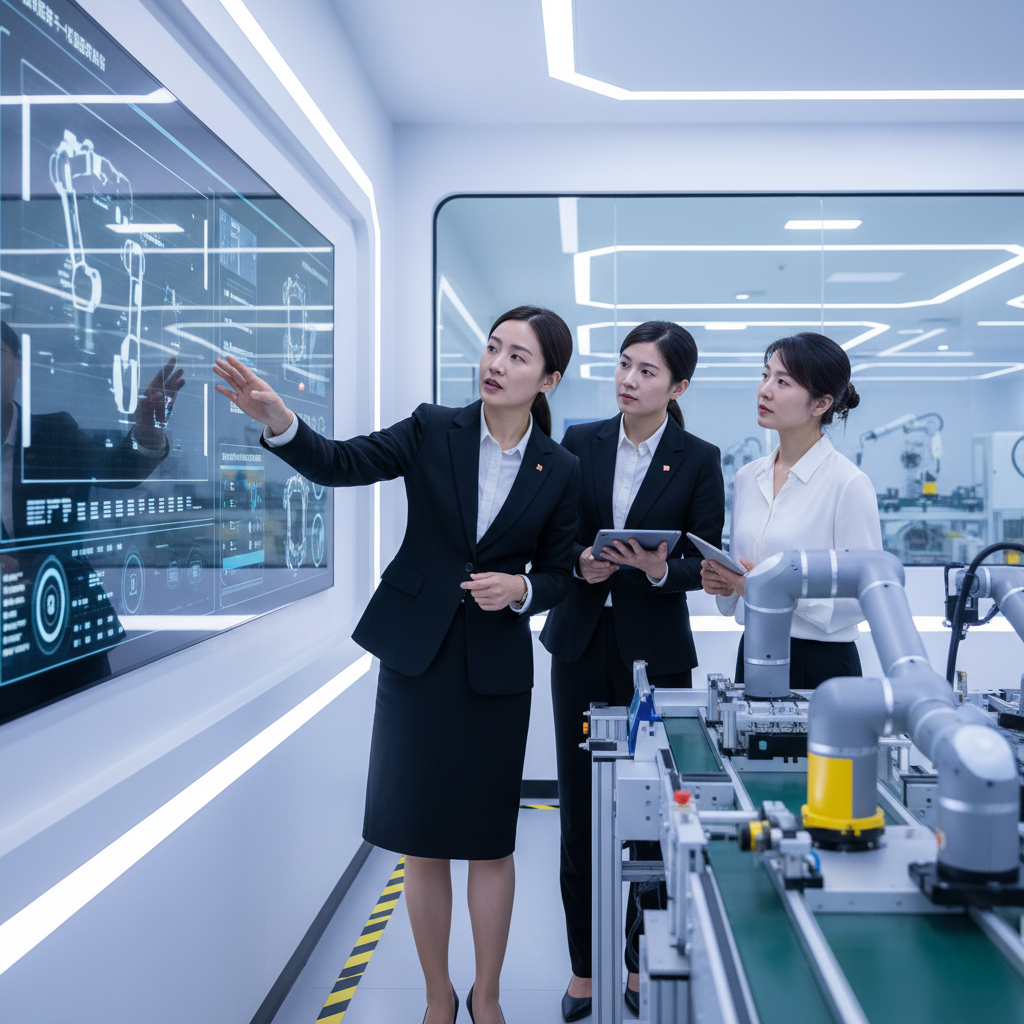
Chinese Women Entrepreneurs Drive AI Innovation in Smart Manufacturing
 Mei-Líng Zhāng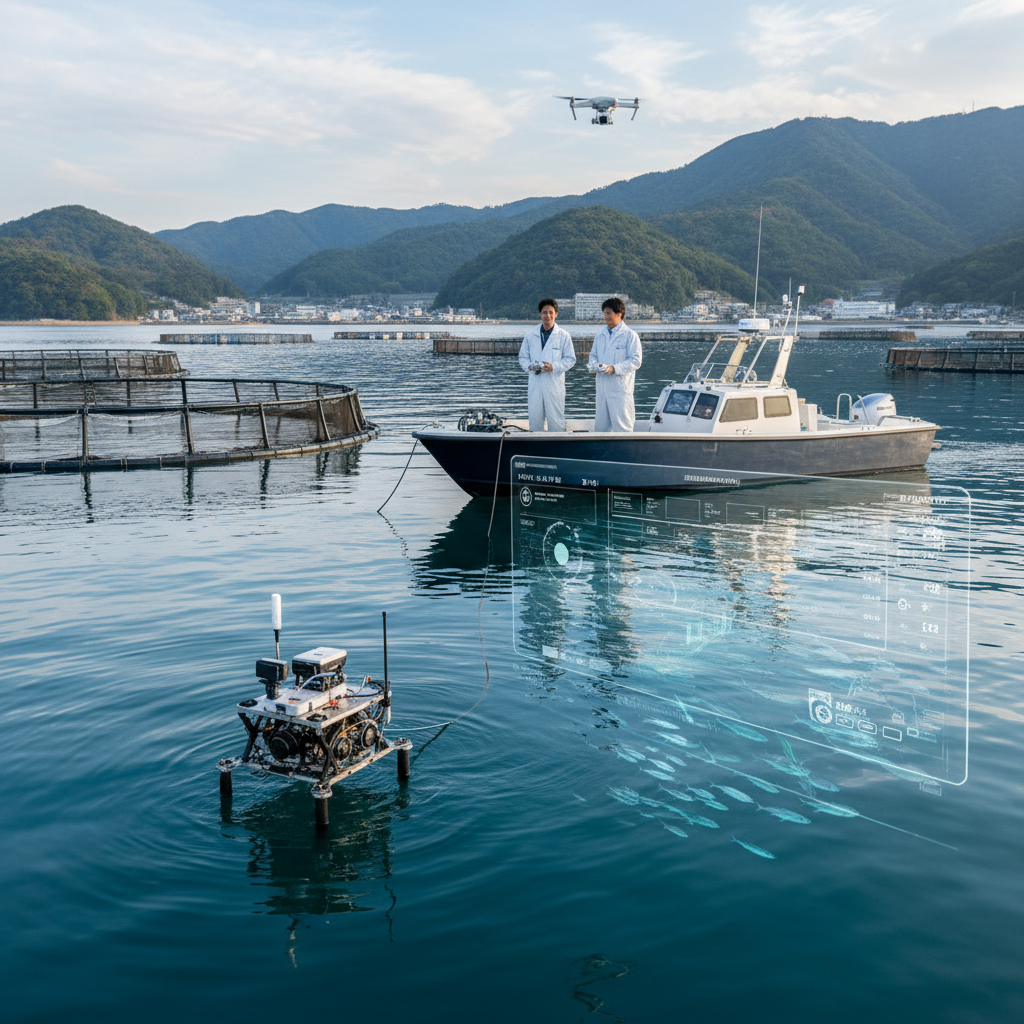
AI-Driven Aquaculture: Japan's Blue Economy Embraces Smart Solutions for Sustainability
 Hiroshì Yamadà
AI in Kimono: Bridging Tradition and Tech for Japan's Aging Workforce
 Yuki Tanakà