
AI-Driven Aquaculture: Japan's Blue Economy Embraces Smart Solutions for Sustainability
Japan is leveraging advanced AI to revolutionize its aquaculture industry, addressing environmental concerns and ensuring food security. This initiative highlights a proactive approach by Japanese institutions and innovators to harmonize technological progress with traditional practices.
Click play to listen to this article read aloud using text-to-speech.
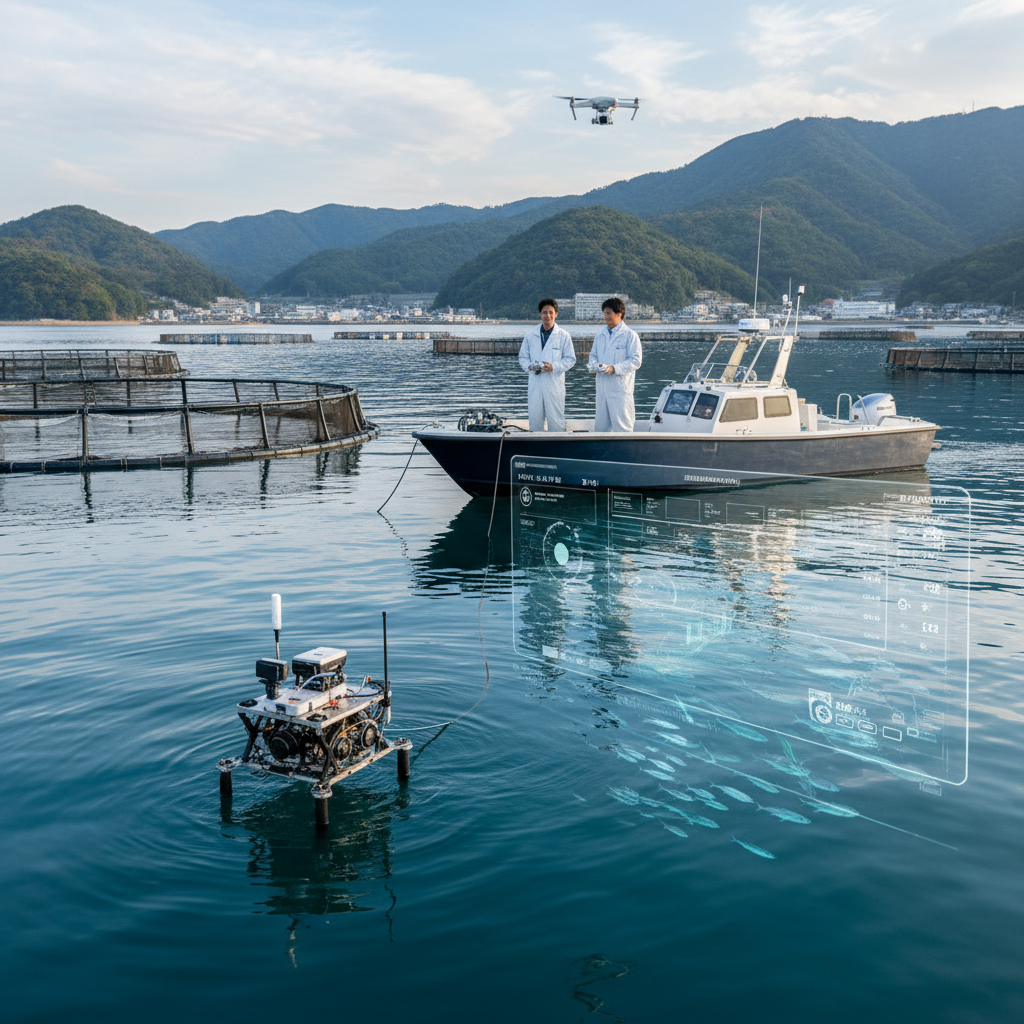
TOKYO – In a significant stride towards sustainable resource management, Japan is increasingly integrating Artificial Intelligence (AI) into its vital aquaculture sector. This strategic pivot, driven by a national imperative for food security and environmental stewardship, is transforming how the nation approaches its 'blue economy.' For many Japanese men, particularly those in coastal communities, the health of the ocean is not merely an economic concern but a deeply ingrained cultural value, a sentiment echoed in the government's latest initiatives.
Traditionally, aquaculture in Japan has been a labor-intensive endeavor, often susceptible to environmental fluctuations and disease outbreaks. However, the advent of AI, particularly machine learning and IoT sensors, is offering unprecedented precision. Systems are being deployed to monitor water quality, predict fish growth rates, and even detect early signs of disease, drastically reducing waste and the need for chemical interventions.
One prominent example is the 'Smart Aquaculture Platform' developed by the National Research Institute of Fisheries Science (NRIFS), a key institution under the Fisheries Agency of Japan. Dr. Kenji Tanaka, a leading researcher at NRIFS, explains, “Our AI models analyze vast datasets – from ocean currents and plankton distribution to individual fish behavior. This allows for optimized feeding schedules and early warning systems, minimizing environmental impact while maximizing yield. It’s about applying kaizen principles, continuous improvement, to our marine resources.” Dr. Tanaka's perspective resonates deeply with the Japanese male ethos of meticulous attention to detail and long-term planning.
The initiative also addresses the aging workforce in many fishing communities. AI-powered automation and data analysis tools are making aquaculture more efficient and appealing to younger generations, ensuring the continuity of this crucial industry. “My father and grandfather worked the sea with their hands and intuition,” says Hiroshi Sato, a 35-year-old fish farmer from Ehime Prefecture, now utilizing AI tools. “While their wisdom is irreplaceable, AI helps us understand the ocean in ways they couldn’t, making our work more sustainable and less arduous. It’s about honoring tradition by embracing innovation.” This blend of respect for heritage and openness to technological advancement is a hallmark of the modern Japanese approach.
The Ministry of Agriculture, Forestry and Fisheries (MAFF) has earmarked substantial funding for these AI integration projects, recognizing their potential to bolster Japan’s position as a leader in sustainable marine practices. The goal is not just economic prosperity but also the preservation of Japan's pristine marine ecosystems, a responsibility deeply felt across the archipelago. As global demand for seafood continues to rise, Japan’s AI-driven aquaculture model could serve as a blueprint for other nations in Asia and beyond, demonstrating how technology can be a powerful ally in the quest for environmental harmony and food security.
Related Articles

AI in Healthcare: A New Dawn for Sri Lanka's Northern and Eastern Provinces
 Ravi Chandrasekharàn
Uzbek Women Lead AI Ethics Dialogue: Safeguarding Cultural Values in Digital Transformation
 Bintà Yusupovà
AI-Powered Mangrove Conservation: A 'Hijau Digital' Leap for Malaysia's Coastlines
 Siti Nurhalizah Rahimàn
NEOM's AI Ambitions: A New Horizon for Saudi Manpower and Digital Economy
 Barakà Al-Rashíd