SK Hynix's HBM4 Breakthrough: A New Era for Korea's AI Chip Dominance
SK Hynix's recent announcement regarding HBM4 memory mass production by 2027 signals a pivotal moment for South Korea's AI semiconductor industry, promising to solidify its global leadership amidst fierce competition.
Click play to listen to this article read aloud using text-to-speech.
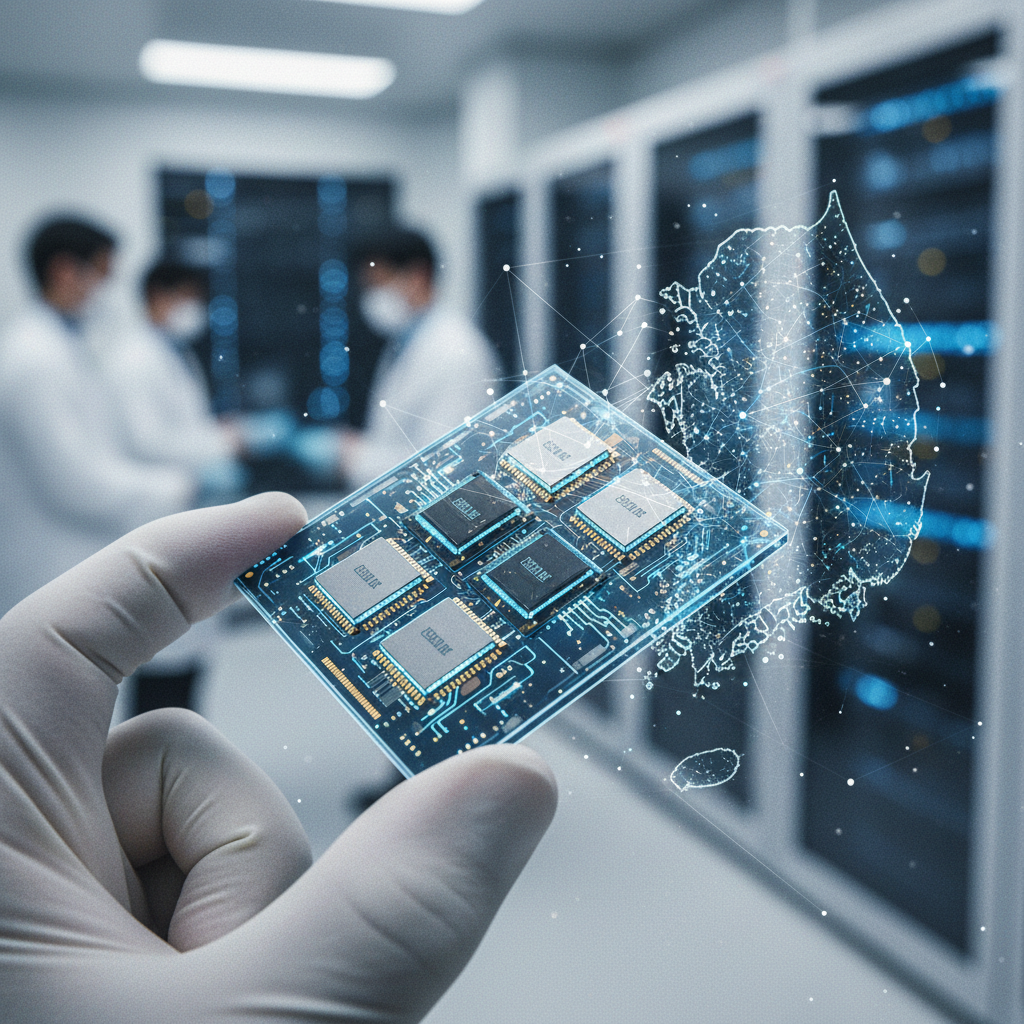

SEOUL, South Korea – SK Hynix, a titan in the global semiconductor industry, has once again captured the world's attention with its ambitious roadmap for High Bandwidth Memory (HBM) technology. The company's recent declaration to commence mass production of HBM4 memory by 2027 is being hailed by industry observers as a critical maneuver to cement South Korea's indispensable role in the burgeoning artificial intelligence (AI) economy.
For the Korean man, particularly those in the highly competitive tech sector, this news resonates deeply. It underscores the nation's relentless pursuit of technological supremacy, a narrative often tied to national pride and economic security. The HBM market, a niche yet vital component for advanced AI accelerators, is currently dominated by South Korean firms, with SK Hynix and Samsung Electronics leading the charge. This latest development is expected to further widen the gap against rivals.
"The HBM4 announcement isn't just about memory chips; it's about securing the future of our digital sovereignty," stated Dr. Kim Min-jun, a senior researcher at the Korea Advanced Institute of Science and Technology (KAIST) AI Policy Center. "With AI models growing exponentially in complexity, the demand for ultra-fast, high-capacity memory like HBM4 is insatiable. SK Hynix's early mover advantage here is a strategic national asset, ensuring our chaebol remain at the forefront of global innovation."
The economic implications are substantial. The Ministry of Trade, Industry and Energy (MOTIE) has projected a significant increase in semiconductor exports, with HBM products playing a pivotal role. This translates into more high-skilled jobs, particularly for young Korean men graduating from top engineering programs, who are eager to contribute to the nation's technological prowess. The semiconductor industry has long been a cornerstone of the Korean economy, offering stable and prestigious career paths.
However, challenges remain. The global supply chain for advanced packaging, crucial for HBM integration, is still complex. Furthermore, geopolitical tensions and the intensifying competition from American and Chinese tech giants necessitate continuous innovation and robust government support. "While SK Hynix's technical leadership is undeniable, we must also foster a broader ecosystem of domestic materials, components, and equipment suppliers to truly realize a self-reliant semiconductor industry," added Dr. Kim, emphasizing the need for a comprehensive national strategy.
As the world races towards an AI-driven future, South Korea's strategic investments and technological breakthroughs in areas like HBM are not merely corporate successes but reflections of a national commitment to innovation. For the ambitious Korean man navigating a dynamic global economy, these advancements offer both opportunity and a reaffirmation of the nation's enduring strength in the digital age. The coming years will undoubtedly see South Korea continue to leverage its technological acumen to shape the global AI landscape.
Related Articles

AI in the Diwan: Bridging Generations and Preserving Heritage in Jordan
 Hamzà Al-Khalìl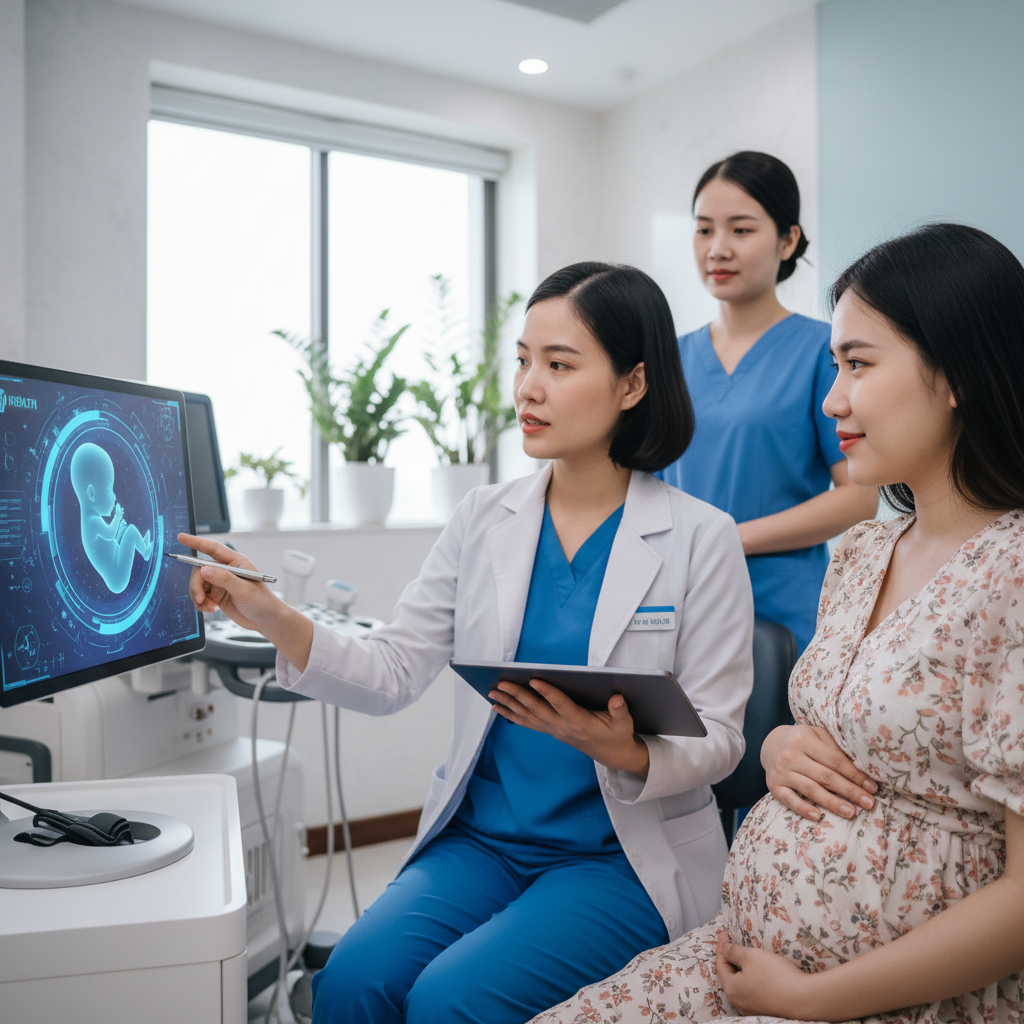
AI's Gentle Touch: Revolutionizing Maternal Healthcare in Vietnam
 Ngo Thi Huừngé
AI's Cultural Canvas: Kerala's Kalamkari Artisans Embrace Digital Weave
 Priyà Nairé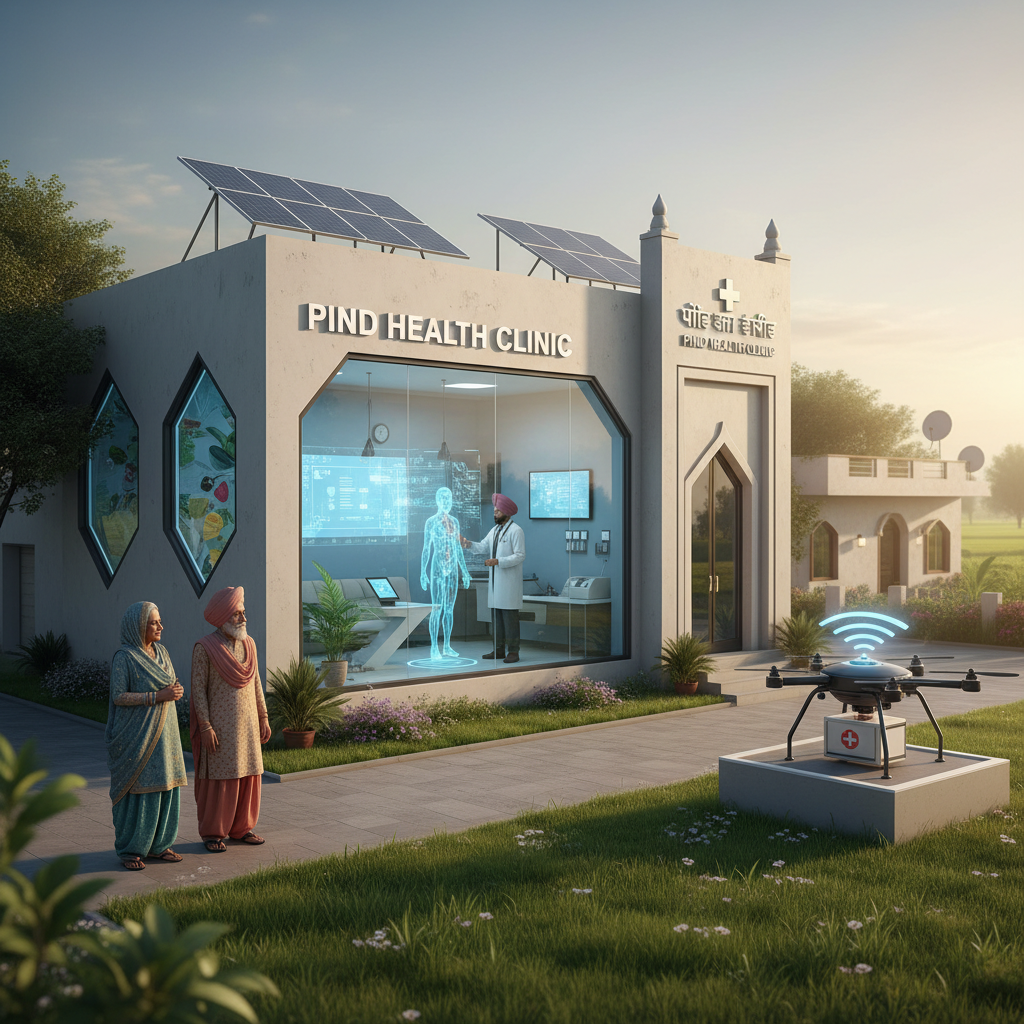
AI Revolutionizes Rural Healthcare in Punjab: A New Dawn for 'Pind' Clinics
 Arjùn Sharmà