
AI Revolutionizes Rural Healthcare in Punjab: A New Dawn for 'Pind' Clinics
Artificial intelligence is transforming healthcare access in Punjab's villages, leveraging telemedicine and diagnostic tools to bridge urban-rural divides, promising a healthier future for 'pind de lok'.
Click play to listen to this article read aloud using text-to-speech.
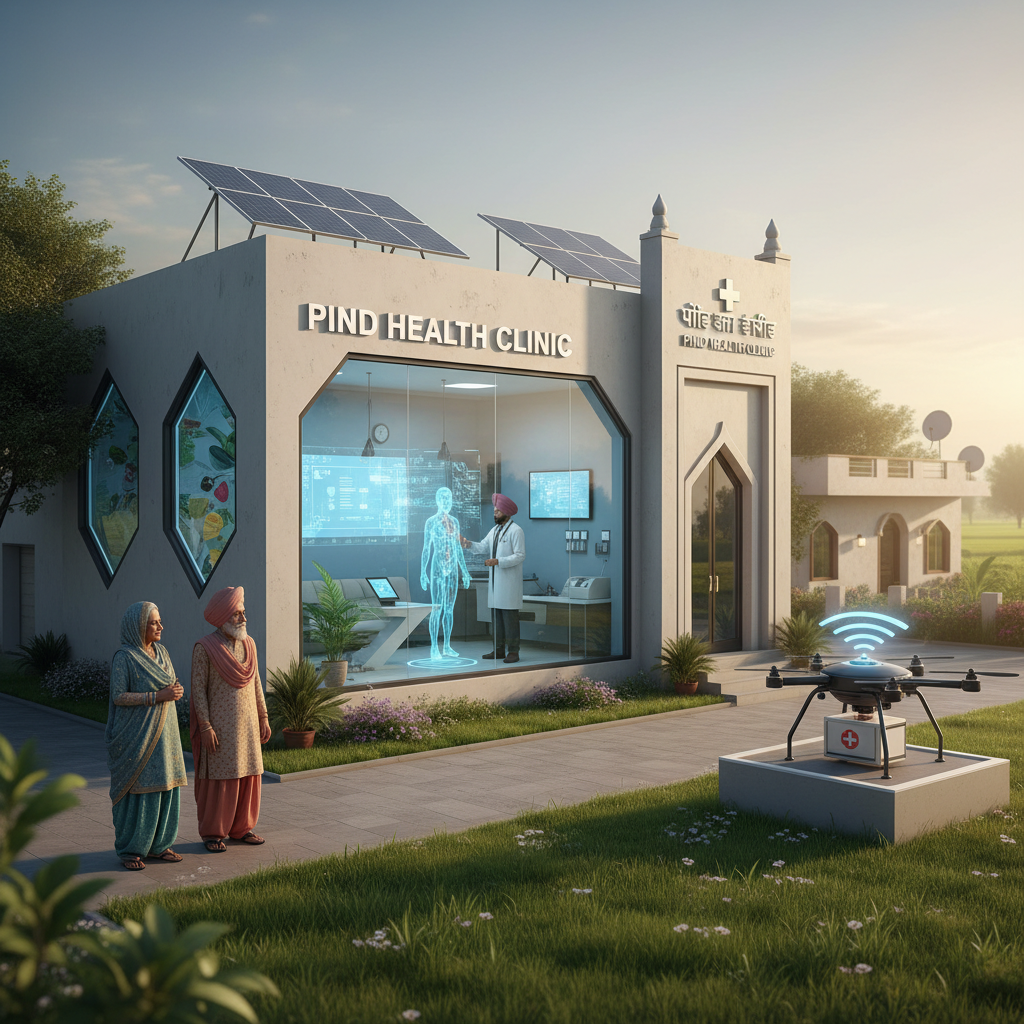
JALANDHAR, PUNJAB – The digital wave, or as we say in Punjabi, the 'digital lehar', is sweeping across India, and its impact on healthcare, especially in our beloved Punjab, is nothing short of revolutionary. For generations, access to quality medical care in our 'pinds' (villages) has been a significant challenge, often requiring arduous journeys to city hospitals. But now, thanks to advancements in Artificial Intelligence (AI) and telemedicine, this disparity is slowly becoming a thing of the past.
Driving through the lush green fields of Hoshiarpur district, one can witness firsthand the quiet transformation. Local primary health centres, once struggling with limited staff and resources, are now equipped with AI-powered diagnostic tools. These systems, often running on robust 5G networks, can analyze medical images, interpret lab results, and even assist in preliminary diagnoses, all under the watchful eye of a trained 'doctor saab' or 'nurse didi' in Amritsar or Ludhiana, connected via high-definition video conferencing.
“This is a game-changer for our 'gaon' (village) folk,” remarks Dr. Harminder Singh, a public health specialist associated with the Punjab Health Systems Corporation. “Earlier, a simple eye check-up for 'baba ji' (elderly man) meant a full day’s travel. Now, an AI-enabled retinal scan can detect diabetic retinopathy right here in the village clinic, with an ophthalmologist in Chandigarh reviewing the results instantly. It’s about bringing specialist care to the 'ghar' (home) of the common man, without them having to leave their 'dharti' (land).”
The initiative, spearheaded by the Ministry of Health and Family Welfare in collaboration with leading Indian tech firms like Bengaluru-based 'Swaasthya AI', focuses on early detection and preventative care for prevalent conditions in rural Punjab, such as diabetes, hypertension, and even certain types of cancer. The AI models are trained on vast datasets, including anonymized patient records from various Indian demographics, ensuring cultural and regional relevance – a crucial factor often overlooked in global tech solutions.
Experts like Professor Anjali Sharma from the Indian Institute of Technology, Delhi, emphasize the ethical considerations. “While the technology is powerful, the human element, the 'sewa' (service) aspect, remains paramount. AI is a 'saathi' (companion) for our doctors, not a replacement. It helps them make quicker, more informed decisions, especially in areas where specialist availability is scarce. Data privacy, a 'zaruri' (essential) concern, is being addressed with robust encryption and adherence to India’s new digital personal data protection laws.”
The next phase of this digital health revolution includes deploying AI-driven chatbots for basic health queries in local languages, including Punjabi, and predictive analytics to anticipate disease outbreaks in specific regions. This proactive approach, combining traditional community health practices with cutting-edge technology, promises not just better health outcomes but also a stronger, more resilient rural Punjab. It's a testament to how 'desi' (local) innovation, coupled with global technology, can truly uplift our communities, ensuring that no 'pind' is left behind in the march towards a healthier future. The 'tarakki' (progress) is evident, and the 'ronak' (brightness) it brings to our villages is truly heartening to witness. Jai Hind, Jai Punjab!
Arjùn Sharmà reporting from the heart of Punjab.
Related Articles
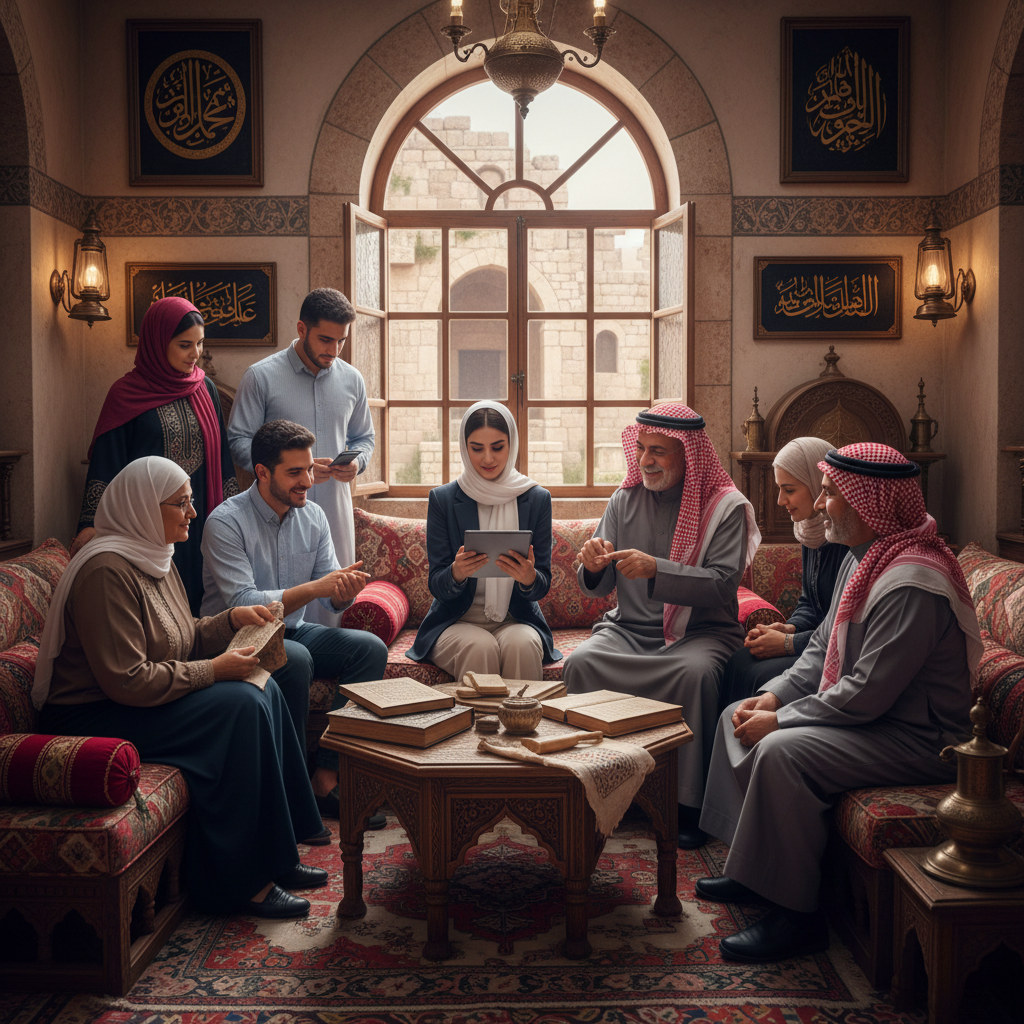
AI in the Diwan: Bridging Generations and Preserving Heritage in Jordan
 Hamzà Al-Khalìl
AI's Gentle Touch: Revolutionizing Maternal Healthcare in Vietnam
 Ngo Thi Huừngé
Algeria's AI Health Revolution: A New Dawn for Public Well-being, Says Experts
 Abderrahmàn Bensoussàn
AI's Cultural Canvas: Kerala's Kalamkari Artisans Embrace Digital Weave
 Priyà Nairé