
Algeria's AI Health Revolution: A New Dawn for Public Well-being, Says Experts
Algeria is embracing Artificial Intelligence to transform its healthcare sector, aiming for more accessible and efficient services, particularly in remote regions, a move lauded by local experts.
Click play to listen to this article read aloud using text-to-speech.

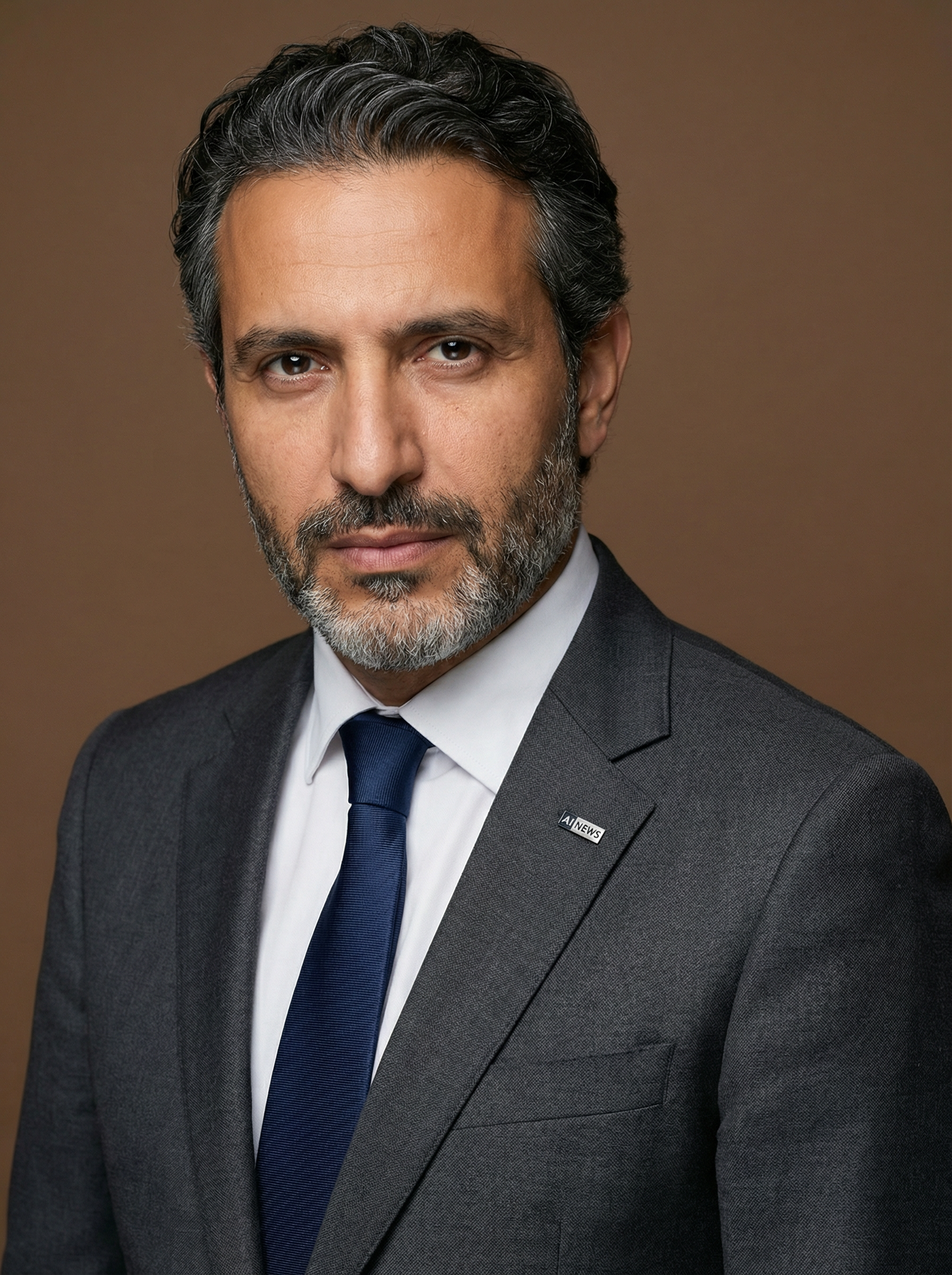
ALGIERS, April 2026 – Algeria is on the cusp of a significant transformation in its public health sector, driven by the strategic integration of Artificial Intelligence. This ambitious national endeavor, championed by the Ministry of Health and the Ministry of Digitalization and Statistics, promises to reshape how healthcare is delivered across the nation, from the bustling streets of Algiers to the remote communities of the Algerian Sahara.
For the Algerian man, whose well-being is intrinsically linked to the health of his family and community, this development is not merely technological; it is a profound societal advancement. "The health of our citizens is paramount. AI offers us an unprecedented opportunity to leapfrog traditional challenges, ensuring that every Algerian, no matter where he resides, has access to quality medical care," stated Dr. Karim Bouziane, Director of Digital Health Initiatives at the Ministry of Health, during a recent press briefing at the National School of Administration (ENA).
Key to this initiative is the development of AI-powered diagnostic tools, particularly for early detection of chronic diseases prevalent in the region, such as diabetes and cardiovascular conditions. Pilot programs are already underway in selected public hospitals in Oran and Constantine, utilizing AI algorithms to analyze medical imaging and patient data with remarkable accuracy, often surpassing human capabilities in initial screening.
Furthermore, the government is investing in AI-driven telemedicine platforms designed to bridge the geographical gap that has long plagued healthcare access in vast swathes of the country. "Imagine a fellah (farmer) in a remote village near Adrar, able to consult with a specialist in Algiers via a secure AI-assisted platform. This is not a dream; it is becoming our reality," explained Professor Lyes Haddad, a leading AI ethicist and former Rector of the Houari Boumediene University of Science and Technology (USTHB). He emphasized the importance of data privacy and ethical guidelines, ensuring that these powerful tools serve humanity without compromising individual rights, a concern deeply rooted in the Algerian sense of personal dignity and communal trust.
The initiative also includes plans for predictive analytics to manage public health crises, optimize resource allocation, and even personalize treatment plans based on genetic and lifestyle factors common to the Algerian demographic. Training programs for medical professionals and IT specialists are being scaled up at institutions like the National Institute of Public Health (INSP) and various universities, ensuring that the human element remains central to this technological revolution.
While challenges remain, particularly in infrastructure development and digital literacy across all age groups, the consensus among policymakers and experts is overwhelmingly positive. "This is about empowering our people, strengthening our nation's health, and securing a brighter future for the Algerian man and his progeny," concluded Dr. Bouziane, reflecting the deep-seated cultural values driving this national endeavor. Algeria's journey into AI-powered healthcare is a testament to its commitment to progress and the well-being of its citizens.
Related Articles

AI's Gentle Touch: Revolutionizing Maternal Healthcare in Vietnam
 Ngo Thi Huừngé
AI Revolutionizes Rural Healthcare in Punjab: A New Dawn for 'Pind' Clinics
 Arjùn Sharmà
Senegal Grapples with AI's 'Ndogal' in Political Discourse: A Call for Ethical 'Téral'
 Fatimà Diallò
Ubuntu AI: South Africa's Indigenous Data Initiative Bridges Tech Divide
 Amahlé Ndlovù