
AI in the Diwan: Bridging Generations and Preserving Heritage in Jordan
Jordan embraces AI to digitize cultural heritage, sparking debate on tradition versus technology. Experts weigh in on AI's role in preserving the 'Jordanian man's' narrative.
Click play to listen to this article read aloud using text-to-speech.
Amman, Jordan – April 2026
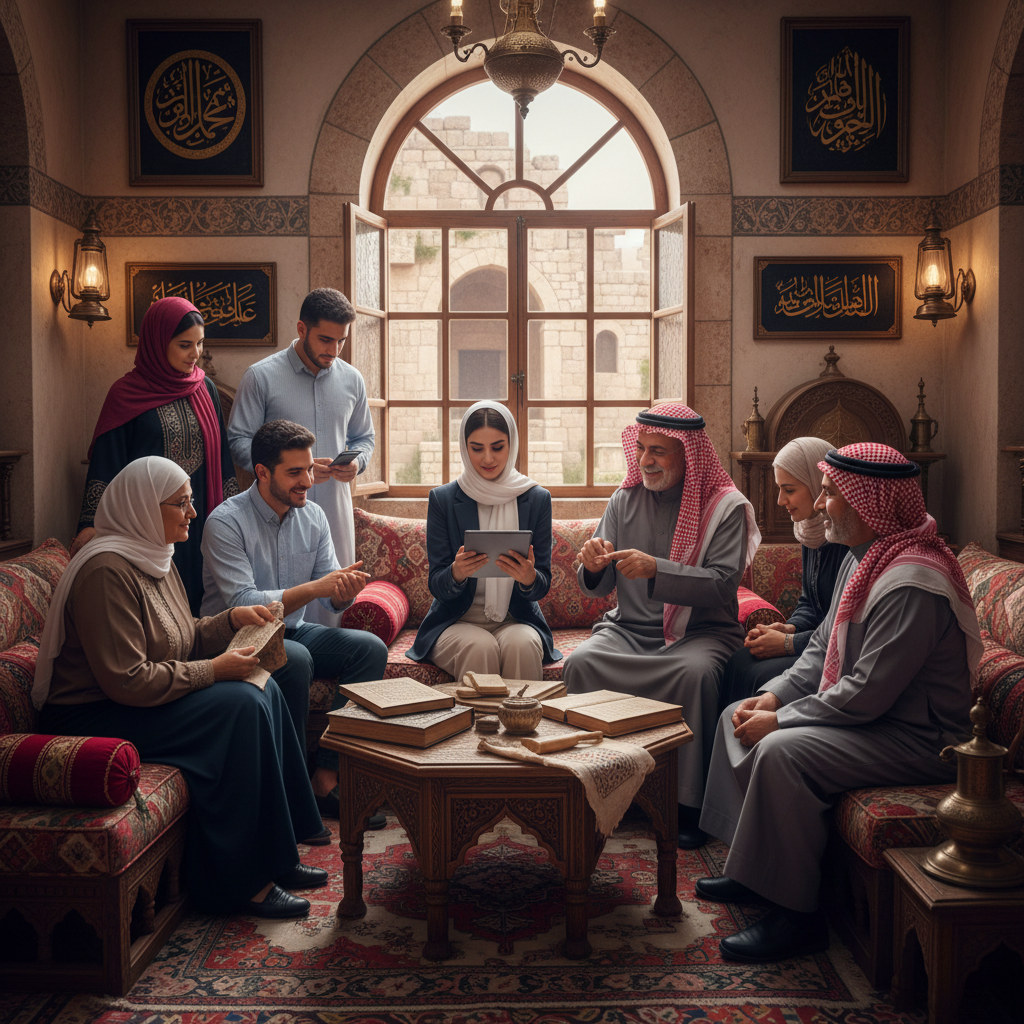
The scent of cardamom coffee and the murmur of conversation are as much a part of the Jordanian diwan as the intricate patterns on the carpets. But increasingly, another element is making its presence felt: Artificial Intelligence. As Jordan, under the astute guidance of His Majesty King Abdullah II, continues its digital transformation journey, AI is not just optimizing industries; it's subtly weaving itself into the very fabric of our cultural heritage.
Recent initiatives by the Ministry of Culture, in collaboration with local tech startups, are exploring AI's potential to digitize and preserve oral histories, traditional crafts, and even the nuances of Jordanian dialect. Imagine, if you will, an AI-powered archive that can not only store thousands of hours of Bedouin poetry but also analyze its linguistic evolution over centuries, or a system that teaches the intricate art of tatreez (traditional embroidery) through augmented reality. This isn't science fiction; it's becoming our reality.
“The ‘Jordanian man’s’ identity is deeply rooted in our stories, our hospitality, and our unwavering connection to the land,” explains Dr. Tariq Al-Hassan, a cultural anthropologist at the University of Jordan. “AI offers an unprecedented tool to document these intangible assets before they fade. It’s about ensuring that the wisdom of our shaykhs and the artistry of our hakiya (storytellers) are accessible to future generations, not just here, but globally.”
However, this technological embrace isn't without its thoughtful considerations. Some cultural purists express concern that over-reliance on AI might dilute the organic transmission of heritage. “There’s a baraka (blessing) in learning from a living master, feeling the texture of the thread, hearing the story directly from an elder’s lips,” voiced Abu Firas, a renowned silversmith from Salt. “Can a machine truly replicate that essence?”
Yet, proponents argue that AI serves as an amplifier, not a replacement. Eng. Layla Mansour, CEO of 'HadaraTech,' a local firm developing AI solutions for cultural preservation, elaborates: “Our goal is to create digital companions that assist, not supplant. An AI can catalog ancient manuscripts, translate forgotten proverbs, or even help reconstruct historical sites in virtual reality. It frees up human experts to focus on interpretation, innovation, and direct mentorship. It’s about leveraging hikma (wisdom) through modern tools.”
The Ministry of Digital Economy and Entrepreneurship has also thrown its weight behind these projects, seeing them as crucial for fostering a knowledge-based economy while safeguarding national identity. “Our digital future must honor our past,” stated a ministry spokesperson, emphasizing the importance of ethical AI development that respects cultural sensitivities and ensures data sovereignty.
As Jordan navigates the complexities of the 21st century, the integration of AI into cultural preservation reflects a pragmatic yet deeply respectful approach. It’s a testament to the Jordanian spirit – resilient, forward-looking, and always mindful of its rich heritage, ensuring that the echoes of our ancestors resonate clearly in the digital age, much like the call to prayer across Amman's hills.
Related Articles

AI's Gentle Touch: Revolutionizing Maternal Healthcare in Vietnam
 Ngo Thi Huừngé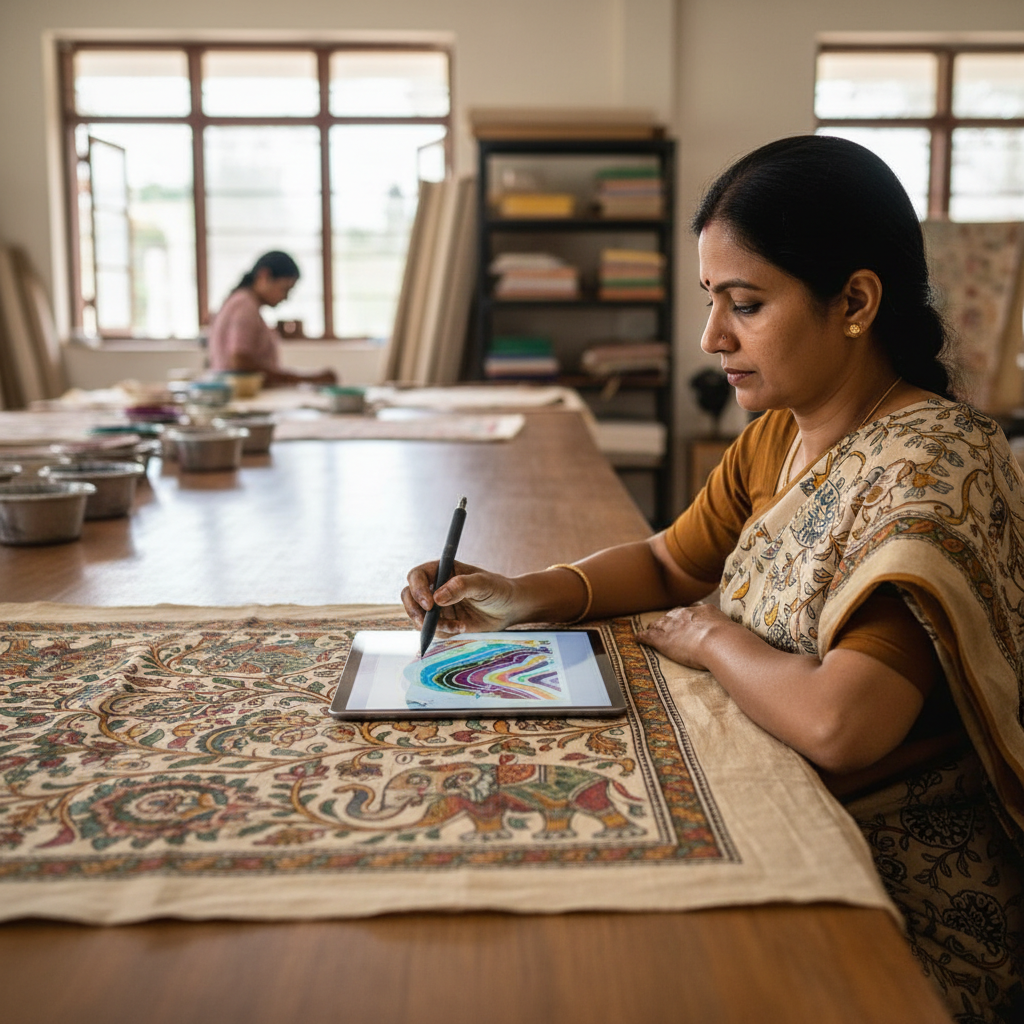
AI's Cultural Canvas: Kerala's Kalamkari Artisans Embrace Digital Weave
 Priyà Nairé
AI Revolutionizes Rural Healthcare in Punjab: A New Dawn for 'Pind' Clinics
 Arjùn Sharmà
AI's Linguistic Embrace: Safeguarding Icelandic in the Digital Age
 Sigríður Björnsdóttìr