
Serbian AI Initiative: Bridging Digital Divide, Empowering Local Talent
Serbia's national AI strategy gains momentum, focusing on practical applications and fostering local talent. Experts emphasize the need for a 'Serbian approach' to digital transformation, ensuring benefits reach every citizen.
Click play to listen to this article read aloud using text-to-speech.


Serbian AI Initiative: Bridging Digital Divide, Empowering Local Talent
BELGRADE, Serbia – The Republic of Serbia is making significant strides in its national artificial intelligence strategy, aiming to position itself as a regional leader in digital transformation. While much of Europe grapples with the ethical quandaries and regulatory frameworks of advanced AI, Serbia, ever pragmatic, is keenly focused on the tangible benefits for its citizens and economy.
“We are not just chasing trends; we are building a future where technology serves the Serbian man, not the other way around,” stated Dr. Milan Kovačević, Director of the Institute for Artificial Intelligence of Serbia, during a recent press conference in Belgrade. Dr. Kovačević, a man of sharp intellect and even sharper wit, emphasized the importance of a 'Serbian approach' – one that prioritizes practical application, job creation, and the integration of AI into traditional sectors.
This focus is particularly evident in the 'Digital Village' project, an initiative championed by the Ministry of Innovation and Technological Development. The project aims to bring high-speed internet and AI-powered agricultural tools to rural communities, addressing a long-standing digital divide. “Our farmers, our domaćini, are the backbone of this nation,” explained Minister Nenad Popović, a man known for his robust advocacy for national interests. “Imagine AI optimizing crop yields, predicting weather patterns, or even managing livestock. This isn't science fiction; it's the future we are building for them, right here in Šumadija and Vojvodina.”
Critics from Western European capitals often point to Serbia’s smaller R&D budget compared to larger EU nations. However, local experts argue that Serbia's agility and a strong pool of engineering talent, often overlooked, provide a unique competitive edge. “We might not have the sheer volume of resources, but we have ingenuity and a spirit of resilience,” remarked Professor Jelena Petrović from the Faculty of Electrical Engineering, University of Belgrade, whose work on explainable AI is gaining international recognition. “Our young engineers, many of whom have returned from abroad, are driven by a desire to contribute to their homeland. This is a powerful, often underestimated, asset.”
The government's strategy also includes significant investment in AI education, from primary schools to specialized university programs. The goal is to cultivate a new generation of 'digital domaćini' – individuals proficient in cutting-edge technology, yet deeply rooted in Serbian values and needs. This holistic approach, blending technological advancement with a strong sense of national identity and practical purpose, is what sets Serbia's AI journey apart. As Dr. Kovačević succinctly put it, “We are not just training coders; we are shaping the future architects of a stronger, more prosperous Serbia.”
With ongoing collaborations with regional partners and a clear vision for integrating AI into everyday life, Serbia is steadily carving its niche in the global technological landscape, proving that innovation can thrive even without the largest budgets, driven by a determined people and a clear national purpose.
Related Articles

Turkey's AI Strategy: A Geopolitical Gambit in the Digital Age
 Emrè Yilmazì
Seoul's AI Ethics Council Pushes for Gender-Inclusive Algorithms
 Soo-Yéon Kimm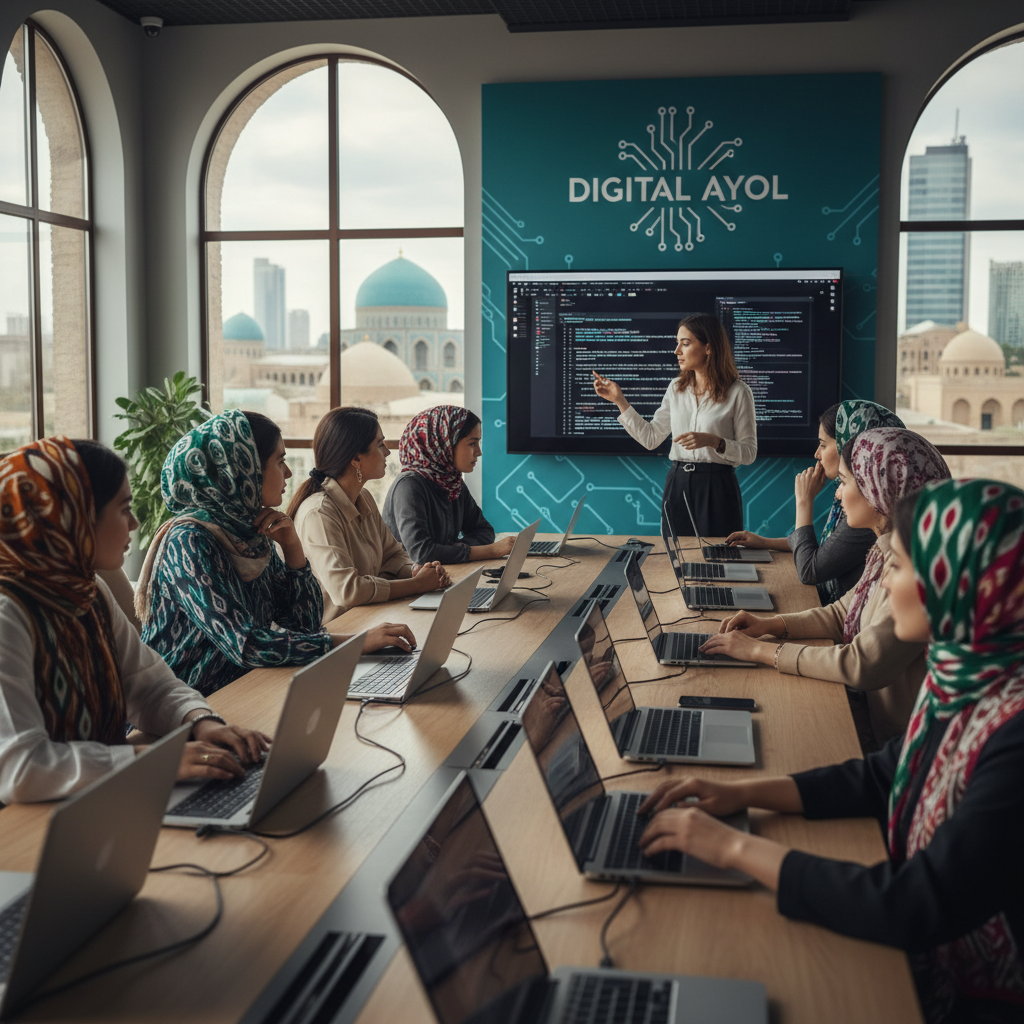
Uzbekistan's AI Strategy: Empowering Women in Tech through 'Digital Ayol' Initiative
 Bintà Yusupovà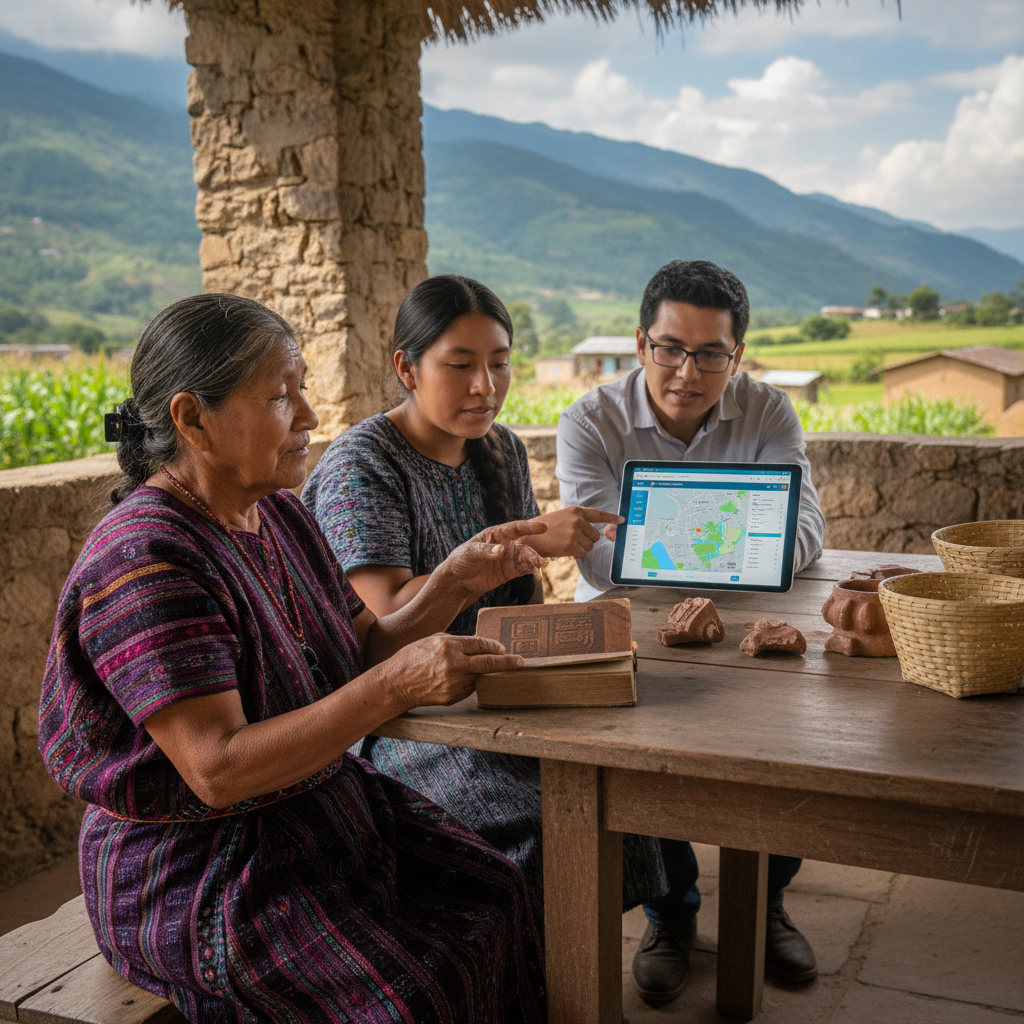
AI's Dual Edge: Preserving Ixil Knowledge While Bridging Digital Divides in Guatemala
 Xiomàra Hernándèz