
AI's Dual Edge: Preserving Ixil Knowledge While Bridging Digital Divides in Guatemala
As AI advances globally, Guatemala grapples with its implications for Indigenous communities. Efforts to preserve ancestral knowledge using AI face challenges of digital access and cultural appropriation, sparking debate among experts and community leaders.
Click play to listen to this article read aloud using text-to-speech.
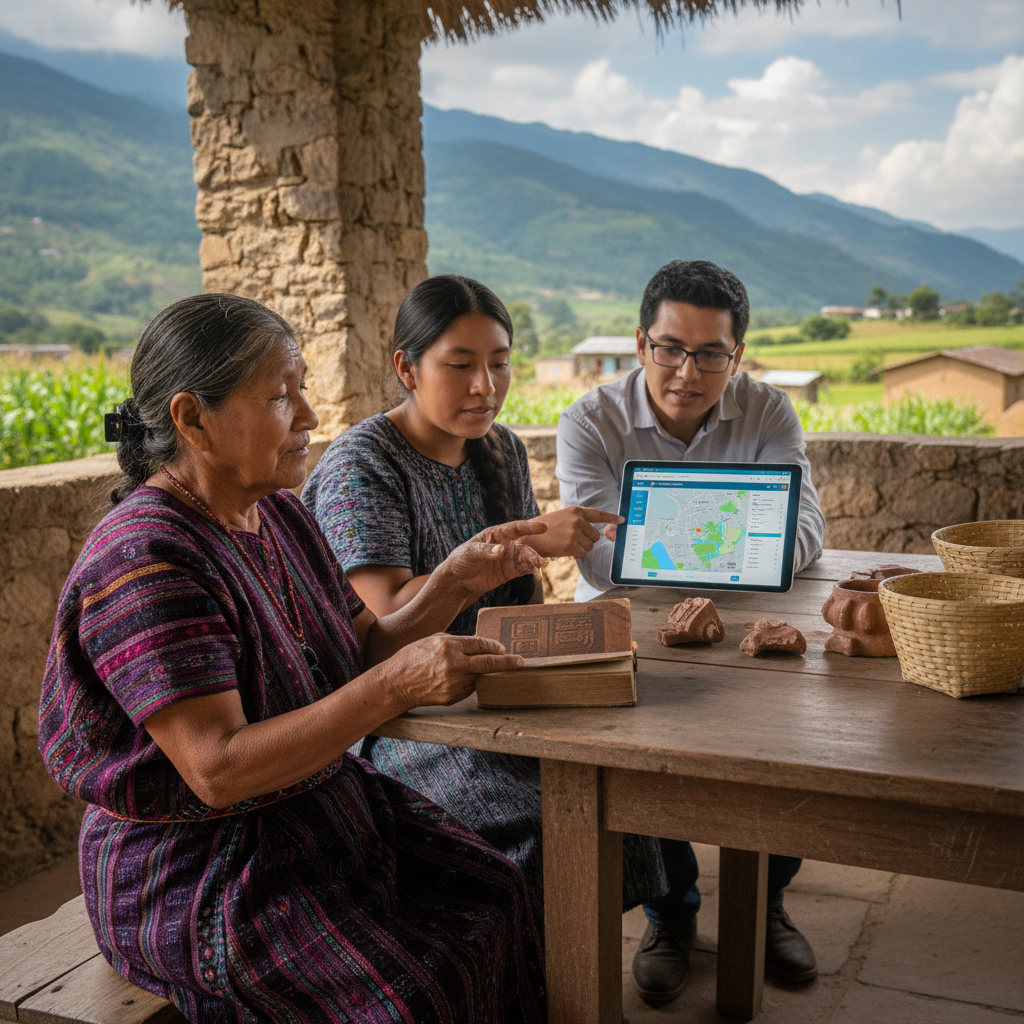

GUATEMALA CITY – April 22, 2026 – The rapid ascent of Artificial Intelligence (AI) presents a complex tapestry of opportunities and challenges for nations worldwide, and Guatemala is no exception. For Indigenous communities, particularly the Maya peoples, the technology offers a tantalizing promise: the digital preservation of ancestral knowledge, languages, and cultural practices that have endured for millennia but now face modern pressures.
However, this promise is shadowed by concerns over digital inclusion and the potential for cultural appropriation, a sentiment echoed by many, including Dr. Elena Chay, a leading linguist and advocate for Indigenous rights at the Universidad Rafael Landívar. “We see projects emerging that aim to use AI for translating K'iche' or Kaqchikel texts, or even to digitize traditional weaving patterns,” Dr. Chay explains. “While the intent is often noble, we must ask: who owns this data? Who controls the algorithms? And most critically, are the communities themselves truly empowered in this process, or are they merely subjects of study?”
One such initiative gaining traction is a pilot program in the Ixil region of El Quiché, where researchers from the Universidad del Valle de Guatemala, in partnership with a U.S.-based tech firm, are exploring the use of AI to create a comprehensive digital archive of Ixil oral histories and agricultural practices. The project aims to develop a machine learning model that can transcribe and translate spoken Ixil narratives into Spanish and English, making invaluable ancestral wisdom accessible to younger generations and a global audience.
“This is a delicate dance,” says Don Pedro Ceto, a respected Ajq'ij (spiritual guide) from Nebaj, who has been cautiously involved in the project. “Our knowledge, our nawal, is not just information; it is life, it is connection to the Q'anil (seed, new life) and the Tijax (obsidian, healing). If AI can help our children remember the stories of their grandparents, if it can help us teach the ancient ways of planting ixim (corn) without chemicals, then it has value. But it must be done with respect, with k'exel (reciprocity), and with our people leading the way.”
The digital divide remains a significant hurdle. While AI models become increasingly sophisticated, many rural Mayan communities still lack reliable internet access or even basic electricity. “How can we talk about AI-driven preservation when many families struggle to access digital education for their children?” asks María Tun, director of the Asociación de Mujeres Ixiles, a local NGO. “Investment in infrastructure must precede, or at least accompany, these advanced technological endeavors.”
Officials from the Ministry of Science and Technology acknowledge these disparities. “We are working on a national digital inclusion strategy,” stated Deputy Minister Ricardo Morales in a recent press conference. “Our goal is to ensure that technological advancements benefit all Guatemalans, especially our Indigenous populations, by providing equitable access and fostering digital literacy programs tailored to their unique needs and cultural contexts.”
The conversation around AI in Guatemala is thus a microcosm of a larger global debate: how can technology serve humanity without eroding cultural identity or exacerbating existing inequalities? For the Mayan peoples, the answer lies not just in the algorithms, but in the principles of Ruk'ux Na'oj (the heart of wisdom) – ensuring that innovation is guided by community, respect, and a deep understanding of ancestral heritage.
Related Articles

AI in Northern Health: Bridging Gaps for Indigenous Communities in Canada
 Ingridè Bjornssòn
AI Diagnóstico: Mexico's Bet on AI for Public Health in Rural Areas
 Alejandroó Riveràs
Seoul's AI Ethics Council Pushes for Gender-Inclusive Algorithms
 Soo-Yéon Kimm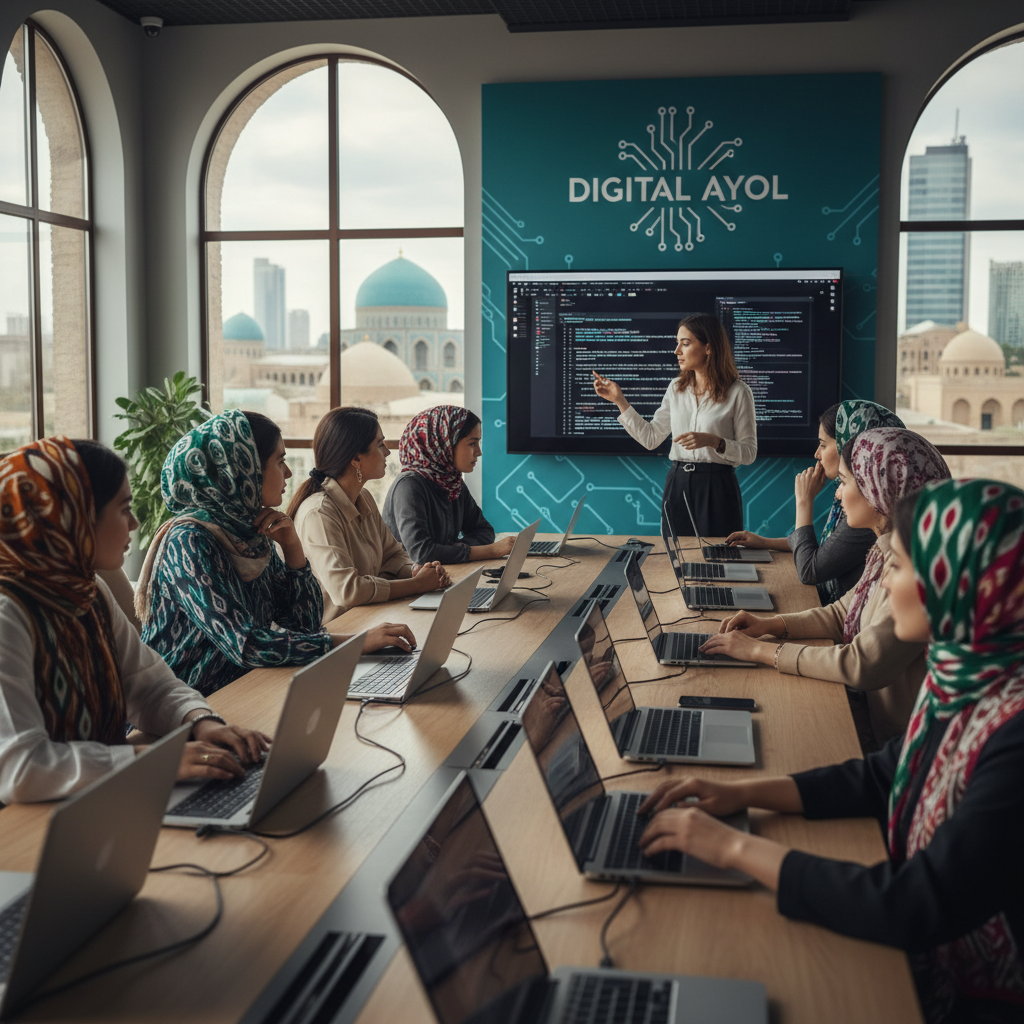
Uzbekistan's AI Strategy: Empowering Women in Tech through 'Digital Ayol' Initiative
 Bintà Yusupovà