
Seoul's AI Ethics Council Pushes for Gender-Inclusive Algorithms
South Korea's newly formed AI Ethics Council is championing a groundbreaking initiative to embed gender-inclusive principles into AI development, aiming to dismantle algorithmic biases that disproportionately affect women. This move positions Korea as a leader in ethical AI.
Click play to listen to this article read aloud using text-to-speech.

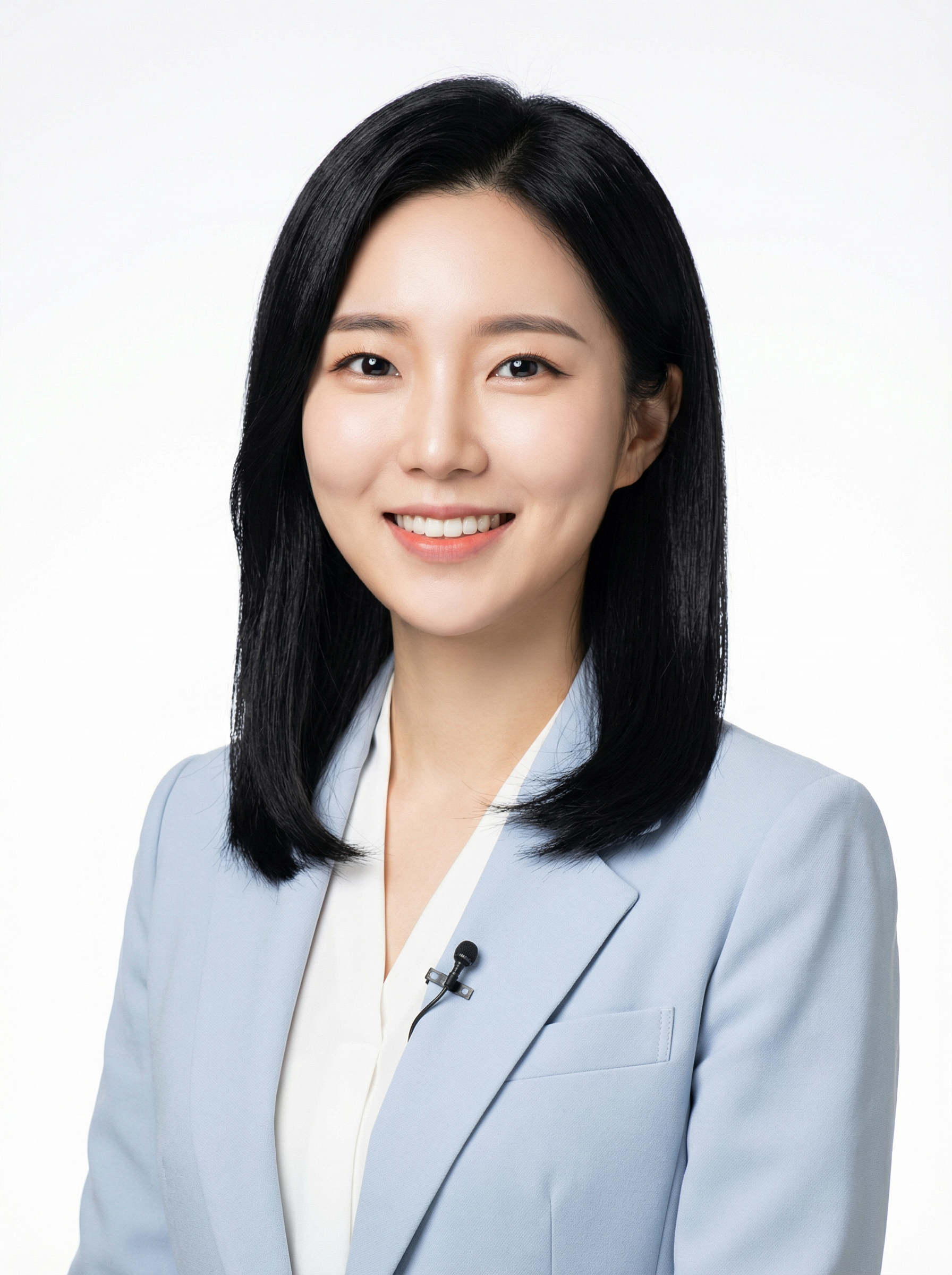
SEOUL, South Korea – The burgeoning field of Artificial Intelligence (AI) is rapidly transforming societies worldwide, and South Korea, a global leader in technological innovation, is at its forefront. However, as AI systems become increasingly integrated into daily life, concerns about inherent biases, particularly those affecting women, have grown. Addressing this, the Seoul Metropolitan Government's recently established AI Ethics Council (서울시 AI 윤리위원회) is spearheading a critical initiative to ensure gender-inclusive algorithmic design.
Comprised of leading academics, industry experts, and civil society representatives, the Council, under the visionary leadership of Dr. Lee Mi-young (이미영 박사), a renowned professor of Computer Science at Ewha Womans University and an outspoken advocate for digital equity, held its inaugural public forum last week. Dr. Lee emphasized the urgency of their mission: "Our research consistently shows that AI algorithms, if not carefully designed, can perpetuate and even amplify existing societal biases. From hiring algorithms that favor male candidates to diagnostic tools that misinterpret women's health data, the impact is profound and often invisible. As a nation that values both technological advancement and social progress, we have a responsibility to address this head-on."
The Council's initial proposal outlines a comprehensive framework for ethical AI development, focusing heavily on data diversity and algorithmic transparency. Key recommendations include mandatory gender-disaggregated data collection for AI training sets, independent audits for bias detection in publicly deployed AI systems, and the establishment of a 'Gender-Inclusive AI Certification' (젠더 포용 AI 인증제) for companies operating within the city. This certification would recognize and incentivize developers who prioritize equitable outcomes.
Ms. Park Hye-jin (박혜진), a senior policy analyst at the Korea Institute for Gender Equality & Family (한국여성정책연구원), lauded the Council's proactive stance. "This is not merely about fairness; it's about economic and social efficiency. When AI systems exclude or misrepresent half of the population, they fail to serve their purpose optimally. The initiatives proposed by the Seoul AI Ethics Council are a crucial step towards building AI that truly benefits all citizens, reflecting the diverse tapestry of our society."
Critics often point to the global underrepresentation of women in STEM fields as a root cause of algorithmic bias. Dr. Lee acknowledges this, stating, "While we work to increase female participation in AI development, we must also implement systemic safeguards. Our goal is to create a 'human-centric AI' (인간 중심 AI) ecosystem where ethical considerations are baked into the design process, not merely an afterthought." The Council plans to collaborate with major Korean tech conglomerates, such as Samsung and LG, to pilot these new ethical guidelines in their AI research and development divisions, setting a precedent for the broader Asian tech landscape. This bold move by Seoul solidifies South Korea's commitment to not only leading the AI revolution but also ensuring it is a just and equitable one.
Related Articles

AI's Linguistic Leap: Icelandic Language Model Secures EU Grant, Bolstering Digital Sovereignty
 Björn Sigurdssòn
Jaffna's AI Leap: Tamil Startups Drive Ethical Innovation in Language Tech
 Ravi Chandrasekharàn
AI's Tamil Tongue: Preserving Heritage in a Digital Age, Sri Lankan Perspectives
Ravi Chandrasekharàn
Azerbaijani Women Drive AI Integration in SME Sector, Boosting National Economy
 Aynurè Abdullayevà