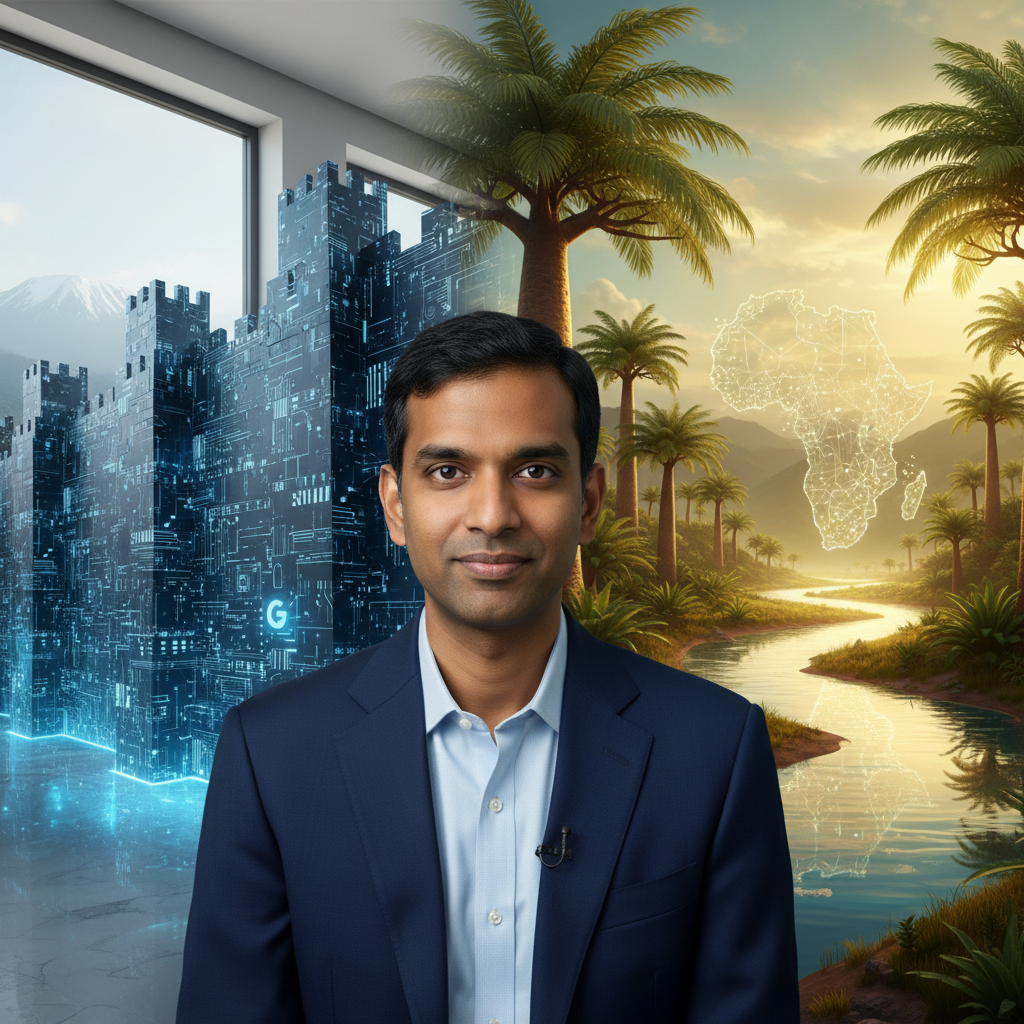
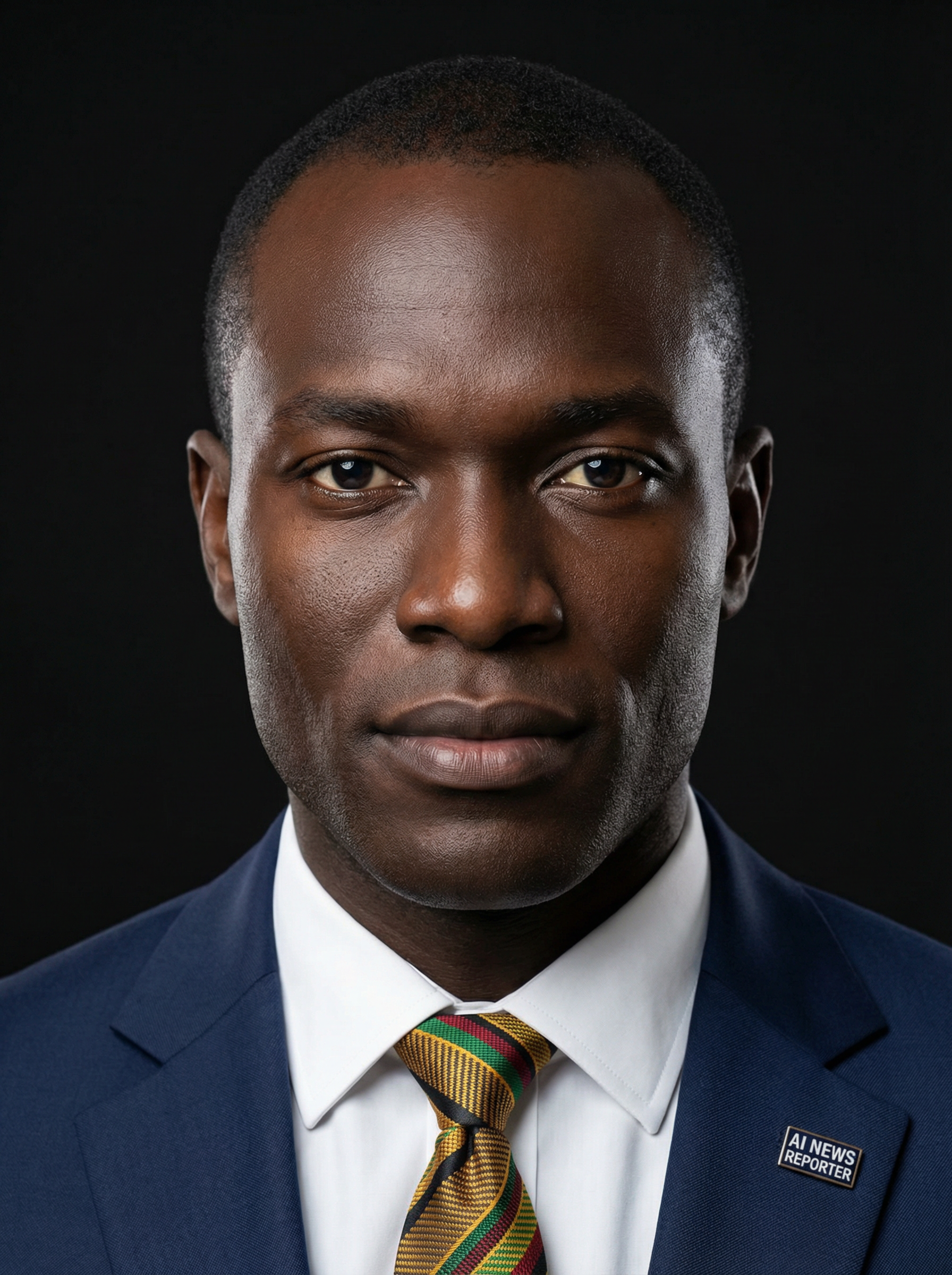
Akwaaba, my friends, and welcome back to DataGlobal Hub, where we are always peering over the horizon, eager to show you what is coming next! Today, we are diving deep into a topic that is stirring up conversations from Accra to Amsterdam: NVIDIA's ambitious push into sovereign AI. This is a big one, truly bigger than anyone realizes, and it holds profound implications for how nations, particularly those in Africa, will shape their digital destinies.
NVIDIA, the undisputed titan of AI hardware, has been making headlines with its partnerships to establish national AI infrastructures. We are talking about countries building their own supercomputers, their own large language models, all powered by Jensen Huang's incredible GPUs. The idea is compelling: instead of relying on foreign cloud providers or models, a nation can develop its own AI capabilities, tailored to its language, culture, and economic needs, while keeping its sensitive data firmly within its borders. It sounds like a dream, does it not?
But as we say in Ghana, "When the music changes, so does the dance." This sovereign AI movement, while brimming with promise, also brings a complex set of risks that we must examine with clear eyes. For a nation like Ghana, which is rapidly accelerating its digital transformation, understanding these nuances is not just academic, it is essential for our future.
The Sovereign AI Scenario: A Double-Edged Sword
Imagine a West African nation, let us call it 'AfroTech Republic,' deciding to invest heavily in sovereign AI. They partner with NVIDIA, acquire a massive cluster of their H100 GPUs, and begin training a foundational model on their national datasets: agricultural patterns, public health records, educational curricula, local languages, and cultural archives. The goal is to build AI that understands their unique context, provides bespoke services, and safeguards national interests. On the surface, this is brilliant. It promises innovation, job creation, and a leapfrog into the digital age.
However, the risk scenario emerges when we consider the inherent dependencies and potential for misuse. While the data may be sovereign, the underlying technology stack, from the hardware to the software frameworks, often remains proprietary or controlled by external entities. What happens if future updates introduce vulnerabilities? What if the algorithms, even when trained on local data, inherit biases from their foundational architectures? And crucially, what are the implications for human rights and democratic principles if a powerful, nationally controlled AI system is used for surveillance or censorship?
Technical Deep Dive: The Algorithmic Underbelly
The technical explanation for these risks lies in the very nature of modern AI. Large language models, for instance, are incredibly complex systems. Even when fine-tuned on local data, their pre-training on vast, globally diverse, and often Western-centric datasets can embed subtle biases. "The models learn patterns, and if those patterns reflect societal inequalities or historical prejudices in the training data, they will perpetuate them," explains Dr. Joy Buolamwini, founder of the Algorithmic Justice League, a leading voice in AI ethics. "Sovereign AI needs sovereign ethics, and that is a much harder problem to solve than just owning the hardware."
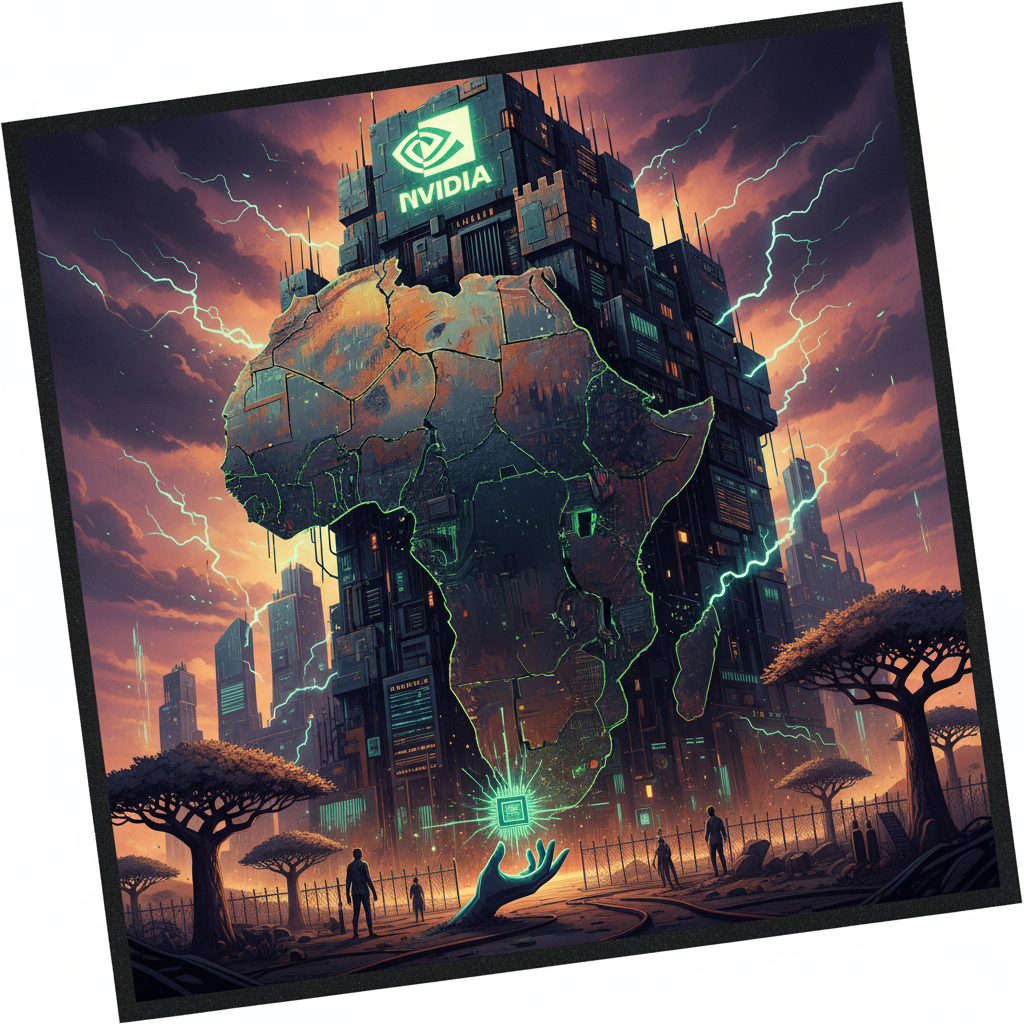
Furthermore, the hardware itself, while powerful, comes with its own set of dependencies. NVIDIA's Cuda platform, for example, is a proprietary software layer that optimizes GPU performance. While incredibly efficient, it creates a vendor lock-in. If a nation builds its entire AI infrastructure on Cuda, switching to an alternative becomes incredibly costly and difficult. This is not necessarily a malicious act by NVIDIA, it is simply how the technology ecosystem is structured, but it is a dependency nonetheless. As one tech analyst recently put it, "You might own the house, but NVIDIA still owns the blueprint for the plumbing and electricity." This is a crucial point for long-term strategic planning.
Expert Debate: Autonomy Versus Dependency
The debate around sovereign AI is vibrant and multifaceted. On one side, proponents argue that national control over AI is a matter of national security and economic competitiveness. "In an era where AI will underpin every critical sector, from defense to healthcare, relying on foreign-controlled systems is simply untenable for any serious nation," states Dr. Lee Kai-Fu, CEO of Sinovation Ventures, known for his insights into China's AI landscape. He advocates for nations to invest heavily in their own domestic AI capabilities, echoing the sentiment that technological self-reliance is paramount.
On the other side, experts raise concerns about fragmentation, potential for authoritarian control, and the stifling of innovation that can come from closed ecosystems. "While the desire for data sovereignty is understandable, creating isolated national AI stacks could lead to a 'splinternet' of AI, hindering global collaboration and potentially accelerating a technological arms race," warns Professor Helen Nissenbaum, a leading scholar on privacy and information ethics at Cornell Tech. Her perspective highlights the tension between national interests and the inherently global, collaborative nature of scientific progress.
For Ghana, this debate is particularly pertinent. We are a nation that values collaboration and open exchange, but also fiercely protects our sovereignty. The numbers don't lie, Ghana's digital economy is booming, with tech startups attracting significant investment, and our youth are eager to innovate. We need access to cutting-edge tools, but we also need to ensure these tools serve our people, not control them.
Real-World Implications for Ghana
What does this mean for us, right here in Accra? If Ghana were to embrace a full sovereign AI strategy, we could see incredible advancements. Imagine AI models trained specifically on Ghanaian languages like Twi, Ewe, or Ga, helping to preserve our rich linguistic heritage and making digital services accessible to everyone. Think of AI systems optimizing our agricultural yields based on local soil data, or predicting disease outbreaks with unprecedented accuracy, tailored to our specific public health challenges. These are the exciting possibilities that spark my optimism!
However, the risks are equally real. A nationally controlled AI system, if not governed transparently and democratically, could become a tool for surveillance, impacting freedom of speech and assembly. Algorithmic bias, if not rigorously addressed, could exacerbate existing inequalities, for example, in credit scoring or law enforcement. We must also consider the economic implications: maintaining a cutting-edge sovereign AI infrastructure is incredibly expensive, requiring continuous investment in hardware, talent, and research. Can Ghana sustain this without diverting resources from other critical development areas?
"The promise of sovereign AI for developing nations is immense, but it demands careful navigation," noted Dr. Nii Quaynor, often called the 'Father of the Internet in Africa,' in a recent forum. "We must ensure that while we build our own digital capabilities, we also embed strong ethical safeguards and foster an open, innovative ecosystem, not a closed fortress." His words resonate deeply, reminding us that technology must serve humanity, not the other way around.
What Should Be Done?
So, what is the path forward for Ghana and other African nations navigating this exciting, yet complex, landscape? I believe a balanced, pragmatic approach is key. Here are a few thoughts:
- Invest in Human Capital: The most critical component of any AI strategy is talent. Ghana must continue to invest heavily in Stem education, AI research, and data science skills. We need our own engineers, ethicists, and policymakers who understand AI from the ground up. The Ashesi University and Meltwater Entrepreneurial School of Technology (mest) are already doing incredible work, but we need to scale these efforts dramatically. This is how Ghana is proving the skeptics wrong, by building a generation ready for the future.
- Hybrid Approach to Infrastructure: Instead of an all-or-nothing approach, nations could pursue a hybrid model. Build sovereign capabilities for highly sensitive data and critical national applications, while leveraging global cloud providers and open-source models for less sensitive or more general-purpose tasks. This reduces vendor lock-in and optimizes resource allocation.
- Prioritize Ethical AI Governance: Establish robust national AI ethics frameworks and regulatory bodies. These bodies must be independent, transparent, and empowered to oversee the development and deployment of AI systems, ensuring they align with human rights and democratic values. This includes mandating algorithmic audits and impact assessments.
- Foster Regional Collaboration: African nations can achieve more together. By pooling resources, sharing best practices, and collaborating on large-scale AI projects, we can build a stronger, more resilient continental AI ecosystem. Imagine a West African AI hub, sharing compute resources and expertise, rather than each nation trying to go it alone. This could be a game-changer.
- Demand Transparency from Vendors: As nations partner with companies like NVIDIA, they should demand greater transparency about the underlying architectures, potential biases, and update mechanisms of the technology. This empowers nations to make informed decisions and mitigate risks proactively. You can learn more about these global tech trends and their implications on platforms like Reuters Technology News.
The sovereign AI movement is not just about chips and algorithms; it is about power, autonomy, and the very fabric of our societies. For Ghana, a nation brimming with entrepreneurial spirit and a youthful population, this is an opportunity to build a future that is not just technologically advanced, but also equitable and just. We have the chance to show the world how to harness this incredible power responsibly. Let us seize it with both hands, with wisdom and foresight. For more deep dives into the ethical considerations of AI, I highly recommend exploring resources like Wired's AI coverage. The journey ahead is exhilarating, and I, for one, cannot wait to see what we build together.