
Ivorian Women Entrepreneurs Embrace AI for Market Expansion and Empowerment
Côte d'Ivoire's women entrepreneurs are increasingly leveraging AI tools to overcome traditional market barriers, enhance business efficiency, and foster economic empowerment across the region. This digital embrace signals a new era for 'femmes battantes' in West African commerce.
Click play to listen to this article read aloud using text-to-speech.


ABIDJAN, Côte d'Ivoire – In the bustling markets of Treichville and the burgeoning tech hubs of Cocody, a quiet revolution is taking place, spearheaded by Côte d'Ivoire's indomitable women entrepreneurs, or 'femmes battantes.' They are not just selling wares; they are strategically integrating Artificial Intelligence (AI) into their business models, transforming challenges into unprecedented opportunities.
For generations, Ivorian women have been the backbone of the informal economy, from agricultural produce to artisanal crafts. However, access to broader markets, financing, and technical expertise has often been a formidable 'barrière.' Today, AI is proving to be a powerful 'levier' for these dynamic businesswomen.
“AI is no longer a concept for Silicon Valley; it’s a tool for our market women, our 'commerçantes,' right here in Abidjan and Bouaké,” states Dr. Aminata Koné, a leading expert in digital economy at the Université Félix Houphouët-Boigny. “We are seeing applications from predictive analytics for agricultural yields to AI-powered chatbots assisting customer service for online fashion boutiques. This is about democratizing access to sophisticated business intelligence.”
One such pioneer is Madame Adjoua Kouassi, who runs a successful online platform for handcrafted 'pagne' fabrics. Initially struggling with inventory management and reaching international buyers, she adopted an AI-driven system that analyzes sales data to predict demand, optimizes shipping routes, and even translates product descriptions into multiple languages. “Before, it was 'système D' (making do with limited resources), now it’s 'système IA'!” she laughs, her voice echoing the resilience characteristic of Ivorian women. “My business has grown by 40% in the last year, and I can now compete with businesses from anywhere.”
The Ministry of Digital Economy and Post, under the leadership of Minister Ibrahim Cissé, has been actively promoting digital literacy programs tailored for women. “Our 'Programme Femme Numérique' initiatives are crucial,” Minister Cissé explained during a recent press briefing. “We are ensuring that the digital divide does not become a gender divide. Providing access and training in AI tools empowers women to scale their enterprises, create jobs, and contribute significantly to our national GDP, moving beyond traditional economic roles.”
However, challenges remain. Internet connectivity, particularly in rural areas, and the cost of AI integration are still significant hurdles. “We must also guard against bias in AI algorithms, ensuring they are culturally appropriate and do not perpetuate existing inequalities,” cautions Dr. Koné. “The data sets used to train these systems must reflect the diversity of our African context.”
Despite these obstacles, the momentum is undeniable. Organizations like the 'Réseau des Femmes Entrepreneures de Côte d'Ivoire' (REFECI) are hosting workshops and mentorship programs, connecting women with AI developers and digital marketing specialists. The synergy between traditional entrepreneurial spirit and cutting-edge technology is creating a vibrant ecosystem where Ivorian women are not just participants but architects of their digital future, proving that innovation knows no gender or geographical bounds.
Related Articles
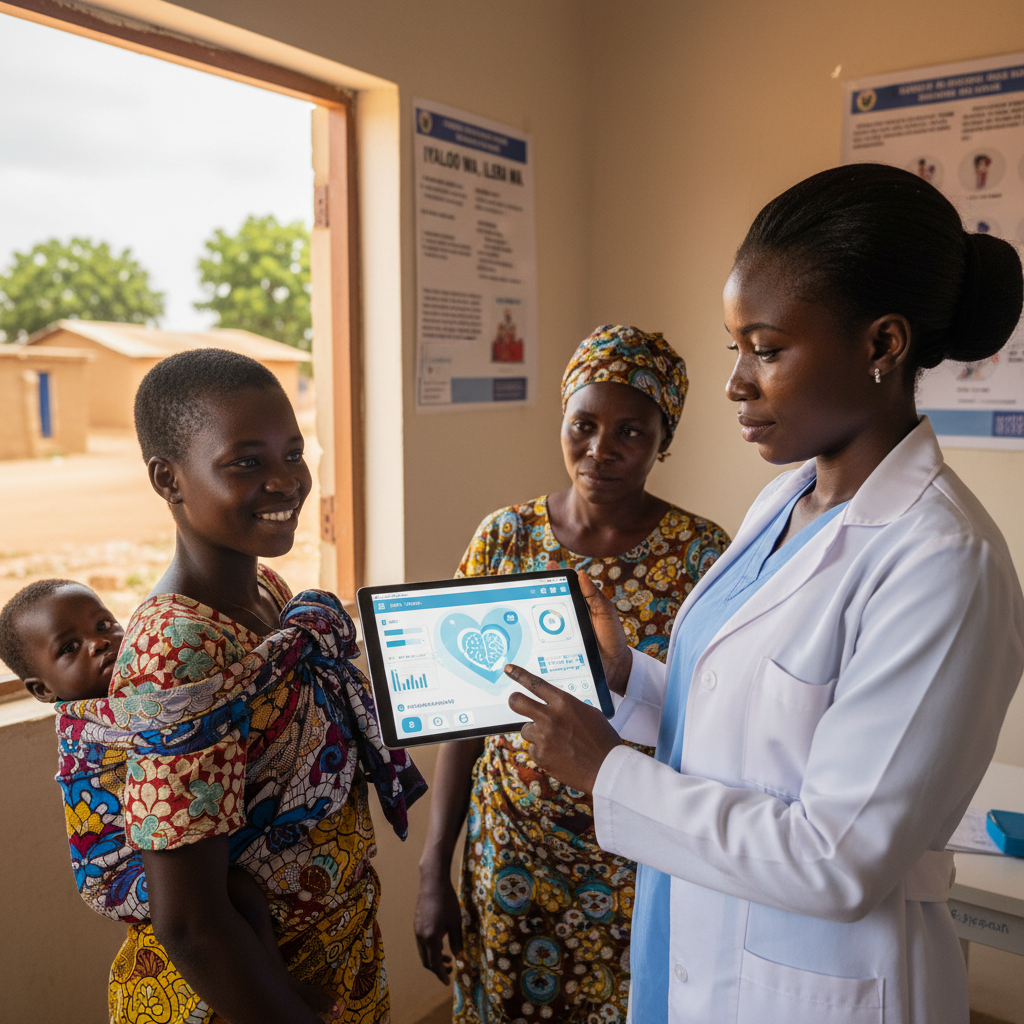
AI's Healing Touch: Revolutionizing Maternal Healthcare in Nigeria's Rural Communities
 Nkirukà Ezenwà
Ghana's AI Leap: Local Startups Drive Innovation, Address Ethical Concerns
 Kwamé Asantè
Chinese Women Entrepreneurs Drive AI Innovation in Smart Manufacturing
 Mei-Líng Zhāng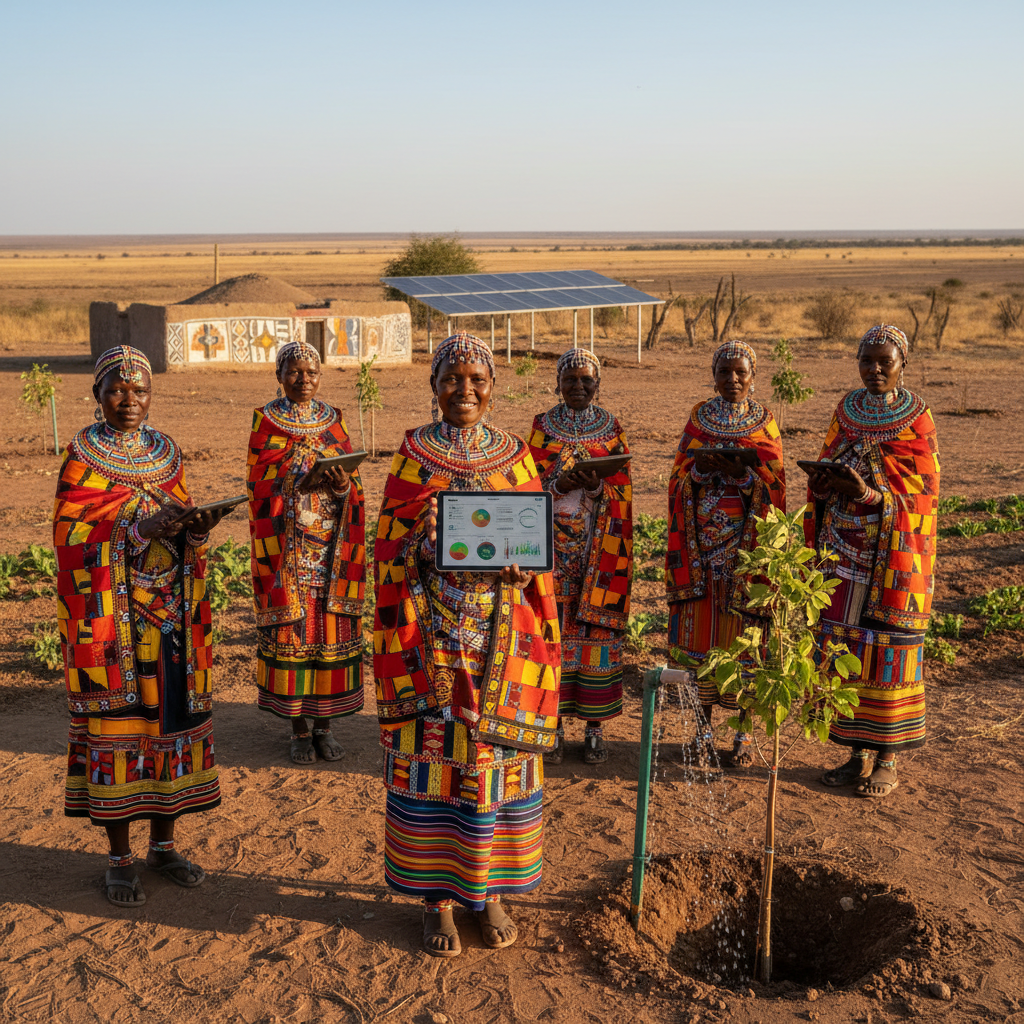
AI's Green Promise: Ndebele Women Lead Climate Resilience in Matabeleland
 Zinhlée Khumàlo