
India's AI Push: MSMEs Embrace Digital Transformation for Economic Boost
Small and Medium Enterprises (MSMEs) across India are rapidly integrating Artificial Intelligence to enhance efficiency and competitiveness, marking a significant shift in the nation's economic landscape. This AI adoption is poised to unlock new growth avenues for a crucial sector.
MUMBAI, India – April 22, 2026 – India's vast and vibrant Micro, Small, and Medium Enterprises (MSME) sector, long considered the backbone of the nation's economy, is undergoing a profound digital transformation driven by Artificial Intelligence (AI). From automating supply chains to personalizing customer experiences, AI is no longer a futuristic concept but a tangible tool for growth, promising to redefine India's economic trajectory.
Recent data from the Ministry of MSME indicates that over 15% of registered MSMEs have initiated AI integration in some form over the past year, a significant jump from just 5% two years ago. This surge is fueled by government incentives, accessible cloud-based AI solutions, and a growing awareness among business owners about the technology's competitive advantages.
"We are witnessing a paradigm shift. MSMEs, traditionally cautious about adopting new technologies due to cost and complexity, are now actively seeking AI solutions," states Dr. Anjali Sharma, Chief Economist at the Federation of Indian Chambers of Commerce & Industry (FICCI). "The availability of affordable, localized AI platforms, often offered on a 'pay-as-you-go' model, has democratized access, allowing even small manufacturers in Tier-2 cities to leverage AI for predictive maintenance or quality control. This isn't just about efficiency; it's about global competitiveness."
One such success story is 'Shree Textiles' in Surat, Gujarat. Owner Rajesh Patel, whose family business has been in operation for three generations, implemented an AI-driven inventory management system six months ago. "Before, we'd often have excess stock or run out of popular designs, leading to losses," Patel explains. "Now, the AI predicts demand based on historical sales, seasonal trends, and even social media buzz. Our inventory accuracy has improved by 30%, and we've reduced waste significantly. It's like having a super-smart employee working 24/7."
The government's 'AI for Bharat' initiative, launched in late 2024, has been instrumental in this acceleration. The program offers subsidies for AI tool adoption, skill development workshops for MSME employees, and a marketplace connecting businesses with AI solution providers. "Our goal is to ensure that AI benefits all segments of our economy, not just large corporations," commented Mr. Vikram Singh, Joint Secretary at the Ministry of Electronics and Information Technology. "Empowering MSMEs with AI will not only boost their productivity but also create new high-skilled jobs and foster a culture of innovation across the country."
However, challenges remain. Data privacy concerns, the need for robust digital infrastructure in rural areas, and the upskilling of the existing workforce are critical hurdles. "While the enthusiasm is palpable, we need to invest heavily in digital literacy and cybersecurity training," cautions Professor Priya Rao, an AI ethics expert at IIT Bombay. "Ensuring responsible AI deployment and protecting proprietary data will be crucial for sustainable growth."
Despite these challenges, the outlook is overwhelmingly positive. As India aims for a $5 trillion economy, the widespread adoption of AI by its MSME sector is proving to be a powerful catalyst, promising to drive innovation, create jobs, and firmly establish India as a leader in the global digital economy.
Related Articles
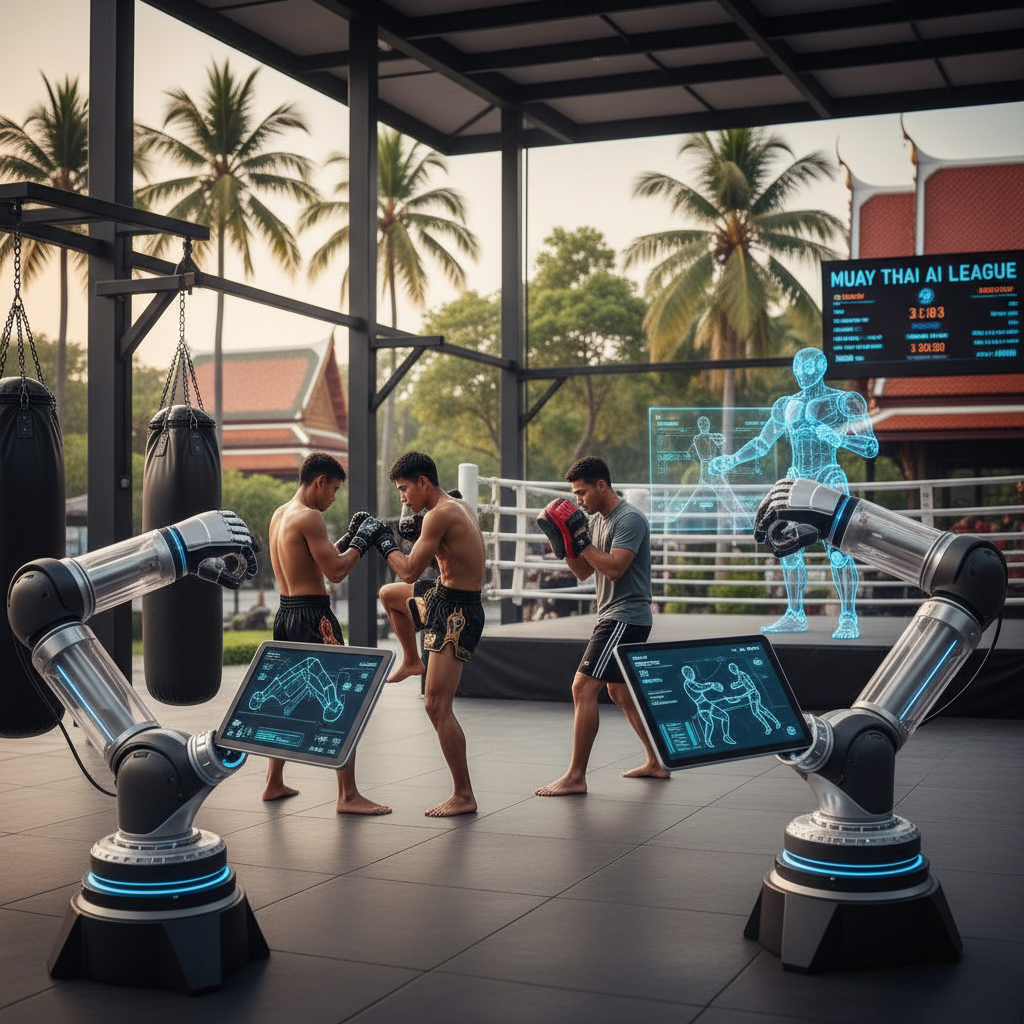
AI Coaches Revolutionize Muay Thai Training Across Thailand
 Chaiyapòn Srisomboòn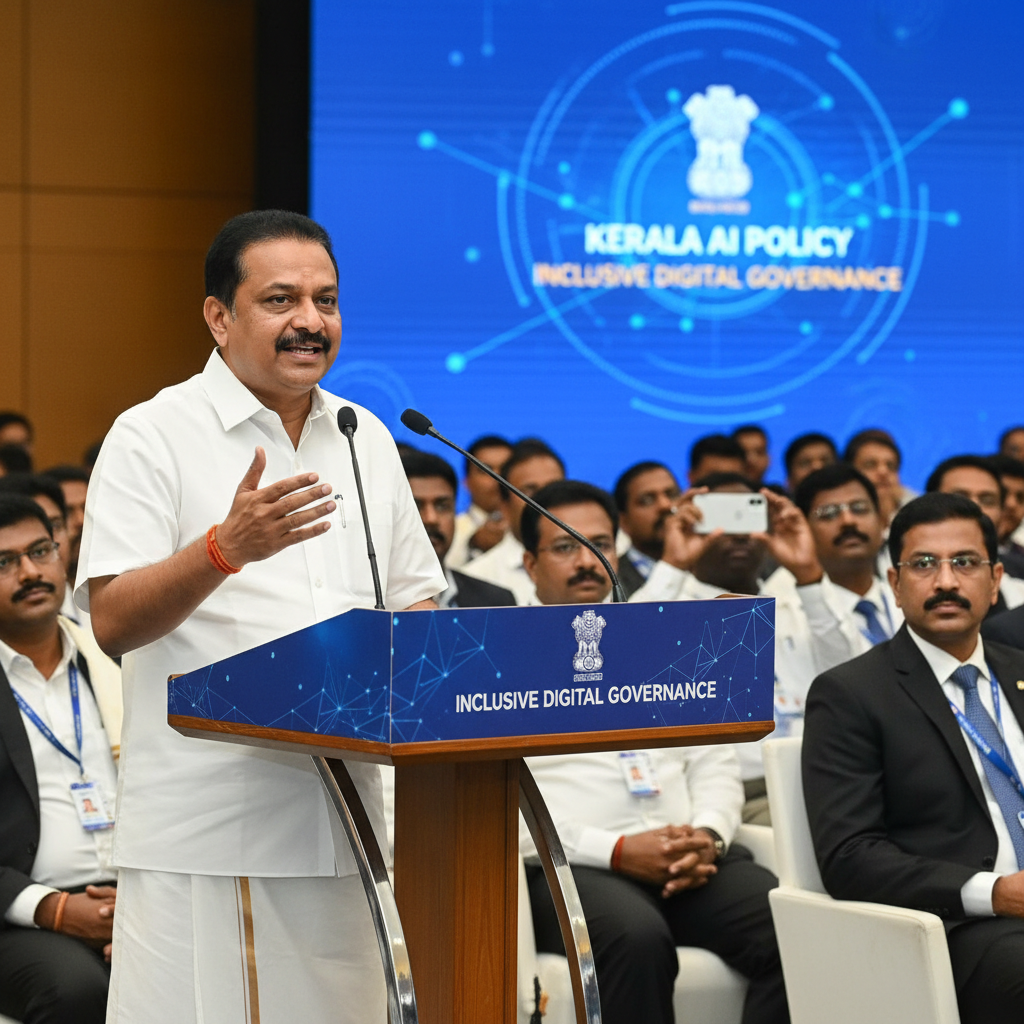
Kerala's AI Policy: A Blueprint for Inclusive Digital Governance, Says Minister
 Priyà Nairé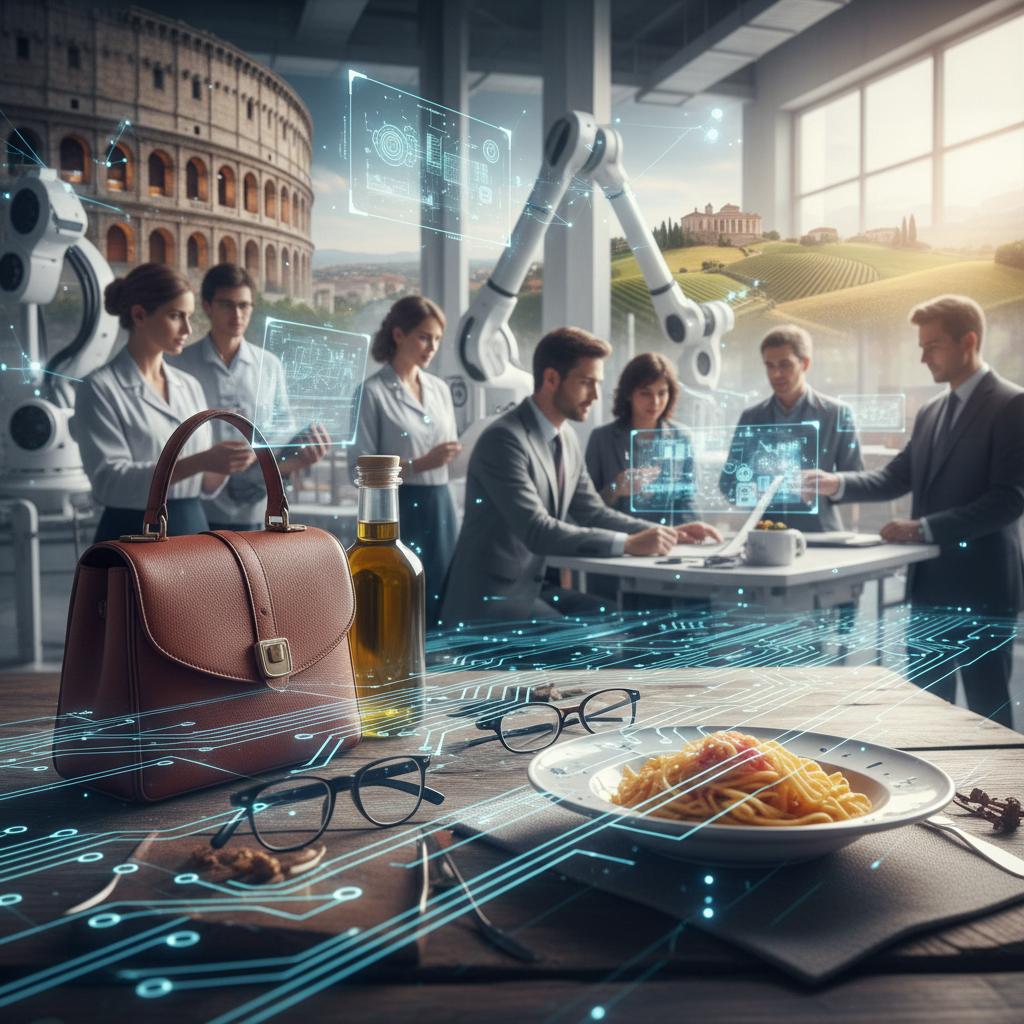
Italy's AI Ambitions: Can Digital Transformation Revitalize the 'Made in Italy' Economy?
 Mattèo Ferrarì
AI's 'She-Power' in China's Rural Health: Bridging Gaps for Women
 Mei-Líng Zhāng