Hauora Digital: AI's Promise for Māori Health Equity in Aotearoa
Aotearoa New Zealand is exploring AI's potential to address long-standing health disparities for Māori, focusing on culturally safe data practices and equitable access. Experts caution against replicating biases while highlighting opportunities for improved diagnostics and service delivery.
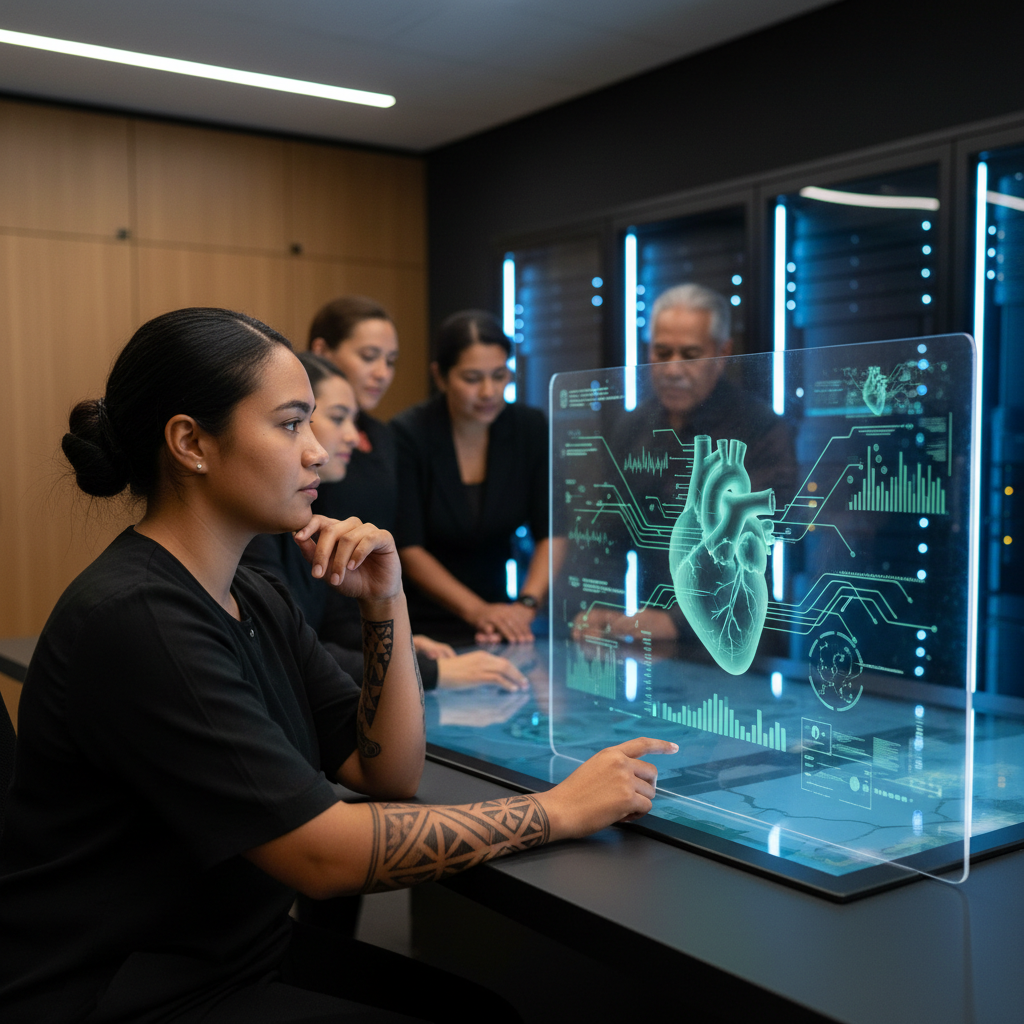
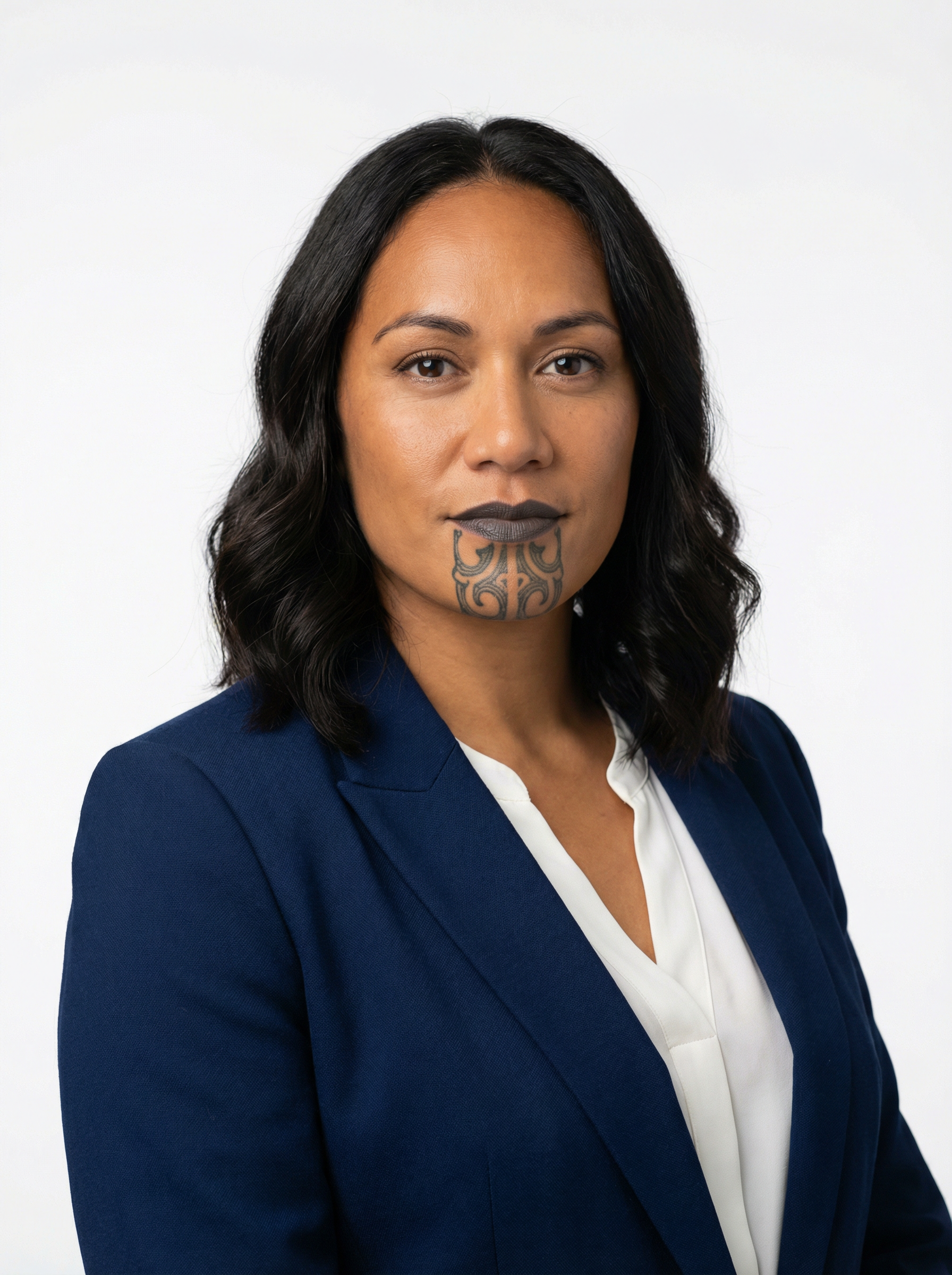
ŌTAUTAHI, AOTEAROA – The digital tide of artificial intelligence is steadily reaching the shores of Aotearoa, bringing with it both promise and peril for the nation's health sector, particularly concerning Māori hauora (well-being). As a wahine Māori reporter, I've witnessed firsthand the historical inequities embedded within our healthcare system, and the conversation around AI's role in mitigating or exacerbating these disparities is now at the forefront.
Recent discussions at the 'Hauora Matihiko Summit' in Ōtautahi highlighted the nuanced approach required. Dr. Hineata Te Rangi, a leading expert in Indigenous data sovereignty and a researcher at Te Whare Wānanga o Waitaha (University of Canterbury), articulated the critical need for 'Māori-led AI development.'
"We cannot simply overlay Western AI models onto our unique health landscape and expect equitable outcomes," Dr. Te Rangi stated, her voice resonating with conviction. "The algorithms must be trained on data that accurately reflects our whakapapa (genealogy), our lived experiences, and our specific health needs. More importantly, the development and governance of these systems must be grounded in Te Tiriti o Waitangi principles, ensuring Māori control over Māori data – or 'Māori Data Sovereignty'."
The Ministry of Health, Te Whatu Ora, has acknowledged the potential for AI to revolutionise diagnostics, personalise treatment plans, and streamline administrative processes, particularly in remote and rural communities often underserved. An initiative currently being piloted in Te Tai Tokerau (Northland) involves an AI-powered diagnostic tool for early detection of rheumatic fever, a disease disproportionately affecting Māori children.
However, concerns remain. Tāne Mahuta, CEO of Whānau Ora Commissioning Agency, cautioned against 'digital colonisation.' "The risk is that AI, if not carefully managed, could perpetuate and even amplify existing biases," he explained. "If the datasets used to train these systems are predominantly Pākehā (New Zealand European) or fail to account for socio-economic determinants unique to Māori, we could end up with AI that misdiagnoses, misprioritises, or simply fails to understand the holistic needs of our whānau."
The summit also explored the ethical implications of AI in health. Dr. Mereana Kereopa, a bioethicist from Ngāti Porou, emphasised the importance of 'manaakitanga' (hospitality, care, respect) and 'whanaungatanga' (kinship, relationship) in the design of AI interfaces. "Patients, especially our kaumātua (elders), need to feel trust and understanding when interacting with these technologies. It's not just about accuracy; it's about dignity and cultural safety."
Looking ahead, the path for AI in Aotearoa's health sector appears to be one of careful collaboration. The call is clear: for AI to truly serve all New Zealanders, particularly Māori, its development must be inclusive, culturally informed, and driven by a genuine commitment to addressing historical inequities, ensuring that technology becomes a tool for liberation, not another layer of systemic disadvantage.
Related Articles

AI-Powered Early Breast Cancer Detection: A Game Changer for Korean Women's Health
 Soo-Yéon Kimm
AI in Malian Healthcare: A Double-Edged Sword for Our Communities
 Mouhamadouù Bâ
AI Diagnostics: A New Frontier in Russian Men's Health, Says Ministry of Health
 Alekseï Volkovì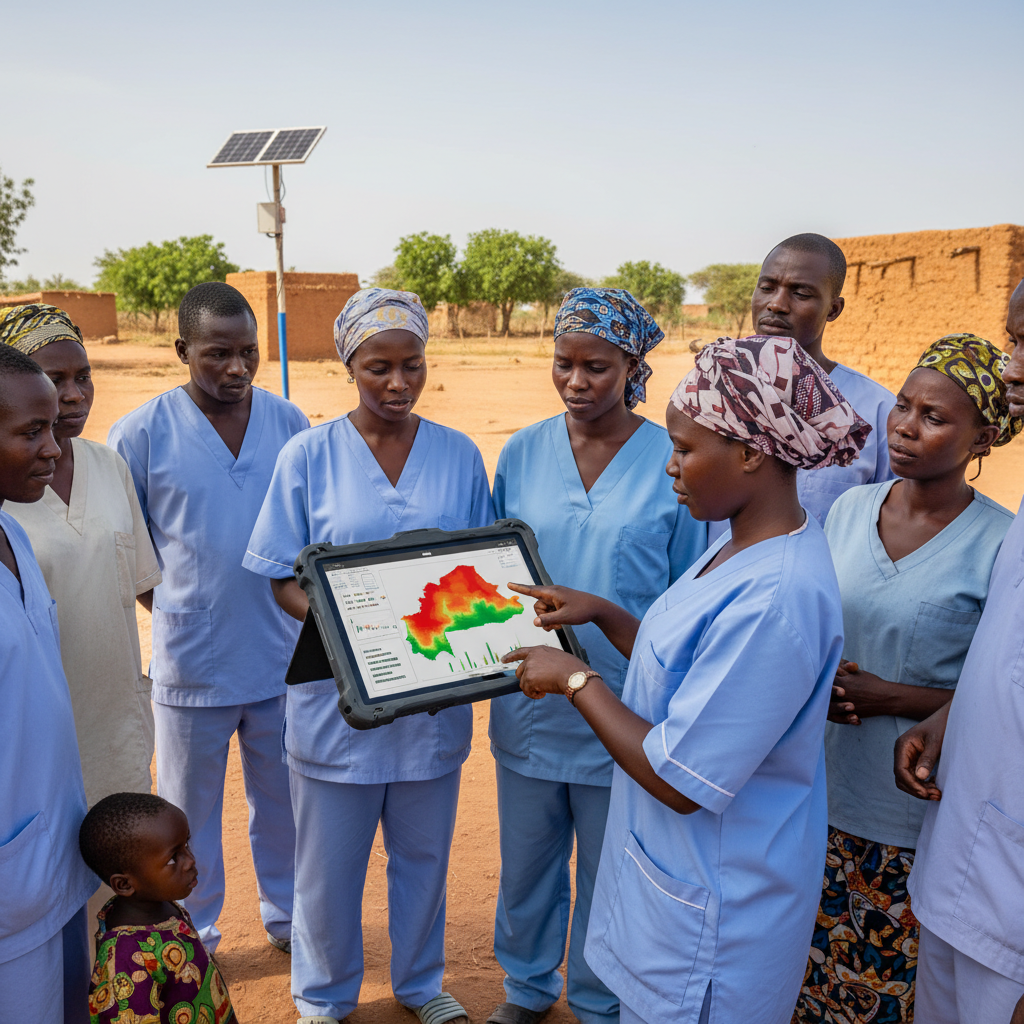
Burkina Faso Explores AI for Malaria Early Detection, Aiding Rural Health
 Idrissà Ouédraogò