
AI Diagnostics: A New Frontier in Russian Men's Health, Says Ministry of Health
Russia's Ministry of Health is championing AI for early disease detection, particularly in men's health. Experts from Skolkovo and Sechenov University highlight AI's potential to address chronic conditions and improve national demographic indicators.

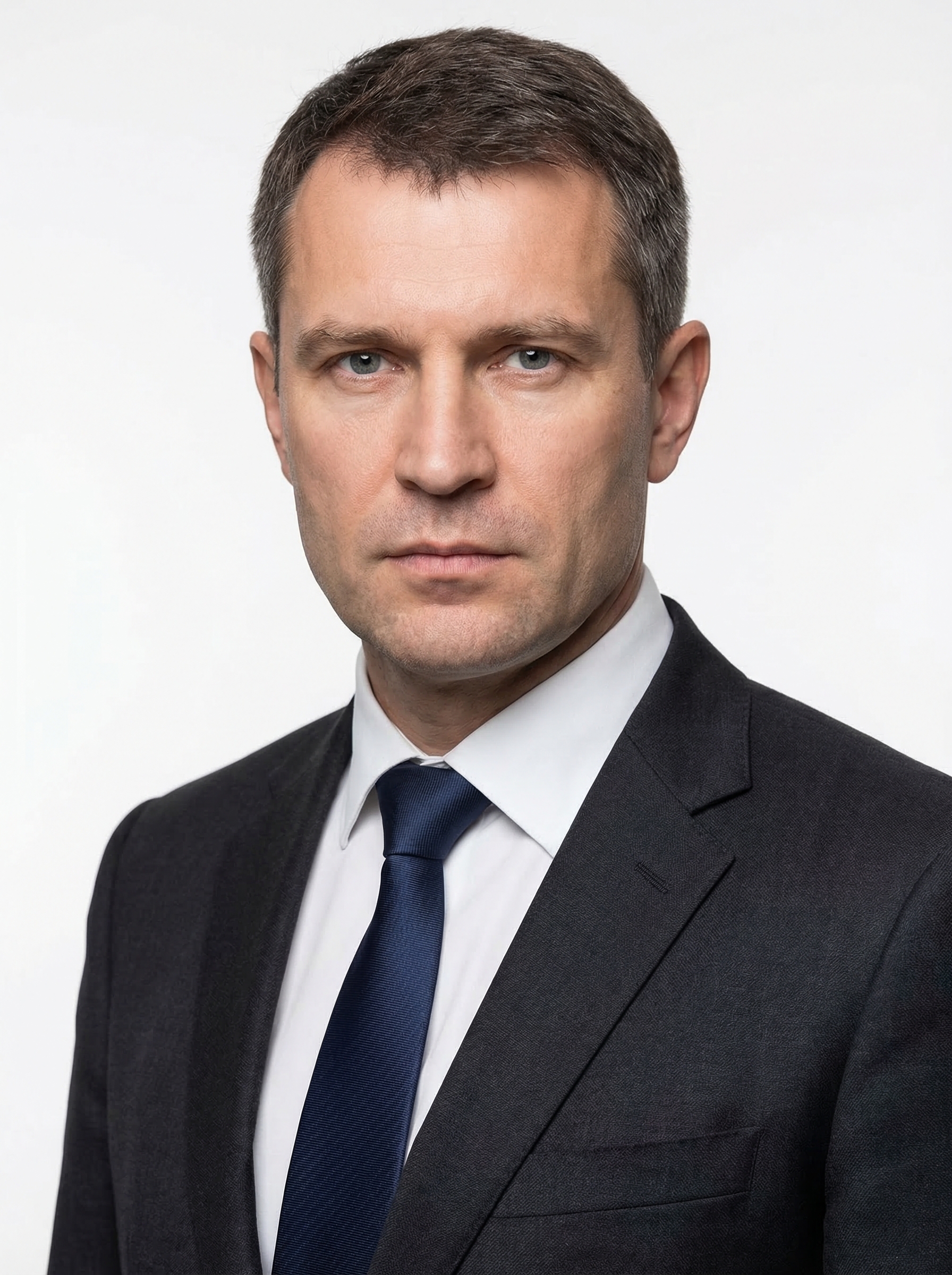
MOSCOW, April 2026 – The digital transformation of Russia's healthcare sector continues its relentless march forward, with Artificial Intelligence now firmly positioned at the vanguard of diagnostic innovation. This is particularly pertinent for the health of the Russian man, a demographic often under-represented in preventative care statistics, a trend the Ministry of Health is determined to reverse.
Speaking at a recent closed-door briefing, Deputy Minister of Health, Dr. Oleg Fyodorov, emphasized the strategic importance of AI in bolstering national health outcomes. “Our demographic strategy hinges on robust health for all citizens, and the well-being of our men is a cornerstone,” Dr. Fyodorov stated. “AI-driven diagnostic systems, particularly in the early detection of cardiovascular diseases, prostate health issues, and certain oncological conditions, offer a paradigm shift. We are moving beyond reactive treatment to proactive, predictive care, which is vital for the long-term productivity and resilience of our male population.”
The initiative, dubbed “Zdraviye Muzhchiny” (Healthy Men), leverages advanced machine learning algorithms developed by leading Russian tech firms in collaboration with academic institutions. Skolkovo Innovation Center, a hub for technological advancement, has been instrumental in incubating several promising AI startups focused on medical imaging analysis and predictive analytics. “Our algorithms are trained on vast datasets from national health registries, allowing for unprecedented accuracy in identifying subtle markers of disease that might elude the human eye,” explained Dr. Ivan Petrov, head of AI in Medicine at Skolkovo Institute of Science and Technology. “For conditions like ischemic heart disease, where early intervention is critical, AI provides an invaluable second opinion, often a first alert.”
Experts from the I.M. Sechenov First Moscow State Medical University are also deeply involved, focusing on the clinical integration and validation of these AI tools. Professor Sergei Volkov, a leading urologist and specialist in men's health, highlighted the cultural aspect. “Historically, the Russian man has been less inclined to seek regular preventative check-ups. This is a reality we must address,” Professor Volkov noted. “AI offers a less intrusive, more objective diagnostic pathway. Imagine a routine check-up where an AI analyzes your blood work or imaging scans with superior precision, flagging potential issues before they become critical. This can overcome psychological barriers and normalize preventative care.”
The “Zdraviye Muzhchiny” program is currently piloting AI diagnostic modules in polyclinics across several regions, including Moscow, St. Petersburg, and Tatarstan. Initial results are promising, showing a significant increase in the early detection rate of chronic non-communicable diseases among male patients. The long-term goal is to integrate these AI systems nationwide, making advanced diagnostics accessible even in remote areas, thereby reducing disparities in healthcare access and improving overall life expectancy for Russian men. This is not merely technological advancement; it is a strategic investment in the future of our nation, ensuring the strength and vitality of its core demographic.
Related Articles

AI and the Sisu of Finnish Man: Navigating Digital Transformation in Our Cultural Landscape
 Lasse Mäkìnen
AI Promises Revolution in Argentine Women's Health, But Equity Concerns Linger
 Isabelà Martinèz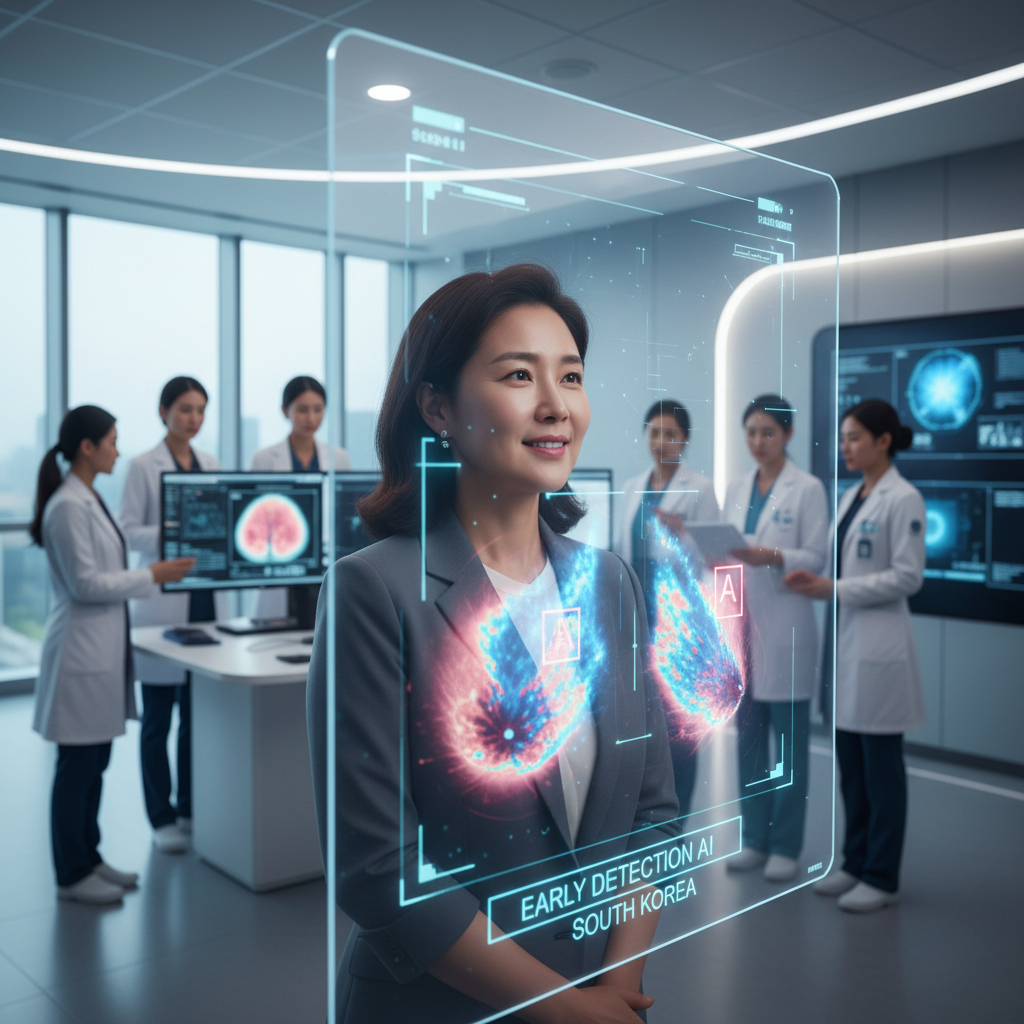
AI-Powered Early Breast Cancer Detection: A Game Changer for Korean Women's Health
 Soo-Yéon Kimm
AI in Malian Healthcare: A Double-Edged Sword for Our Communities
 Mouhamadouù Bâ