
AI Promises Revolution in Argentine Women's Health, But Equity Concerns Linger
Artificial intelligence is poised to transform women's health in Argentina, from early diagnosis of cervical cancer to personalized maternal care. However, experts warn that ensuring equitable access and addressing gender biases in data are critical for its success.
Click play to listen to this article read aloud using text-to-speech.

BUENOS AIRES, Argentina – The integration of Artificial Intelligence (AI) into healthcare is no longer a distant dream but a burgeoning reality across Argentina, particularly in areas critical to women's well-being. From enhancing diagnostic precision for gynecological conditions to optimizing maternal-infant care in remote provinces, AI holds immense promise, yet its deployment raises crucial questions about equity and access, especially for mujeres in vulnerable communities.
Recent pilot programs, such as the one spearheaded by the Ministerio de Salud de la Nación in collaboration with the Universidad de Buenos Aires (UBA), are showcasing AI's potential. Dr. Sofía Rojas, a leading biomedical engineer and director of the UBA's AI in Health Lab, highlighted a project utilizing machine learning to analyze mammograms and Pap test results. "Our algorithms are achieving diagnostic accuracy rates comparable to, and in some cases exceeding, human experts, particularly in the early detection of cervical and breast cancers," Dr. Rojas explained during a recent symposium in La Plata. "This could be a game-changer for women in areas with limited access to specialized radiologists, bridging geographical gaps that have historically led to late diagnoses and poorer outcomes."
The impact on maternal health is also significant. In provinces like Salta and Jujuy, AI-powered predictive models are being trialed to identify high-risk pregnancies, allowing for proactive interventions and better resource allocation. "We're seeing a reduction in preventable complications," stated Lic. Carolina Gómez, a partera (midwife) and coordinator of a community health program in the Gran Chaco region. "For madres in rural areas, where access to continuous medical oversight is challenging, these tools can literally save lives, providing an early warning system that complements the invaluable work of our local health promoters."
However, the enthusiasm is tempered by a healthy dose of caution, particularly from organizations advocating for women's rights and digital inclusion. "While the technological leap is exciting, we must ensure that these advancements do not exacerbate existing inequalities," cautioned Dra. Elena Pereyra, director of the Fundación para la Equidad Digital y de Género (Foundation for Digital and Gender Equity). "The data used to train these AI models must be representative of the diverse Argentine population, including indigenous women, women from low socio-economic backgrounds, and those with varied health profiles. If the data is biased, the AI will perpetuate and even amplify those biases, leading to unequal care."
Dra. Pereyra emphasized the need for robust ethical frameworks and public policies that guarantee data privacy, transparency in algorithm design, and, crucially, digital literacy programs for both healthcare providers and patients. "We cannot allow a 'digital divide' to become a 'health divide' for our mujeres. Investment in infrastructure, training, and culturally sensitive implementation strategies is paramount," she added, urging policymakers to engage with civil society organizations and women's health advocates in the development process.
As Argentina navigates this technological frontier, the challenge lies not just in adopting AI, but in ensuring it serves as a tool for genuine progress, fostering a healthcare system that is more equitable, efficient, and truly inclusive for every mujer across the nation.
Related Articles
AI's Healing Touch: Revolutionizing Maternal Healthcare in Nigeria's Rural Communities
 Nkirukà Ezenwà
IA Revoluciona Salud Femenina en Chile: Desafíos y Esperanzas para el Acceso Equitativo
 Camilà Torresè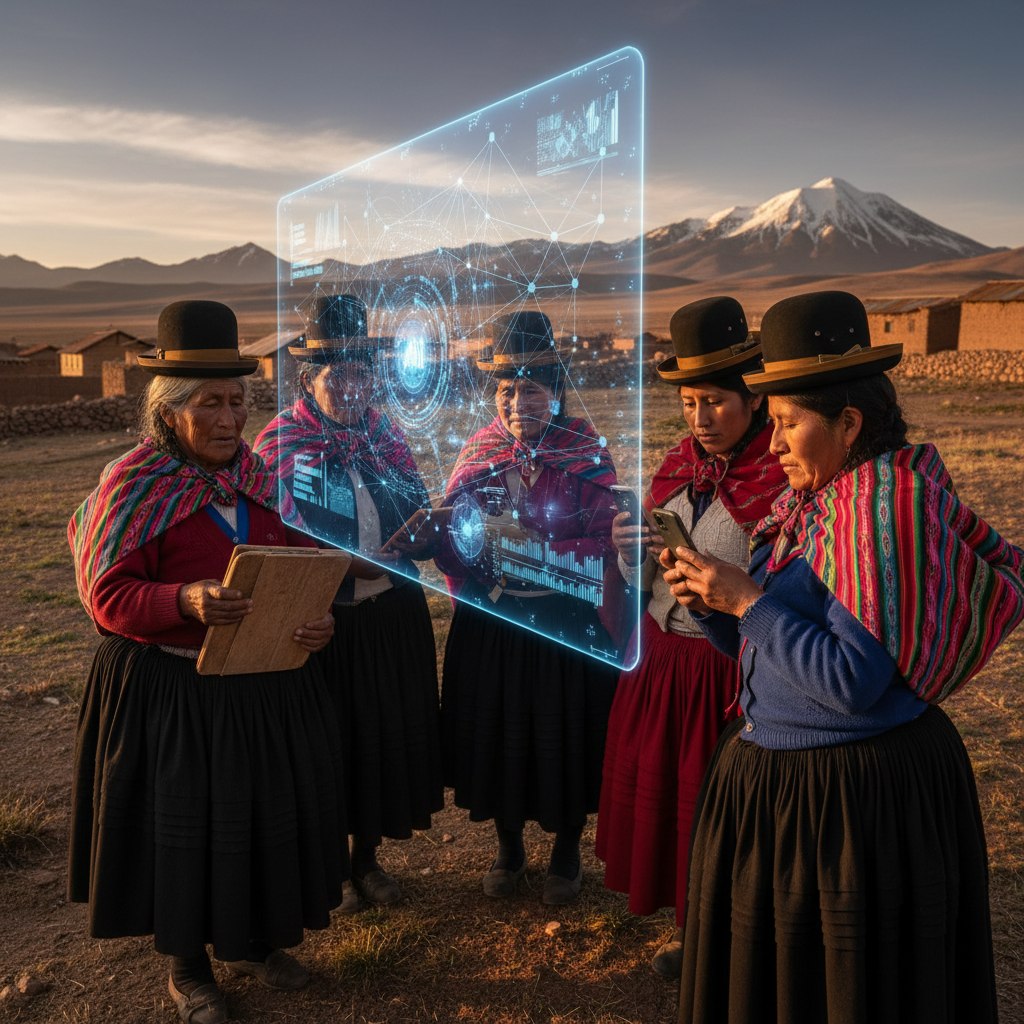
Bolivia's Digital Divide: AI's Promise and Peril in the Altiplano
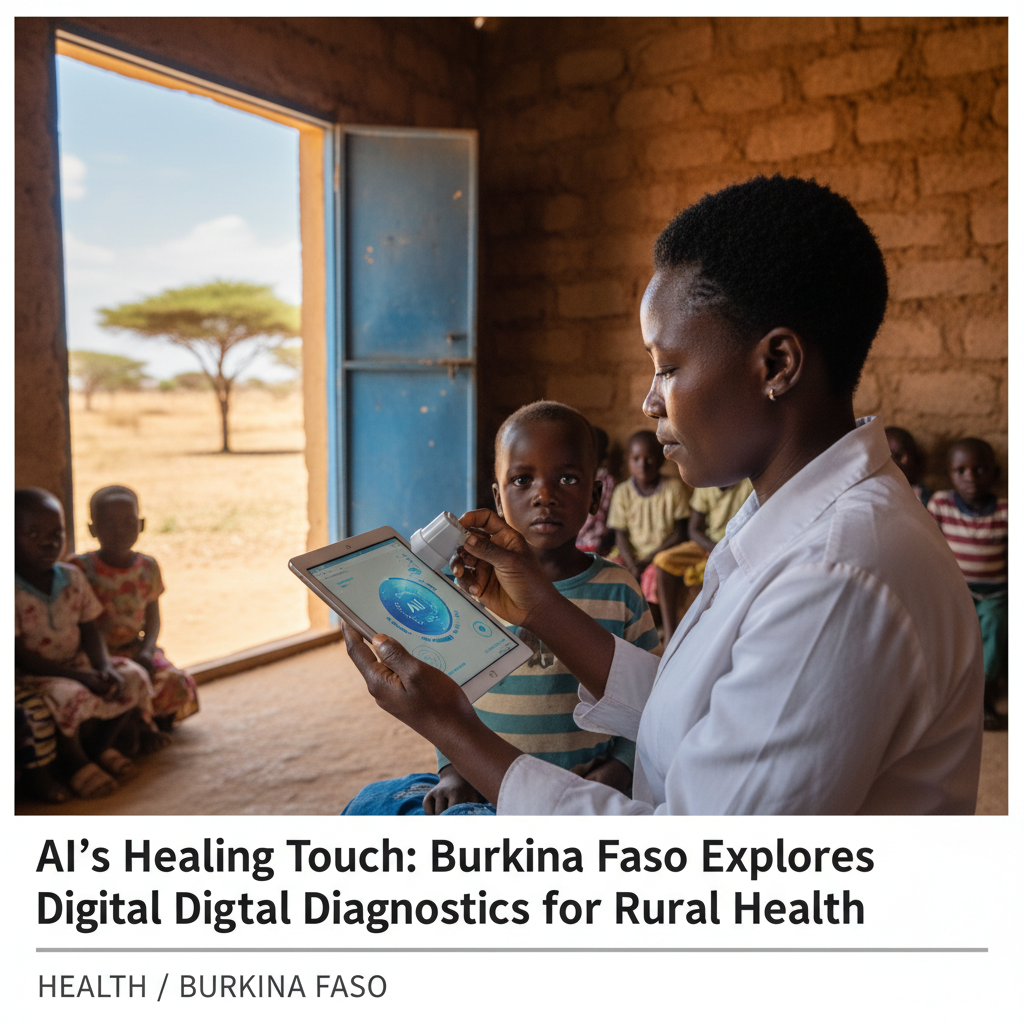
AI's Healing Touch: Burkina Faso Explores Digital Diagnostics for Rural Health
 Youssoufaù Traoré