
Bolivia's Digital Divide: AI's Promise and Peril in the Altiplano
As AI advances globally, Bolivia grapples with integrating this technology while addressing its unique digital infrastructure challenges and ensuring equitable access for all _bolivianos_.
Click play to listen to this article read aloud using text-to-speech.
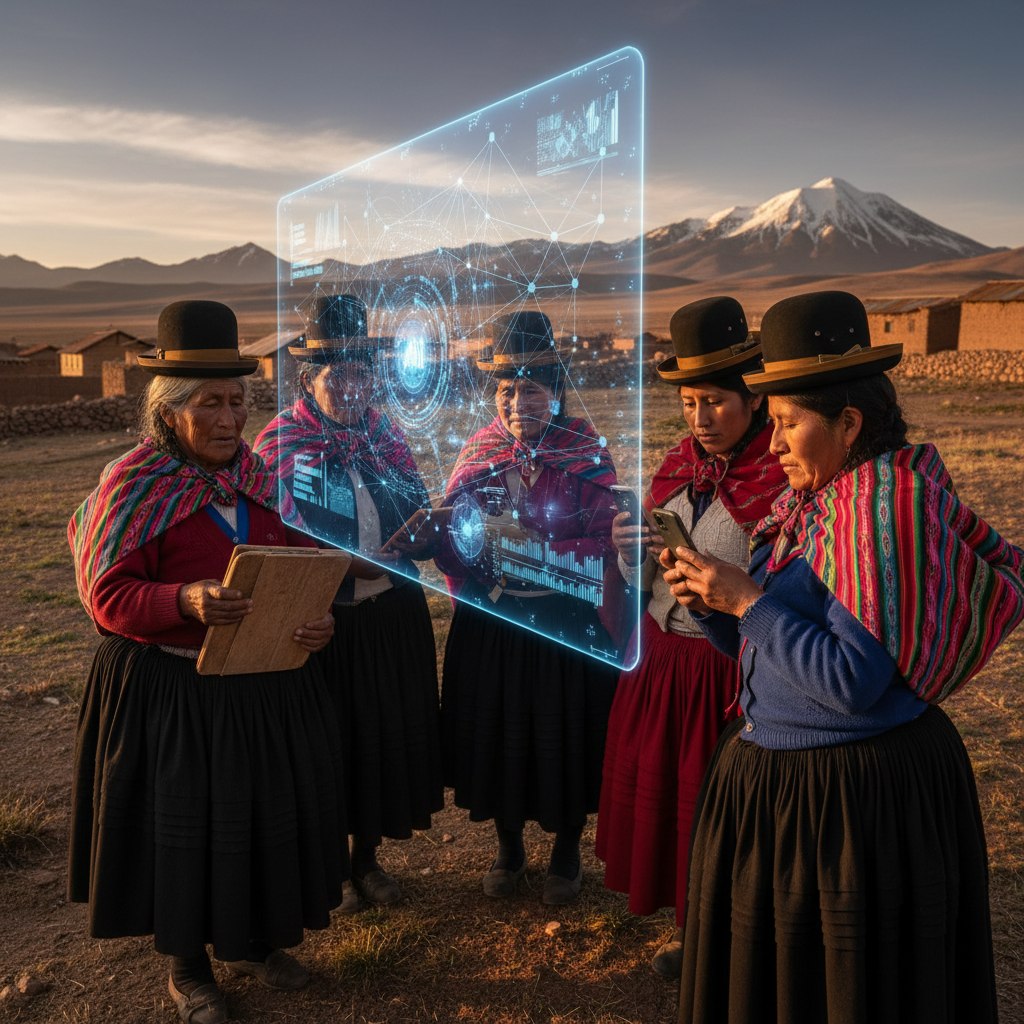
LA PAZ, Bolivia – The global discourse surrounding Artificial Intelligence (AI) echoes even in the high altitudes of the Altiplano, prompting a crucial question for our nation: how will Bolivia navigate the promises and perils of this transformative technology? While developed nations race to deploy AI across sectors, our patria faces the fundamental challenge of bridging a persistent digital divide that could leave many bolivianos behind.
Recently, the Ministry of Planning and Development, in conjunction with the Agency for the Development of the Information Society in Bolivia (ADSIB), hosted a symposium titled "AI para el Desarrollo Sostenible en Bolivia." The event brought together academics, government officials, and representatives from nascent tech startups, all grappling with the same reality: the future is digital, but our present infrastructure often isn't.
"We cannot simply import AI solutions without adapting them to our unique socio-economic fabric," stated Dr. Elena Quispe, a leading researcher in computational linguistics at the Universidad Mayor de San Andrés (UMSA), during her keynote address. "Imagine a sophisticated AI diagnostic tool for health – it's useless if the rural clinic lacks reliable internet or the data it's trained on doesn't reflect the genetic diversity and health patterns of our indigenous populations. We need AI con sabor boliviano."
This sentiment resonates deeply with the experiences of many bolivianos. While urban centers like La Paz and Santa Cruz see increased connectivity, vast swathes of our rural communities, particularly in the highlands and Amazonian lowlands, still struggle with basic internet access. This disparity creates a significant hurdle for AI adoption, which relies heavily on data and connectivity.
Engineer Ramiro Condori, head of ADSIB's digital infrastructure department, acknowledged these challenges. "Our focus remains on expanding fiber optic networks and improving satellite connectivity, especially in remote areas. Without this foundational layer, talk of advanced AI applications remains largely theoretical for many of our citizens. We are working on projects like 'Internet para Todos' to ensure no boliviano is left offline."
However, the conversation isn't solely about infrastructure. There's a growing movement to develop AI solutions tailored to Bolivia's specific needs. Researchers at UMSA and the Universidad Católica Boliviana are exploring AI applications in agriculture, aiming to optimize crop yields for quinoa and potatoes, and even developing AI models to predict climate patterns affecting our fragile ecosystems.
"The potential for AI to empower our small farmers, improve public services, and even preserve our indigenous languages through natural language processing is immense," remarked Minister of Planning and Development, Juan Carlos Mamani. "But this must be a collective effort, ensuring that the benefits of AI are distributed equitably and that our cultural values are embedded in its development. We must avoid a future where AI only serves the privileged few, leaving the pueblo behind."
As Bolivia steps cautiously into the AI era, the path forward is clear yet challenging: invest in foundational digital infrastructure, foster local talent, and develop AI solutions that are not just technologically advanced, but also culturally relevant and socially inclusive. Only then can AI truly serve as a tool for progress for all bolivianos.
Related Articles
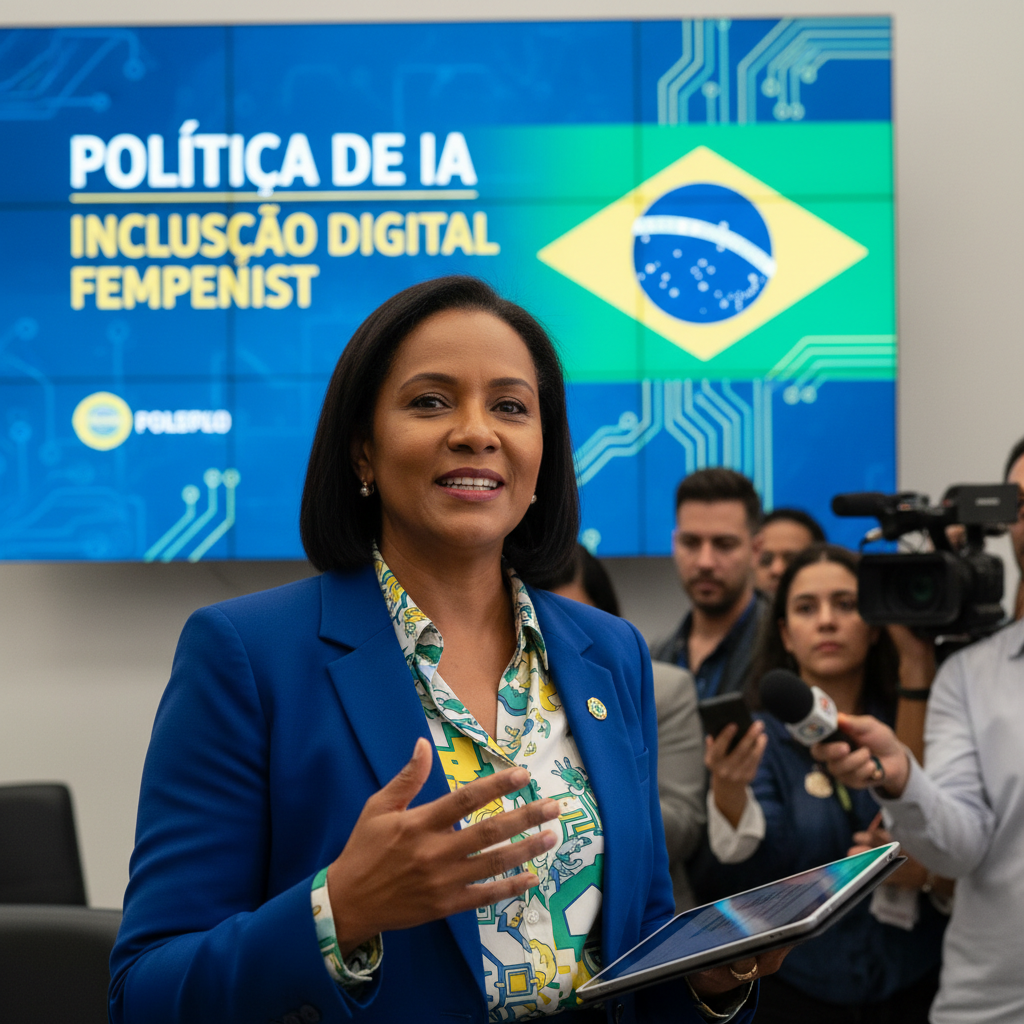
Brazil's AI Policy: A 'Feminist' Lens for Digital Inclusion, Says Minister
 Fernandà Oliveirà
Uzbek Women Lead AI Ethics Dialogue: Safeguarding Cultural Values in Digital Transformation
 Bintà Yusupovà
AI's Ethical North: Canadian Researchers Chart Course for Responsible Innovation
 Ingridè Bjornssòn
Taiwanese AI Chips Powering Asia's Smart City Revolution: A Deep Dive into TSMC's Role
 Wei-Chéng Liú