
Antarctic AI Ethics: Sweden Leads Call for Gender-Inclusive Governance in Polar Research
As AI integration accelerates at Antarctic research stations, Sweden's delegation, spearheaded by Dr. Astrid Lindgren of the Swedish Polar Research Secretariat, advocates for a gender-inclusive ethical framework to prevent algorithmic bias in critical scientific data and operational decisions.
Click play to listen to this article read aloud using text-to-speech.

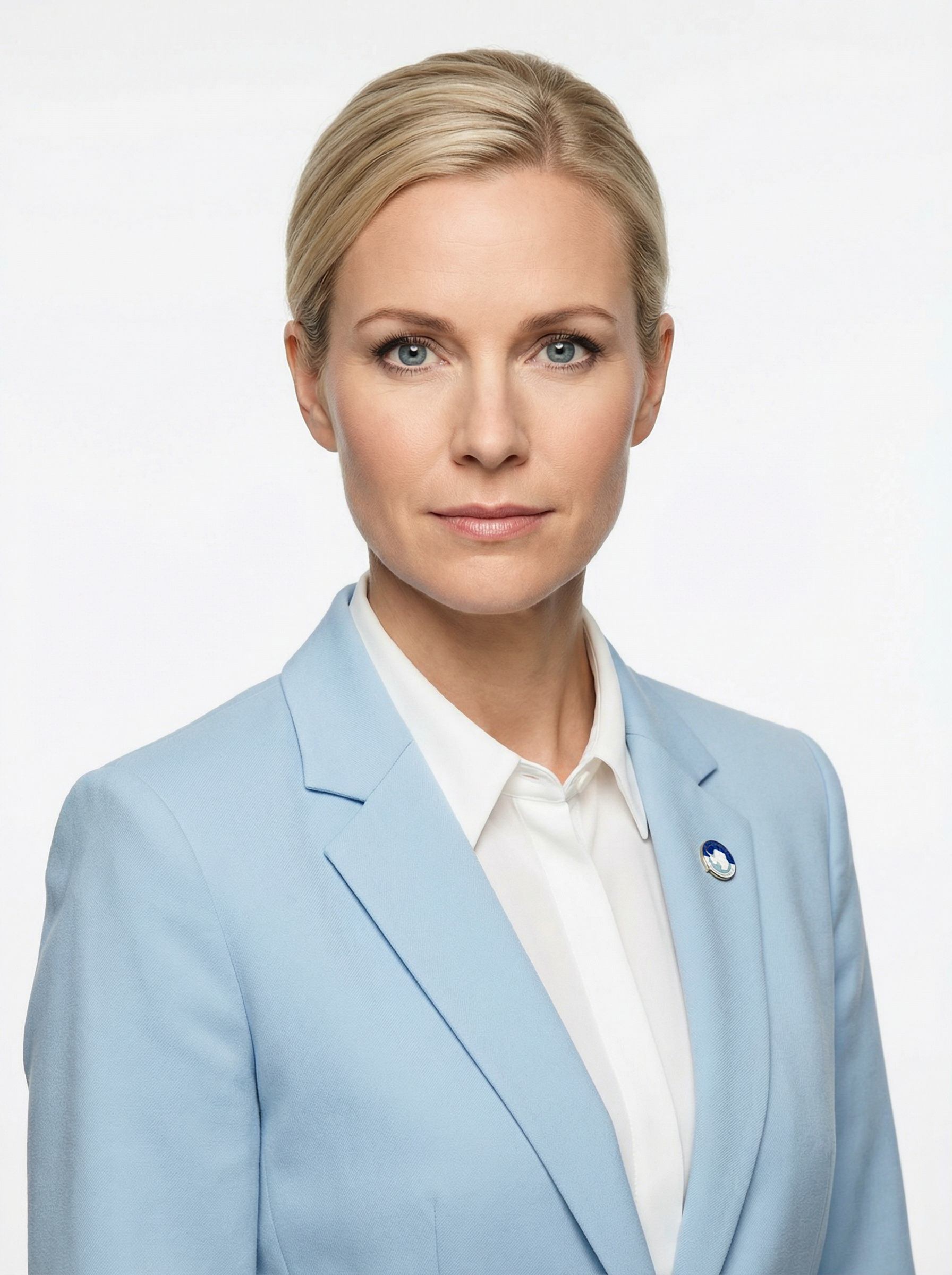
Antarctic Station, Antarctica – April 22, 2026 – The icy expanse of Antarctica, long a bastion of scientific collaboration, is increasingly becoming a frontier for artificial intelligence. As AI systems are deployed to analyze vast datasets from climate models to biodiversity tracking, a critical question of ethical governance has emerged, with Sweden taking a prominent, gender-conscious stance.
At the recent Antarctic Treaty Consultative Meeting (ATCM) held virtually from various national stations, including Sweden's own Wasa Research Station, discussions around AI ethics took center stage. Dr. Astrid Lindgren, a leading expert in digital governance from the Swedish Polar Research Secretariat (Polarforskningssekretariatet) and a vocal advocate for intersectional perspectives in STEM, presented a compelling case for proactive, gender-inclusive AI policy development.
“The rapid adoption of AI in polar research, from autonomous drone navigation to complex climate simulations, carries inherent risks if not guided by robust ethical principles,” Dr. Lindgren stated in her address. “Our historical data, often collected and interpreted through predominantly male lenses, can embed biases into algorithms. If we are not mindful, these systems will perpetuate and amplify existing inequalities, impacting everything from resource allocation to the very questions we ask of our environment.”
Her remarks resonated deeply with the Swedish delegation, a group known for its commitment to jämställdhet (gender equality) in all sectors. The proposal put forth by Sweden calls for an international working group to develop guidelines that explicitly address algorithmic bias, data provenance, and the diverse representation of human perspectives in AI development and oversight within Antarctic operations. This includes ensuring that the teams developing and deploying AI are themselves diverse, reflecting a broader spectrum of human experience.
“As a Swedish woman in science, I’ve witnessed firsthand how subtle biases can shape research priorities and outcomes,” Dr. Lindgren elaborated in a follow-up interview conducted via satellite link from Wasa. “In Antarctica, where every decision has profound environmental and scientific implications, we cannot afford to bake in historical blind spots. We need AI that serves all humanity, not just a segment of it.”
Experts from other nations, while acknowledging the importance of AI ethics, have yet to fully embrace the gender-specific nuances highlighted by Sweden. However, the Swedish initiative is gaining traction, particularly among nations with strong commitments to human rights and equitable development. The call for a 'gender-responsive AI' in polar science is a testament to Sweden's ongoing leadership in advocating for inclusive and ethical technological advancement on a global scale, even at the ends of the Earth.
Related Articles
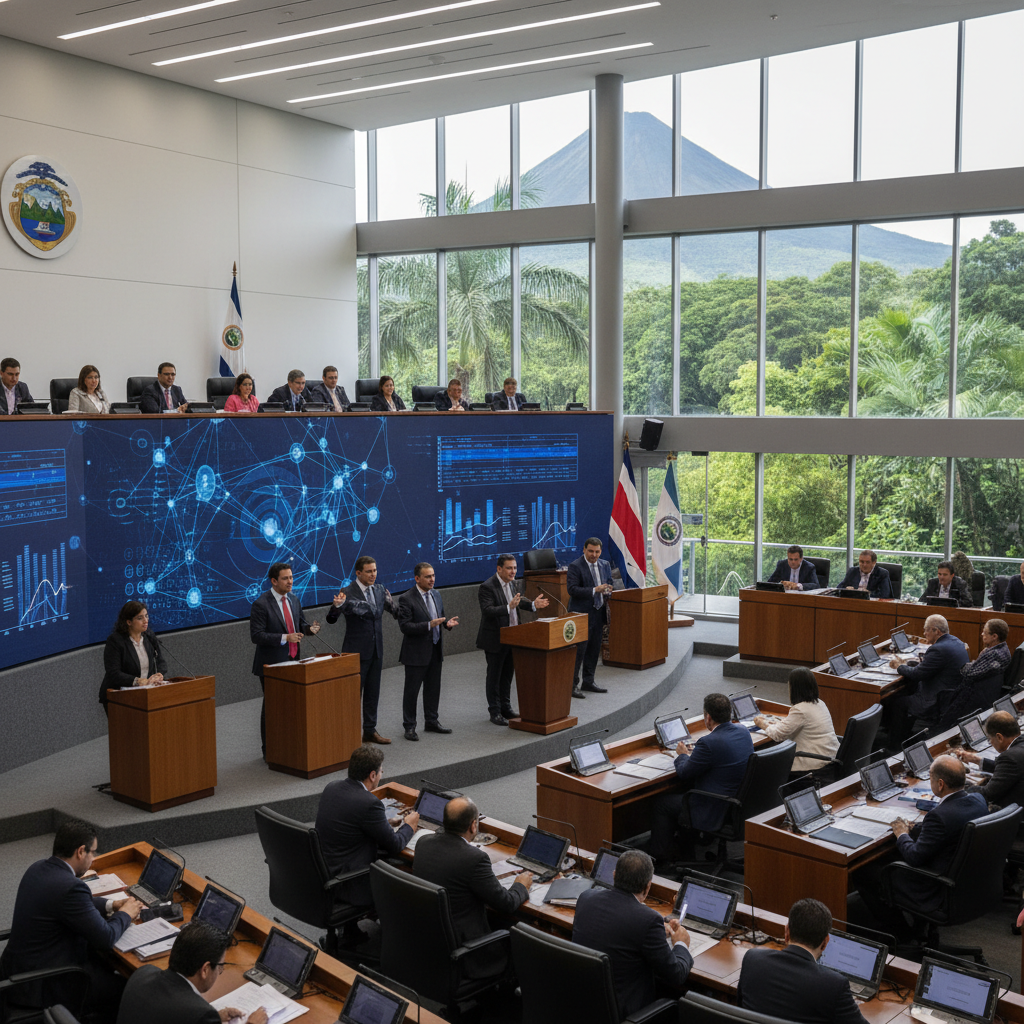
AI in the 'Pura Vida' Republic: Legislative Debate on Digital Ethics Heats Up
 Carlòs Ramirèz
Warsaw Debates AI Ethics: A Gendered Lens on Digital Policy
 Agnieszka Kowalskà
Canberra's AI Gamble: 'Fair Dinkum' Regulation or Bureaucratic Bluster?
 Lachlaneè Mitchèll
Dushanbe Debates AI's Role in National Security and Information Sovereignty
 Ismaìlè Rahimovì