
AI's Promise for Maternal Health in Rural Guatemala: A New Dawn?
Guatemala explores AI to bridge healthcare gaps for Indigenous women, focusing on maternal health. Amidst hope, concerns about cultural sensitivity and data sovereignty persist, championed by local experts.
Click play to listen to this article read aloud using text-to-speech.
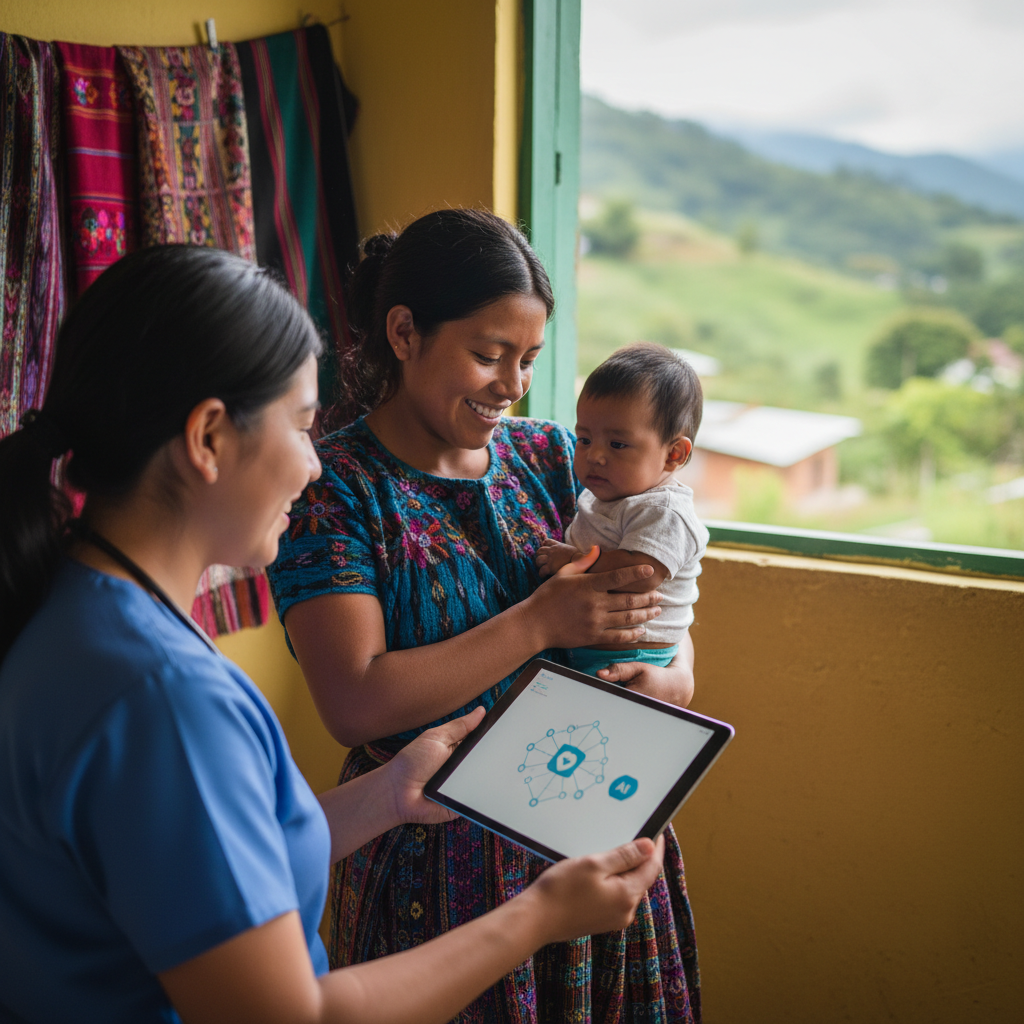

GUATEMALA CITY, April 2026 – In the heart of the Maya highlands, where ancient traditions meet modern challenges, a quiet revolution is stirring in healthcare. Artificial Intelligence, often perceived as a distant, urban phenomenon, is now being piloted to address one of Guatemala's most pressing health crises: maternal mortality, particularly among Indigenous women.
The Ministry of Public Health and Social Assistance (MSPAS), in collaboration with the Universidad del Valle de Guatemala (UVG) and the Pan American Health Organization (PAHO), has launched an initiative to leverage AI for early detection of high-risk pregnancies in remote communities. Dr. Elena Xicay, a K'iche' obstetrician and lead researcher at UVG, explains the vision: "Our 'Ixchel AI' project, named after the Maya goddess of medicine and childbirth, uses machine learning to analyze anonymized health data from community health workers – the comadronas and promotores de salud – to flag potential complications even before they become critical. This could be transformative for women who live hours from the nearest hospital."
The system, still in its nascent stages, aims to predict conditions like pre-eclampsia or gestational diabetes by processing basic vital signs, historical health records, and even environmental factors. The goal is not to replace human care but to empower local healthcare providers with predictive insights, allowing for timely referrals to regional health centers or even mobile clinics.
However, the introduction of such advanced technology in culturally rich and often underserved areas is not without its complexities. "We must proceed with profound respect for ancestral knowledge and community autonomy," states Rigoberta Menchú Tum, the Nobel Peace Laureate, who has been a vocal advocate for Indigenous rights and health. "The data used must be ethically sourced, and the technology must serve, not dictate, the needs of our people. The comadronas are the backbone of our healthcare system; any tool must enhance their wisdom, not diminish it."
Concerns about data privacy and algorithmic bias are paramount. Dr. Xicay assures that the project is built on principles of data sovereignty, with community consent protocols at its core. "We are working closely with local councils (Consejos Comunitarios de Desarrollo Urbano y Rural - COCODES) to ensure transparency. The algorithms are being trained on data representative of our diverse populations, and local health workers are integral to their development and validation to avoid biases that could disproportionately affect Indigenous women," she affirms.
For many Indigenous women in rural Guatemala, access to quality healthcare remains a distant dream. The journey to a clinic can be arduous, and cultural barriers often deter them from seeking care. AI, if implemented thoughtfully and ethically, offers a glimmer of hope. As the sun rises over the Cuchumatanes mountains, illuminating the small villages nestled within, the promise of Ixchel AI whispers through the air – a promise of healthier mothers, stronger families, and a future where technology truly serves all of Guatemala's children.
Related Articles
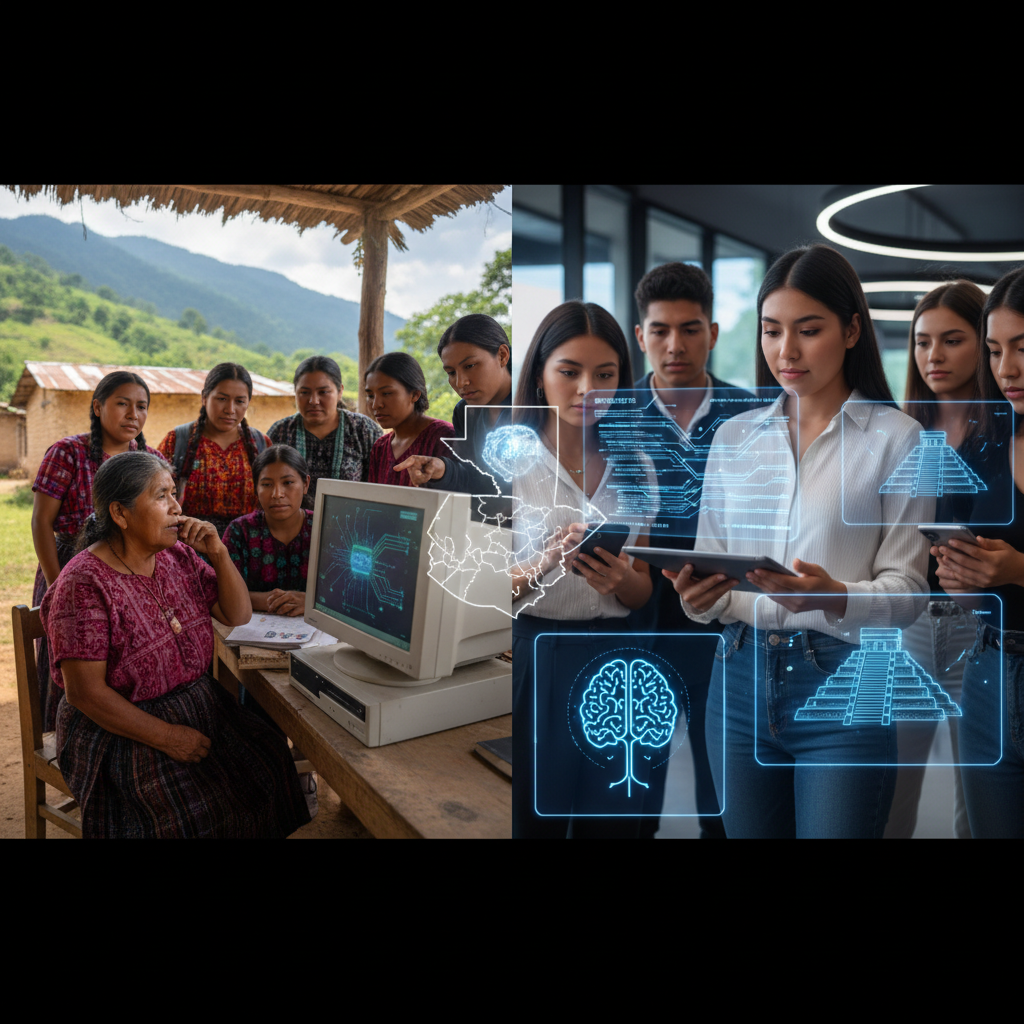
Guatemala's Digital Divide: AI's Promise and Peril for Indigenous Communities
Xiomàra Hernándèz
AI Diagnostics Bolster Rural Health in Russia's Far East, Aiding Men's Health Initiatives
 Alekseï Volkovì
AI in Women's Health: Spain Leads with 'SaludIA' for Early Detection
 Marisolò Garcíà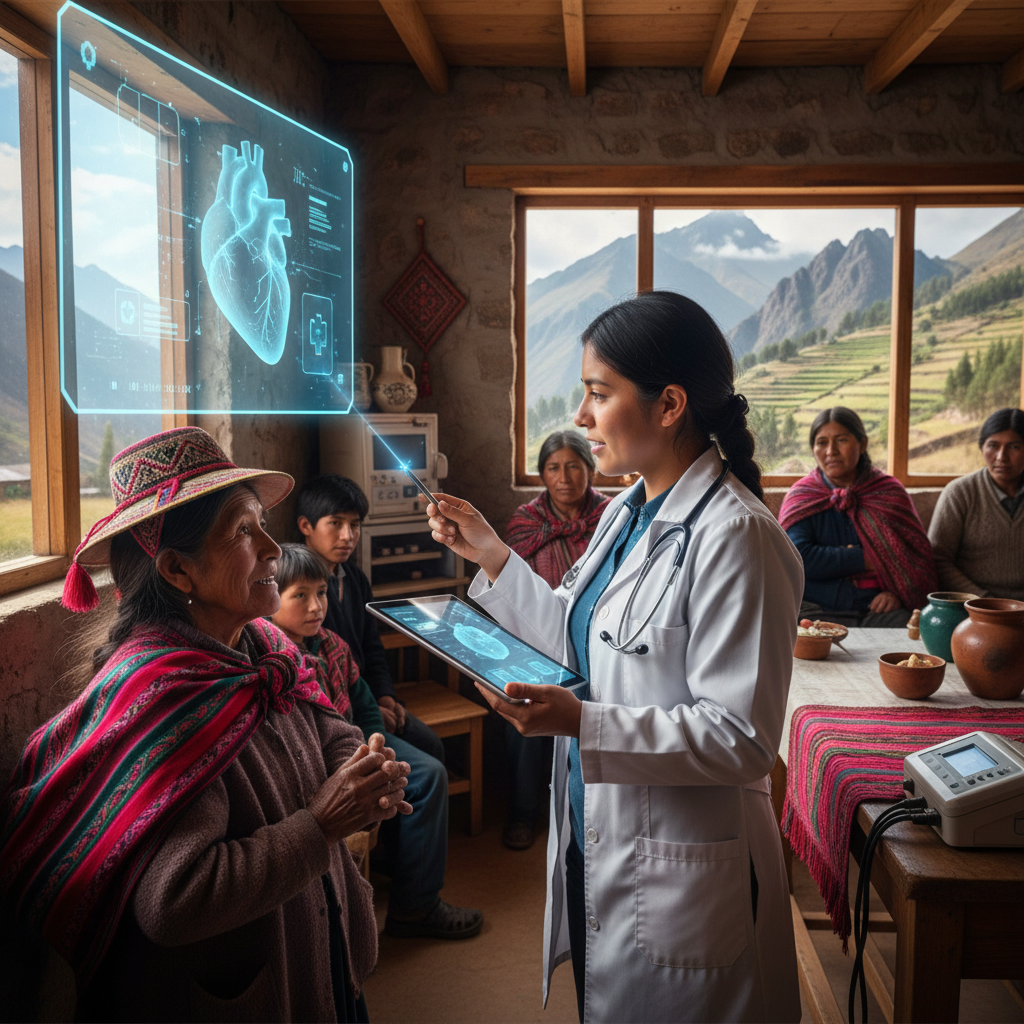
AI's Healing Touch: Revolutionizing Rural Healthcare in Peru's Andes
 Ximènà Castillò