
AI's Healing Touch: Revolutionizing Rural Healthcare in Peru's Andes
Artificial intelligence is bridging critical healthcare gaps in remote Andean communities, offering new hope for early disease detection and treatment, particularly for women and children.
Click play to listen to this article read aloud using text-to-speech.
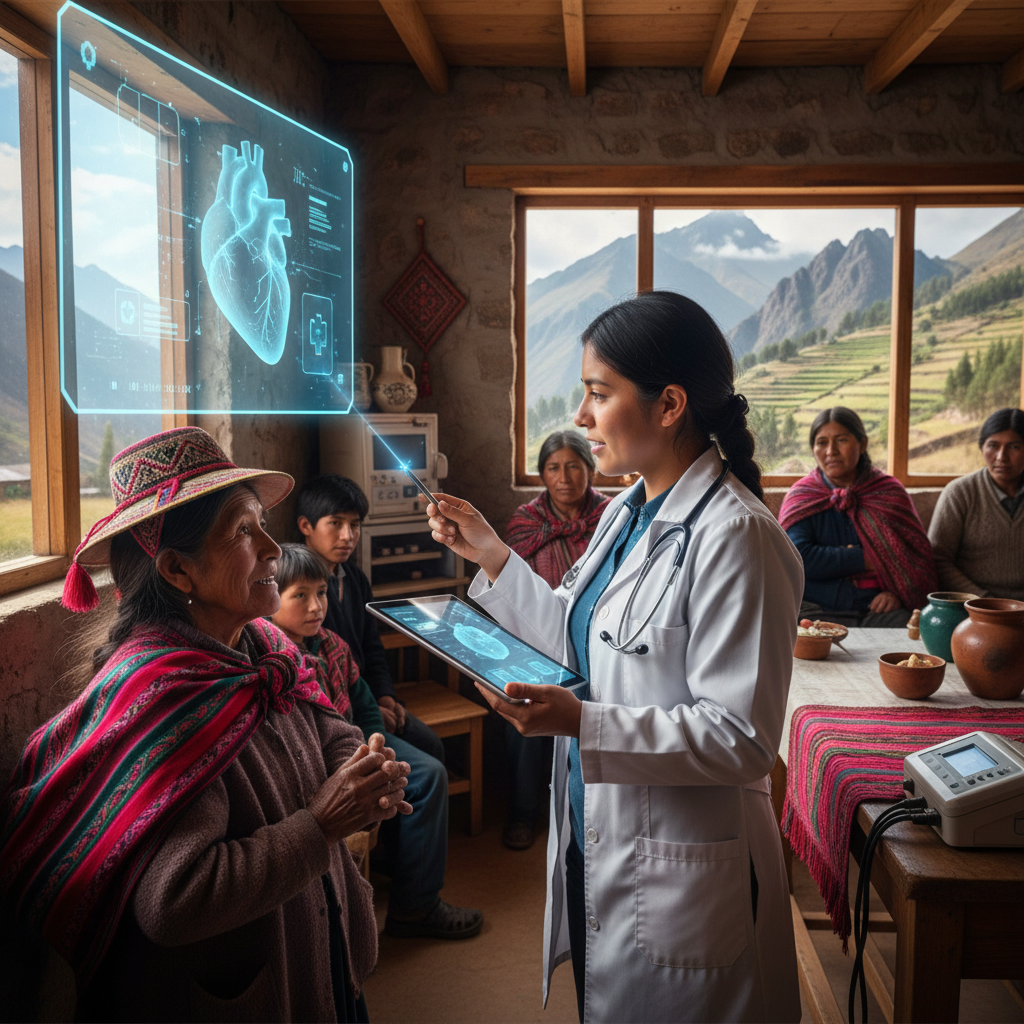
LIMA, Peru – In the heart of the Peruvian Andes, where the majestic apus stand guard and ancient traditions intertwine with modern challenges, a quiet revolution is taking place in healthcare. Artificial intelligence (AI), once a distant concept, is now being hailed as a potential curandero (healer) for communities long underserved by conventional medical infrastructure.
For generations, access to specialized medical care has been a formidable barrier for our hermanas and mamachas living in high-altitude villages. Distances are vast, roads are treacherous, and the scarcity of medical professionals, especially in fields like oncology or cardiology, is a stark reality. However, initiatives spearheaded by institutions like the Peruvian Ministry of Health (MINSA) in collaboration with local universities are beginning to leverage AI to overcome these hurdles.
One such pioneering project, 'Kawsay Riqch'ay' (Quechua for 'Awakening Life'), focuses on early detection of cervical cancer and respiratory illnesses, two prevalent health concerns in these regions. Dr. Elena Quispe, a leading epidemiologist and director of the National Institute of Andean Health (INSA), explains the impact: "Our AI-powered diagnostic tools, often running on simple tablets or smartphones, can analyze medical images and patient data with remarkable accuracy. This allows community health workers, our agentes comunitarios, to screen patients in remote caseríos and transmit data to specialists in Lima or Cusco for rapid consultation. It's about bringing the clinic to the community, not the other way around."
Dr. Quispe emphasizes the cultural sensitivity built into these programs. "We've ensured the AI interfaces are intuitive, often incorporating visual cues and even voice prompts in Quechua and Aymara, respecting our linguistic diversity. The trust of our pueblos is paramount, and technology must serve, not alienate, our ancestral ways of knowing." This approach is crucial for gaining acceptance among populations who might be wary of new technologies, preferring traditional remedies or familiar faces.
Furthermore, AI is proving invaluable in predicting disease outbreaks, especially respiratory infections exacerbated by the harsh Andean climate. By analyzing environmental data, weather patterns, and local health reports, AI models can forecast potential surges, allowing health posts to pre-position resources and disseminate preventative information through local radio and community leaders, often reaching women who are the primary caregivers in their families.
While the promise is immense, challenges remain. Ensuring reliable internet connectivity in remote areas, training health workers in digital literacy, and addressing ethical concerns around data privacy are ongoing tasks. "This is not a magic bullet," cautions Eng. Ricardo Vargas, a data scientist from the Pontifical Catholic University of Peru, who is involved in the 'Kawsay Riqch'ay' project. "It's a powerful tool that must be wielded responsibly, always prioritizing the human element and the unique needs of our Andean people. We are building a bridge, not replacing the river."
As the sun sets over the cordillera, casting long shadows across ancient terraces, the vision of AI as a partner in healing offers a beacon of hope. For the mujeres andinas who have long carried the burden of their families' health, this technological embrace promises a future where timely care is not a privilege, but a right, accessible even in the most secluded corners of our beloved Peru.
Related Articles
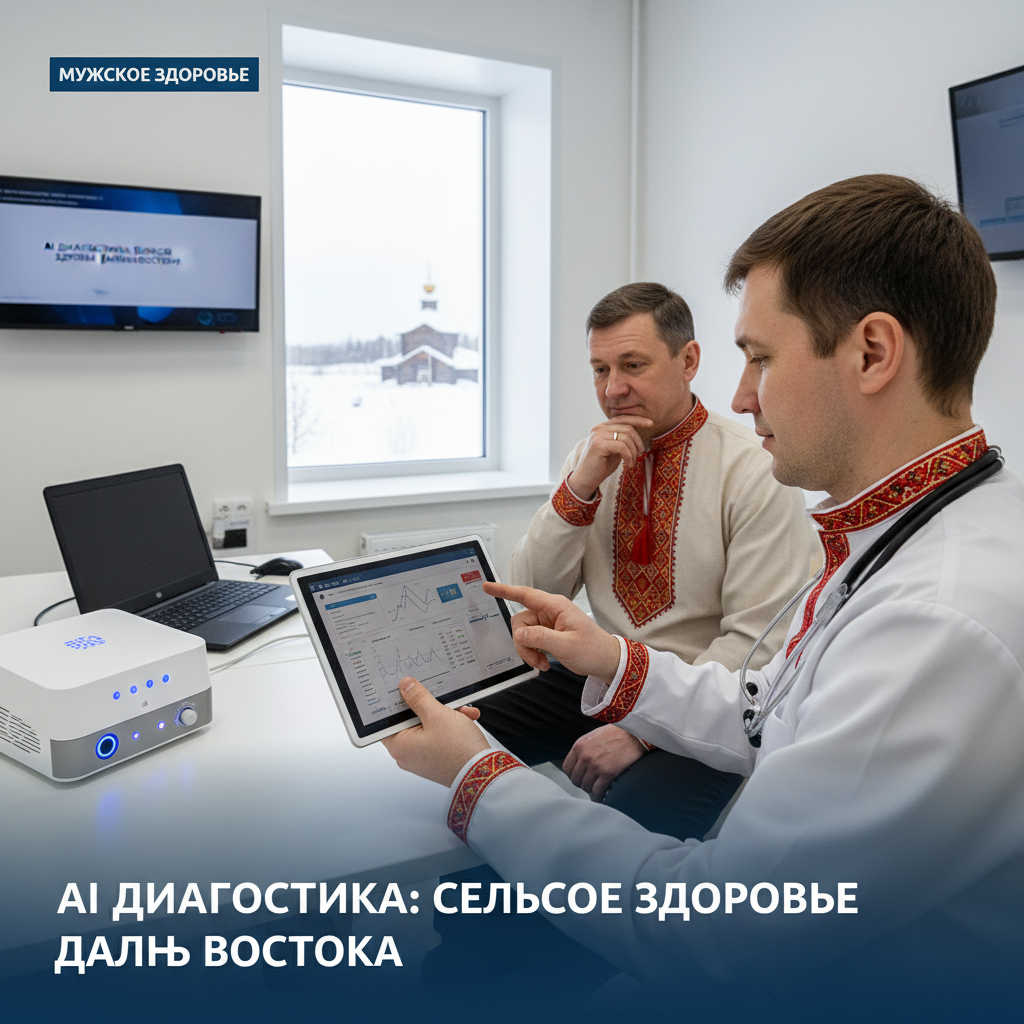
AI Diagnostics Bolster Rural Health in Russia's Far East, Aiding Men's Health Initiatives
 Alekseï Volkovì
AI in Women's Health: Spain Leads with 'SaludIA' for Early Detection
 Marisolò Garcíà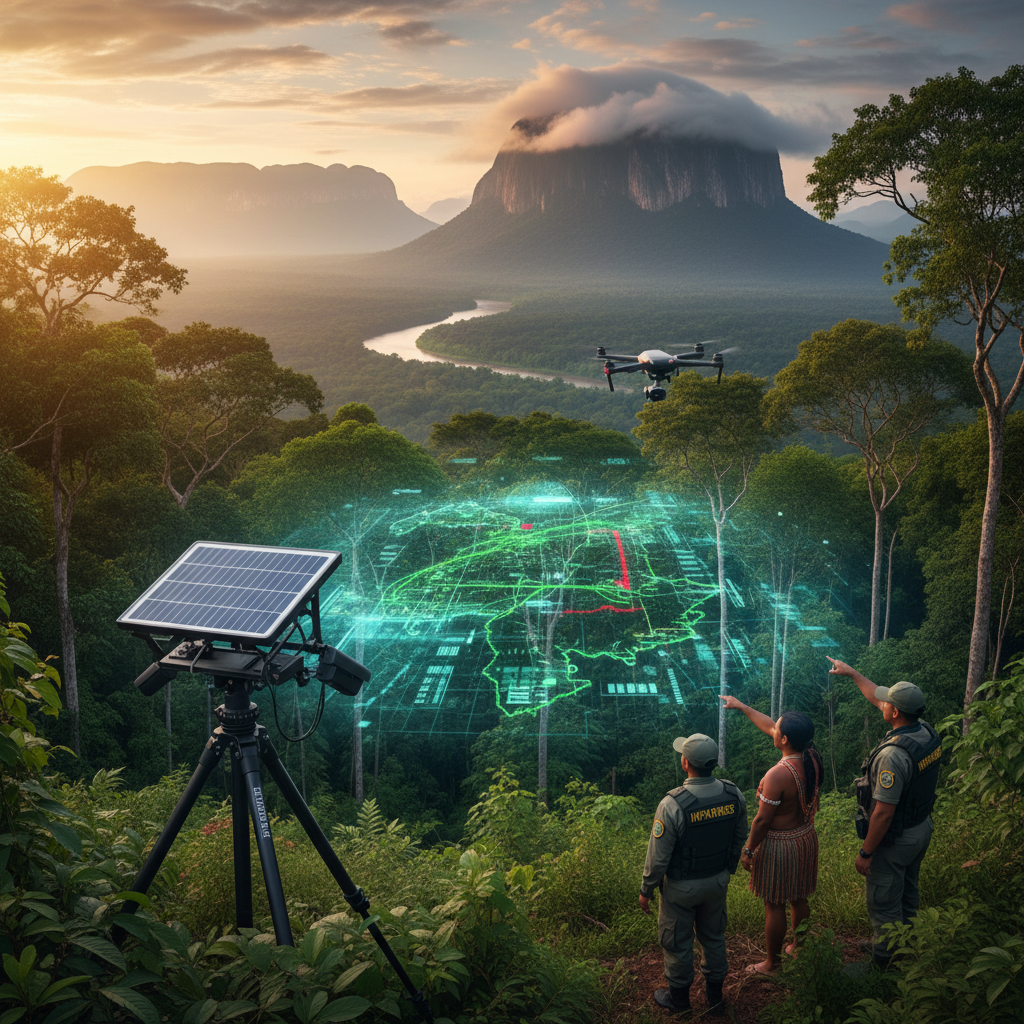
AI Combats Deforestation in Venezuelan Amazon: A New Hope for the Patria
 Sebastiàn Vargàs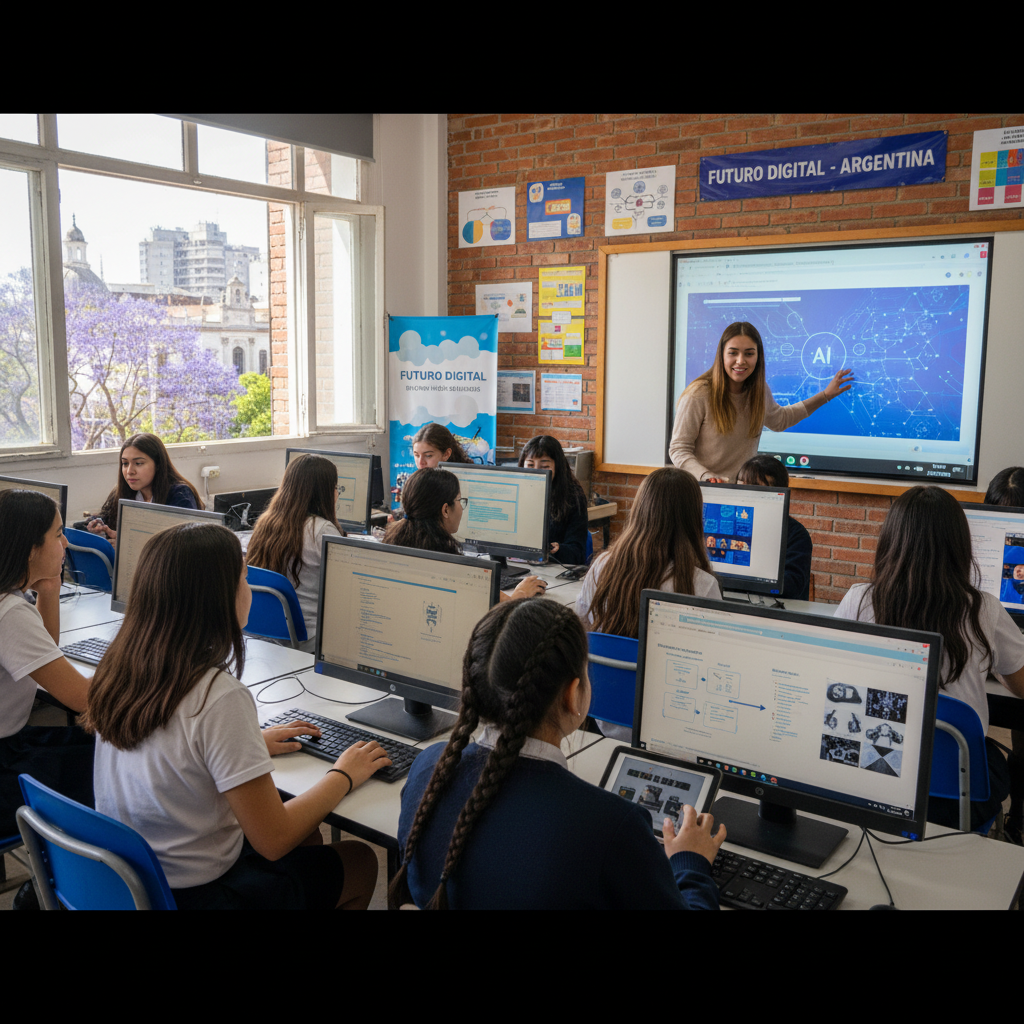
AI in Argentine Classrooms: Bridging the Digital Divide for Women and Girls
 Isabelà Martinèz