
AI's Promise for Equitable Healthcare in Sri Lanka's North and East
Artificial Intelligence is poised to revolutionize healthcare delivery in Sri Lanka's historically underserved Northern and Eastern provinces, offering hope for improved diagnostics and resource allocation, particularly for Tamil communities.
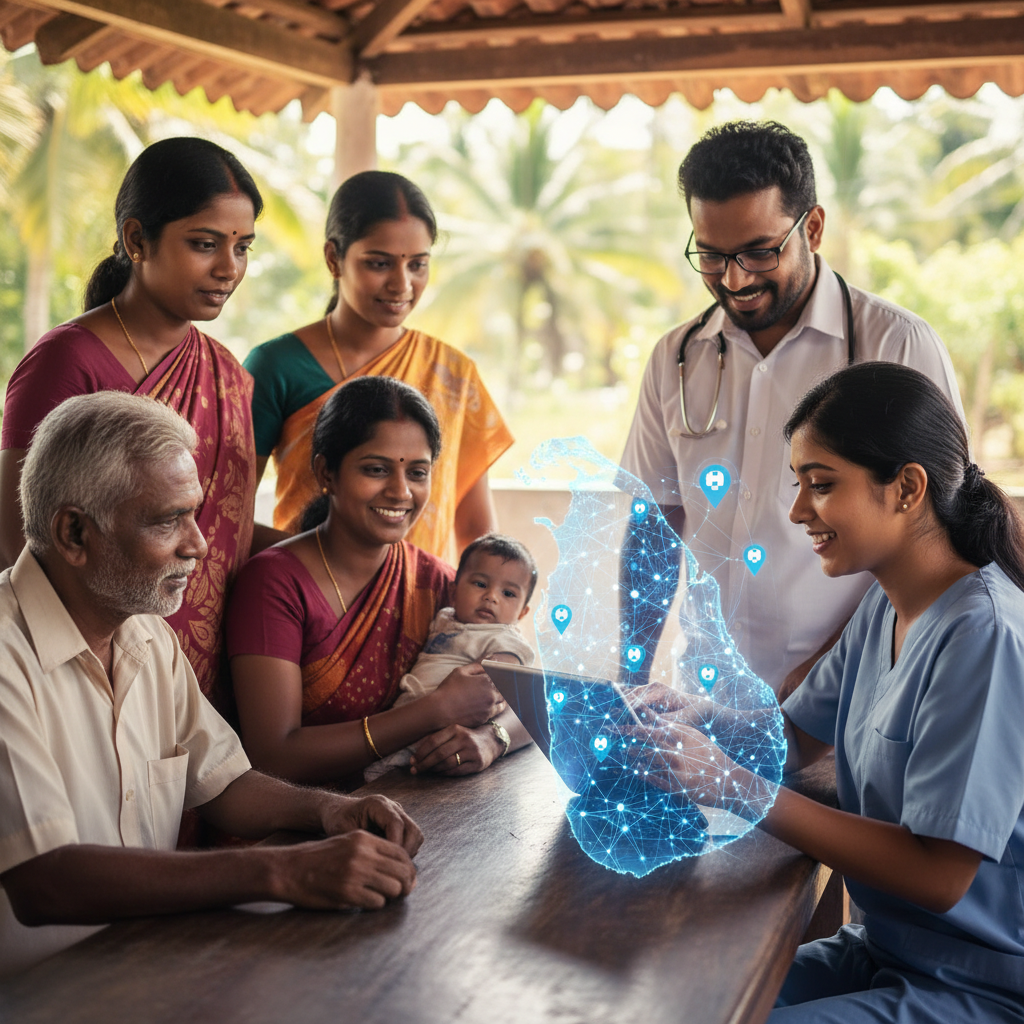
Jaffna, Sri Lanka – The burgeoning field of Artificial Intelligence (AI) is set to embark on a transformative journey within Sri Lanka's healthcare sector, with a particular focus on bridging long-standing disparities in the Northern and Eastern provinces. For decades, communities in these regions, predominantly Sri Lankan Tamil, have grappled with limited access to advanced medical diagnostics and specialist care. AI, however, offers a beacon of hope.
Recent discussions at the University of Jaffna's Faculty of Medicine highlighted the potential of AI-driven tools to enhance early disease detection, optimize resource allocation, and even facilitate remote consultations. Dr. Karthigesu Sivanathan, a distinguished public health specialist and former director of the Jaffna Teaching Hospital, emphasized the critical need for such innovation. "Our people, particularly in rural Vanni and Batticaloa, often face arduous journeys to access basic diagnostic services. AI-powered image analysis for conditions like diabetic retinopathy or even early cancer detection could be a game-changer, reducing the burden on overstretched medical personnel and improving patient outcomes significantly," Dr. Sivanathan stated, underscoring the potential for a 'leapfrog' effect in healthcare delivery.
The Ministry of Health, in collaboration with the Information and Communication Technology Agency (ICTA) of Sri Lanka, is reportedly exploring pilot projects that leverage AI for predictive analytics in disease outbreaks and for streamlining medical supply chains. A key challenge, however, remains the development of culturally sensitive and locally relevant AI models. Data privacy and ethical considerations, especially concerning patient data from vulnerable populations, are also paramount.
"The integration of AI must be approached with a deep understanding of our local context and ethical frameworks," cautioned Ms. Thilageswari Rajendran, a legal expert specializing in digital rights from the University of Peradeniya. "Ensuring data sovereignty and preventing algorithmic bias that could disproportionately affect Tamil-speaking communities is not just a technical requirement, but a moral imperative. We must ensure these technologies serve to empower, not further marginalize."
Local tech startups, many founded by young Tamil entrepreneurs returning to the North, are also keen to contribute. One such initiative, 'Aarogya AI,' based in Kilinochchi, is developing a Sinhala and Tamil language-enabled chatbot for preliminary health inquiries, aiming to reduce the initial load on primary care physicians. This localized approach is vital for successful adoption.
While the path to full AI integration will require significant investment in digital infrastructure, training for healthcare professionals, and robust regulatory frameworks, the optimism is palpable. For a region striving to rebuild and ensure equitable development, AI presents a unique opportunity to redefine healthcare accessibility and quality, offering a promise of a healthier future for all its citizens, particularly those who have historically been underserved.
Related Articles

AI's Silk Road: Preserving Uzbek Cultural Heritage Through Digital Innovation
 Bintà Yusupovà
AI's Economic Dawn: Malaysian Women Entrepreneurs Embrace Digital Transformation
 Siti Nurhalizah Rahimàn
Pakistani Women Entrepreneurs Embrace AI for Business Growth, Bridging Digital Divide
 Khalidà Sultàn
Tajikistan Navigates AI's Geopolitical Currents Amidst Regional Digital Push
 Ismaìlè Rahimovì