
Pakistani Women Entrepreneurs Embrace AI for Business Growth, Bridging Digital Divide
Pakistani women entrepreneurs are increasingly leveraging AI tools to scale their businesses, with initiatives like the 'Digital She' program fostering a new era of innovation and economic empowerment across the nation.
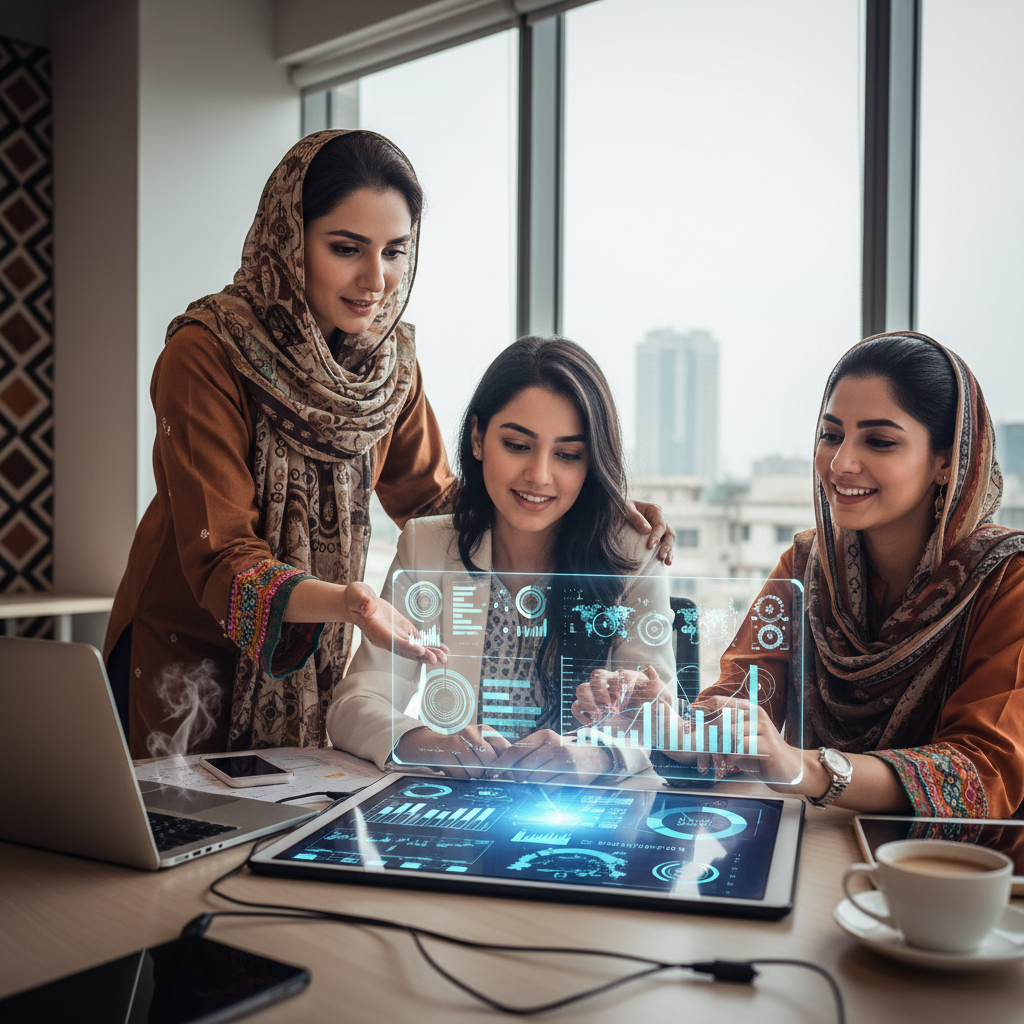

Islamabad, Pakistan – April 22, 2026 – In a rapidly evolving global economy, Pakistani women entrepreneurs are not just keeping pace but actively shaping the future, harnessing the power of Artificial Intelligence (AI) to transform their ventures. This burgeoning trend is not merely about adopting new technology; it represents a significant stride towards economic empowerment and bridging the digital divide that has historically impacted women in the region.
From Karachi's bustling textile markets to Lahore's burgeoning tech hubs and even remote artisan communities, AI-powered solutions are enabling women-led businesses to optimize operations, reach wider markets, and enhance product development. "AI is no longer a futuristic concept; it's a practical tool that levels the playing field for our khawateen (women) in business," states Dr. Ayesha Khan, Director of Digital Inclusion at the Pakistan Software Export Board (PSEB). "We're seeing remarkable applications, from AI-driven inventory management for small-scale handicraft exporters to predictive analytics for e-commerce platforms run by young female graduates."
One such success story is 'Zari & Code,' a startup founded by Fatima Zahra in Peshawar, which uses AI to analyze global fashion trends and customer preferences, guiding their production of traditional embroidered garments. "Before AI, we relied on intuition and limited market surveys, which often led to overproduction or missed opportunities," Zahra explains. "Now, our AI models predict demand with surprising accuracy, reducing waste and maximizing our reach to international buyers. It's given us a competitive edge we never thought possible."
This embrace of AI is being significantly bolstered by government and private sector initiatives. The Ministry of IT and Telecom, in collaboration with organizations like the National Incubation Center (NIC) and various women's chambers of commerce, has launched programs such as 'Digital She.' This initiative provides training, mentorship, and access to AI tools specifically tailored for women entrepreneurs. "Our goal is to equip every aspiring sahukar (businesswoman) with the digital literacy and AI proficiency needed to thrive in the 21st century," says Ms. Sana Tariq, CEO of 'Women in Tech Pakistan,' a non-profit advocating for female participation in the tech sector. "The impact extends beyond individual businesses; it creates a ripple effect, inspiring more women to enter STEM fields and entrepreneurship."
However, challenges remain, particularly in ensuring equitable access to high-speed internet and advanced AI training in rural areas. "While urban centers are rapidly adopting, we must ensure that our sisters in remote regions are not left behind," Dr. Khan cautions. "Investment in digital infrastructure and localized, culturally sensitive AI education programs are crucial for truly inclusive growth."
As Pakistan continues its journey towards digital transformation, the proactive engagement of its women entrepreneurs with AI is a testament to their resilience and innovative spirit. This trend promises not only to boost the national economy but also to redefine the role of women in Pakistan's technological landscape, fostering a more inclusive and prosperous future.
Related Articles

España Lidera el Debate Ético en IA: Un Enfoque Feminista para el Futuro Digital
 Marisolò Garcíà
UAE Pioneers AI-Powered Green Hydrogen for a Sustainable Future, Empowering Women in STEM
 Layla Al-Mansourì
Nordic AI Strategy: Bridging the Gender Gap in Tech Leadership
 Ingridè Hansèn
AI Coaches Revolutionize Muay Thai Training Across Thailand
 Chaiyapòn Srisomboòn