
AI's Promise and Peril: Indigenous Women in Guatemala Navigate Digital Economy
As AI reshapes global economies, indigenous Mayan women in Guatemala face unique challenges and opportunities. Experts and community leaders discuss equitable integration into the digital future.
Click play to listen to this article read aloud using text-to-speech.
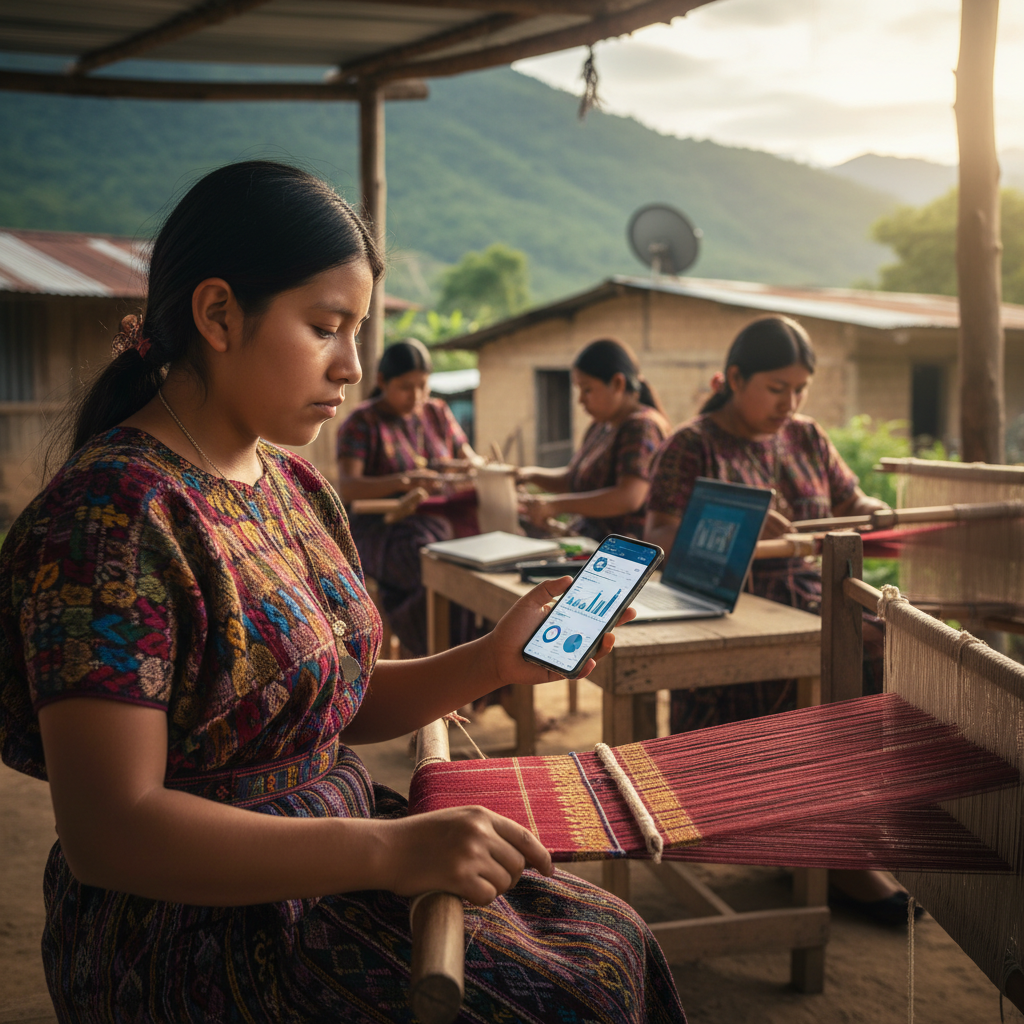

GUATEMALA CITY – The burgeoning global digital economy, increasingly driven by Artificial Intelligence, presents a complex landscape for nations like Guatemala. For indigenous Mayan women, who are often at the forefront of economic innovation within their communities, this technological shift carries both immense promise and significant peril.
"The digital divide is not just about internet access; it's about cultural relevance and equitable participation," states Dr. Elena Xicay, a K'iche' economist and director of the Instituto de Estudios Mayas at Rafael Landívar University. "For AI to truly benefit our pueblos, it must be built with an understanding of our cosmovisión and address the systemic inequalities that have long marginalized us."
Recent reports from the Comisión Económica para América Latina y el Caribe (CEPAL) highlight Guatemala's potential for digital growth, yet also underscore the persistent gaps in digital literacy and infrastructure, particularly in rural, indigenous-majority regions. This disparity could exacerbate existing economic inequalities if not addressed proactively.
One area of focus is the application of AI in traditional crafts and agriculture. In the highlands of Sololá, women weavers are exploring digital platforms to reach international markets, but the integration of AI tools for design, inventory, or even predictive market analysis remains largely out of reach. "We need AI that speaks Kaqchikel or Tz'utujil, that understands our patterns and our needs, not just a translation of a foreign concept," says Doña María Ajpu, a master weaver from San Juan La Laguna.
Experts like Dr. Xicay advocate for a 'culturally intelligent AI' – systems designed with input from indigenous communities, ensuring that algorithms do not perpetuate biases or erase traditional knowledge. This includes developing AI tools that can help preserve indigenous languages, document ancestral agricultural practices, or even assist in navigating complex land rights issues.
However, the economic implications are not solely about access. There's a growing concern about job displacement in sectors where AI could automate tasks, potentially impacting low-skilled labor, a significant portion of which is performed by indigenous women. "We must invest in reskilling and upskilling programs that are culturally sensitive and accessible, ensuring our sisters are not left behind in this digital transformation," urges Sra. Rosa Ixcoy, a representative from the Consejo de Organizaciones de Mujeres Indígenas.
The Guatemalan government, through the Ministerio de Economía, has recently announced initiatives to foster digital literacy, though specific programs targeting indigenous women and AI integration are still in nascent stages. The challenge lies in moving beyond basic connectivity to empowering these communities to be creators and innovators within the AI economy, not just passive consumers. The future of Guatemala's economic development, particularly for its vibrant indigenous communities, hinges on how equitably and thoughtfully AI is integrated into its societal fabric.
Related Articles
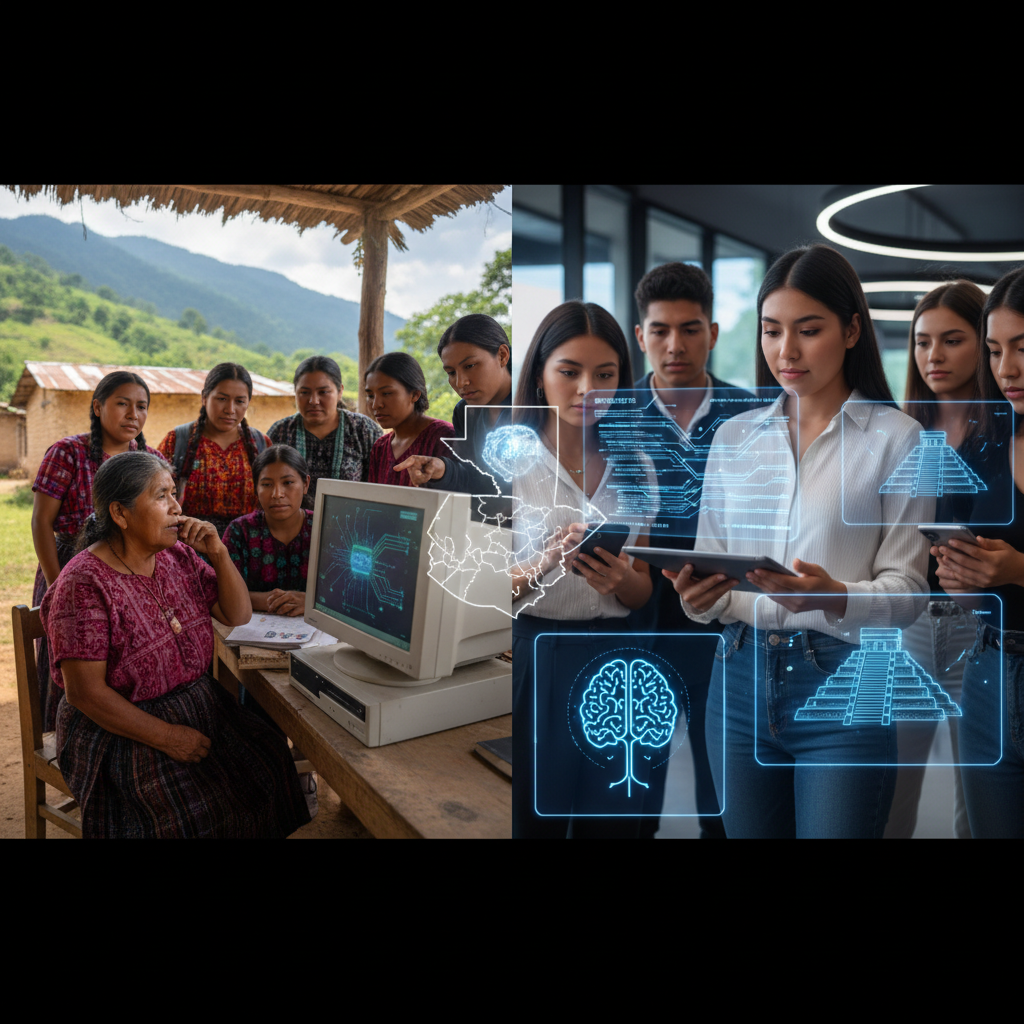
Guatemala's Digital Divide: AI's Promise and Peril for Indigenous Communities
Xiomàra Hernándèz
UAE's AI Strategy: Empowering Emirati Women in the Digital Economy
 Layla Al-Mansourì
Naija's AI Leap: Local Startups Eye Economic Transformation Amidst Global Race
 Chukwuemekà Obiechè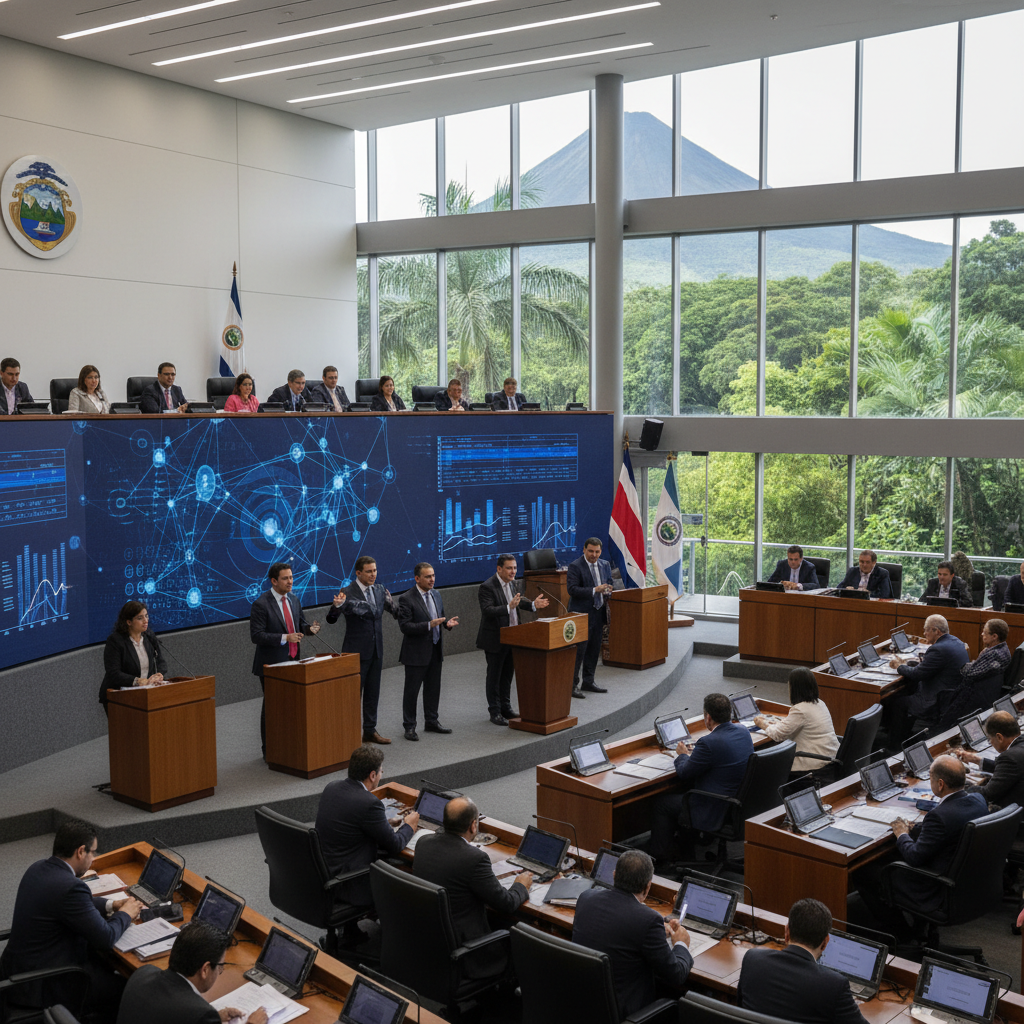
AI in the 'Pura Vida' Republic: Legislative Debate on Digital Ethics Heats Up
 Carlòs Ramirèz