
Naija's AI Leap: Local Startups Eye Economic Transformation Amidst Global Race
Nigerian AI startups are emerging as key players in the nation's economic diversification, leveraging local talent and innovative solutions to address unique challenges and create new opportunities.
Click play to listen to this article read aloud using text-to-speech.
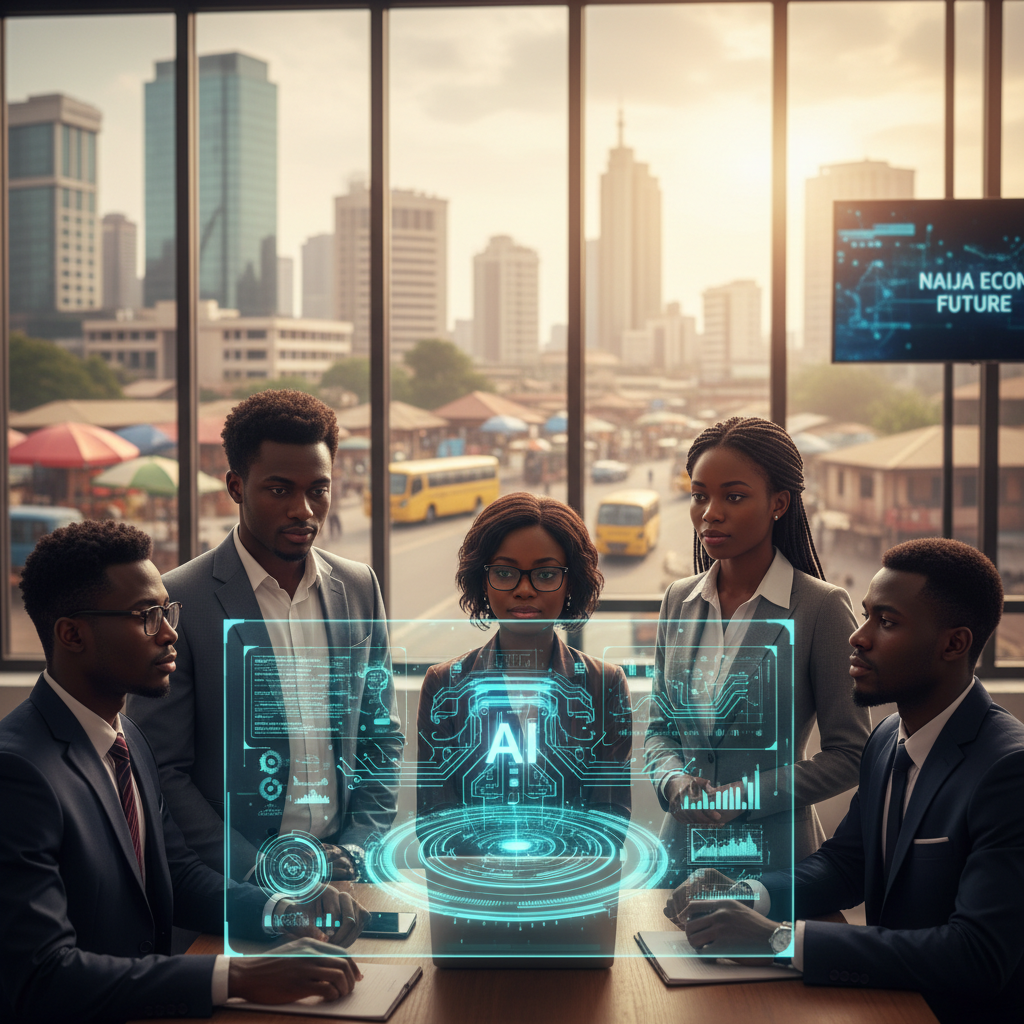
Abuja, Nigeria – The drumbeat of innovation echoes across the continent, and nowhere is it louder than in Nigeria, where a new generation of artificial intelligence (AI) startups is not just catching up but actively shaping the future of the nation's economy. From Lagos's bustling tech hubs to the burgeoning innovation centers in Enugu and Ibadan, Nigerian entrepreneurs are proving that the future, powered by AI, is already here, and it's distinctly Naija.
For too long, the narrative around African technology has been one of consumption, not creation. But as an Igbo man who has witnessed the resilience and ingenuity of our people, I can tell you that era is fading. We are now seeing a powerful shift, a nkà na ụzụ (skill and technology) revolution driven by local talent addressing local problems with global standards.
Take, for instance, 'AgroSense AI,' a startup founded by Dr. Ngozi Okoro, an alumnus of the University of Nigeria, Nsukka. Their AI-powered platform helps smallholder farmers predict crop yields, detect diseases early, and optimize irrigation using satellite imagery and machine learning. "Our farmers, the backbone of our economy, often struggle with unpredictable weather and pest infestations," Dr. Okoro explained during a recent tech summit in Kigali. "AgroSense AI provides them with actionable insights, improving food security and, crucially, their income. This isn't just technology; it's ọganihu – progress for our communities."
The economic implications are profound. The National Information Technology Development Agency (NITDA) recently projected that AI could contribute up to $25 billion to Nigeria's GDP by 2030. Dr. Isa Pantami, former Minister of Communications and Digital Economy, a strong advocate for digital transformation, once remarked, "Our youth possess the intellect and drive. What they need is the enabling environment and strategic investment to translate their ideas into economic powerhouses." This sentiment resonates deeply with the current administration's focus on diversifying the economy away from oil.
Another notable player is 'FinNaira AI,' a fintech firm leveraging AI for credit scoring in underserved communities. Their algorithms analyze alternative data points, allowing millions of Nigerians without traditional credit histories to access micro-loans and financial services. "In a country where financial inclusion is still a challenge, AI offers a pathway to economic empowerment for the ndi obodo (local people) who are often left behind," says Chinedu Eze, CEO of FinNaira AI. "We're building trust and opportunity, one data point at a time."
However, challenges remain. Access to consistent power, robust internet infrastructure, and significant venture capital are hurdles. Yet, the spirit of aka na azu (mutual support) seen in our traditional communities is now manifesting in the tech ecosystem, with local angel investors and government initiatives like the Nigeria Startup Act providing crucial support. The future of Nigeria's economy, it seems, will be written in lines of code, crafted by the brilliant minds of its own sons and daughters, ensuring that our nation not only participates in the global AI revolution but leads a significant part of it from our own shores.
Related Articles

UAE's AI Strategy: Empowering Emirati Women in the Digital Economy
 Layla Al-Mansourì
AI-Powered Coaching: Basotho Athletes Eye Global Stage with Digital Edge
 Nalèdi Mokoèna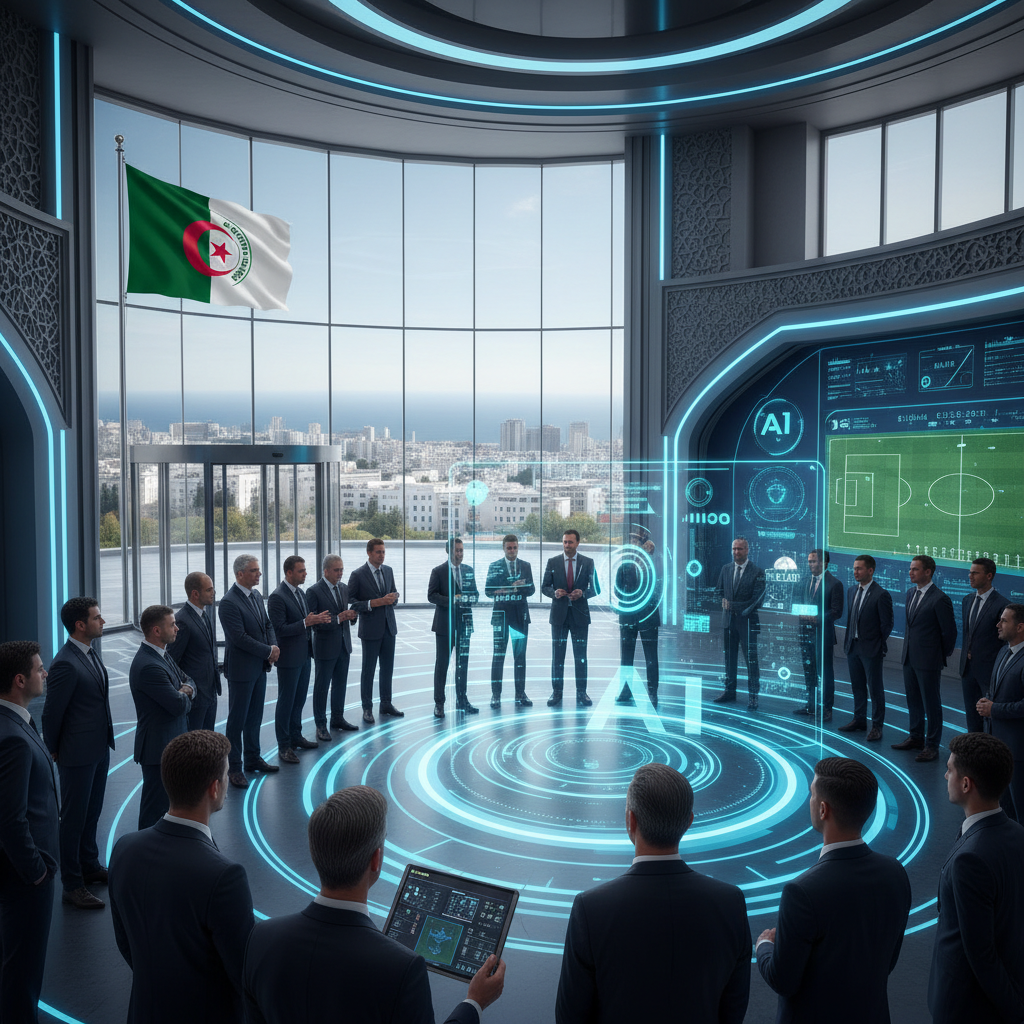
Algeria's Football Federation Explores AI for Talent Scouting and Player Development
 Abderrahmàn Bensoussàn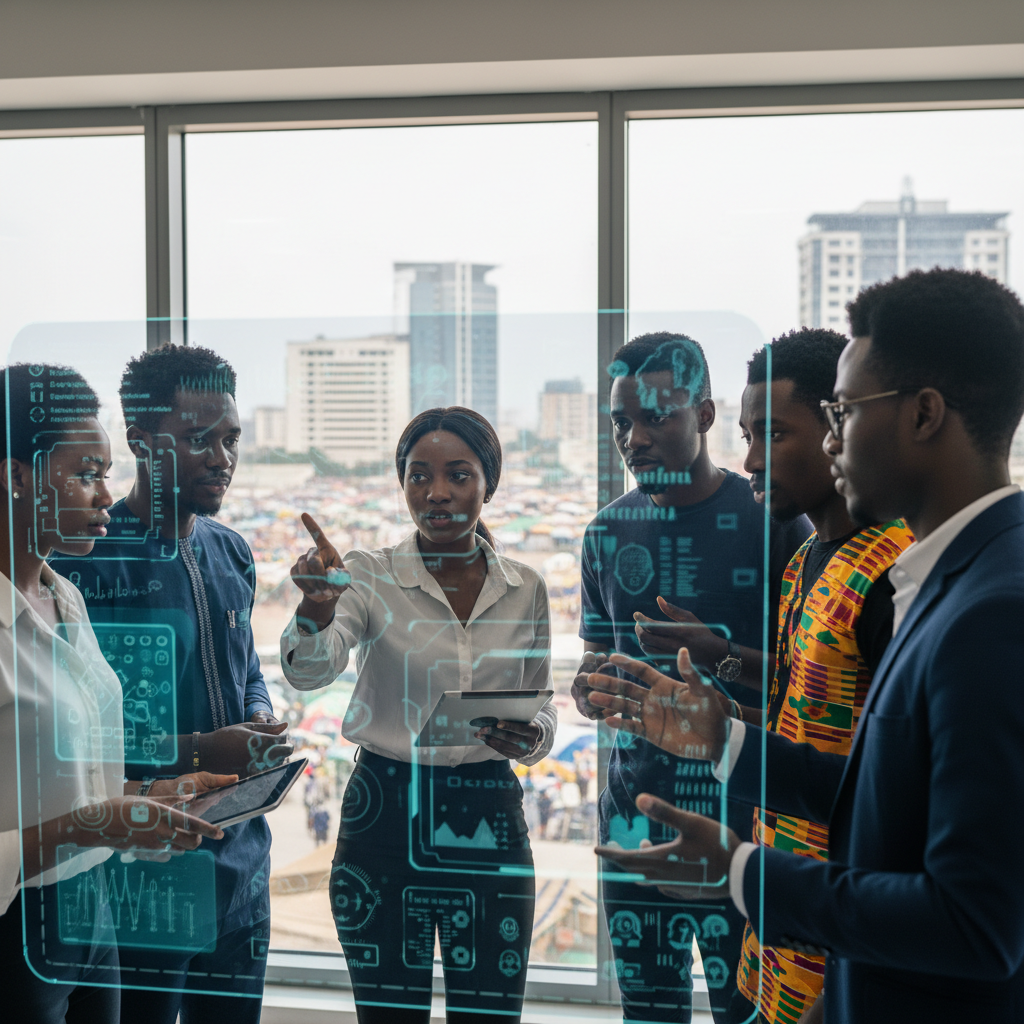
Ghana's AI Future: Local Voices Demand Ethical Frameworks Amidst Tech Boom
 Kwamé Asantè