AI's Promise and Peril: Bridging the Digital Divide for Mayan Youth in Guatemala
As AI reshapes education globally, Guatemala faces the dual challenge of integrating these tools while ensuring equitable access for its Indigenous communities. Experts discuss the need for culturally relevant AI literacy.
Click play to listen to this article read aloud using text-to-speech.
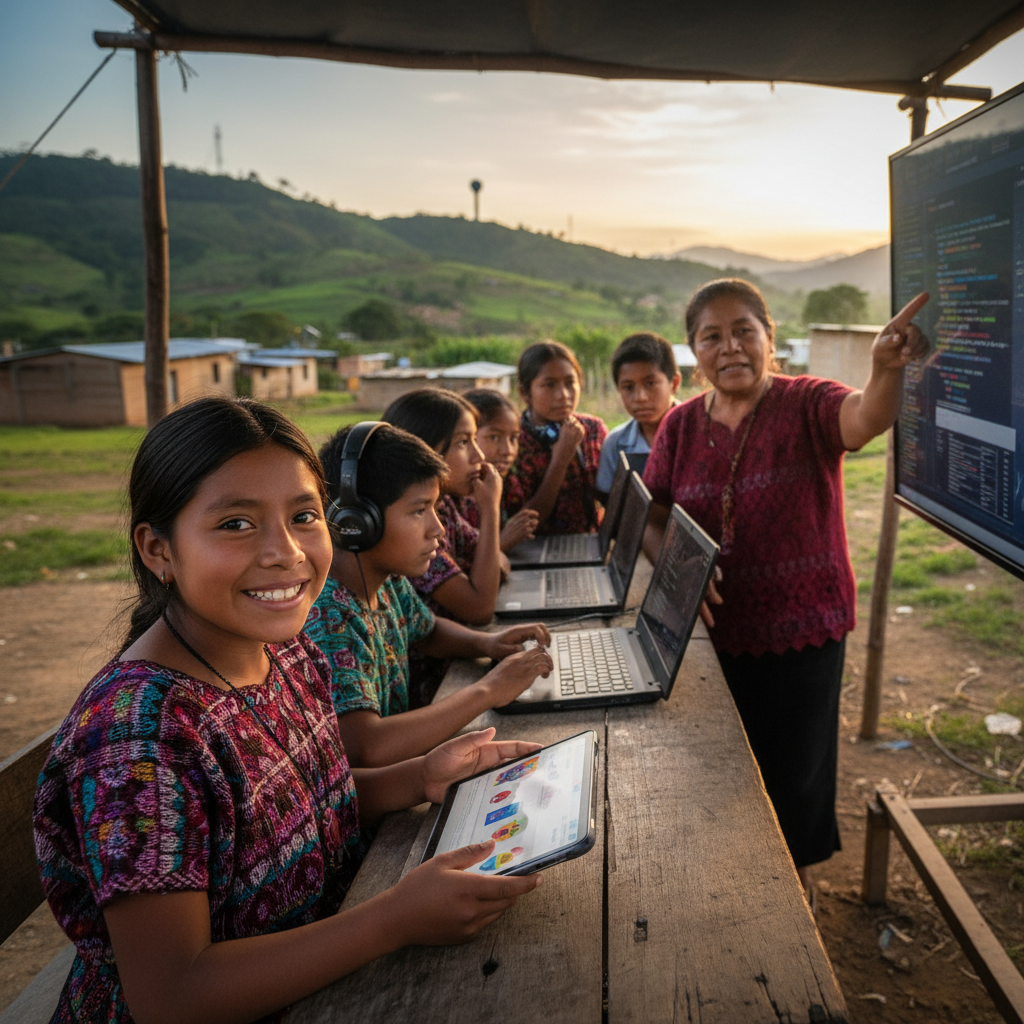

GUATEMALA CITY – The global surge in Artificial Intelligence (AI) development presents both unprecedented opportunities and significant challenges for nations like Guatemala, particularly concerning equitable access and culturally relevant integration within its diverse educational landscape. As a reporter deeply rooted in the experiences of Guatemalan Mayan women, I've observed firsthand how technological advancements often bypass our communities, exacerbating existing inequalities. The current discourse around AI in education is no different.
Recent discussions at the Foro de Innovación Educativa in Antigua Guatemala highlighted the urgent need to address the digital divide. Dr. Elena Cúmez, a K'iche' linguist and educational technologist from the Universidad Rafael Landívar, emphasized, "AI has the potential to personalize learning, preserve Indigenous languages, and offer unparalleled access to information. But without intentional, culturally sensitive integration, it risks becoming another tool that widens the gap between urban centers and our rural aldeas." She advocates for AI models trained on diverse linguistic datasets, including our 22 Mayan languages, to ensure tools are genuinely inclusive.
One promising initiative is the pilot program by the Ministerio de Educación in collaboration with the Consejo Nacional de Pueblos Indígenas (CNPI). It aims to introduce basic AI literacy and coding skills in select schools in the Western Highlands, starting with communities speaking Kaqchikel and Mam. "Our goal is not just to teach children how to use AI, but how to critically engage with it, to understand its biases, and to harness its power for community benefit," stated Lic. Juan Ajxup, Director of Digital Inclusion at the Ministry. He cited the development of AI-powered translation tools for educational content as a priority, ensuring that knowledge is not solely confined to Spanish.
However, infrastructure remains a formidable barrier. Many Mayan communities still lack reliable electricity and internet access. "How can we speak of AI literacy when many children still learn under candlelight?" questioned Doña María Ixquiac, a community leader and educator from Sololá. "The government must prioritize fundamental infrastructure development alongside technological integration. Ri q'ij k'o pa q'ab'aj – the future is in our hands, but we need the tools to shape it."
Experts also warn against the uncritical adoption of Western-centric AI curricula. Dr. Cúmez stressed the importance of developing AI applications that address local challenges, such as sustainable agriculture, disaster preparedness, and the preservation of ancestral knowledge. "Imagine AI tools that help predict crop yields based on traditional farming methods and climate data, or platforms that digitize and share oral histories in their original languages," she mused. "This is where AI can truly serve our people, not just replicate foreign models."
As Guatemala navigates this new technological frontier, the collective wisdom and resilience of its Indigenous peoples must guide the path. Ensuring that AI serves as a k'exb'al – a transformative tool – for all, rather than an exclusive privilege, will define the nation's educational future.
Related Articles
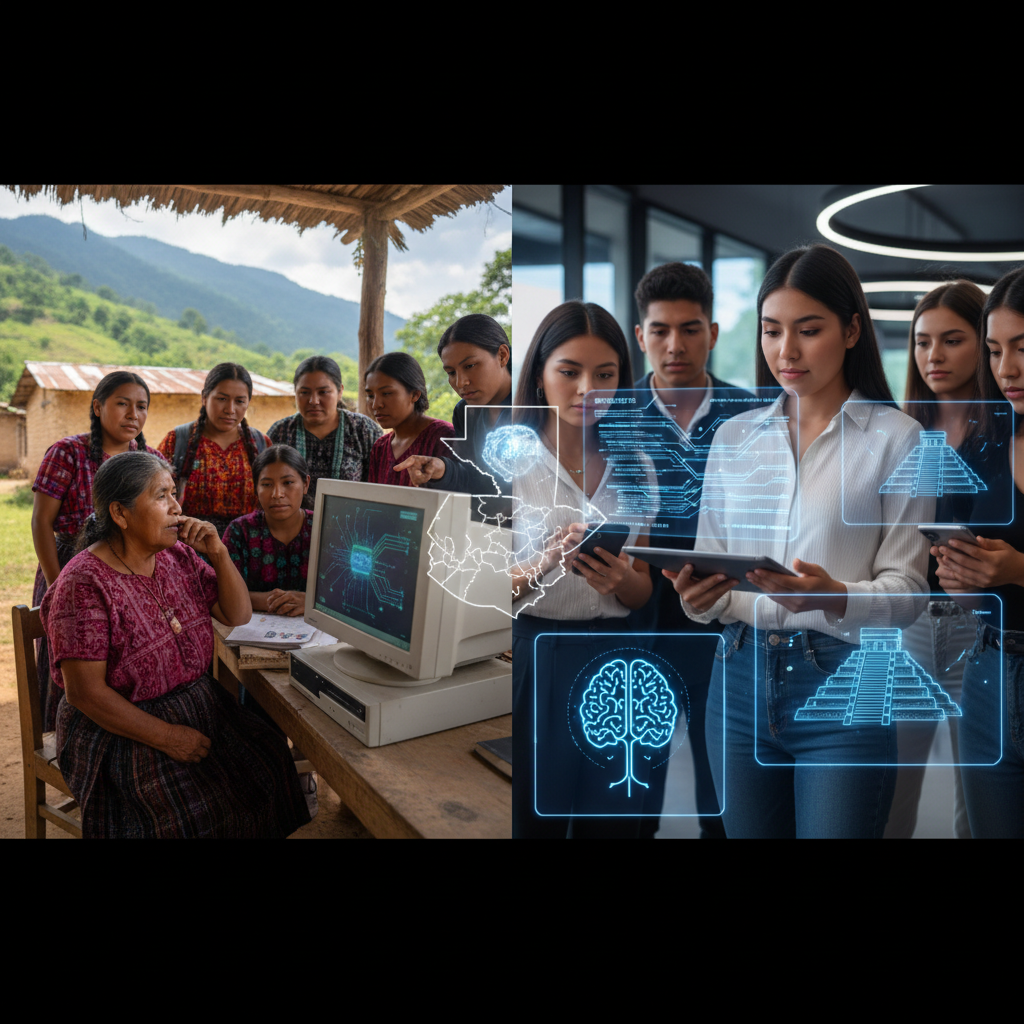
Guatemala's Digital Divide: AI's Promise and Peril for Indigenous Communities
Xiomàra Hernándèz
Slovak Universities Embrace AI: A New Era for STEM Education and Gender Equality
 Katarína Novákovà
Greek Universities Embrace AI: Bridging the Digital Divide for Women in STEM
 Zoë Papadakìs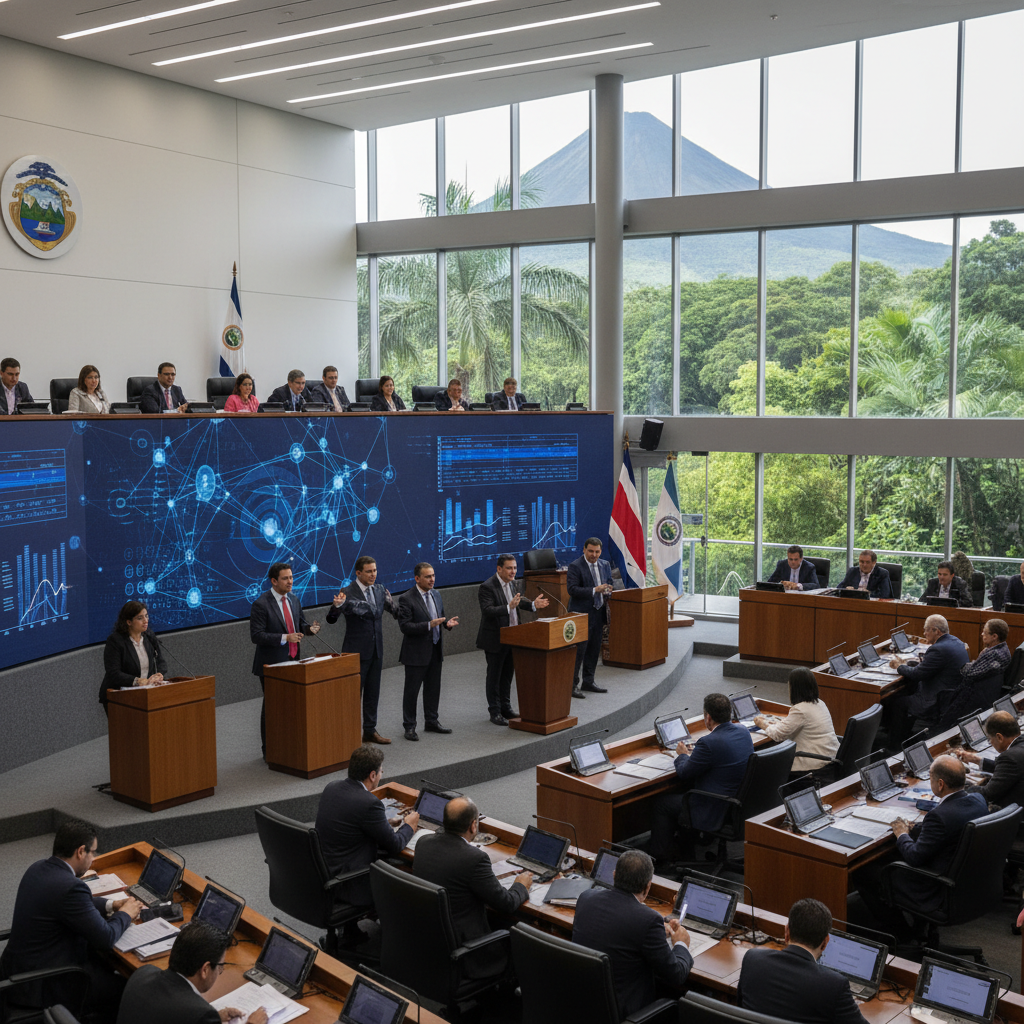
AI in the 'Pura Vida' Republic: Legislative Debate on Digital Ethics Heats Up
 Carlòs Ramirèz