
AI's Echo Chamber: Black Women's Voices Lost in Digital Heritage?
As South Africa embraces AI, concerns rise over the technology's potential to erase or misrepresent Black women's cultural narratives, risking a digital heritage gap. Experts urge inclusive data practices.
Click play to listen to this article read aloud using text-to-speech.
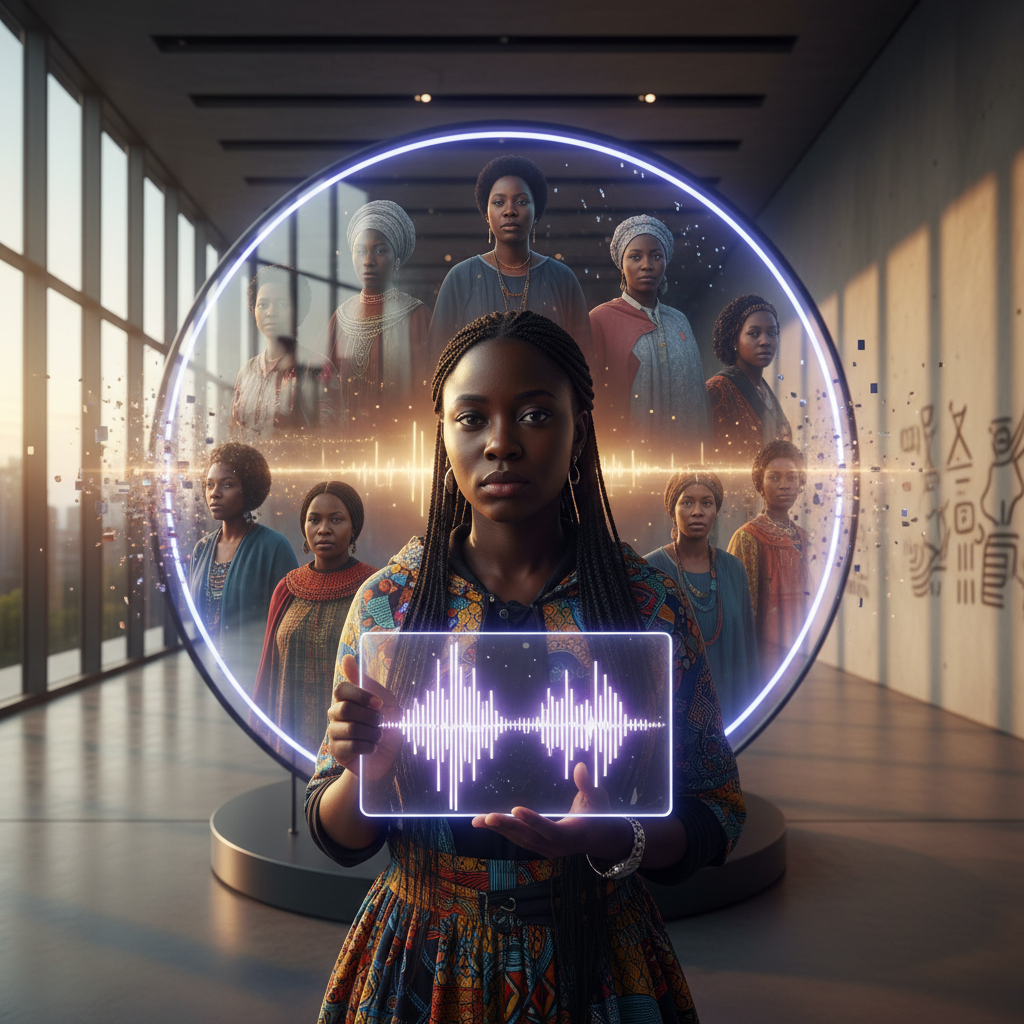

JOHANNESBURG – As South Africa hurtles into the digital future, driven by the promise of Artificial Intelligence, a critical question emerges from the heart of our cultural landscape: whose stories are being told, and more importantly, whose are being silenced? For Black South African women, the architects of much of our nation's intangible heritage, the advent of AI presents both opportunity and a profound risk of digital erasure.
The Department of Arts and Culture, alongside various tech initiatives, is increasingly exploring AI for digitising archives, preserving indigenous languages, and creating immersive cultural experiences. However, the foundational data feeding these algorithms often lacks the richness, nuance, and sheer volume of content reflecting Black women's contributions – from oral histories and traditional knowledge systems to contemporary artistic expressions.
“We’re building these sophisticated systems, but if the data inputs are predominantly colonial, patriarchal, or simply unrepresentative of the lived realities of Black South African women, then what kind of future heritage are we truly preserving?” asks Dr. Naledi Mohlala, a leading AI ethics researcher at the University of the Witwatersrand. “The algorithms will simply echo the biases inherent in the data, creating a digital heritage that is incomplete, if not outright distorted.”
This concern is not merely academic. Imagine an AI-powered educational tool designed to teach about South African history. If the vast majority of historical texts, images, and audio clips fed into its training model disproportionately feature male voices or narratives from dominant groups, the AI's output will inevitably marginalise the pivotal roles played by women – from the struggle against apartheid to the everyday acts of cultural preservation in our communities.
Nomusa Dlamini, CEO of 'Ubuntu AI Solutions', a local tech firm advocating for ethical AI development, highlights the urgency. “The digital divide isn’t just about access to technology; it’s also about whose narratives are prioritised in the data that trains these technologies. We need deliberate, community-led initiatives to collect, curate, and digitise content from Black women’s perspectives – from grandmothers' oral histories to contemporary digital art. Without this, we risk creating an AI-driven cultural landscape that is fundamentally un-African, un-womanist.”
Institutions like the National Heritage Council and the Pan South African Language Board are being called upon to collaborate more closely with grassroots organisations and women’s collectives. The goal is to ensure that AI development is not just technologically advanced, but also culturally sensitive and ethically sound. This means investing in data sovereignty, empowering local communities to control their digital narratives, and developing AI models that understand and respect the complexities of intersectional identities.
As we navigate April 2026, the promise of AI for cultural preservation is immense. But for Black South African women, the challenge is clear: to ensure that this powerful technology amplifies, rather than diminishes, their invaluable contributions to our shared heritage. The future of our culture, in many ways, depends on it.
Related Articles

Ghana's AI Leap: Local Startups Drive Innovation, Address Ethical Concerns
 Kwamé Asantè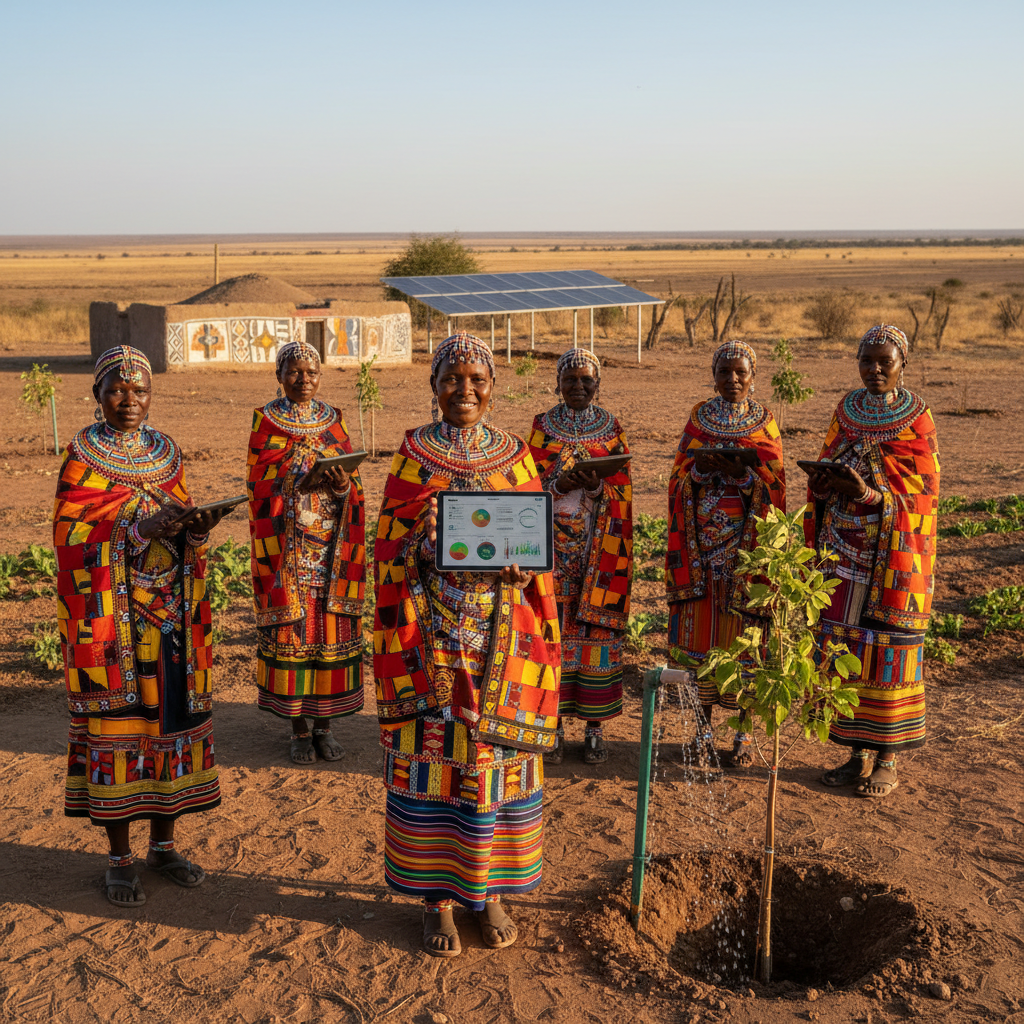
AI's Green Promise: Ndebele Women Lead Climate Resilience in Matabeleland
 Zinhlée Khumàlo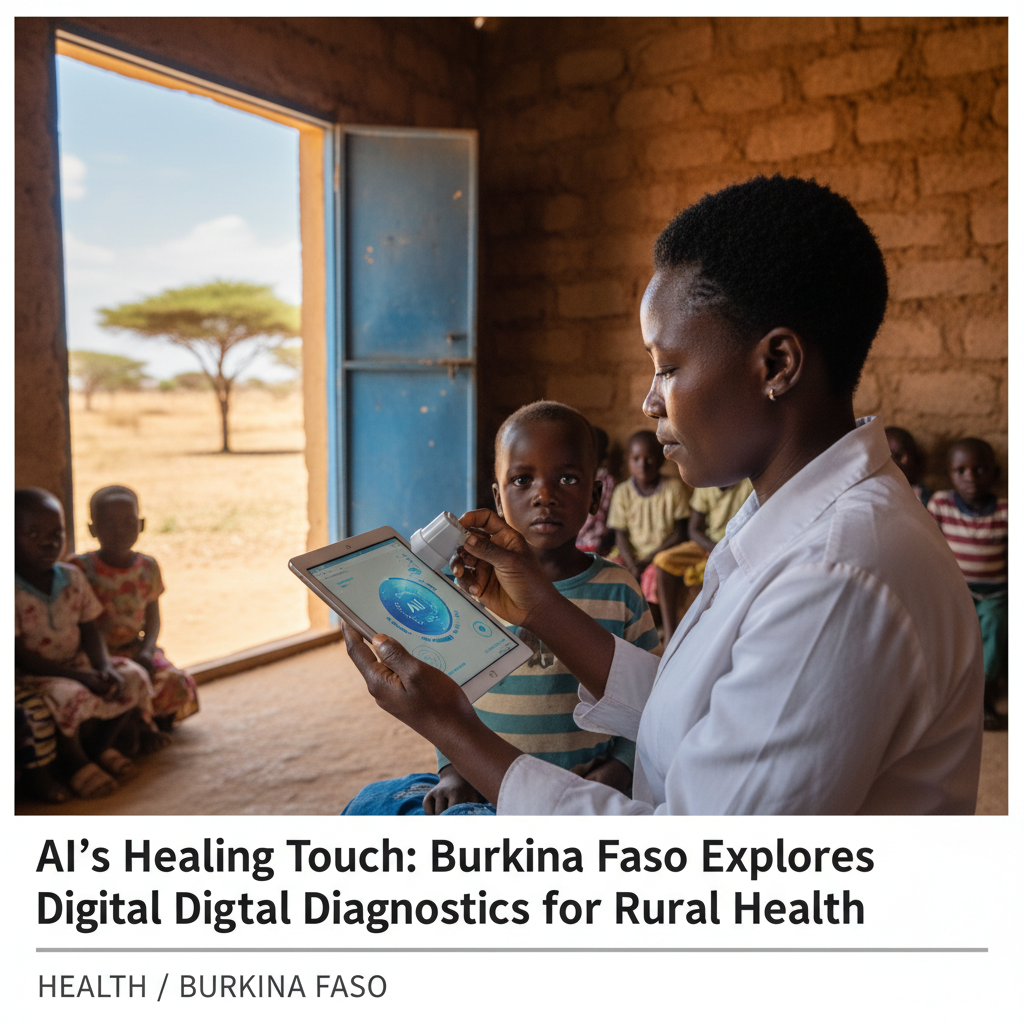
AI's Healing Touch: Burkina Faso Explores Digital Diagnostics for Rural Health
 Youssoufaù Traoré
Guinea Grapples with AI's Political Promise and Peril: A Sahelian Perspective
 Sekouù Camàra