
AI's Dual Edge: Opportunity and Oversight for Guatemala's Indigenous Entrepreneurs
As AI integration accelerates across North America, Guatemala's indigenous communities face both unprecedented business opportunities and critical challenges in ensuring equitable access and cultural preservation. Experts call for inclusive AI strategies.
Click play to listen to this article read aloud using text-to-speech.
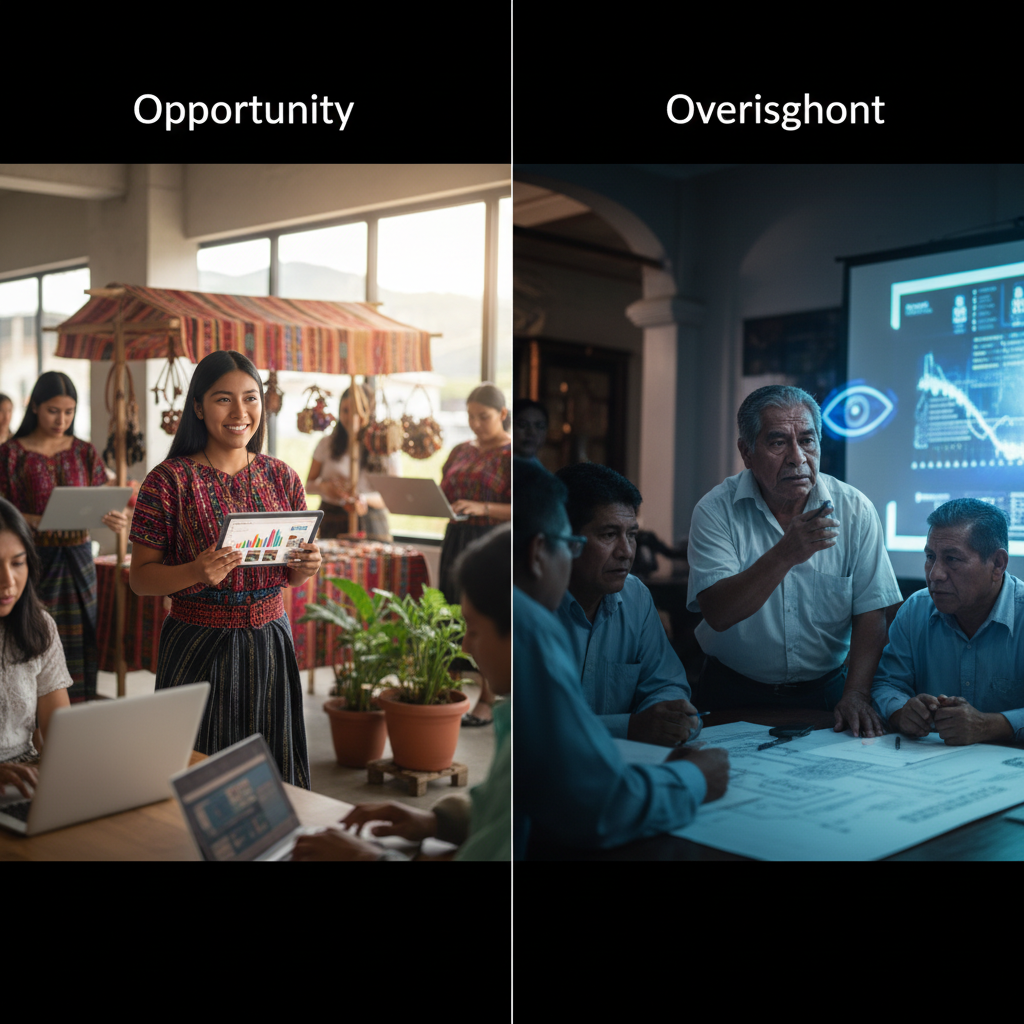

Guatemala City, April 2026 – The rapid advancement of Artificial Intelligence (AI) is reshaping industries across North America, and its reverberations are now keenly felt within Guatemala's vibrant indigenous entrepreneurial landscape. While AI promises efficiency and new markets, it also presents a complex tapestry of opportunities and potential pitfalls for communities striving to maintain their cultural integrity and economic sovereignty.
For many Ixq'anil (indigenous women entrepreneurs) and Ajq'ijab' (Mayan spiritual guides, often community leaders), the digital divide remains a significant hurdle. Yet, innovative ventures are emerging. "We're seeing incredible potential for AI to help us reach global markets for our textiles and crafts, to manage inventory more efficiently, and even to translate our ancestral knowledge into digital formats for preservation," states Elena Sacul, a K'iche' entrepreneur and founder of 'Tejidos del Sol,' a cooperative leveraging e-commerce. "But the tools must be accessible, and they must understand our context, not just impose a Western view."
This sentiment is echoed by Dr. Pedro Xol, a leading anthropologist and director of the Instituto de Estudios Indígenas at Universidad del Valle de Guatemala. "The challenge is not just about access to technology, but about appropriate technology. We need AI models trained on diverse datasets that reflect our languages, our social structures, our cosmovisión (worldview). Without this, AI risks becoming another tool for cultural homogenization rather than empowerment." Dr. Xol points to the nascent efforts to develop AI-powered language translation tools for Mayan languages like Kaqchikel and Q'eqchi', a critical step towards digital inclusion.
The business implications are profound. AI could streamline supply chains for agricultural products, offer predictive analytics for climate-resilient farming, and even personalize educational content in indigenous languages. However, concerns about data privacy, algorithmic bias, and the potential for job displacement in traditional sectors are paramount. "Who owns the data generated by our communities? How do we ensure that AI doesn't perpetuate existing inequalities or misrepresent our cultural heritage?" asks Ana María Pop, a legal expert specializing in intellectual property rights for indigenous communities at the Defensoría Maya.
Government and international organizations are beginning to take notice. The Ministerio de Economía recently announced a new initiative, 'Guatemala Digital 2030,' which aims to foster AI adoption while emphasizing ethical guidelines and inclusive development. "Our goal is to ensure that AI benefits all Guatemalans, especially those who have historically been marginalized," commented Vice Minister of Technology, Ricardo Méndez. "This means investing in digital literacy programs in rural areas and collaborating with indigenous leaders to co-create AI solutions that respect their rights and traditions."
The path forward is complex, requiring a delicate balance between embracing innovation and safeguarding cultural heritage. For Guatemala's indigenous entrepreneurs, AI represents a powerful, albeit double-edged, sword that could either unlock unprecedented prosperity or deepen existing disparities. The coming years will determine if the nation can harness this technology to truly empower its most vibrant and ancient communities.
Related Articles
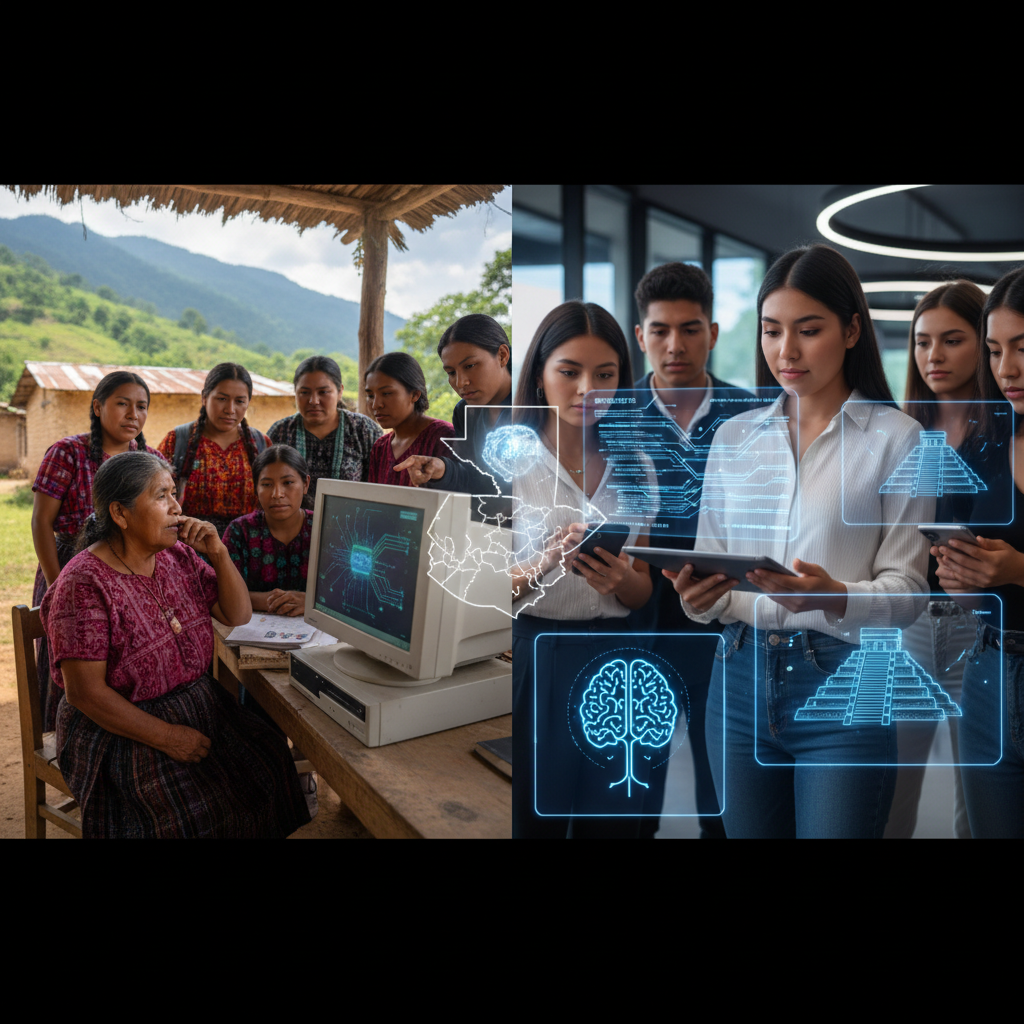
Guatemala's Digital Divide: AI's Promise and Peril for Indigenous Communities
Xiomàra Hernándèz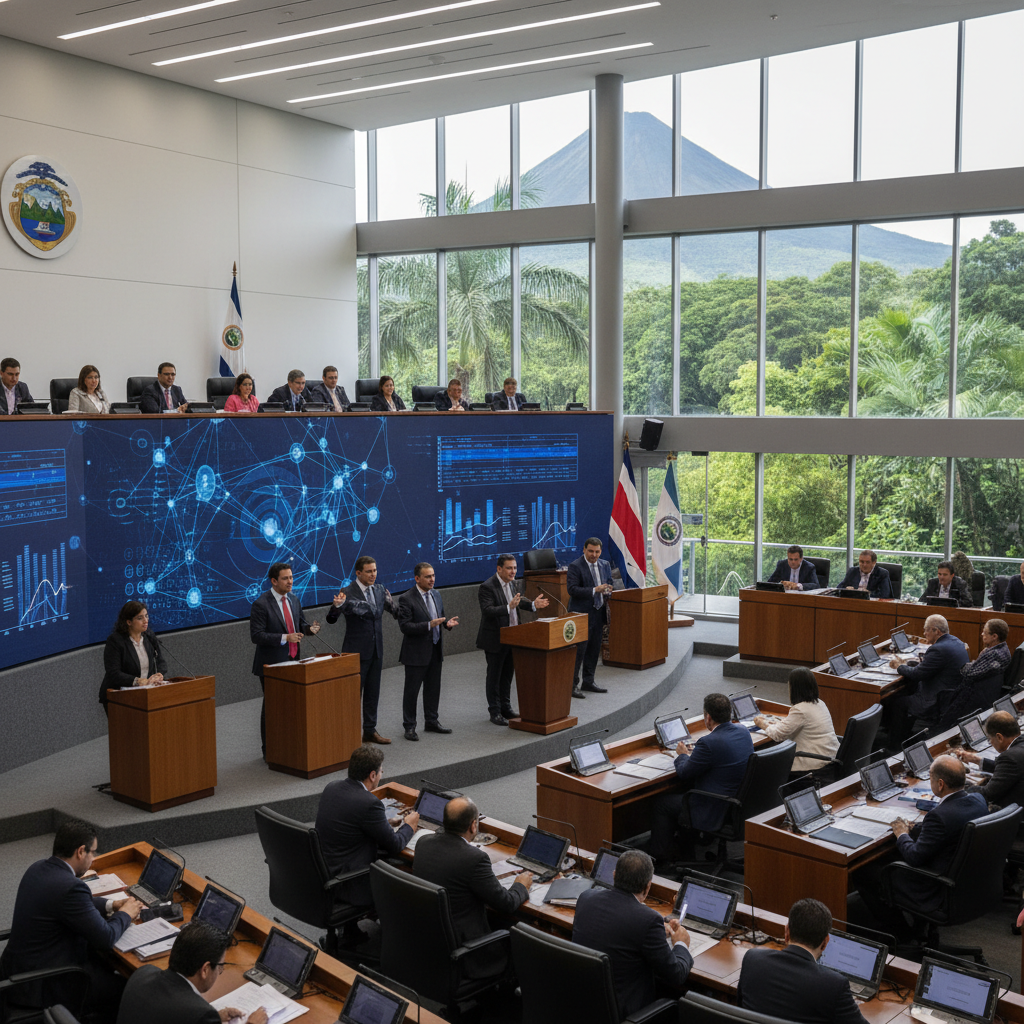
AI in the 'Pura Vida' Republic: Legislative Debate on Digital Ethics Heats Up
 Carlòs Ramirèz
AI's 'Glass Ceiling' for Women: New Study Reveals Persistent Bias in STEM
 Amèlia Whitè
AI na Favela: Nova Iniciativa Transforma Oportunidades para o Homem Brasileiro
 Luciànò Ferreiràs